
Reviewed · CASABLANCA TOURS
Big Morocco Tour 15 Days From Casablanca
Morocco rewards a long, looping route. This 15-day private-style journey links Casablanca, Rabat, Fes, Marrakech, the Sahara, and the Atlantic coast, so you see far more than one famous city. I especially like the mix of grand mosques, old medinas, mountain villages, desert dunes, and working farms. The route also includes a camel ride, local guides in Fes and Marrakech, and private transportation. The main drawback is the pace: several days involve long drives, and some stops are brief.
The price is $3,019.78 per person, with 14 breakfasts and four dinners included. That can be solid value if you want one company to arrange a large, complicated circuit, but lunches, drinks, and many sightseeing admissions are extra. The tour is best for people who prefer seeing nearly all of Morocco in one trip rather than settling into one region.
In This Review
- Five details that shape this Moroccan journey
- Casablanca and Rabat: A strong architectural opening
- Asilah, Tangier, and the blue streets of Chefchaouen
- Volubilis and Meknes before the long Fes stay
- Fes: The trip’s best day for history and street life
- Ifrane, Midelt, and the changing Middle Atlas
- Erfoud and Erg Chebbi: The desert earns its place
- Todra Gorges, the Rose Valley, and Ouarzazate
- Taroudant, Agadir, and the Atlantic road
- Essaouira and Marrakech: Coast first, grand finale second
- What the $3,019.78 price really covers
- Who should book this 15-day circuit?
- Should you book the Big Morocco Tour?
- FAQ
- How long is the Big Morocco Tour?
- Where does the tour start and finish?
- Is transportation private?
- Is the camel ride included?
- Which meals are included?
- Are local guides included?
- Can I cancel for a full refund?
Five details that shape this Moroccan journey
- The route covers Morocco’s greatest variety: Atlantic cities, imperial capitals, Rif and Middle Atlas mountains, palm-filled valleys, desert dunes, gorges, rose country, and the coast.
- The Sahara night is the emotional center: You ride camels over Erg Chebbi, watch sunset, eat dinner at camp, and hear Berber music by the fire.
- Fes gets a full day: That gives you time for the old Medina, Al-Attarine Madrasa, Bou Inania Madrasa, Al-Qarawiyyine University, and Fes Al-jdid.
- Private transport keeps the route flexible: A driver-guide can handle the long connections and adjust stops within the planned schedule.
- The stated group limit is eight people: Ask about the vehicle and seating before booking, especially if comfort matters on long mountain and desert drives.
Casablanca and Rabat: A strong architectural opening
Your first day is deliberately easy. A driver-guide meets you at Mohammed V Airport and takes you to a Casablanca hotel. If you arrive early and stay in Casablanca before the tour, pickup from your hotel is also offered.
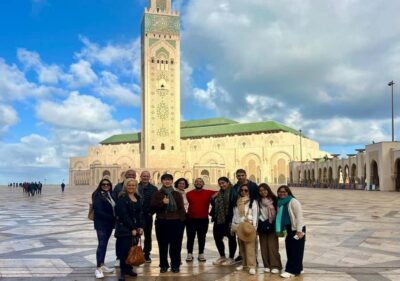
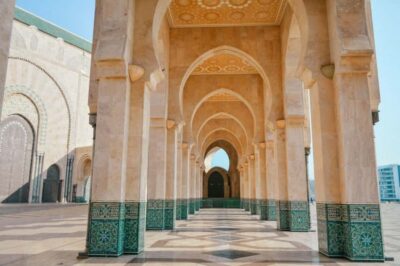
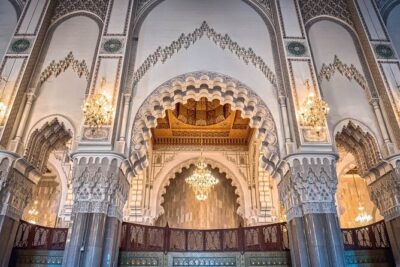
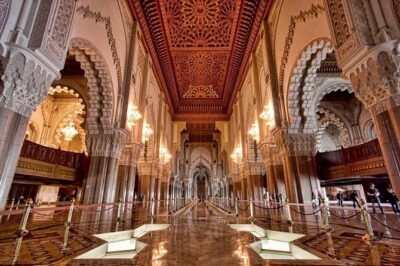
On day two, the Hassan II Mosque gives the trip a memorable start. It is described as the largest mosque of its kind in Africa, and its position in Casablanca makes it an important introduction to modern Moroccan identity as well as Islamic architecture. Plan on roughly two hours here.
The route then moves to Rabat, Morocco’s capital. The planned visits include the Mechouar, the tombs of Mohammed V and Hassan II, and the Kasbah of Oudayas. Rabat feels more measured than Casablanca, and this stop gives you a useful contrast between a major commercial city and an imperial capital.
The day is not short. Casablanca sightseeing, the drive to Rabat, and city touring fill much of the schedule. I would use the first morning to get comfortable with the rhythm of the trip: breakfast, sightseeing, road time, and a new hotel most nights.
A few more Casablanca runs to hold up against each other
- From Marrakech: Casablanca Tour with Hassan II Mosque Visit
★ 4.7 · 4,756 reviews - Casablanca: Hassan II Mosque Premium Tour with Entry Ticket
★ 4.5 · 2,971 reviews - Casablanca City Tour with Hassan II mosque ticket
★ 5.0 · 2,480 reviews
Asilah, Tangier, and the blue streets of Chefchaouen
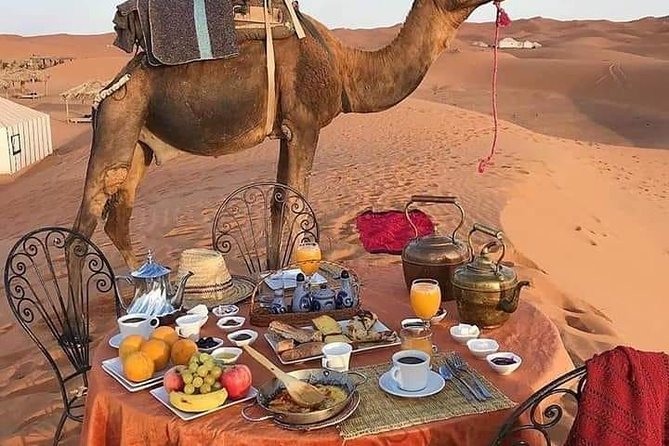
Day three heads north to Asilah, a small coastal town known for its attractive streets and artistic feel. The planned visit is only about an hour, so treat it as a pleasant pause rather than a full exploration.
Tangier receives more attention. You visit the city, Cap Spartel, and the Hercules Caves. These stops give you sea views and a sense of Tangier’s position at the meeting point of the Atlantic and Mediterranean worlds. The following morning also includes Tangier and Hercules Cave before the road turns toward Chefchaouen.
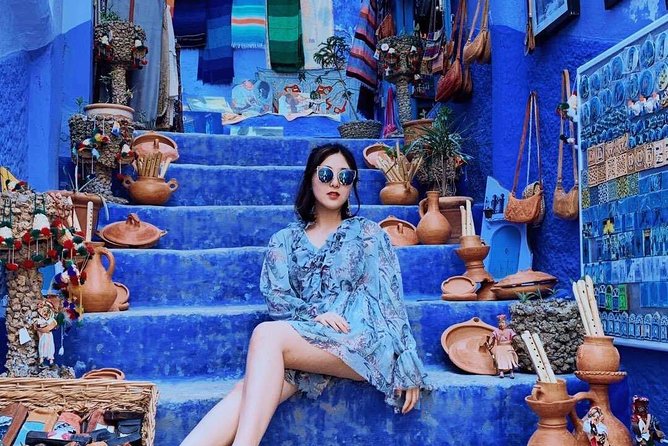
Chefchaouen is one of the most photogenic stops on the route. Its white and blue houses sit in a green mountain setting crossed by a river. You will have about two hours listed for the visit, which is enough to walk, take photographs, and enjoy the town’s unusual color scheme, but not enough for a slow exploration of every lane.
This northern section is scenic, but the schedule asks you to keep moving. If you love wandering without a clock, Chefchaouen may leave you wishing for another half-day.
Volubilis and Meknes before the long Fes stay
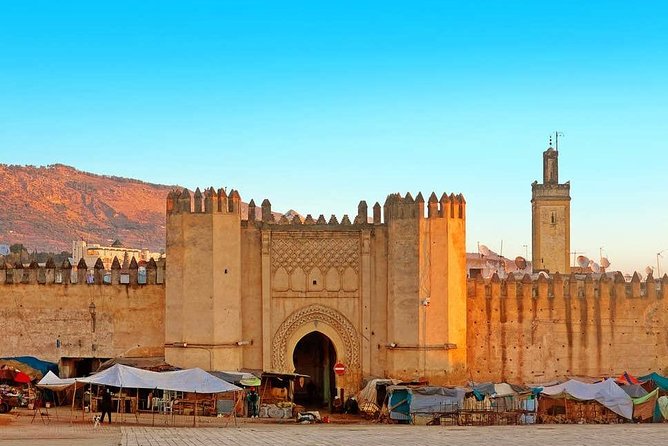
Day five crosses the Rif Mountains toward Volubilis and Meknes. Volubilis brings Roman ruins into a trip otherwise filled with Islamic architecture and Moroccan town life. Its inclusion gives the route useful historical range without requiring a separate detour.
Meknes is one of Morocco’s imperial cities, surrounded by ramparts. The planned sights include the mausoleum of Moulay Ismail, Bab Mansour, Lahdim Square, and the old Medina. The green gate of Bab Mansour is particularly important as a visual landmark, while the Medina gives you the winding lanes and small-scale commerce that define Morocco’s old cities.
The timing here is a little unclear in the schedule, with about an hour assigned to Meknes and two hours to the transfer and Medina visit before continuing to Fes. I would confirm the exact order and amount of free time before departure. You are likely seeing key sights, not spending a full day in Meknes.
That evening, you reach a riad in Fes. A riad stay can be one of the pleasures of Morocco, but the exact property is not specified, so ask what room, meal, and location are included.
Fes: The trip’s best day for history and street life
Fes receives a full eight-hour touring day, and that is a wise choice. Its old Medina is one of the places where a local guide adds real value. Narrow streets can be confusing, and the important buildings are easy to miss if you simply wander without context.
The route includes Al-Attarine Madrasa, Ennajarine Fountain, Al-Qarawiyyine University, Bou Inania Madrasa, and the Mausoleum of Moulay Idriss. Al-Qarawiyyine was founded in 859 and is identified here as the oldest university in the world. You will also have time for breakfast in a restaurant and lunch at a local restaurant.
In the afternoon, you visit Fes Al-jdid, the newer part of the city, then stop for a panoramic view over the Medina. That viewpoint helps you understand the scale and shape of the old city after spending hours at street level.
A local guide in Fes is included. Ask at the start of the day how much walking is planned, where meals fit, and how much time you have for shopping. The old streets are the point, but they can be tiring, particularly after several days on the road.
Same city gate, a very different afternoon:
- Casablanca: City Tour with Hassan II Mosque Entry Ticket
★ 4.6 · 1,137 reviews - Private Tour of Casablanca with Hassan II Mosque Entry Ticket
★ 5.0 · 1,102 reviews - Marrakech Day Trip with Camel Ride from Casablanca
★ 5.0 · 740 reviews - Casablanca: Hassan II Mosque & City Highlights Tour
★ 4.5 · 573 reviews
Ifrane, Midelt, and the changing Middle Atlas
From Fes, the route climbs through the Middle Atlas Mountains. You pass Berber villages, cedar forests, Ifrane, and Azrou before spending the night in Midelt.
Ifrane is often called little Switzerland because of its appearance and mountain setting. The stop is listed at only 30 minutes, so expect a quick look rather than a full town visit. Azrou and the cedar forests are likely to be more about passing views than extended sightseeing.
Midelt is an overnight break between Fes and the Sahara. You stay in a hotel or Kasbah, depending on the arrangement. This is a practical pause, since the next day crosses the Ziz Valley toward Erfoud and Merzouga.
The road days are part of the experience, but you should be comfortable sitting in a vehicle for extended periods. Private transport makes this far easier than managing buses and connections, yet it does not shorten Morocco’s distances.
Erfoud and Erg Chebbi: The desert earns its place
The journey from Midelt to Erfoud follows the Ziz Valley, with its striking palms and dry mountain scenery. Erfoud adds a stop at fossil shops, a common feature of this region’s visitor economy. If shopping is not your priority, keep the stop focused and save energy for the dunes.
You reach Merzouga before sunset and walk in the desert. Climbing a sand dune to watch the sun drop is one of the route’s most appealing moments, especially because it requires no complicated activity, just time and a good pair of shoes.
The next day is devoted to the Merzouga area. You visit Khamlia, where you are welcomed with tea and traditional music, then continue to the desert lake, where bird species can be seen. The route goes on toward Rissani and Tafilalt, linked with the Alaouite dynasty, and includes fortified villages and souks.
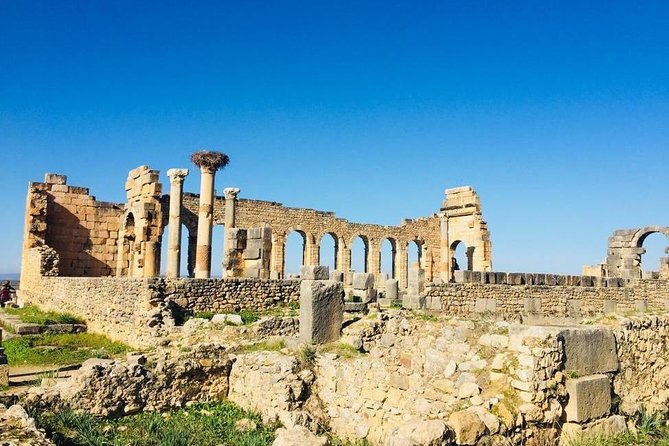
In the afternoon, you return to the hotel area for a camel trek over the dunes. You watch sunset from the sand before continuing to a desert camp. Dinner, quiet, a campfire, and Berber music complete the evening.
The desert section includes dinner and the camel ride, but you should ask whether camp bedding, transfers, and any optional activities are covered. Also ask how much walking is required if you would rather ride only part of the way.
Todra Gorges, the Rose Valley, and Ouarzazate
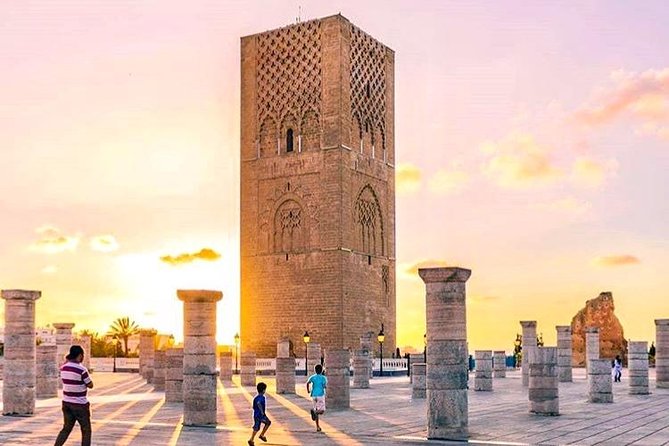
Day ten begins early if you want to see sunrise. That advice matters: the desert light changes quickly, and sleeping late means giving up one of the most beautiful parts of the route.
After breakfast, you pass through Rissani and Tafilalt toward Todra Gorges. The gorge has rocky walls, springs, and a green valley. One hour is listed here, enough for a walk and photographs, though not for a long hike.
The drive continues through Boumalne Dades and the Rose Valley. Roses are widely cultivated here alongside apples, figs, and corn. The road is known as the Road of a Thousand Kasbahs, with old fortified buildings adding character to the route.
You spend the night in a riad in Ouarzazate. The day includes a lot of road time, but it also connects several different parts of southern Morocco in a logical way. I would keep water, snacks, and a light layer in the vehicle.
Taroudant, Agadir, and the Atlantic road
The route then turns toward Taroudant, passing Taznakht and Taliouine. A saffron-field visit may be possible along the way, where you can meet local farmers working in the fields. Since this is described as an opportunity rather than a guaranteed timed visit, confirm it with the operator.
Taroudant has a walled Medina and streets suited to a two-hour walk. It is a quieter cultural stop than Marrakech, and the ramparts help give the town a distinct character.
The next day passes through Agadir, where lunch is planned, before following a quieter coastal road to Essaouira. Along the way, you may see argan trees climbed by goats, one of Morocco’s most unusual roadside sights.
Lunches are not included in the tour price, so budget for this meal and the others. The freedom to choose lunch can be useful, especially for families or people with specific food preferences, but costs will add up over 15 days.
Essaouira and Marrakech: Coast first, grand finale second
Essaouira receives a substantial half-day visit. You explore the seaport and the Medina, also called the Skala, with old structures and cannons. The itinerary also includes the museum of Sidi Mohammed Ben Abdallah and a market walk featuring handmade goods and local crafts.
Seafood lunch is planned before you drive east to Marrakech. Essaouira works well late in the trip because its coastal setting and slower feel offer a change from the inland cities and desert roads.
Marrakech receives a full final sightseeing day. The planned stops include the Menara, Bahia Palace, Badi Palace, Saadian mausoleums, Koutoubia Mosque, and Djemaa El Fna. A traditional Moroccan lunch is included in the day’s plan, though the overall inclusions specify breakfasts and four dinners, not lunches, so confirm whether that particular meal is at your own expense.
Djemaa El Fna is best when the square fills in the evening with storytellers, comedians, snake charmers, and other performers. Go with an open mind and keep your belongings secure. The square is theatrical and crowded, but it is also a place where you should stay alert and agree on any costs before accepting food, photos, or entertainment.
What the $3,019.78 price really covers
The cost includes private transportation, 14 breakfasts, four dinners, a camel ride, and local guides in Fes and Marrakech. For a 15-day route crossing most of Morocco, that package can be worthwhile because transport, hotel changes, and major planning decisions are handled in one arrangement.
It is not an all-inclusive price. Drinks, lunches, and most listed sightseeing stops are not marked as included. Many attractions show no admission charge in the schedule, but the Hassan II Mosque and other sites may have their own rules or fees, so ask for a current breakdown.
The strongest value comes from time saved and the private vehicle. A driver-guide also helps with the difficult transitions between cities. Past departures have used drivers named Yassin, Mostapha, Tawfiq, Hassan, and Karim, with particular praise for careful driving, patience, flexibility, and warm service. That personal connection can shape the whole trip.
The stated maximum is eight people. If your party is larger, clarify the arrangement before paying. One past group had 11 people, and another account described a vehicle change after concerns about non-reclining seats. Ask specifically about vehicle size, seat comfort, luggage room, and who will guide you in each city.
Who should book this 15-day circuit?
I would recommend it to you if you want a broad first look at Morocco and prefer a planned route to arranging every transfer yourself. Families, multigenerational groups, and small groups can benefit from private transportation and the ability to discuss practical needs with the operator.
It also suits you if the Sahara is essential, but you want more than a desert excursion. You get Fes, Marrakech, imperial cities, the northern coast, the Atlas Mountains, gorges, valleys, and Essaouira in one trip.
I would hesitate if you dislike frequent hotel changes, long drives, or tightly timed sightseeing. You should also consider a slower trip if your priority is relaxed beach time, extended hiking, or several unplanned days in one Medina.
Cancellation is free up to 24 hours before the local start time for a full refund. The tour offers pickup, mobile tickets, and group discounts, and most people can participate. Service animals are allowed, but the available information does not describe specific room or vehicle accessibility, so ask directly if that affects your booking.
Should you book the Big Morocco Tour?
Book it if you want maximum variety with minimal transport planning. The route is ambitious but well shaped: cities first, Fes in the middle, desert and southern scenery next, then the coast and Marrakech.
Before booking, get written answers about hotel names, vehicle seating, exact entrance fees, lunch costs, the desert camp setup, and the driver-guide assigned to your group. If those details suit you, $3,019.78 can be a fair price for a nearly two-week Moroccan circuit with private transport and the Sahara included.
FAQ
How long is the Big Morocco Tour?
The tour lasts approximately 15 days, beginning with airport or hotel pickup in Casablanca and ending with a transfer to Casablanca airport.
Where does the tour start and finish?
It starts in Casablanca, with pickup at Mohammed V Airport or a Casablanca hotel. The final transfer is to Casablanca airport.
Is transportation private?
Yes. Private transportation is included, and the stated maximum group size is eight people.
Is the camel ride included?
Yes. A camel ride in the Sahara Desert is included.
Which meals are included?
Four dinners and 14 breakfasts are included. Lunches and drinks are not included.
Are local guides included?
Local guides in Fes and Marrakech are included.
Can I cancel for a full refund?
Yes, if you cancel at least 24 hours before the experience start time based on local time. Cancellations or changes made less than 24 hours before the start are not accepted for a refund.
Just listed around Casablanca
- Your Private Casablanca Transfer★ 5.0 · 52 reviews
- Casablanca Airport Transfer from hotel in Casablanca★ 5.0 · 18 reviews
- Exclusive tour of Casablanca with access to the Hassan II Mosque★ 5.0 · 205 reviews
- Amazing airport pickup/ drop off in Casablanca/ safe&easy★ 5.0 · 218 reviews
- Sunset Camel Ride in the Palm Grove Of Marrakech★ 5.0 · 34 reviews
- 14 Days From Casablanca- Morocco Grand Tour★ 5.0 · 24 reviews
- Private full day trip to chefchaouen from Casablanca with lunch★ 5.0 · 20 reviews
- Marrakeck City tour from Casablanca all the day around trip★ 5.0 · 35 reviews
Casablanca Tours, compared.
Hassan II Mosque Premium Tour with Entry Ticket
Read our review →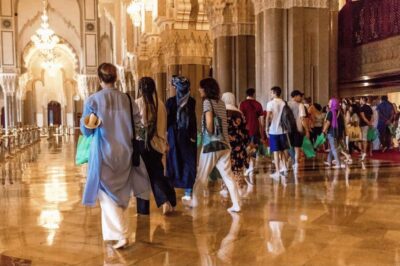
Private Tour of Casablanca with Hassan II Mosque Entry Ticket
Read our review →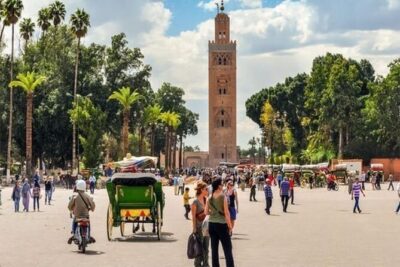
Marrakech Day Trip with Camel Ride from Casablanca
Read our review →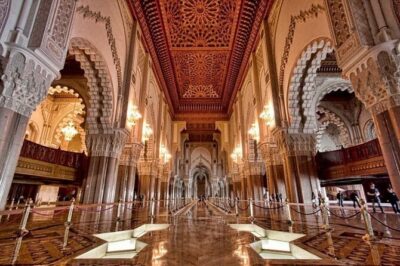
Casablanca Layover Tour with Round-Trip Airport Transfer
Read our review →Browse the lists this tour appears in