
Reviewed · ESSAOUIRA TOURS
Essaouira: HOW TO BE A REAL MOROCCAN CHEF
Cook dinner, then take Morocco home. This three-hour class brings you into a local Moroccan home, where Abdou guides you through tagine preparation, spice use, tea service, and the customs around sharing food. I especially like the hands-on cooking, since you chop, season, layer, and assemble the dish yourself. I also like the friendly, personal setting, with mint tea, Moroccan pastries, music, and practical tips about Essaouira.
The main consideration is that this is a home-based experience, not a polished cooking studio. That is the point for many people, but it can feel informal if you expect a formal demonstration or a tightly scripted class. The class costs $45 per person, lasts about three hours, and is limited to 10 participants.
In This Review
- Key points before you book
- Meeting Abdou and entering a Moroccan home
- Shopping for ingredients and learning the spice cabinet
- Preparing your tagine from cutting board to stove
- Tea, pastries, music, and the waiting time
- Sitting down to eat what you prepared
- How authentic is the experience?
- Is $45 good value for three hours?
- Timing, language, and practical details
- Who should book this Essaouira cooking class?
- Should you book it?
- FAQ
- How long does the cooking class last?
- How much does the experience cost?
- Where does the class take place?
- Which languages does the instructor speak?
- What food will I prepare?
- Is cancellation allowed?
Key points before you book
- Abdou is the heart of the class: He teaches in English and French, and adds Arabic phrases, local stories, and plenty of humor.
- You cook your own tagine: You prepare the ingredients, mix the seasoning, layer the pot, and eat the finished dish.
- The setting feels personal: The class takes place in a charming local house rather than a large commercial school.
- The menu may offer choice: Participants have selected chicken, lamb, fish, and other tagine styles, depending on the day.
- Tea and pastries fill the cooking time: Moroccan mint tea and homemade sweets are served while the tagines simmer.
- You leave with useful extras: Recipes, cooking skills, and sometimes help buying a tagine pot or spices at local prices.
Meeting Abdou and entering a Moroccan home
The class begins with hospitality rather than a cutting board. You gather around a table, drink mint tea, and settle into the relaxed rhythm of a Moroccan home.
Abdou is the main host and instructor. He speaks English and French well, and his easy manner helps the class work for mixed groups. He has also used a few words of Italian, Polish, German, and Arabic to make people feel welcome. That language flexibility matters if your group includes people with different comfort levels.
The strongest feature here is the human contact. Abdou does not simply point at ingredients and recite a recipe. He talks with you about Essaouira, Moroccan food customs, local life, and the rest of your trip. Several classes have also included Isaac, a friend and co-host, who adds conversation, music, and extra warmth.
You should expect a social atmosphere. The class works best if you are happy chatting with people you have just met. A group of 10 is still small enough for individual attention, but larger groups may feel less like a private lesson and more like a shared dinner party.
A few more Essaouira runs to hold up against each other
- From Marrakech: Essaouira & Atlantic Coast Full-Day Trip
★ 4.4 · 1,100 reviews - Big dunes and atlantic coast tour 2 HOURS
★ 5.0 · 439 reviews - Essaouira: Surf Lessons
★ 4.9 · 412 reviews
Shopping for ingredients and learning the spice cabinet
Some sessions begin with a visit to a local market to gather fresh ingredients. This gives you a useful look at the practical side of Moroccan cooking before heading to the house. The exact market portion can vary, so I would not book this expecting a guaranteed guided market tour every time.
The spice lesson is one of the most useful parts of the class. Abdou explains the role of ingredients such as cumin, paprika, saffron, and ras el hanout, rather than treating Moroccan seasoning as one mysterious blend. You learn how color, aroma, heat, and sweetness work together.
That kind of explanation is more valuable than simply receiving a recipe. At home, you can adjust a dish with some sense of purpose instead of throwing in every spice from the cupboard and hoping for the best.
Abdou has also taken people to local sellers after the class to buy spices. In some cases, he helped participants find a tagine pot at a fair local price. One group received ras el hanout to take home. These shopping favors are a welcome bonus, but they should be viewed as dependent on time, shop hours, and the day’s arrangements.
A practical note for meat eaters: one person specifically reported that chicken was freshly slaughtered at the market while the group watched. If that would bother you, ask in advance about the ingredient-shopping portion and choose a different dish if possible.
Preparing your tagine from cutting board to stove
This is not a watch-only cooking show. You help prepare the meal from the first cut to the final arrangement.
The work usually includes basic knife skills, chopping vegetables, preparing the seasoning, and layering the ingredients in the traditional way. Abdou explains what goes into the pot and why the order matters. You may choose your tagine before the class, giving you some control over the meal.
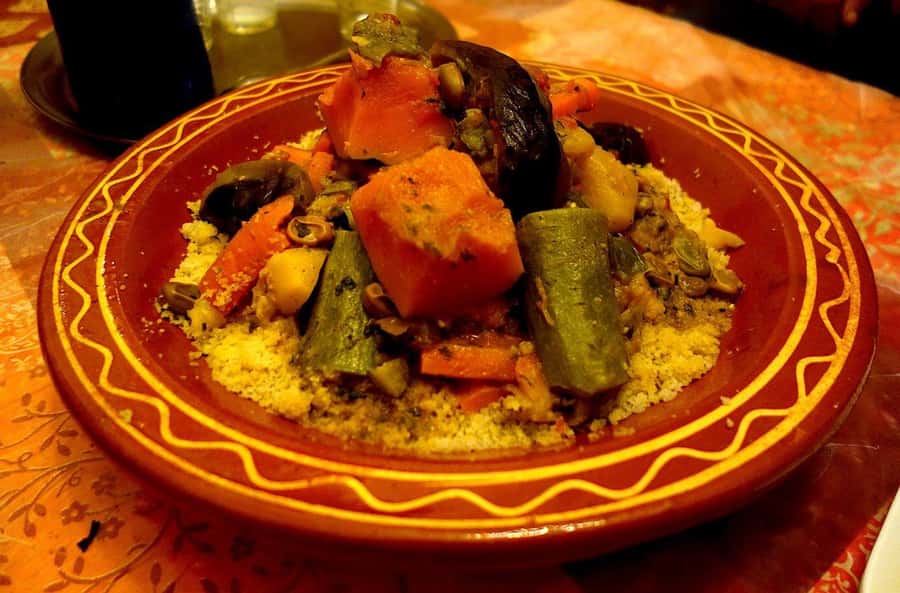
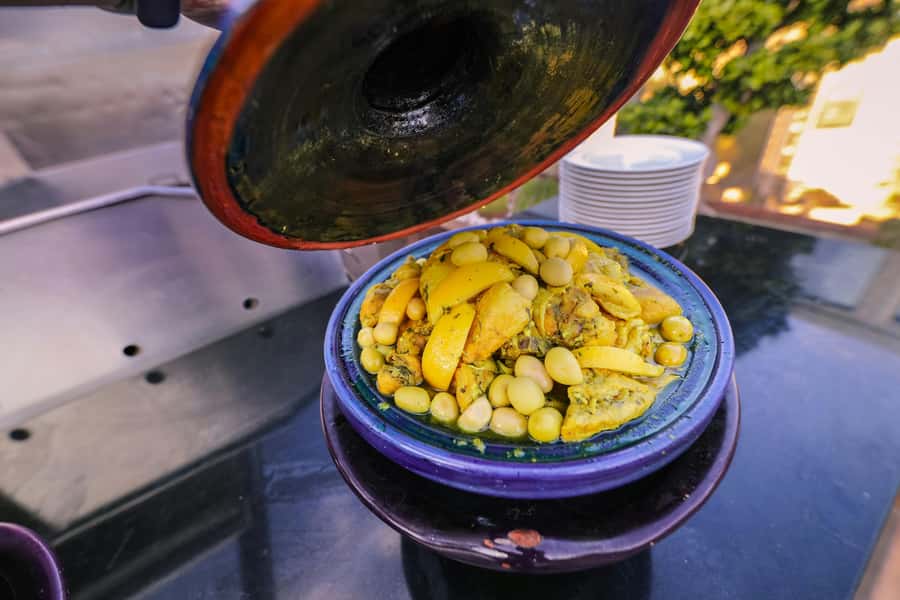
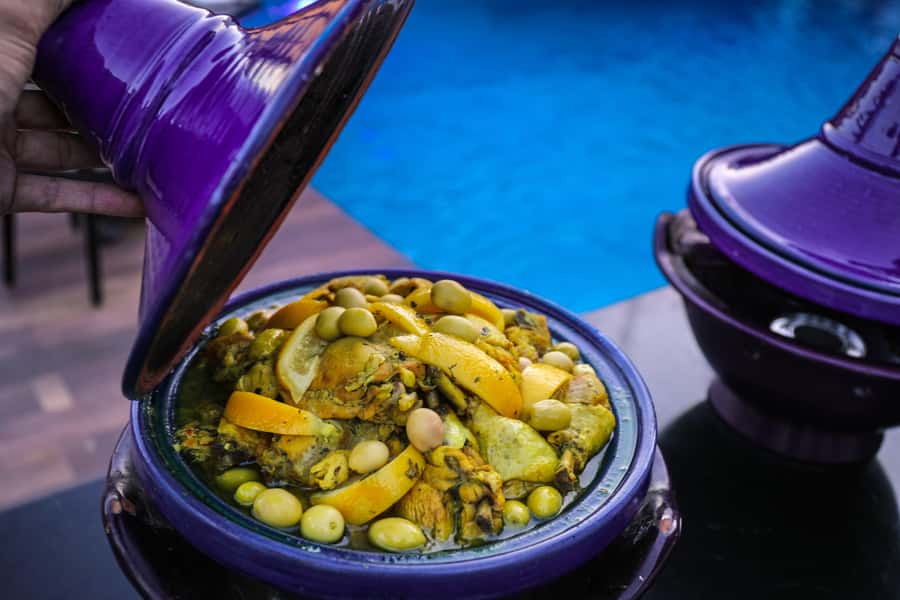
Past participants have prepared chicken, lamb, and fish tagines. Some groups made several different versions and tasted one another’s dishes. The exact menu can change, and the description also allows for other Moroccan dishes such as couscous or pastilla, but tagine is the reliable focus.
The cooking method is simple enough for beginners. You do not need professional knife skills or previous Moroccan cooking experience. Abdou is patient and guides each step, including children. A family with two children found that even a two-year-old could take part for a while, while another group brought two teenagers who joined the preparation and spice lesson.
That said, the class is less about mastering advanced restaurant technique and more about learning a traditional home method. If you already cook Moroccan food often, you may find the basic preparation familiar. The value comes from the setting, explanations, and chance to ask questions.
The choice of tagine can also make the class more personal. One participant selected fish after Abdou sent several options ahead of time. Others chose lamb or chicken. If you have dietary restrictions, tell the host before the class. A group of five was offered separate personal tagines so different dietary needs could be handled.
Tea, pastries, music, and the waiting time
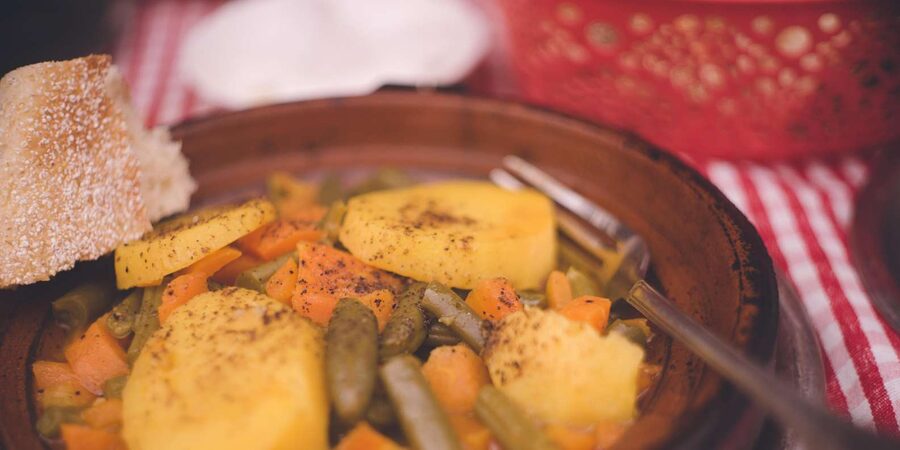
Tagines need time to cook, which could create a dull gap in a less thoughtful class. Here, the pause becomes part of the experience.
While the food cooks, Abdou serves mint tea and Moroccan pastries. One group sampled sweets made by his sister, including several pastries they had not encountered elsewhere in Morocco. You may also learn the proper way to pour tea from a height, a small performance that is both practical and entertaining.
Music often adds to the room. Sessions have included traditional instruments, singing, Arabic music, and even a chance to try the instruments yourself. Abdou has sung for the group, and some evenings have turned into an informal music session while the tagines simmer.
This is where the class moves beyond a standard cooking lesson. You are not just waiting for food. You are sharing conversation, learning a few Arabic expressions, and seeing how food, tea, music, and hospitality fit together.
The tradeoff is that the pace can be loose. If you prefer a precise schedule with every minute planned, the singing and conversation may feel like a detour. I think that relaxed timing suits Essaouira, but it is worth knowing what you are booking.
Same city gate, a very different afternoon:
- 3 hours ride on camel at sunset
★ 5.0 · 326 reviews - Essaouira Sand Dunes: Half Day Quad Bike Tour
★ 5.0 · 313 reviews - Essaouira Activities: Discover Essaouira by Quad
★ 5.0 · 274 reviews - From Essaouira: 1-Hour Horse Ride
★ 4.9 · 243 reviews
Sitting down to eat what you prepared
The final meal is generous. You sit around a communal table and eat the tagines you helped make, often sharing different flavors with the rest of the group.
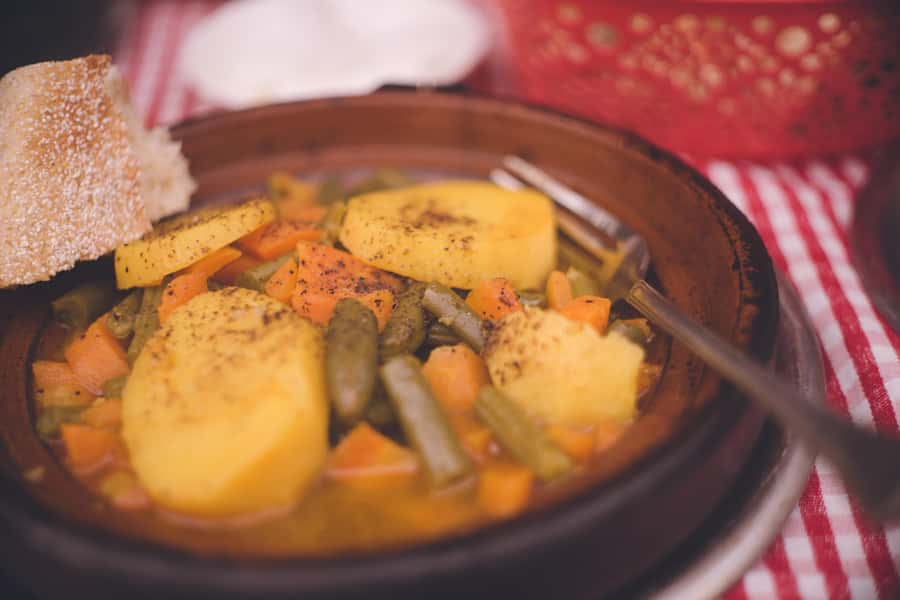
The food itself gets consistently strong praise. Participants describe the tagines as delicious, full of flavor, and among the best meals of their Morocco visits. Portions are large enough that one person said there was enough food to stay full for the rest of the day.
There is also a psychological advantage to cooking the meal yourself. The dish tastes better because you understand every layer, from the spice mixture to the arrangement of vegetables and meat. You can identify what worked and later repeat it at home.
Leftovers may be packed for you. One person received a takeaway container, and another group had boxes available when there was too much food to finish. This is useful because a tagine meal can be substantial, especially after tea and pastries.
The communal meal also makes this a good choice for solo visitors. You have an easy way to meet other people without the forced feel of a formal group tour. Couples and families can take part together, and children can help with suitable tasks under supervision.
How authentic is the experience?
The word authentic gets used too easily in tourism. Here, the strongest case for it is the ordinary setting and the direct contact with a local host. You cook in Abdou’s home, use familiar household methods, eat together, and discuss Moroccan life as part of the meal.
It is not a staged folklore show. The music and singing can be spontaneous, and the class has the feel of friends gathering in a kitchen. That informality is exactly why many people rate it so highly.
Still, you should keep expectations sensible. You are not joining a Moroccan family’s private dinner without any tourist structure. This is a paid activity designed for visitors, and the host has built a welcoming format around cooking. That does not make it false. It simply means you get a guided cultural exchange rather than an unplanned invitation.
The connection with Essaouira also adds value. Abdou can share ideas for restaurants and help you understand local food beyond the class. Several people took the class early in their stay because his suggestions helped shape the rest of their time in town.
Is $45 good value for three hours?
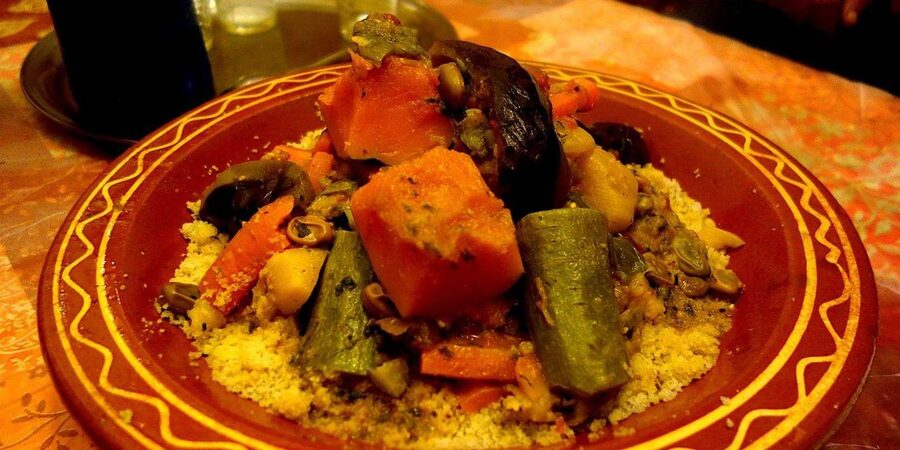
At $45, the price is reasonable if you value a full activity rather than just a recipe lesson.
The fee covers the chef, ingredients, utensils, mint tea, pastries, spice instruction, hands-on preparation, and the meal at the end. You are also paying for a small group, a home setting, cultural conversation, and guidance that can continue into the rest of your Essaouira visit.
A restaurant meal might cost less, especially if you choose a simple local dish. But it would not give you the cooking practice, the market or spice advice, the recipes, or the time with Abdou. A formal cooking school could charge more while offering a less personal setting.
The value is strongest for people who will use what they learn. Recipes are provided afterward in some sessions, and the skills transfer well to a home kitchen. If you have no interest in cooking and only want to eat, a good local restaurant may be better value.
The extra help with buying spices or a tagine pot can improve the deal, but do not count on those extras as part of the fixed package. The core value is the class, the meal, and the time with the host.
Timing, language, and practical details
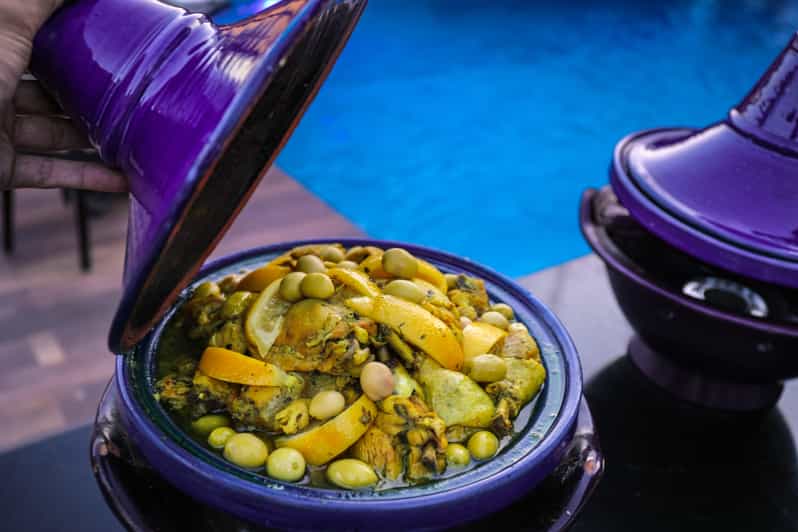
The activity lasts three hours, with starting times based on availability. It can work as a morning class or an evening meal, depending on the schedule you choose.
The meeting arrangement may include walking from the Medina, a taxi to Abdou’s home, or shopping for ingredients first. One person found the house about 15 minutes from the Medina on foot. Because arrangements can vary, confirm the meeting point and allow a little flexibility.
English and French are the stated teaching languages. Abdou’s English has been described as excellent, and he is comfortable explaining both cooking steps and cultural details.
The group limit is 10 people. Smaller groups will usually feel more personal and give you more time with the cutting board, spices, and host. A full group should still be manageable, but you may spend more time watching another person complete a step.
Cancellation is free up to 24 hours before the activity for a full refund. You can also reserve now and pay later, which helps if your Essaouira plans are still shifting.
Who should book this Essaouira cooking class?
I would choose this class if you want to meet a local person, not just collect photographs and eat a finished dish. It suits first-time Moroccan cooks, curious food lovers, couples, solo visitors, families, and groups of friends.
It is especially useful early in a stay. You get restaurant suggestions, spice knowledge, a little Arabic, and a better sense of how Moroccan meals are put together.
Families should find it workable, since children have taken part successfully. Still, the class involves knives, hot cooking equipment, and a home kitchen, so adults need to keep an eye on young children.
You may want a different activity if you need a highly formal lesson, a fixed menu, or advanced culinary training. The class is social, flexible, and sometimes musical. That is its charm, but it is not a silent technical workshop.
Should you book it?
Yes, if the idea of cooking in a local home sounds better than sitting in a large classroom. Abdou’s patience, humor, language skills, and willingness to help with spices and tagine shopping give this class value beyond the meal.
Book it early in your Essaouira stay if you want local food tips. Tell the host about dietary restrictions and your preferred tagine ahead of time, and ask about the market portion if freshly slaughtered meat would be uncomfortable.
At $45, this is a strong choice for a personal Moroccan food experience. You leave full, carrying recipes and new cooking skills, and perhaps a tagine pot or spice blend for the kitchen back home.
FAQ
How long does the cooking class last?
The class lasts three hours.
How much does the experience cost?
The price is $45 per person.
Where does the class take place?
The cooking class takes place in a charming local Moroccan house in Essaouira. Some sessions also include shopping for ingredients at a local market.
Which languages does the instructor speak?
The stated teaching languages are English and French. Abdou also teaches a few Arabic expressions, and he has used words from several other languages to welcome participants.
What food will I prepare?
Tagine is the main focus. Depending on the session, you may choose chicken, lamb, fish, or another tagine style. The experience may also include dishes such as couscous or pastilla.
Is cancellation allowed?
Yes. You can cancel up to 24 hours in advance for a full refund. You can also reserve now and pay later.
Just listed around Essaouira
- Private Kitesurf Lesson in Essaouira Morocco★ 5.0 · 38 reviews
- How To Be A Real Moroccan Chef★ 5.0 · 101 reviews
- Group Kitesurfing lesson with a Local in Essaouira Morocco★ 5.0 · 175 reviews
- Surf Lesson with local surfer in Essaouira Morocco★ 5.0 · 166 reviews
- Surf Rental★ 5.0 · 31 reviews
- Individual Lessons of Kite Surf in Essaouira★ 5.0 · 113 reviews
- Essaouira: Private Transfer from or to Essaouira Airport★ 5.0 · 17 reviews
- The Sunday Market in Had Draa & Local Food Tasting.★ 5.0 · 33 reviews
Essaouira Tours, compared.


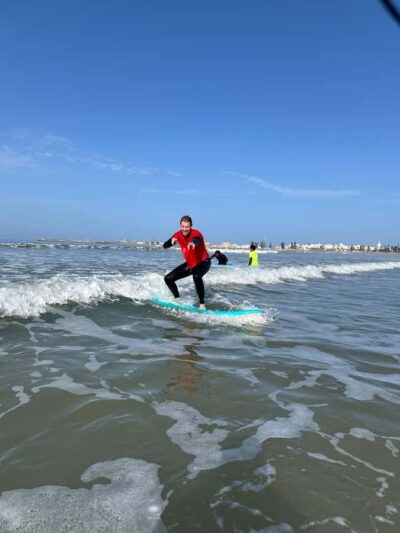


Essaouira Activities: Discover Essaouira by Quad
Read our review →

Browse the lists this tour appears in