
Reviewed · SAHARA DESERT TOURS
From Marrakech: 3-Day Merzouga and Sahara Desert Tour
The desert is worth the long road.
This three-day journey from Marrakech packs Morocco’s mountain roads, old kasbahs, narrow gorges, and Sahara dunes into one fast-moving trip. I especially like the sunset camel ride into Erg Chebbi and the chance to sleep in a Berber desert camp rather than simply visit the dunes for an hour. The tour also includes air-conditioned transport, two nights of accommodation, breakfasts, dinners, camel rides or a 4×4 transfer, sandboarding, and luggage service.
The main tradeoff is the distance. You spend many hours in the vehicle, and the schedule is full. The first-night hotel and some meals may be more practical than polished, and lunch and drinks cost extra. Still, at about $134 per person, this is an unusually full package for a three-day Morocco trip.
In This Review
- The five details that matter most
- What you get for $134
- Day one: crossing the Atlas Mountains
- Ait Ben Haddou: Morocco’s famous fortified village
- Ouarzazate and the first night near the Dades Valley
- Day two: Todra Gorges and the road to the dunes
- Camel riding, sandboarding, and sunset at Erg Chebbi
- Night in the Berber camp
- Sunrise over the dunes and the long return
- Guides, drivers, and group atmosphere
- What to pack and what to budget
- Should you book this Marrakech desert tour?
- FAQ
- How long is the Marrakech to Merzouga tour?
- Is hotel pickup included?
- What languages are available?
- Is Ait Ben Haddou entry or a local guide included?
- Are meals included?
- Can I bring a large suitcase?
- Are camel rides included?
- Do the desert tents have heating?
- Is sandboarding included?
The five details that matter most
- The drive is long but broken up: Stops at Ait Ben Haddou, Ouarzazate, Todra Gorges, villages, viewpoints, and rest areas keep the road from becoming one endless ride.
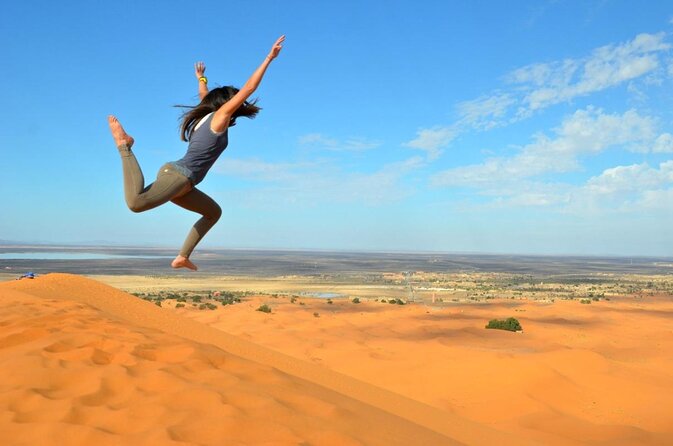
- The desert portion is the star: Sunset on camelback, an evening of Berber music, a night in camp, and sunrise over Erg Chebbi give you the moments you came for.
- You need a small overnight bag: Large suitcases remain in the vehicle because camels cannot carry them into the dunes.
- Camp choice matters in winter: Standard tents have warm blankets but no heating. Luxury tents have heating, which matters when desert temperatures fall to about 0°C to 5°C from November through February.
- Your guide can shape the trip: Guides such as Ayoub, Hanan, Hakim, Rachid, Abdel, Hesham, and Adil Dmia received especially warm praise for safety, humor, organization, and help with different languages.
- Bring cash and extra water: Lunches cost roughly €10 to €13 each, drinks and tips are extra, and ATMs are not available in the desert.
What you get for $134
The price looks low for three days of driving across Morocco, but check what it actually covers. You receive pickup and drop-off at your Marrakech hotel or riad, an air-conditioned vehicle, a driver-guide, onboard Wi-Fi, one hotel night, one desert-camp night, breakfasts, dinners, camel rides or a 4×4 transfer, sandboarding, luggage handling, and Berber drumming and music.
That is a strong bundle. You are not paying separately for the major desert activities or the two evening meals and breakfasts. Several people also found the first hotel better than expected, with one group mentioning a pool and good facilities. The desert accommodation can range from basic to comfortable depending on the option you select, so do not assume every camp offers the same room, bathroom, or heating arrangement.
Lunch is not included. You should budget about €10 to €13 per meal, plus drinks and tips. Food is usually served as a buffet for breakfast and dinner, with vegetarian, vegan, and gluten-free choices available if you tell your driver on the first morning.
The value is best for you if you want Morocco’s major southern sights without arranging several hotels, transfers, and activities yourself. It is less appealing if you prefer slow mornings, long stays in one town, or complete control over where you eat.
More Sahara nights out of Marrakech:
- From Marrakech: Merzouga 3-Day Desert Safari with Food
★ 4.7 · 12,232 reviews - 3 Days Desert Tour From Marrakech To Merzouga Dunes & Camel Trek
★ 5.0 · 10,125 reviews - 3-Day Marrakech to Merzouga Desert Tour: Camel Rides & Overnights
★ 5.0 · 8,734 reviews
Day one: crossing the Atlas Mountains
Pickup begins in Marrakech at your hotel or riad. The exact meeting time and location arrive through WhatsApp and the booking chat between 5:00 PM and 6:00 PM the evening before, so keep your phone working and check your messages.
The road then climbs toward the Atlas Mountains. This is not just a transfer from one tourist site to another. The changing scenery gives you an early look at Morocco beyond Marrakech, with mountain roads, villages, and broad views along the way. Frequent stops help you stretch, buy snacks, use the bathroom, and take photographs.
You will want comfortable closed-toe shoes, sunglasses, a hat, sunscreen, and a jacket. Temperatures can change as the road rises and falls, and a light layer is useful even when Marrakech feels warm.
The vehicle is air-conditioned, and the driving received strong praise for safety and regular breaks. Still, seating can affect your comfort. One person noted that two passengers did not have their own windows, which limited the view. If you are traveling in a shared vehicle, expect the possibility that not every seat will offer the same view.
Ait Ben Haddou: Morocco’s famous fortified village
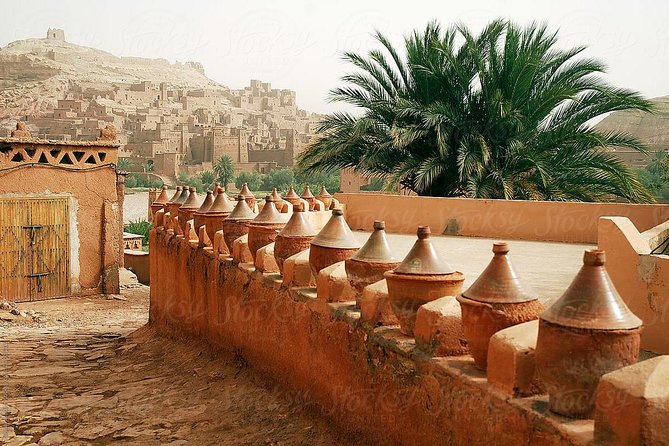
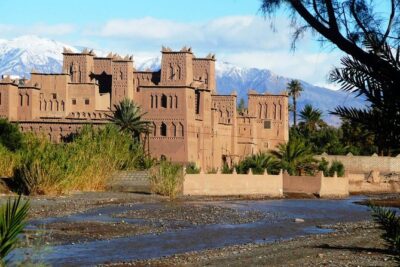
Kasbah Ait Ben Haddou is one of the trip’s strongest cultural stops. This fortified settlement of earthen buildings has been used as a location for many Hollywood films, but its value is not limited to cinema. The lanes, walls, towers, and position beside the old caravan route help you picture how people, goods, and stories once moved across southern Morocco.
The walk can involve uneven ground and steps, so closed-toe shoes are a good idea. You receive time to explore the site, but a local guide is not included in the base price. A guide is available for €2 per person, and I would consider paying it if you want context rather than photographs alone.
This is also a place where the pace matters. You have several major stops in three days, so you should not expect an unhurried historical tour. Take photographs, listen carefully to the local explanation if you hire a guide, and keep enough energy for the drive afterward.
Ouarzazate and the first night near the Dades Valley
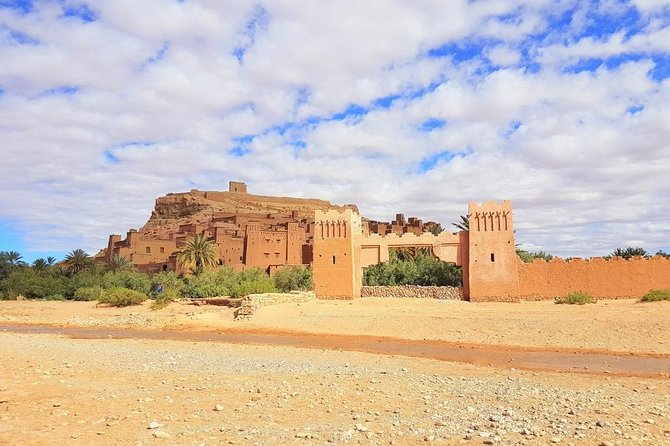
After Ait Ben Haddou, the route continues to Ouarzazate, a major film-making center and another site included in the journey. The town provides a useful change of pace after the kasbah. You will see more of the region’s film connection and have another chance to understand how southern Morocco has become a backdrop for large productions.
The first overnight is in the Kelaat Mgouna to Boumaln Dades area. The accommodation is an air-conditioned room or suite with a private bathroom. That private bathroom is a welcome reset after a full day on the road.
Expect practical comfort rather than a luxury resort every time. Some accommodation may feel old or well used, but the overall standard can be better than the low price suggests. Dinner and breakfast are included, and several people found the food good, though the meals can become repetitive over three days.
A few more Marrakech runs to hold up against each other
- 3-Day Marrakech to Fes Sahara Desert Tour via Merzouga
★ 5.0 · 6,546 reviews - Marrakech: 3-Day Merzouga Desert Experience Camel & Meals
★ 4.6 · 6,252 reviews - From Marrakech: Unforgettable 3-Day Desert Tour to Fes
★ 4.9 · 2,614 reviews - 3-Day Tour to Merzouga Erg Chebbi with Food & Camel Trek
★ 5.0 · 1,770 reviews
Day two: Todra Gorges and the road to the dunes
The second day brings you to Todra Gorges, one of Morocco’s most dramatic natural sights. The rock walls close around the route and create a sharp contrast with the open desert ahead. It is a worthwhile stop even if you are mainly booking this trip for the Sahara.
The drive continues toward Merzouga and Erg Chebbi. This is the day when you need patience. The route covers a lot of ground, but the schedule is broken into photo stops, rest breaks, snacks, and meals. Guides and drivers praised for this trip often checked on air-conditioning, comfort, and timing, which makes a real difference during a long road day.
I like the way this section links several parts of Morocco instead of treating the desert as an isolated attraction. You see mountains, kasbah country, rock formations, villages, and finally the dunes. The cost of that variety is time spent in the vehicle, so I would bring a book, headphones, water, and a small snack.
Camel riding, sandboarding, and sunset at Erg Chebbi
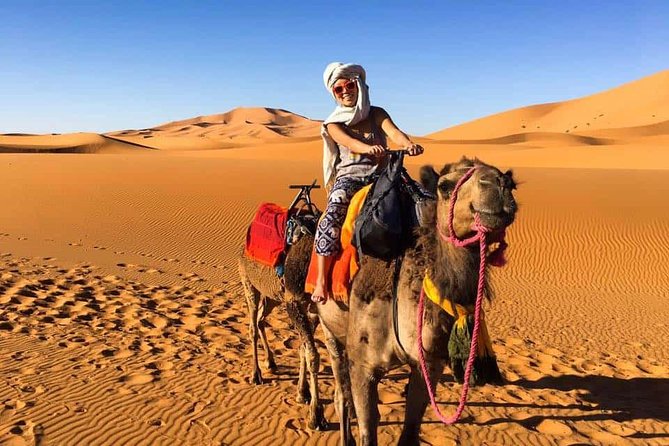
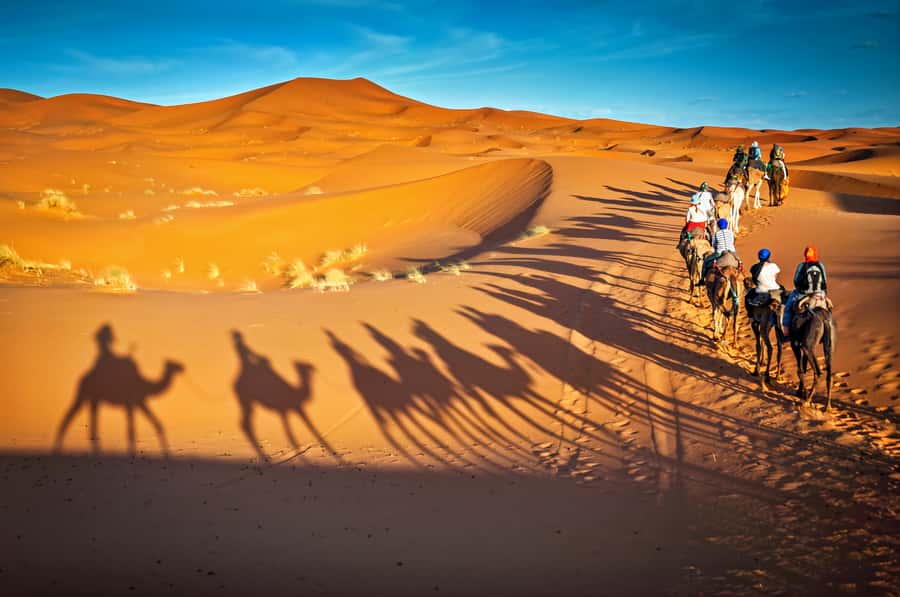
The arrival at Erg Chebbi brings the payoff. You can ride camels toward the dunes and watch the sunset from the Sahara, with sandboarding available as part of the activity. Sandboarding depends on conditions and availability, so treat it as an included possibility rather than a guaranteed highlight.
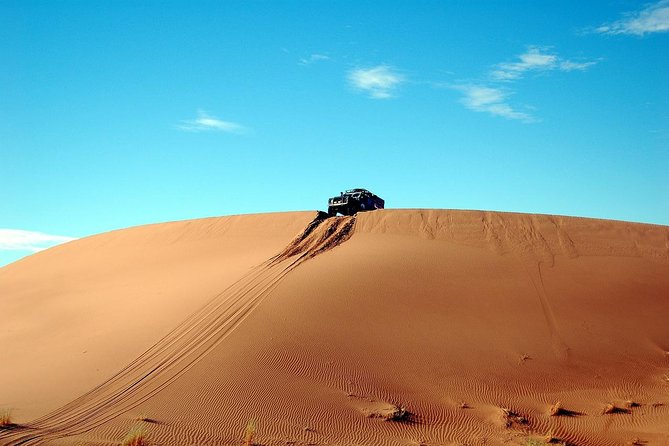
Camel riding is memorable, but it is also a physical activity. Getting on and off can be awkward, and sitting on a camel for a while may not suit everyone. If you would rather avoid the ride, the package includes a camel option or 4×4 transfer, depending on the arrangement you choose.
Some people preferred quad bikes or ATVs for the desert transfer and sunrise outing. These are not listed among the included activities, so you should treat them as an optional extra and confirm the cost before agreeing. One quoted example was €50 for two people sharing one quad bike.
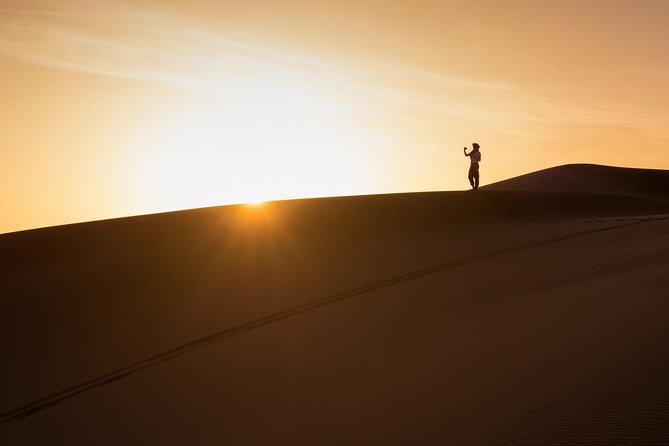
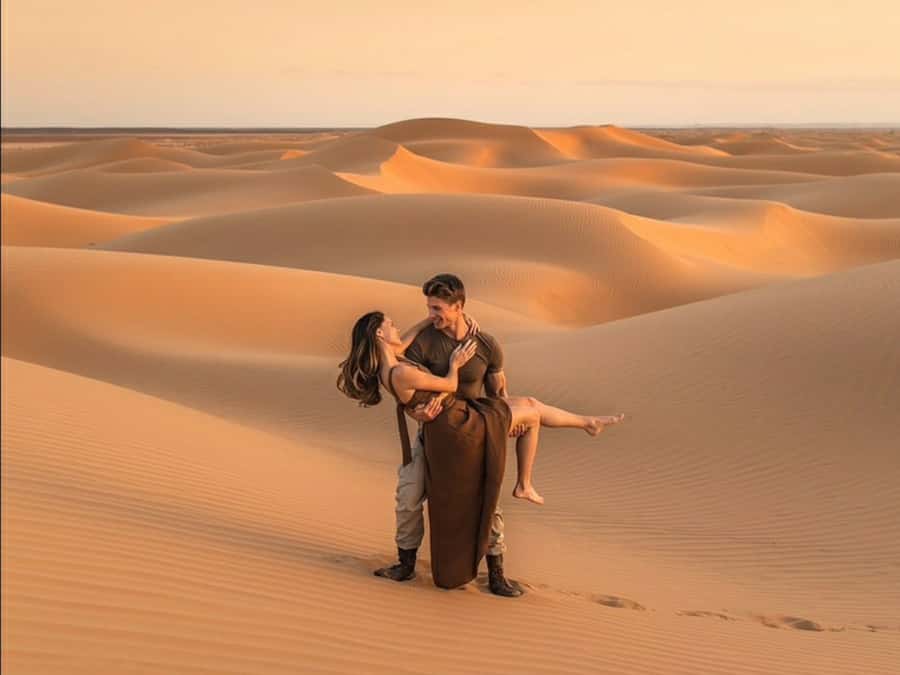
The sunset is the part I would protect most carefully. The dunes change color as the light drops, and the open space gives you a clear sense of how far you have come from Marrakech. Bring your camera, but do not spend the whole sunset looking through it.
Night in the Berber camp
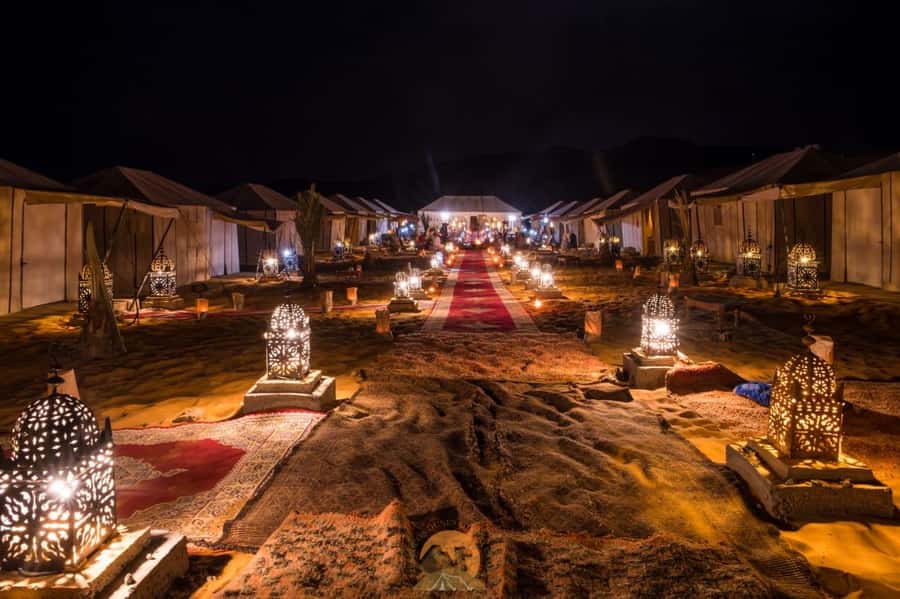
After sunset, you continue to your selected camp in Erg Chebbi. The evening includes Berber drumming and music, dinner, and time beneath the stars. This is the closest the tour comes to a quiet, traditional desert evening, although the camp is still a planned tourist stop rather than a remote expedition.
Camp standards vary by option. Standard tents do not have heating from November through February, but warm blankets are provided. Luxury tents have heating, and they may be worth the extra cost for anyone sensitive to cold. Desert nights can drop to 0°C to 5°C in winter, even after a warm afternoon.
Water is not supplied at the camp according to the practical information for the trip. Carry extra water from an earlier stop. You should also bring a jacket, warm sleepwear, a small toiletry kit, and a power bank if you need one. Pack these in a small backpack because your large suitcase stays locked in the vehicle.
The social side can be part of the fun. Shared meals, music, and a mixed group can turn strangers into dinner companions. If you want total privacy, choose a private group if available and select the camp category carefully.
Sunrise over the dunes and the long return
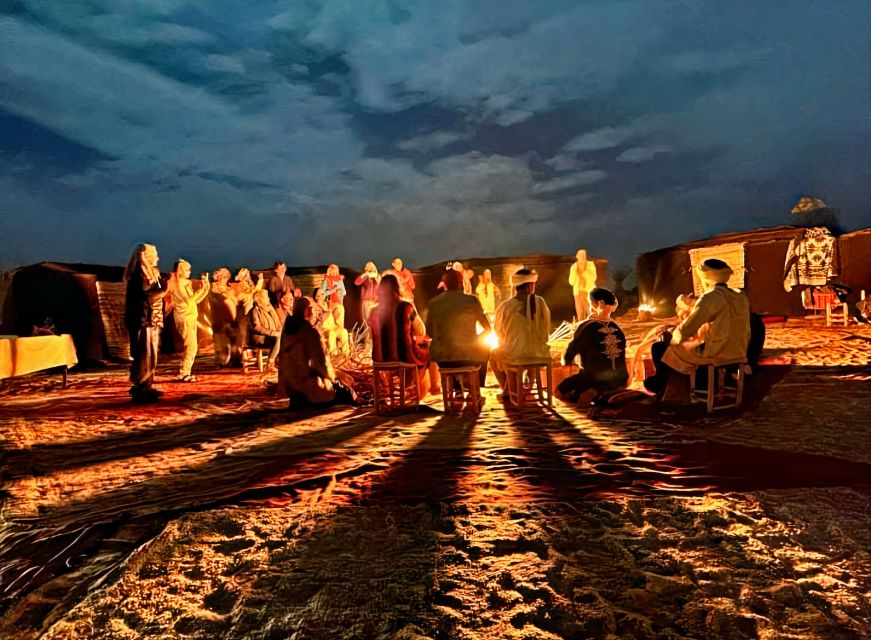
You rise early on the third day for sunrise over Erg Chebbi. This is one of the best reasons to accept the early start. The dunes look different in the cool morning light, and the silence gives the desert a calmer character than the busy arrival period.
You then ride a camel back to the village, or use the available transfer option. Some people chose quad bikes for the morning and especially liked the speed and extra excitement. If you choose an ATV, bring gloves or another warm layer in colder months because the morning air can be chilly.
After breakfast, you begin the return to Marrakech. The final day is largely about the road, with stops for food, bathrooms, refreshments, and stretching. You should expect to arrive tired. This is not a relaxed final morning followed by a short transfer. It is the price of reaching Merzouga and returning to Marrakech in only three days.
The regular stops help, and the drivers are often praised for keeping the trip on schedule. Still, if you have a tight flight or important booking in Marrakech, leave plenty of extra time rather than planning a connection immediately after drop-off.
Guides, drivers, and group atmosphere
The human side of this trip matters. A good guide makes the long drives easier and explains what you are seeing. Ayoub was praised for clear updates, enthusiasm, and timing. Hanan was noted for kindness and care with mixed-language groups. Rachid received repeated praise for humor, organization, and answering questions, while Hakim was valued for energy, language skills, and keeping the group moving.
Other highly praised guides and drivers included Abdel, Hesham, Adil Dmia, Dozi, Amodo, Mustafa, Boubaker, Walid, Haadi, and Nour. Names may vary by departure, so you should not book on the assumption that one particular person will lead your trip.
The language options are Arabic, French, English, and Spanish. One useful sign of good service is how the guide handles a mixed group. Clear explanations and translations can keep everyone informed when several nationalities are sharing one vehicle.
Families can manage this trip. Parents traveling with children aged 6, 10, and 13 reported that the stops helped break up the long drives. Even so, you should be honest about your family’s tolerance for road time, early mornings, heat, and camel riding.
What to pack and what to budget
Keep your main luggage in the vehicle and prepare a small desert bag with:
- Warm layers, especially from November through February
- Comfortable closed-toe shoes
- Sunglasses, a hat, and sunscreen
- Breathable clothing for the daytime
- A camera and phone charger
- Cash in Moroccan dirhams or euros
- Passport or an accepted copy
- Extra drinking water
Bring cash for lunches, drinks, and tips. There are no ATMs in the desert. You do not need to email dietary requirements in advance, but tell your driver on the first morning if you need vegetarian, vegan, or gluten-free food.
The tour offers free cancellation up to 24 hours before departure and a reserve-now, pay-later option. Those terms are useful if your Marrakech plans may shift, but you should still confirm the exact departure time once it arrives by WhatsApp.
Should you book this Marrakech desert tour?
I would book it if you want a lot of Morocco in a short period and the Sahara is your main goal. The best parts are substantial: Ait Ben Haddou, Todra Gorges, sunset and sunrise at Erg Chebbi, a desert night, meals, transport, and activities for about $134.
I would hesitate if you dislike long drives, shared vehicles, basic accommodation, or fixed schedules. In that case, spend more days on the route or stay closer to the desert.
For most first-time visitors with limited time, this is a strong-value choice. Pack lightly, carry cash and water, choose your camp level with care, and accept that the road is part of the adventure. The desert is the reward, but Morocco between Marrakech and Merzouga is what makes the journey worth taking.
FAQ
How long is the Marrakech to Merzouga tour?
The tour lasts three days and includes pickup in Marrakech, the journey to Merzouga, one hotel night, one night at a desert camp, and return drop-off in Marrakech.
Is hotel pickup included?
Yes. Pickup and drop-off at your hotel or riad are included. The exact time and location are sent through WhatsApp and the booking chat the evening before.
What languages are available?
The tour guide service is available in Arabic, French, English, and Spanish.
Is Ait Ben Haddou entry or a local guide included?
A local guide at Kasbah Ait Ben Haddou is not included in the base package. A guide is available for €2 per person.
Are meals included?
Breakfasts and dinners are included. Lunches and drinks are not included, and lunches cost about €10 to €13 each. Vegetarian, vegan, and gluten-free meals are available if you tell your driver on the first morning.
Can I bring a large suitcase?
Yes, but large suitcases remain securely in the vehicle during the desert portion. Pack a small backpack for the overnight camp because camels cannot carry large luggage.
Are camel rides included?
Yes. Camel rides or a 4×4 transfer are included, depending on the option selected. The itinerary includes a camel ride at sunset and another ride at sunrise.
Do the desert tents have heating?
Standard tents do not have heating from November through February, though warm blankets are provided. Luxury tents have heating. Winter desert temperatures can fall to about 0°C to 5°C at night.
Is sandboarding included?
Yes, sandboarding is included, subject to availability. Extra activities such as quad biking are not listed as included, so confirm the price before booking them.
Just listed around Marrakech
- 3 Days To Merzouga Desert★ 5.0 · 19 reviews
- 3 Days Shared Sahara Desert Tour From Marrakech★ 5.0 · 78 reviews
- 3 Days Sahara Tour from Marrakech to Merzouga Dunes★ 5.0 · 29 reviews
- 1 night Camel Treking in Merzouga Desert Luxury Camp★ 5.0 · 132 reviews
- 3 Days Sahara Desert Trips From Marrakesh★ 5.0 · 176 reviews
- trip of your dreams in 3 days and 2 nights in the desert★ 5.0 · 36 reviews
- 3 Days Private Tour to Merzouga Desert from Marrakech★ 5.0 · 77 reviews
- 3 Day Sahara Desert Tour From Marrakech★ 5.0 · 49 reviews
Sahara Desert Tours, compared.
3 Days Desert Tour From Marrakech To Merzouga Dunes & Camel Trek
Read our review →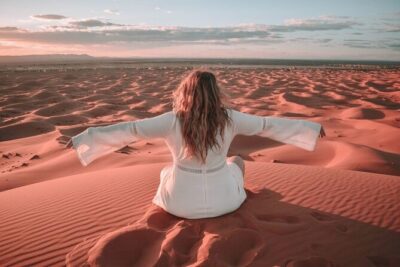
3-Day Marrakech to Merzouga Desert Tour: Camel Rides & Overnights
Read our review →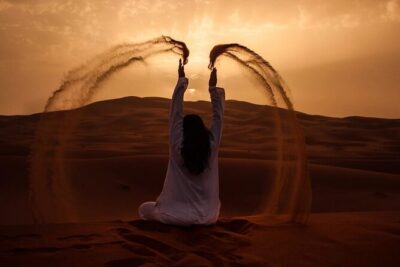
3-Day Marrakech to Fes Sahara Desert Tour via Merzouga
Read our review →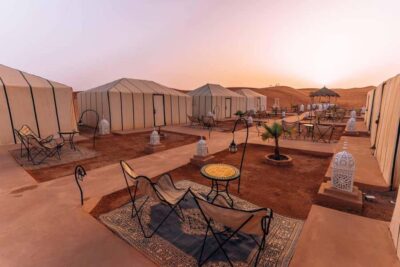
3-Day Merzouga Desert Experience Camel & Meals
Read our review →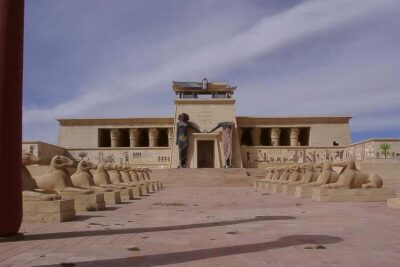
3-Day Tour to Merzouga Erg Chebbi with Food & Camel Trek
Read our review →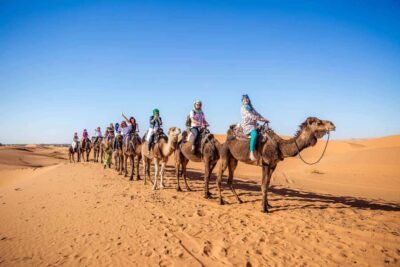
Sahara Desert 2-Day Tour with Merzouga Camp Stay
Read our review →Browse the lists this tour appears in