
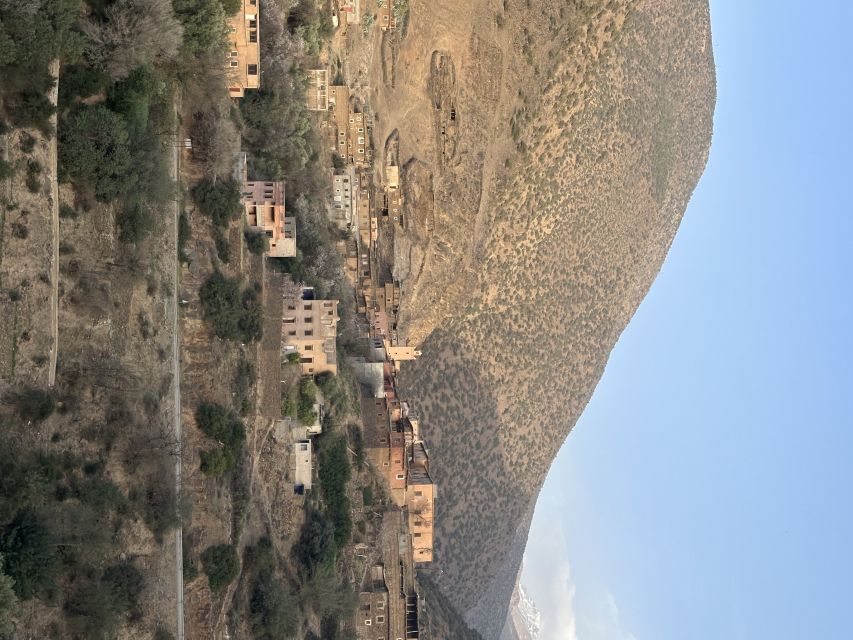
Reviewed · ATLAS MOUNTAINS TOURS
From Marrakech: Atlas Mountains 4-Day Hike with Hotels
Four days, three valleys, and plenty of mint tea. This Atlas Mountains trek gives you a close look at rural Morocco, with walks through Berber villages, terraced fields, walnut groves, river valleys, and high passes rather than a quick mountain day trip. I like the steady mix of scenery and culture, especially the chance to sleep in remote village guesthouses and learn about Amazigh life from a local guide.
I also like that a mule carries your luggage and cooking supplies, leaving you with a lighter daypack. Guides such as Mostafa, Houssain, Mohamed Bewajamor, Kamal, and Ibrahim have earned praise for their care and local insight. The main caution is simple: this is a real four-day hike, not a gentle sightseeing walk. The daily routes last about five hours, include repeated climbs and descents, and can become slippery on loose rock.
In This Review
- Key points to know before booking
- What this Atlas trek is really like
- Day 1: Marrakech, Imlil, and the Imnane Valley
- Day 2: Following the Imnane Valley to Imi Oughlad
- Day 3: The red Azzaden Valley and Tizi n’Lbour
- Day 4: Tizi Mezik, juniper forest, and the return to Marrakech
- The food, mule support, and daily rhythm
- How hard is the hiking?
- What to pack for the High Atlas
- The guesthouses and local etiquette
- Price, group size, and overall value
- Who should choose this four-day route?
- Should you book it?
- FAQ
- How long is the Atlas Mountains hike each day?
- What valleys does the trek visit?
- How high does the trek go?
- Where do you sleep?
- Is food included?
- Do I have to carry all my luggage?
- What languages can the guide speak?
- Is the trek suitable for everyone?
Key points to know before booking
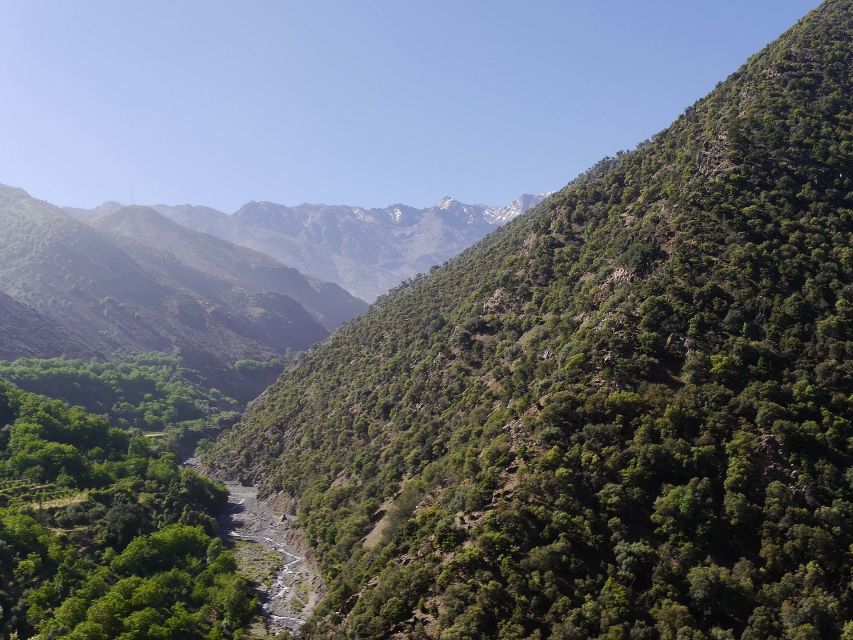
- Three Atlas valleys in four days: You cross the Imnane Valley, the Azzaden Valley, and the trails around Imlil, with changing colors, forests, villages, and passes.
- High points reach about 2,300 to 2,500 meters: The route includes Tizi N’tamater, Tizi n’Lbour, and Tizi Mezik.
- Village stays are part of the experience: You sleep in local guesthouses in Tachdirt, Imi Oughlad, and the Azzaden area, with comfort kept basic.
- A cook and mule support the trek: Meals are prepared along the route or at the guesthouses, while the mule carries luggage and supplies.
- Small groups make the pace more personal: The group is limited to 10 people, and guides can adjust the route to the group’s ability and the weather.
- Good grip matters: Hiking shoes, warm layers, and comfortable clothing are essential, especially in winter or on loose, slippery trails.
What this Atlas trek is really like
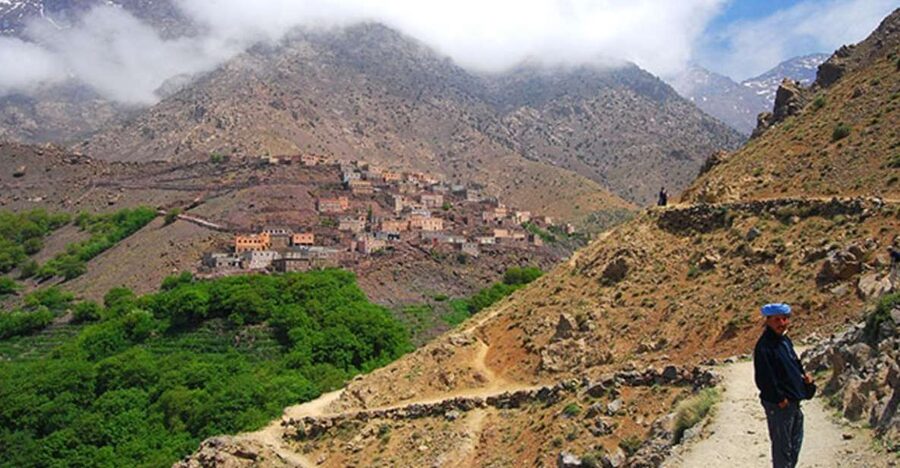
This is a point-to-point walking trip through the High Atlas foothills and valleys near Imlil. You are not aiming for Mount Toubkal, Morocco’s famous high summit, and the route is non-technical. Still, you spend four days climbing passes, dropping into valleys, and walking between communities where farming and herding remain part of everyday life.
The route covers green areas of juniper oak and pine, along with walnut and cherry trees. Depending on the season and weather, the views can shift from green valley floors to dry, red mountain slopes and snowy high ground. One departure covered about 50 kilometers and four passes, though the precise route can change with conditions and group ability.
The cultural side is just as important as the walking. Your guide can explain the Amazigh people, their villages, farming methods, and local customs. Terraced corn and barley fields appear along the valleys, and small hamlets are scattered across slopes that can look almost inaccessible without a guide.
You should expect simple accommodation, shared local meals, and cold evenings. That tradeoff is the point. You are getting a rural mountain experience, not a polished resort stay.
More days up in the Atlas:
- Marrakech: Atlas Mountains, Ourika Valley, Waterfall & Lunch
★ 4.8 · 15,834 reviews - Berber villages : Atlas Mountains Day Hike from Marrakech
★ 5.0 · 14,007 reviews - Marrakesh: Ourika Waterfalls, Atlas Mountains, Guide + Lunch
★ 4.9 · 9,986 reviews
Day 1: Marrakech, Imlil, and the Imnane Valley
The day begins with pickup in Marrakech and a transfer toward the Imlil area. If your riad sits on a narrow lane where a car cannot reach, the operator contacts you by WhatsApp or email to confirm a meeting point. That small detail matters in Marrakech, where a pickup described as hotel pickup may really mean meeting at the nearest accessible road.
In Imlil, the trekking team meets you and the walk begins. The first day takes about five to six hours, heading toward the Imnane Valley and the pass of Tizi N’tamater at roughly 2,300 meters. This is your first proper test of the route, with a sustained climb before lunch.
Lunch is cooked on the spot and served in the mountains. A fresh three-course meal after a morning on foot is one of the pleasures of this trip, and the cook often travels with the mule so the food does not need to be carried in your own pack. Mint tea, sometimes made with wild mint or thyme, is a recurring part of the experience.
After the pass, you follow the trail toward Tachdirt, one of the higher villages in the area, for your first night. The walk is rewarding, but do not underestimate the opening day. You are adjusting to the altitude, the uneven trail, and the rhythm of walking uphill before descending into the village.
The guesthouse is basic, with blankets available. Some departures have been cold at night, especially in winter, so warm clothing is not optional. A lightweight sleeping bag can be useful in colder conditions, though the supplied information does not promise that you will need one on every departure.
Day 2: Following the Imnane Valley to Imi Oughlad
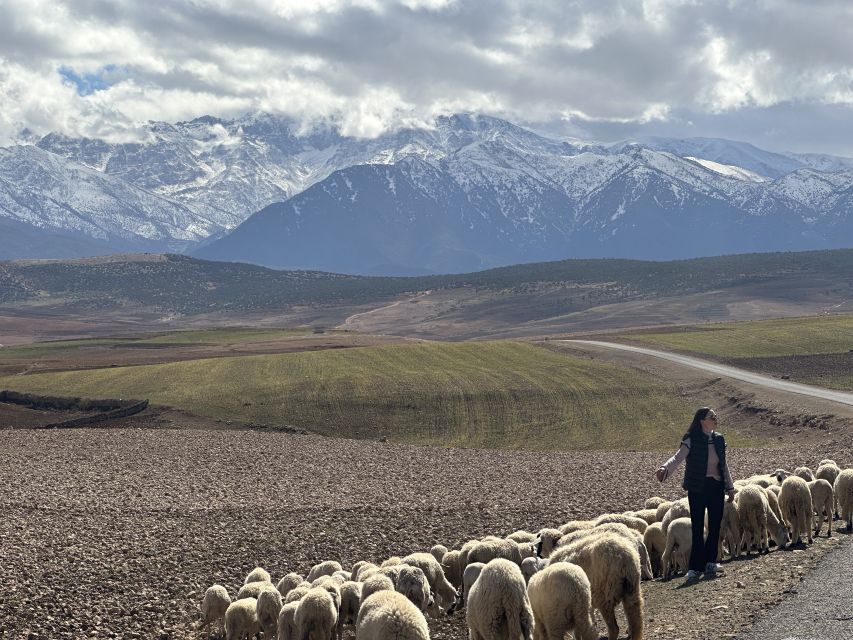
After breakfast, the group continues through the Imnane Valley toward Imi Oughlad. This is another walk of about five hours, with several Berber villages along the way.
The appeal here is the slower view of local life. You pass terraced fields, farm plots, and homes spread through the valley. Your guide can explain what you are seeing and help with communication in villages where English or French may not be spoken.
I would pay attention to the way the route connects the villages. This is not a staged cultural stop with a short presentation. You are walking along old mountain paths used by local communities, and the guide adds meaning to the farms, trails, and buildings around you.
The night is spent in a local guesthouse in Imi Oughlad. You may have the chance to help the cook prepare dinner, which is a pleasant way to make the evening more social and to see how meals are put together in a mountain home.
The accommodation can be rustic. That means you should pack with comfort in mind rather than rely on hotel amenities. One useful tip is to bring your own towel, since towels may not always be available.
Day 3: The red Azzaden Valley and Tizi n’Lbour
Day three takes you into the Azzaden Valley, often described as the red valley because of the warmer colors of its slopes and soil. The change is welcome after the scenery of the Imnane Valley, and it helps keep the four-day route from feeling repetitive.
After breakfast, you walk toward Tizi Oussem, following a trail through an oak park and up toward Tizi n’Lbour pass. Lunch is served outdoors in the mountains. The route takes around five hours, though the exact effort depends on the pace of the group and the conditions underfoot.
This day has a good balance of forest, open mountain views, and rural settlement. The Azzaden Valley feels different from the earlier section, and that variety is one of the strongest reasons to choose four days rather than simply taking a short walk from Imlil.
You spend the night at a local guesthouse in Tizi Oussem. A Berber hammam may be available for an extra €4. You need to tell your guide beforehand if you want to try it, and you should treat it as a simple local experience rather than a full spa treatment.
As with the other nights, expect basic conditions. The reward is the setting and the welcome, not luxury. You are sleeping in a remote village, often with mountain views and a quieter evening than you could find in Marrakech.
A few more Marrakech runs to hold up against each other
- From Marrakech: Ouzoud Waterfalls Guided Hike and Boat Trip
★ 4.7 · 33,630 reviews - 3 Days Desert Tour From Marrakech To Merzouga Dunes & Camel Trek
★ 5.0 · 10,125 reviews - From Marrakech: Atlas Mountains Full-Day Hiking Trip w Lunch
★ 4.8 · 7,417 reviews - Marrakech: Ourika Valley Trip with Waterfall Hike
★ 4.6 · 6,792 reviews
Day 4: Tizi Mezik, juniper forest, and the return to Marrakech
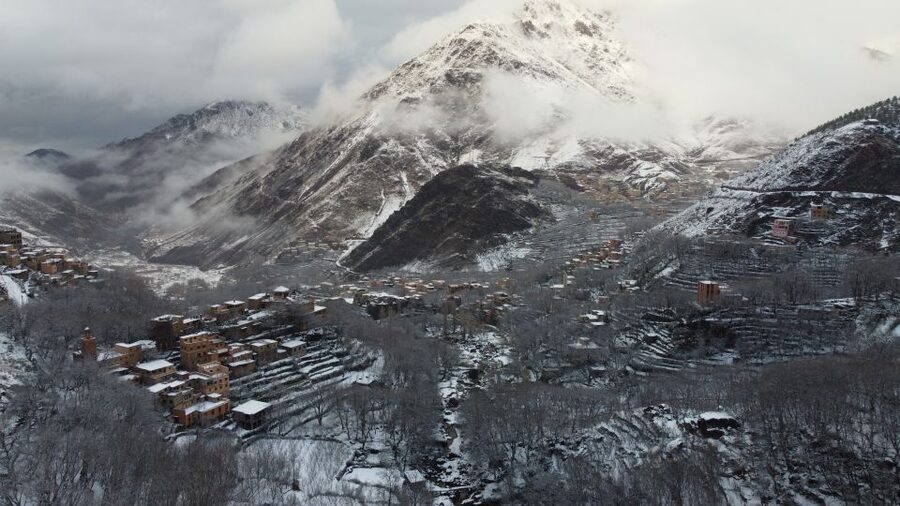
The final day leads back toward Imlil. Parts of the trail are more challenging, with uneven ground and loose stones, but the guide is there to manage the pace and help with route choices.
You walk through a broad juniper forest and may see local people moving with their herds. The route then climbs toward Tizi Mezik at approximately 2,500 meters. Lunch is served at the pass before the final descent toward Imlil.
The last downhill section may be easier for your breathing but harder on your knees. Good footwear with firm grip is more useful here than fashionable walking shoes. Once you reach the endpoint, the vehicle returns you to Marrakech.
The return transfer makes the final day a full mountain day rather than a short morning walk followed by a long wait. Plan to feel tired when you get back. That is part of the deal with a four-day trek.
The food, mule support, and daily rhythm
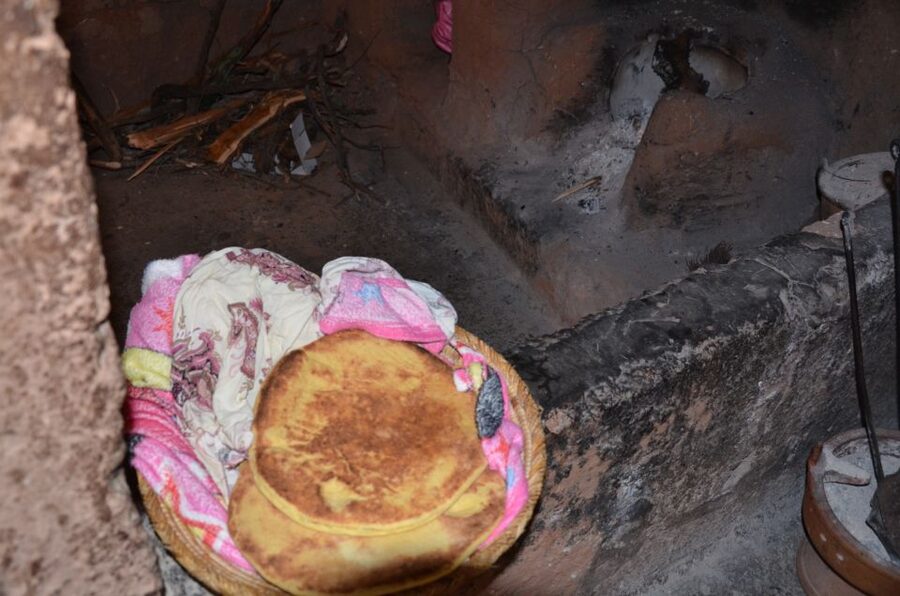
Food is one of the most praised parts of this experience. Meals are freshly prepared, generous, and often served after a demanding stretch of walking. Expect Moroccan-style dishes and plenty of tea, though the exact menu is not specified.
The cook may meet you at lunch spots with food prepared along the route, then serve dinner and breakfast at the guesthouse. The mule carries luggage and cooking supplies, so you do not need to haul every belonging over the passes.
You still need a daypack with personal essentials. Keep your passport, warm layer, water, snacks if you want them, and any medication with you. Confirm in advance how much luggage the mule will carry and what you should keep in your daypack, since one departure had confusion around luggage arrangements.
Guides and cooks are central to the atmosphere. Mostafa has been praised for patience and careful pacing, while Houssain has been noted for his warmth, humor, and explanations of Amazigh culture. Mohamed Bewajamor has been praised for adjusting routes to suit the group, and cooks including Brahim, Ibrahim, Omar, and Muhammad have been singled out for their food and care.
Names can vary by departure, so do not book solely because you expect one specific guide. The important point is that the guide and muleteer team are part of the service, not just people who lead you from one trail marker to another.
How hard is the hiking?
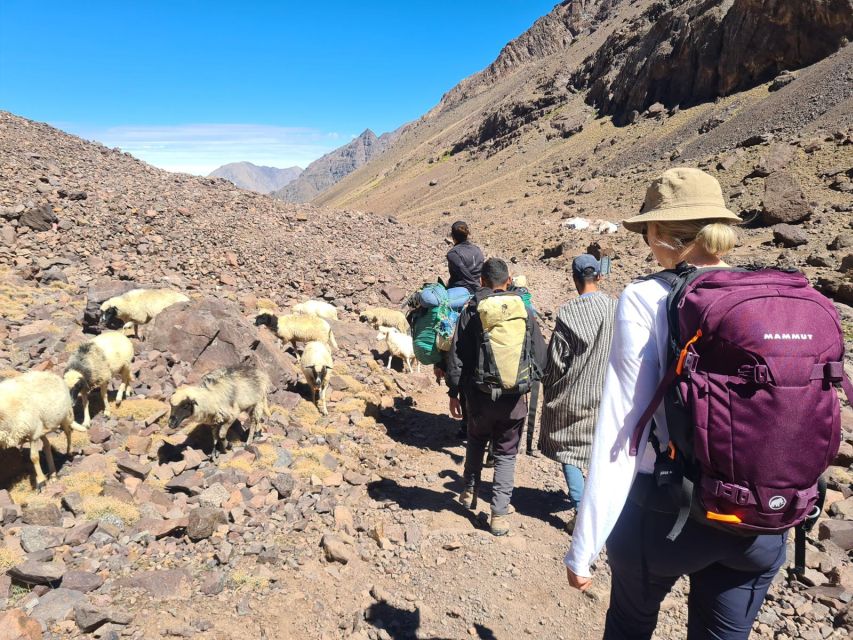
The trek suits people with a reasonable level of fitness. You do not need technical climbing skills, and the route can be adjusted in some cases, but you should be comfortable walking for about five hours per day over uneven mountain paths.
The effort comes from repeated climbs and descents. You may gain a pass, descend into a valley, then climb again the next day. Loose rock can be slippery, and winter conditions can bring snow and very cold nights.
One group with limited trekking experience felt safe because the guide adjusted the pace and offered more or less demanding route options. That does not make the hike effortless. It means the support can help if you arrive prepared and communicate honestly about your ability.
I would not choose this trip if you are very unfit, pregnant, or unable to walk on uneven ground. It is not suitable for wheelchair users. Check the weather before booking, and pack for changing temperatures rather than Marrakech’s daytime warmth.
What to pack for the High Atlas
The operator asks you to bring a passport, comfortable clothing, hiking shoes, warm clothes, and walking shoes. In practice, your footwear deserves the most attention.
Pack shoes with good grip, especially if the trail is wet, snowy, or covered with loose stones. Bring warm layers for the evenings and early mornings, plus enough personal clothing for four days in simple guesthouses.
A towel is worth packing because it may not be provided. A lightweight sleeping bag can help during winter departures, when blankets may not be enough for every person’s preferred comfort level.
You should also bring personal toiletries and any snacks you want between meals. These additions are practical suggestions, while the included service covers the main meals and accommodation.
The guesthouses and local etiquette
The guesthouses are part of the attraction, but you need the right expectations. They range from rustic to more comfortable, and some sit in remote villages where supplies and facilities are limited.
You may sleep under several blankets, share simple facilities, and find that a towel is not always supplied. The rooms are valued for their views and local setting, not for polished hotel service.
Dress with respect in the villages. Clothing that covers your knees and shoulders is a sensible choice, particularly when walking through small communities. Your guide can help you understand local customs and smooth communication when needed.
The reward is genuine contact with village life. You are not simply looking at the mountains from a vehicle. You are eating, sleeping, and walking in places where farming and herding still shape the day.
Price, group size, and overall value
At $176 per person, the price is strong for four days of guided walking with hotel pickup and drop-off, accommodation, all meals, a local guide, driver or guide service, and mule support.
The value becomes clearer when you add up what would otherwise require separate planning. You would need to arrange transport from Marrakech, trail navigation, village accommodation, meals, and a way to move extra luggage. Here, those pieces are combined into one trip.
The group is limited to 10 people. That is small enough for questions and personal attention, while still allowing the cost to remain moderate. In quieter periods, the group may be much smaller, and one departure had only two participants with a private guide.
There are extra costs and possible misunderstandings to avoid. Mountain gear is not included, tips are not included, and the hammam costs €4. Clarify the luggage arrangement and any final hotel-night charges before setting out.
Free cancellation up to 24 hours before the activity and reserve-now, pay-later booking add useful flexibility. Still, weather deserves more attention than the booking terms. A mountain route can change when conditions do.
Who should choose this four-day route?
I would recommend it to families with older children or teenagers who already enjoy active days, couples seeking rural Morocco, and hikers who want an introduction to the Atlas Mountains without technical climbing.
It also suits you if culture matters as much as scenery. The guide’s explanations, village stays, local meals, and contact with farming communities give the trek more substance than a simple mountain walk.
The four-day length is useful if you want changing scenery and a slower pace. You sleep in a different village each night, cross several passes, and get time to settle into the walking rhythm.
I would choose a shorter trip if you have limited fitness, dislike basic accommodation, or prefer to return to Marrakech each evening. I would also think twice if your main goal is a major summit, since this route does not center on Toubkal.
Arabic, English, and French guiding is available. The small group format helps, but you should still tell the guide about your fitness and any concerns at the start.
Should you book it?
Book this trek if you want mountain scenery with real village life, and you can accept simple guesthouses, cold nights, and five-hour walking days. The strongest reasons to go are the variety of the three valleys, the capable local support team, the fresh meals, and the chance to walk routes that are difficult to follow alone.
Skip it if you want a soft adventure with hotel comfort or a fixed, effortless schedule. The itinerary can change with snow, weather, and group needs, and one departure had communication problems around route changes and luggage.
For prepared hikers and active families, the $176 price offers a lot: four days on foot, meals, accommodation, transfers, and a mule to carry the heavy load. Bring shoes with grip, warm layers, a towel, and a flexible attitude, and the Atlas Mountains should reward you with views, quiet trails, and a far better sense of rural Morocco than a quick excursion can provide.
FAQ
How long is the Atlas Mountains hike each day?
The stated walking time is about five to six hours on the first day and about five hours on the remaining days. Actual timing can vary with the group, route, and weather.
What valleys does the trek visit?
The route includes the Imnane Valley, the Azzaden Valley, and the mountain trails around Imlil. The Azzaden Valley is known on this route as the red valley because of its different colors.
How high does the trek go?
The route reaches Tizi N’tamater at about 2,300 meters and Tizi Mezik at about 2,500 meters. Tizi n’Lbour is another mountain pass visited during the trek.
Where do you sleep?
You sleep in local Berber guesthouses in villages including Tachdirt, Imi Oughlad, and the Azzaden area. Accommodation is basic, and blankets are available, but towels may not always be provided.
Is food included?
Yes. All meals are included. A local cook prepares meals along the route and at the guesthouses, and the mule carries cooking supplies.
Do I have to carry all my luggage?
No. A mule is included to transport luggage and supplies. Keep essential personal items with you in a daypack, and confirm the luggage details before departure.
What languages can the guide speak?
Guides are available in Arabic, English, and French.
Is the trek suitable for everyone?
No. It is not suitable for pregnant women or wheelchair users. You should also be comfortable with roughly five-hour hiking days, mountain passes, uneven trails, and possible loose or slippery rocks.
More 4-Day Experiences in Marrakech
- From Marrakech 4 Days Tour To Morocco Sahara Desert
★ 5.0 · 553 reviews - From Marrakech: Merzouga 4 Day Luxury Tour w/ Optional Quad
★ 4.8 · 332 reviews - From Marrakesh: 4-Day Private Atlas Mountains & Desert Tour
★ 4.8 · 197 reviews - 4-Day Marrakech to Merzouga Sahara Adventure & Camel Trek
★ 4.7 · 75 reviews
Just listed around Marrakech
- 3 Days To Merzouga Desert★ 5.0 · 19 reviews
- 3 Days Shared Sahara Desert Tour From Marrakech★ 5.0 · 78 reviews
- 1 night Camel Treking in Merzouga Desert Luxury Camp★ 5.0 · 132 reviews
- 3 Days Sahara Desert Trips From Marrakesh★ 5.0 · 176 reviews
- 3 Days Sahara Tour from Marrakech to Merzouga Dunes★ 5.0 · 29 reviews
- trip of your dreams in 3 days and 2 nights in the desert★ 5.0 · 36 reviews
- 3 Days Private Tour to Merzouga Desert from Marrakech★ 5.0 · 77 reviews
- 3 Day Sahara Desert Tour From Marrakech★ 5.0 · 49 reviews
Atlas Mountains Tours, compared.
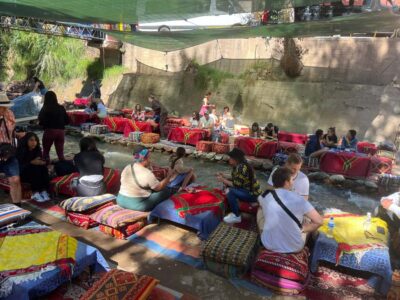
Atlas Mountains, Ourika Valley, Waterfall & Lunch
Read our review →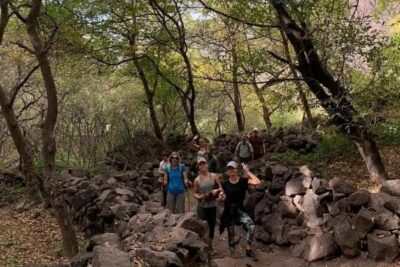
Berber villages : Atlas Mountains Day Hike from Marrakech
Read our review →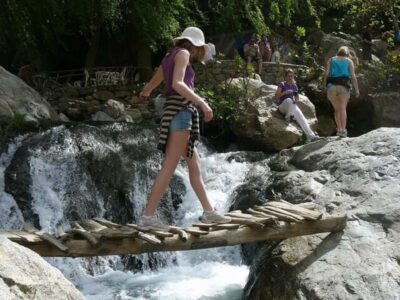
Ourika Waterfalls, Atlas Mountains, Guide + Lunch
Read our review →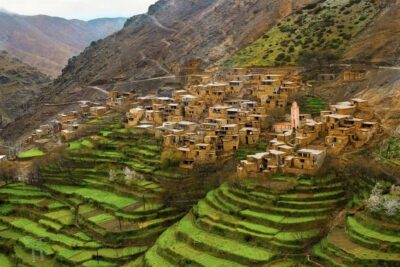
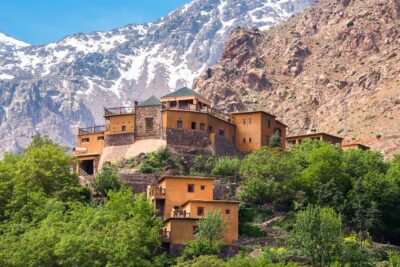
Atlas Mountains & Agafay Desert Tour w Camel Ride
Read our review →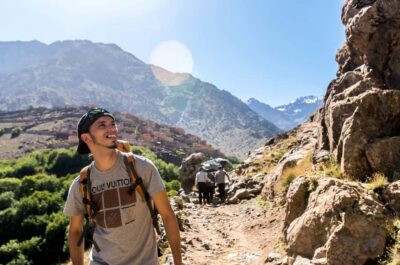
Atlas Mountains, Waterfalls, Ourika Valley +Lunch
Read our review →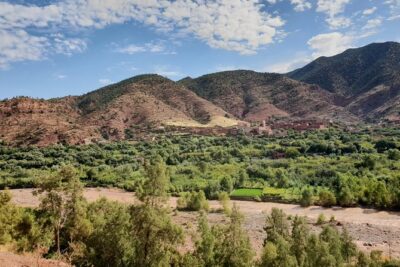
Atlas Mountains & 5 Valleys Tour from Marrakech – All inclusive –
Read our review →Browse the lists this tour appears in