
Reviewed · WALKING TOURS
Marrakech: Uncover Hidden Gems on a Half-Day Walking Tour
Marrakech reveals itself on foot. This four-hour walk brings together Koutoubia Mosque, Bahia Palace, Jemaa el-Fna, and the Medina souks, giving you a useful first look at the old city without taking up a full day. I like the route’s variety, from quiet courtyards and fountains to noisy market lanes.
I also like that the guide can add local context that is easy to miss alone. Hassan, Hussein, and El Hassan are named by past customers, with particular praise for clear explanations, patience, photo stops, and help with bargaining. The main consideration is that entrance fees are extra, and the pace may not suit anyone with limited mobility.
In This Review
- Key points to know before you book
- Why this four-hour walk works as a first look
- Koutoubia Mosque and the first sense of Marrakech
- Bab Agnaou and the Kasbah
- The Mellah, where the route changes character
- Bahia Palace and its decorated courtyards
- Jemaa el-Fna, Marrakech’s open-air stage
- Through the Medina and its working souks
- Mouassine Fountain and a quieter pause
- What the guides add to the experience
- Timing, cost, and what you need to bring
- Who should book this Marrakech walk?
- FAQ
- Where does the tour begin and end?
- How long does the walking tour last?
- Is entry to Koutoubia Mosque included?
- Are monument entrance fees included in the $18 price?
- What languages are available?
- Is the tour suitable for wheelchair users or people with limited mobility?
- Should you book it?
Key points to know before you book
- A strong first-day route: You see major landmarks, the Kasbah, Mellah, Medina, and souks in four hours.
- The mosque is viewed from outside: Koutoubia Mosque is a photo and history stop, not an indoor visit.
- Local tea is included: The tour includes Moroccan tea with local people, a welcome pause during the walk.
- Expect sales stops: Some guides have taken people to herb, oil, leather, carpet, or craft shops, so bargain carefully and buy only what you want.
- The $18 price is attractive: You pay for a licensed guide and a focused walking route, but not admission tickets, drinks, or transport.
- Best for active visitors: Comfortable shoes, sun protection, and a reasonable tolerance for Medina foot traffic will make the experience easier.
Why this four-hour walk works as a first look
Marrakech can feel like three cities at once. The grand monuments are broad and orderly, while the Medina quickly turns into a maze of narrow lanes, workshops, food stalls, and small courtyards. A guide gives you a thread to follow.
At $18 per person, this is an inexpensive way to get oriented. You are not paying for a luxury outing or private transport. You are paying for a licensed guide, a planned route, local explanations, and a chance to ask questions as you walk. That is good value if you have only a few days in town or would rather understand the old city before exploring it alone.
The schedule begins and ends at Hôtel Islane. You meet the guide directly in front of the hotel, and the pickup is on foot. There are no included transfers, so make sure you can reach the meeting point yourself.
The route covers a lot in four hours. That means you should expect regular walking rather than long stops at every monument. The guide may adjust the time spent at each place depending on the group, the crowds, and your questions.
More Walking Tours in Marrakech
- Marrakech: Ben Youssef, Secret Garden, & Souks Walking Tour
★ 4.6 · 2,802 reviews - Marrakech: Colorful Medina Souks Guided Walking Tour
★ 4.7 · 2,470 reviews - Marrakech: Medina by Night Walking Tour with Moroccan Tea
★ 4.6 · 586 reviews
Koutoubia Mosque and the first sense of Marrakech
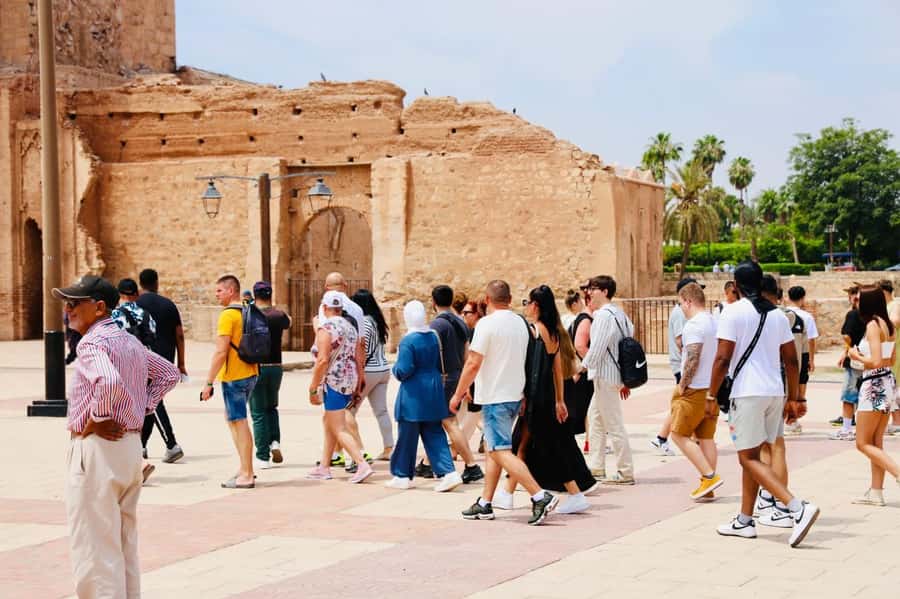
Koutoubia Mosque is the natural opening point. Its tall minaret is one of the clearest visual markers in Marrakech, and it helps you understand the old city’s layout before you enter the tighter streets.
The visit is from outside only. You can admire the mosque’s proportions, take photographs, and walk through the surrounding gardens, but entrance inside the mosque is not part of this experience. That detail matters if you are hoping for a full religious or architectural visit.
I like beginning here because the setting gives the guide room to explain the city before the Medina closes around you. The gardens also offer a calmer start than the market streets. Take a moment to look back toward the minaret and use it as a reference point. Once you are in the souks, that kind of visual marker becomes useful.
The stop is also a good reminder to dress and behave respectfully around a place of worship. Sunglasses and a sun hat are sensible, especially during warmer parts of the day.
Bab Agnaou and the Kasbah
The walk continues to Bab Agnaou, one of the historic gates connected with the Kasbah. This is listed as a photo stop and visit, so you should expect time to look at the gate, hear its background, and take pictures rather than a long indoor tour.
From there, you walk through the Kasbah. The area gives you a different feel from the central souks. It is still part of the old city, but the route shifts from monumental architecture to lived-in streets and neighborhood scenes.
This is where a good guide earns the modest tour price. The buildings, gates, and lanes can look like a blur when you are on your own. A guide who explains what you are seeing helps you connect the monuments with the daily life around them.
Several people specifically praised the guides for answering questions and explaining architecture, customs, and the story of old Marrakech. That makes this more than a checklist of photo stops. You can ask about the purpose of a gate, the role of the Kasbah, or how the old city is organized.
The Mellah, where the route changes character
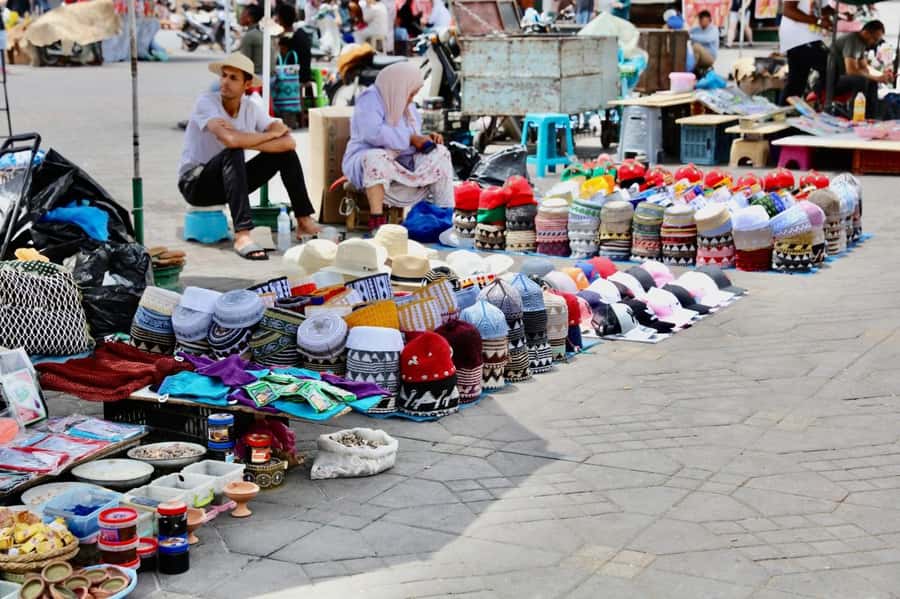
The tour then reaches the Mellah, Marrakech’s historic Jewish quarter. It is included as both a visit and a walking section, so you get time to move through the area rather than simply pass it from a vehicle.
The Mellah adds useful depth to the route. Without it, a short Marrakech walk can become a simple circuit of palace, square, mosque, and market. Here, you see another part of the old city’s social and religious story.
I would pay attention to the contrast between the major monuments and the smaller details of the quarter. Look at doors, walls, workshops, and the shape of the lanes. Your guide can help explain what is old, what has changed, and how the district fits into Marrakech today.
The Mellah is also a good point to ask questions. The tour is conducted in English and French, with Arabic also available according to the activity details. Past bookings praise the guides’ English, though the exact guide and language arrangement can vary by departure.
More medina walks in Marrakech:
- Marrakech: Medina Souks Guided Walking Tour
★ 4.5 · 381 reviews - Medina of Marrakech Walking Tour
★ 4.0 · 300 reviews - Marrakech: Authentic Moroccan Food Walking Tour & Dinner
★ 4.8 · 261 reviews - Marrakech: Monuments, Souks and Medina Guided Walking Tour
★ 4.8 · 208 reviews
Bahia Palace and its decorated courtyards
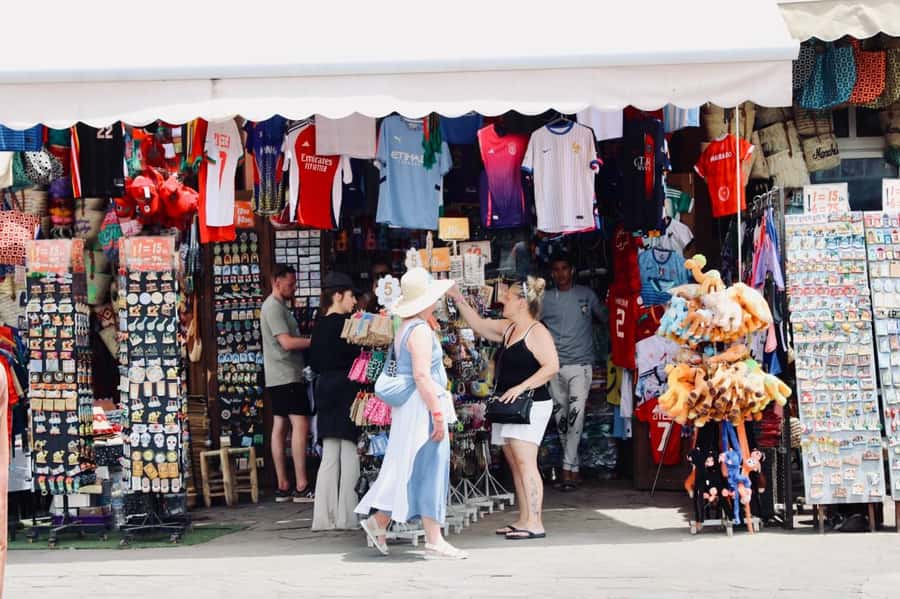
Bahia Palace is the main formal palace stop. The visit includes a guided tour and photo time, but the admission fee is not included in the $18 price. Set aside extra Moroccan dirhams for entry, and confirm the current fee when you book or arrive.
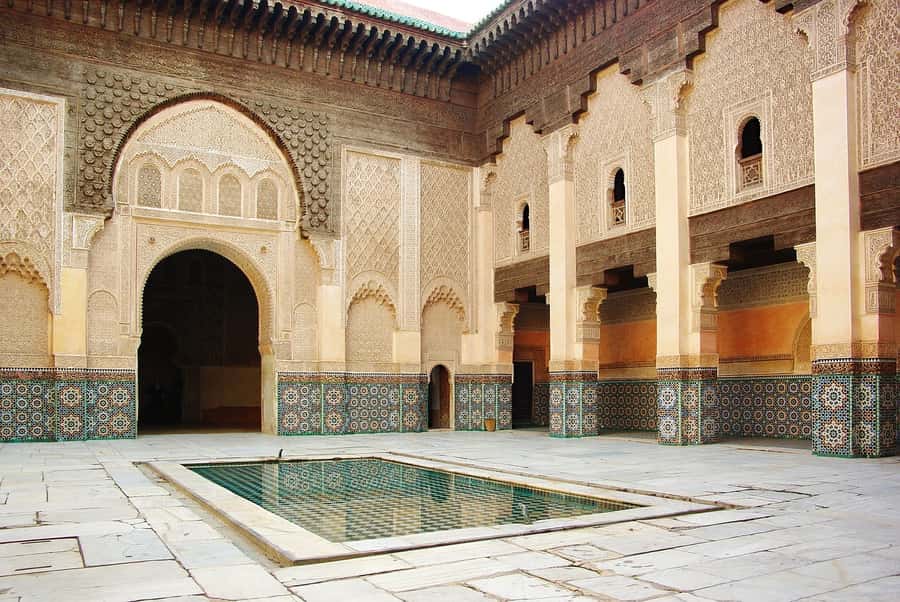
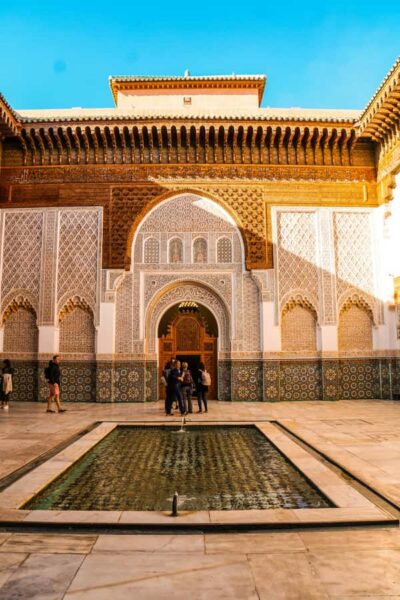
The palace is known for detailed architecture and garden spaces. The appeal is not just one grand room. It is the way the route moves through courtyards, tiled surfaces, carved decoration, and planted spaces, showing how a 19th-century palace was designed for privacy, shade, and ceremony.
This stop can be one of the most rewarding parts of the morning or afternoon, but it can also be crowded. A guide helps you focus on details instead of wandering from room to room without context. Ask about the building’s design and the people who used it.
Do not expect unlimited time for photography. The whole tour must continue through the Kasbah and Medina, so the guide needs to keep the group moving. If Bahia Palace is your main reason for visiting Marrakech, you may want a separate, longer visit. If you want a broad introduction, this guided stop gives you a useful taste.
Jemaa el-Fna, Marrakech’s open-air stage
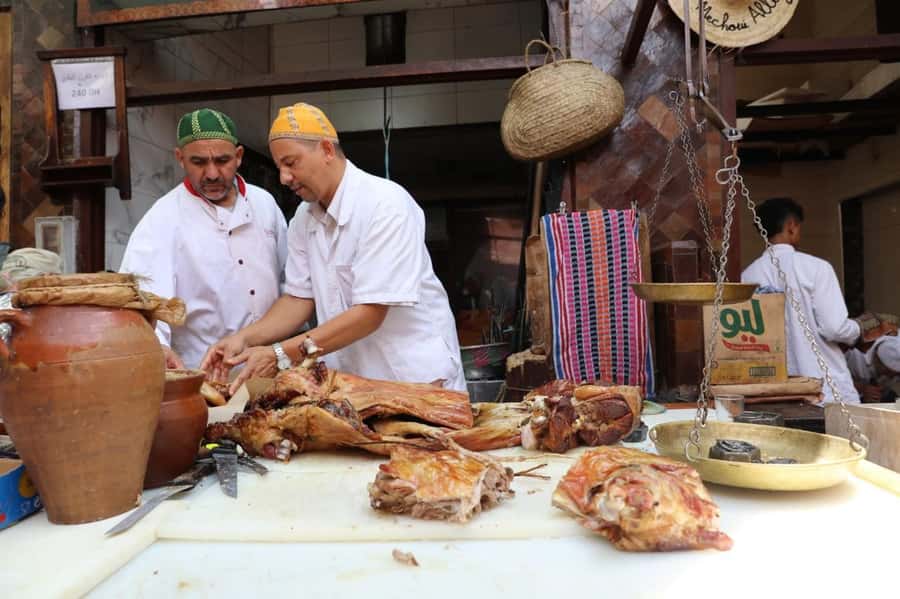
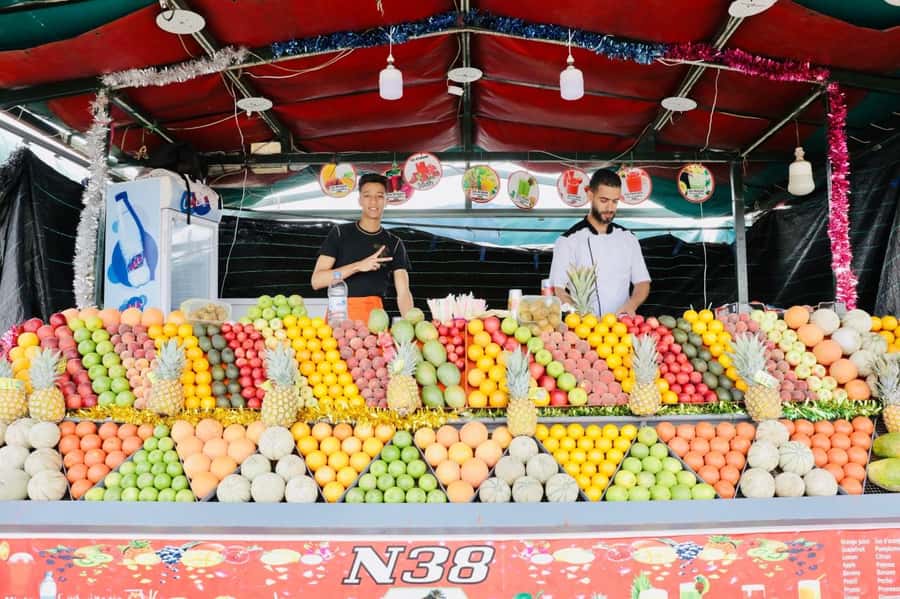
Jemaa el-Fna is the public heart of the old city, and its mood changes as the day goes on. The square fills with traders, performers, food sellers, and people meeting friends. The experience is less about one monument and more about watching the city happen around you.
Your guide can help you read the scene. You may learn where to pause, how to avoid unwanted sales pressure, and how to move through the square without losing the group. You might also have the chance to sample street food, but food and drinks are not included.
I would treat this stop as a chance to observe rather than rush into every offer. If you take photographs of performers or entertainers, check the price first. Keep your belongings close, especially when the square is crowded.
The square is one of the places where a local guide adds comfort. Several people valued being shown safe places to eat and being warned about common local scams. That kind of advice can be more useful than another paragraph of general history.
Through the Medina and its working souks
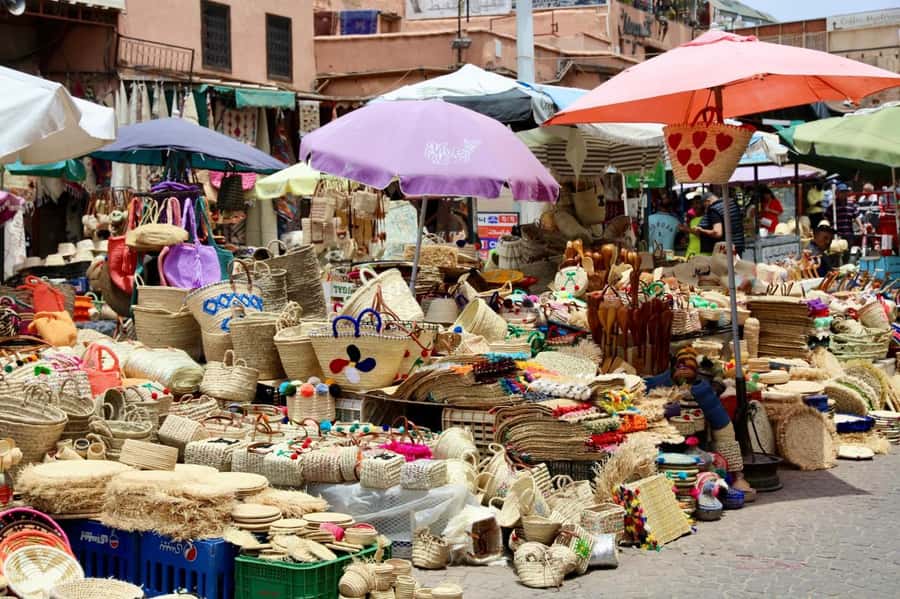
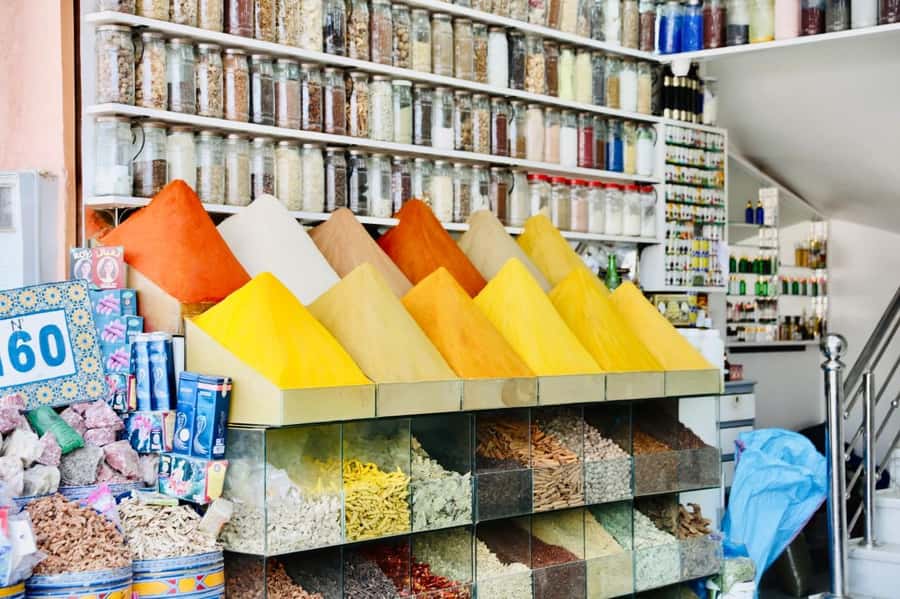
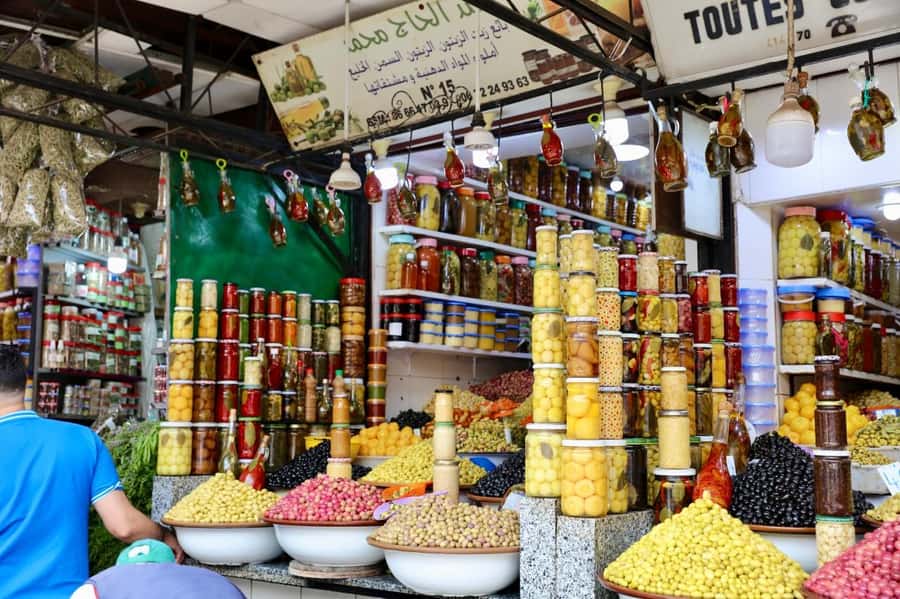
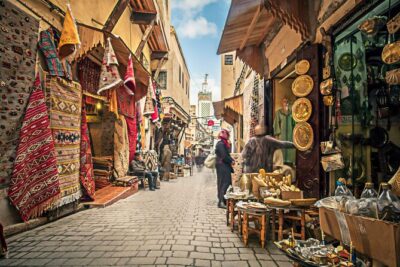
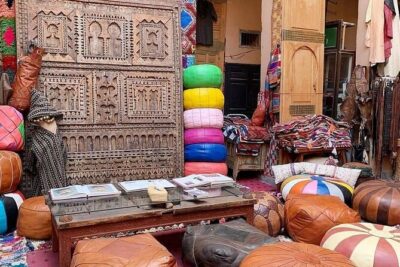
The Medina section is the longest-feeling part of the walk, even if the stops are not timed separately. You move through narrow lanes lined with spices, textiles, jewelry, leather goods, carpets, metalwork, and other Moroccan crafts.
This is where you should expect a real walking experience. The lanes can be confusing, and the surface may not always be smooth. Motorbikes and handcarts can pass through busy sections, so stay close to the guide and pay attention when the group changes direction.
I like the fact that this route includes working parts of the souks rather than keeping you only on the main tourist paths. Past customers were shown places where local craftspeople work with iron, leather, and carpets. These stops can add meaning to the objects you see for sale.
At the same time, shopping stops deserve a clear boundary. Some guides have taken people to herb or oil shops, where an owner explains spices, herbs, and products. That can be interesting, but you are not required to buy anything. One person paid 150 dirhams for a bottle of oil later found elsewhere for about 50 dirhams. My advice is simple: ask the price, compare it with other shops, and bargain politely before agreeing.
A guide may also help you bargain. That is useful, but keep control of the purchase. Buy because you want the item, not because the shop visit has become part of the tour.
Mouassine Fountain and a quieter pause
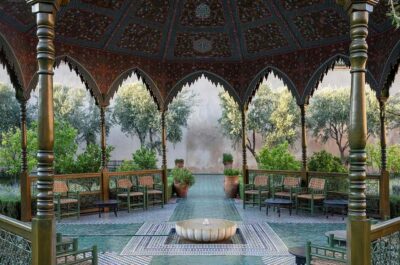
The Mouassine Fountain offers a welcome break from the close lanes of the Medina. It is a historic water feature and a fine place to pause, look at the craftsmanship, and let the noise of the souks fade for a few minutes.
This is a small stop, but it gives the route a better rhythm. The tour moves from major buildings to crowded public spaces, then ends with a quieter piece of old-city architecture.
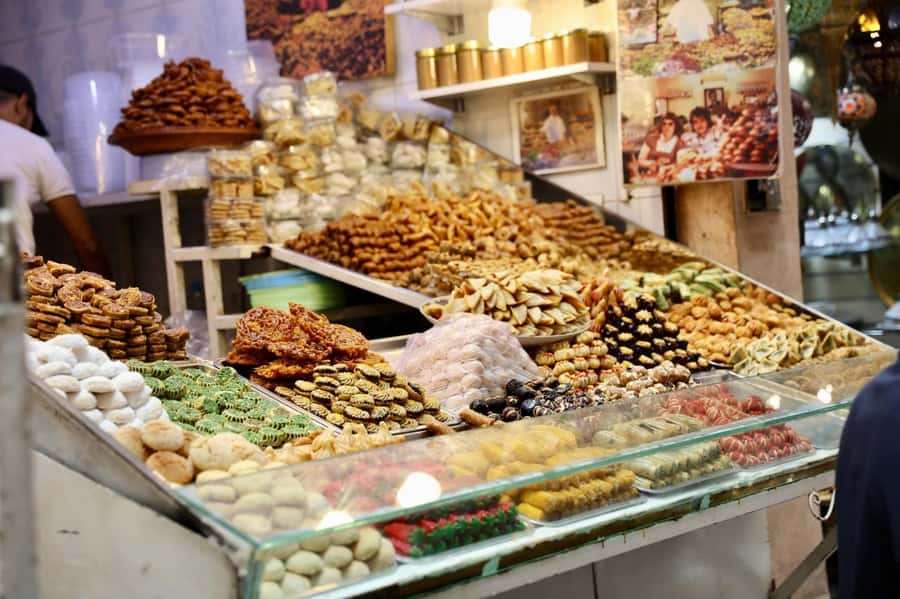
The included Moroccan tea with local people fits well here or at another suitable point in the walk. Tea is not just a drink in this setting. It gives you time to sit, ask questions, and see a more social side of the city.
The exact tea setting is not described in detail, so do not expect a formal cooking class or a long meal. Think of it as a short cultural pause. Drinks beyond the included tea are your own expense.
What the guides add to the experience
Guide quality is the strongest part of this tour. Hassan receives repeated praise for his friendly manner, clear explanations, patience, and sense of direction. Other bookings name Hussein and El Hassan, so the guide may depend on the date and group.
The best comments describe guides who move at a comfortable pace, leave room for photographs, answer questions, and point out places people would probably miss alone. One person had a private experience because no one else booked that time slot. A small group can make the tour feel much more personal, though you should not assume you will have a private guide.
The group policy helps keep the walk manageable. If more than 10 people book, the group is split into two smaller groups, each with its own guide. That is a sensible arrangement for narrow Medina lanes and makes it easier to hear explanations.
The service is not identical every time. A four-hour walking route depends on the guide’s style, the size of the group, and the crowds. Still, the repeated praise for Hassan and the other named guides suggests that the human side of the experience is a major reason to book.
Timing, cost, and what you need to bring
The tour lasts four hours, but the available starting times depend on the date. Check the schedule before booking and think about heat, crowd levels, and your own energy. A morning departure may feel easier in hot weather, while a later start may offer a livelier Jemaa el-Fna.
The $18 price is fair for a guided introduction. It includes the licensed guide, walking pickup from the meeting point, and Moroccan tea with local people. It does not include transfers, admission to sights, or other drinks.
You should bring:
- Comfortable walking shoes
- Sunglasses
- A sun hat
- Sports shoes if you prefer them for uneven city streets
The activity information contains conflicting accessibility notes. It is marked wheelchair accessible in one place, but it also says wheelchair users are not suitable and warns that people with restricted mobility may struggle. The practical reading is that you should contact the provider before booking if you use a wheelchair or have mobility limits. The Medina lanes and four-hour walking time may be difficult.
The experience is also listed as unsuitable for pregnant women. Follow that restriction rather than assuming the pace can be changed.
Free cancellation is available up to 24 hours before the start time, and you can reserve now and pay later. Those policies are useful if your Marrakech plans are still moving around.
Who should book this Marrakech walk?
I would choose this tour for a first day in Marrakech, especially if you have only a short stay. It gives you a map in your head, introduces the main old-city sights, and offers practical help before you return to the souks alone.
It also suits you if you prefer cultural context to a fast photo circuit. The route includes architecture, neighborhoods, markets, worship, palace design, local crafts, and tea, so you get a broad view of the city in a single half-day.
I would look elsewhere if you want long visits inside every monument, private transport, a food tour, or a fully accessible route. You should also skip it if you dislike shopping pressure or do not want to bargain. The guide can help you handle those moments, but the souks remain commercial spaces.
FAQ
Where does the tour begin and end?
You meet your guide directly in front of Hôtel Islane. The walking tour returns to Hôtel Islane at the end.
How long does the walking tour last?
The tour lasts four hours. Starting times depend on availability for your chosen date.
Is entry to Koutoubia Mosque included?
The mosque is visited from outside only. You can see the exterior and surrounding gardens, but an indoor visit is not included.
Are monument entrance fees included in the $18 price?
No. Entrance fees to the sights are not included. Transfers and drinks other than the included Moroccan tea are also excluded.
What languages are available?
The tour offers English, French, and Arabic. The listed live guide languages are English, French, and Arabic.
Is the tour suitable for wheelchair users or people with limited mobility?
The activity details are contradictory, listing wheelchair accessibility while also saying the tour is unsuitable for wheelchair users and people with restricted mobility. Contact the provider before booking if this applies to you.
Should you book it?
Book this tour if you want an affordable, well-organized introduction to Marrakech’s old city, with a guide who can explain the sights and help you handle the souks. The strongest value comes from the route and the local guidance, not from included admissions or extras.
I especially like it for your first morning or afternoon in town. You will see Koutoubia Mosque, Bab Agnaou, the Kasbah, Mellah, Bahia Palace, Jemaa el-Fna, the Medina, and Mouassine Fountain without giving up a full day. Bring good shoes, budget for entry fees, and treat every shop stop as optional. With those expectations, this is a useful and good-value way to begin Marrakech.
More Half-Day in Marrakech
- Marrakech: Half-Day Desert Quad Tour with Camel Ride
★ 4.5 · 2,398 reviews - Marrakech: Half-Day Camel Ride in Palm Grove
★ 4.6 · 1,257 reviews - Marrakech: Private Guided Half-Day City Tour
★ 5.0 · 1,249 reviews - Half-Day Cooking Class with Local Chef Laila in Marrakech
★ 5.0 · 952 reviews
Just listed around Marrakech
- 3 Days To Merzouga Desert★ 5.0 · 19 reviews
- 3 Days Shared Sahara Desert Tour From Marrakech★ 5.0 · 78 reviews
- 3 Days Sahara Tour from Marrakech to Merzouga Dunes★ 5.0 · 29 reviews
- 1 night Camel Treking in Merzouga Desert Luxury Camp★ 5.0 · 132 reviews
- 3 Days Sahara Desert Trips From Marrakesh★ 5.0 · 176 reviews
- trip of your dreams in 3 days and 2 nights in the desert★ 5.0 · 36 reviews
- 3 Days Private Tour to Merzouga Desert from Marrakech★ 5.0 · 77 reviews
- 3 Day Sahara Desert Tour From Marrakech★ 5.0 · 49 reviews
Walking Tours, compared.
Ben Youssef, Secret Garden, & Souks Walking Tour
Read our review →
Explore Fes: Unforgettable Guided Walking Tour of the Medina
Read our review →
Exclusive Fez Medina Walking Tour with Private Guide
Read our review →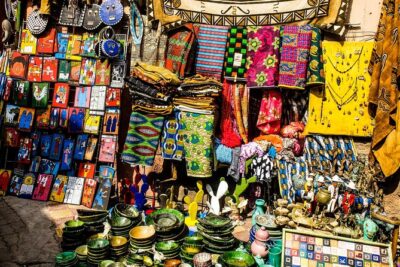
Browse the lists this tour appears in