
Reviewed · OURIKA VALLEY TOURS
Ourika Valley, Atlas Mountains, Waterfalls & Guided Tour
The city fades quickly. This $22 trip trades Marrakech’s traffic for green terraces, Berber villages, river views, and the Atlas Mountains. I like the small group of up to 14 and the chance to reach Setti Fatma’s waterfalls without arranging transport yourself. The main caution is the mountain walk, which is steep, rocky, and not a good match for anyone with poor balance or a fear of heights.
The tour also earns points for its friendly guides. Larbi adjusted the walking pace well, while Abdelghani and Abdul were praised for being helpful and easygoing. I like the mix of scenery and local stops, though the argan oil visit can feel long and sales-focused, and lunch has been uneven.
In This Review
- Key points to know before you go
- Leaving Marrakech for the Ourika Valley
- Berber villages, terraces, and a roadside souk
- The argan oil cooperative and the sales question
- Following the Ourika River to Setti Fatma
- The waterfall walk is beautiful and demanding
- Lunch beside the river costs extra
- Guides, languages, and group size
- What the $22 price really buys
- Who should book this Ourika Valley trip?
- Should you book it?
- FAQ
- How long is the Ourika Valley tour?
- How much does the tour cost?
- Is hotel pickup included?
- What transport is used?
- How many people are in the group?
- Is lunch included?
- How difficult is the waterfall walk?
- What languages may be available?
- Can I visit a Berber market?
- What should I bring?
Key points to know before you go
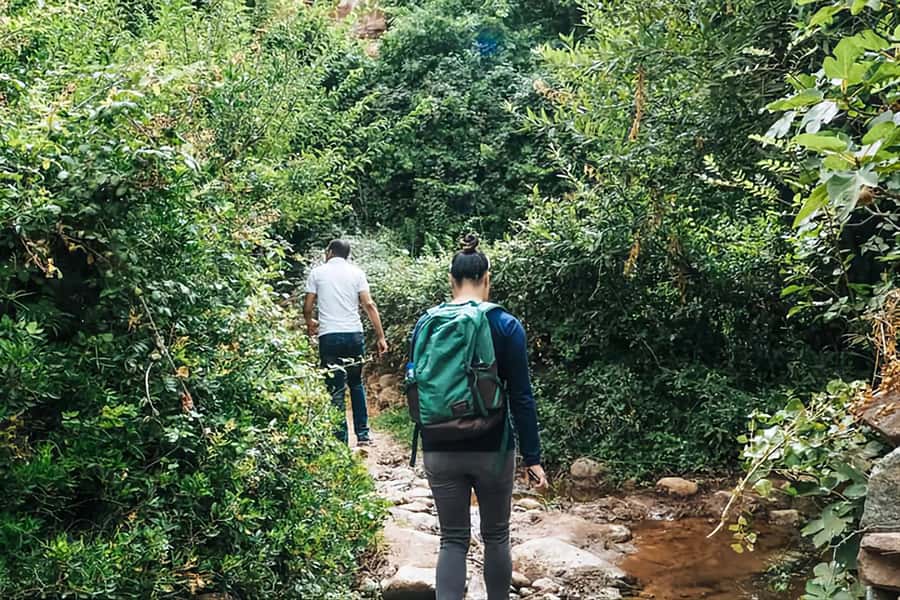
- The waterfalls are the star: Setti Fatma offers cool spray, rocky paths, river scenery, and a rewarding mountain walk.
- You get a real change of scene: Green fields, fruit orchards, vegetable terraces, and old Berber villages replace Marrakech’s dry, busy streets.
- The walk needs steady feet: Expect natural steps, uneven stones, and exposed sections that may trouble anyone with vertigo.
- The argan cooperative is useful but commercial: You can see how oil is made, but the product presentation may take longer than you want.
- Monday and Thursday add a market stop: A Berber souk may be included on those days, depending on the route and timing.
- The price is strong for a day out: Transport, pickup, a guide, Wi-Fi, and the walking tour are included, but lunch costs about €8 extra.
Leaving Marrakech for the Ourika Valley
Pickup is offered from several central points, including Jemaa el-Fna, Place des Ferblantiers, Bab Aylan, Hôtel Islane, Adam Park, Hotel Riu Tikida Palmeraie, Hotel Racine Marrakech, and other named hotels. If you stay at a large hotel reachable by car, the driver is expected to meet you in the lobby.
Medina riads can be trickier. Many lanes are too narrow for a minibus, so you should provide a working WhatsApp number and confirm the meeting point before departure. This small step matters. It prevents you from dragging luggage or walking in circles before the day even begins.
The drive toward Tnin Ourika takes about 45 minutes by air-conditioned minibus. Wi-Fi is available onboard, though you should treat it as a useful extra rather than the main reason to book. The vehicle gives you a comfortable base between stops, but the day is still an active one once you reach the mountains.
This is a good choice if you want an easy escape from Marrakech without committing to an overnight mountain stay. Ourika Valley is close enough for a seven-hour outing, yet the scenery changes quickly as the road reaches orchards, hillsides, and terraces worked by hand.
More Ourika Valley days:
- Marrakech: Atlas Mountains, Ourika Valley, Waterfall & Lunch
★ 4.8 · 15,834 reviews - Marrakesh: Ourika Waterfalls, Atlas Mountains, Guide + Lunch
★ 4.9 · 9,986 reviews - Marrakech: Ourika Valley Trip with Waterfall Hike
★ 4.6 · 6,792 reviews
Berber villages, terraces, and a roadside souk
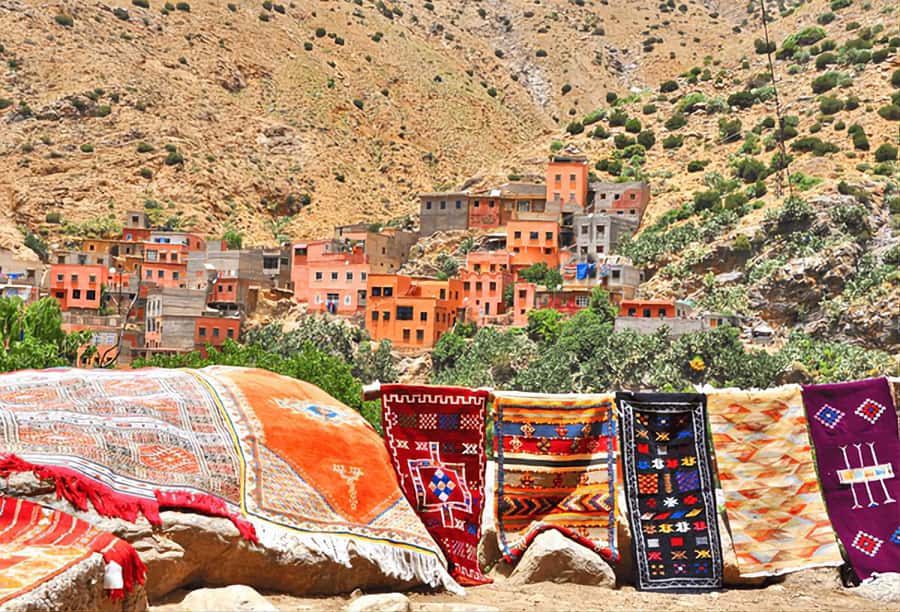
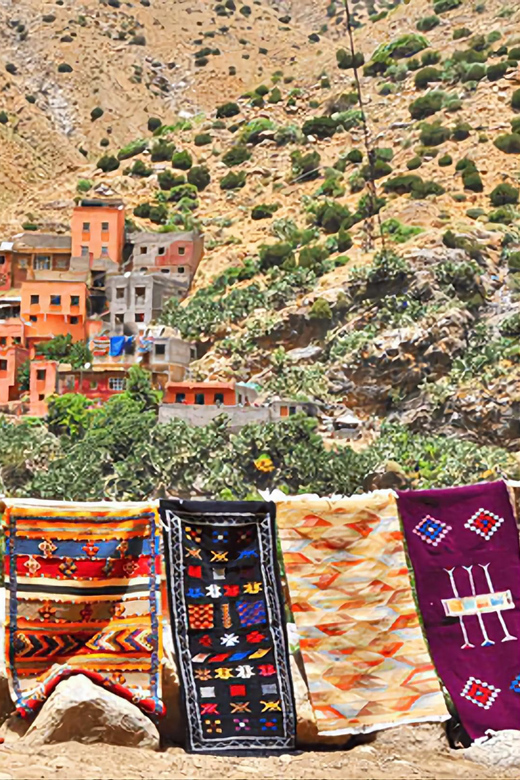
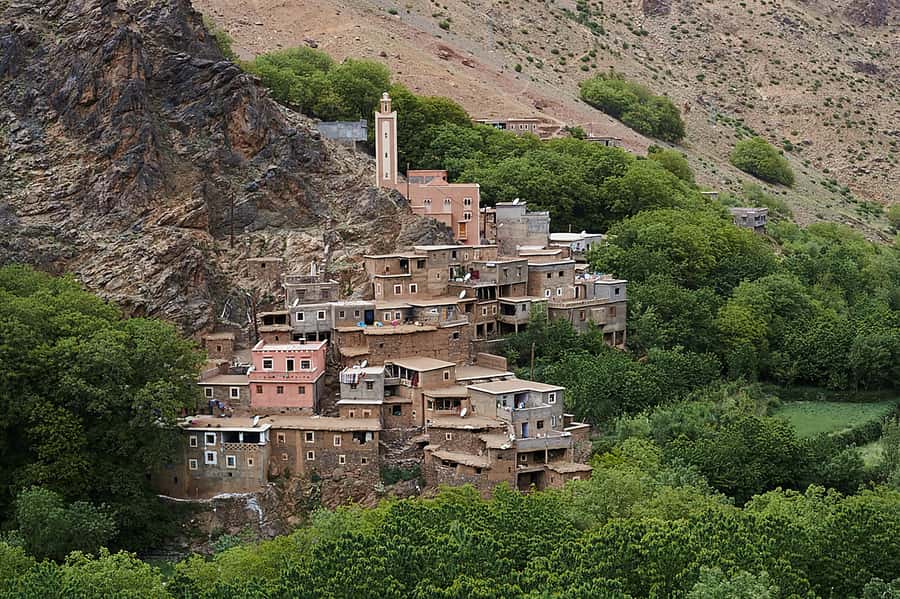
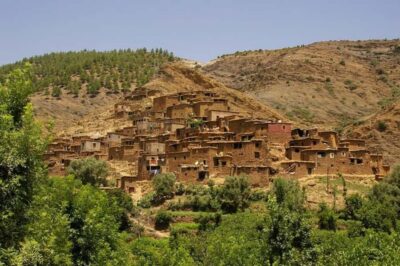
The first part of the valley shows how people live and farm on difficult ground. You pass fruit trees, vegetable plots, small hamlets, and villages built into hillsides. The old Berber settlements, some dating from the 16th and 17th centuries, are a strong counterpoint to the polished hotels and restaurants of Marrakech.
Look closely at the slopes. Houses are not arranged around broad modern roads. They cling to hillsides, and local people still carry building materials up difficult terrain. The terraces show patience and hard labor, with crops grown in narrow strips where flat farmland is scarce.
On Monday and Thursday, the route may include a typical Berber market. The Monday market is specifically highlighted, though the stated schedule also includes Thursday. A souk stop gives you a more ordinary view of valley life than a quick photo stop, but market access depends on the day and the group’s timing.
I would not book this day expecting a long market visit. Think of it as an added local stop, not the central event. The mountains and waterfall walk are the parts that shape the day.
The argan oil cooperative and the sales question
A stop at a women’s argan oil cooperative explains how the oil is produced and how it is turned into food and cosmetic products. This is one of the better chances to connect a familiar Moroccan product with the work behind it.
Amal has been especially effective when explaining the large range of argan-based products. The presentation can be detailed, and you may learn about the different uses of the oil. You can also expect products to be offered for sale, often at prices that feel high compared with the rest of the day.
That commercial element is worth understanding before you go. If you enjoy demonstrations and shopping, the stop may be useful. If you prefer to spend every spare minute outdoors, the cooperative can feel too long, particularly when the explanation turns into a sales pitch.
I would listen, ask questions, and avoid feeling pressured to buy. The value of the stop is the production lesson, not the assumption that you need to leave with several bottles of oil.
Following the Ourika River to Setti Fatma
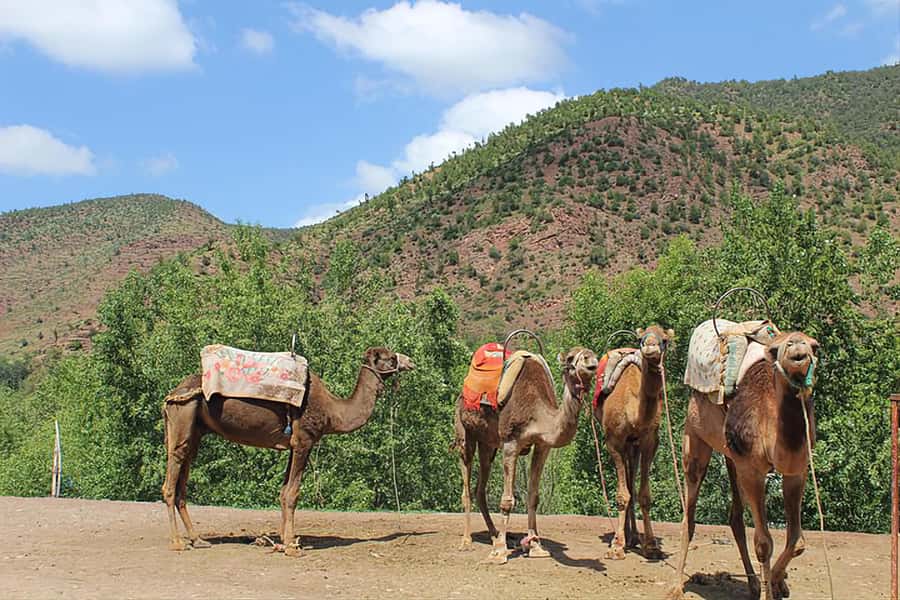
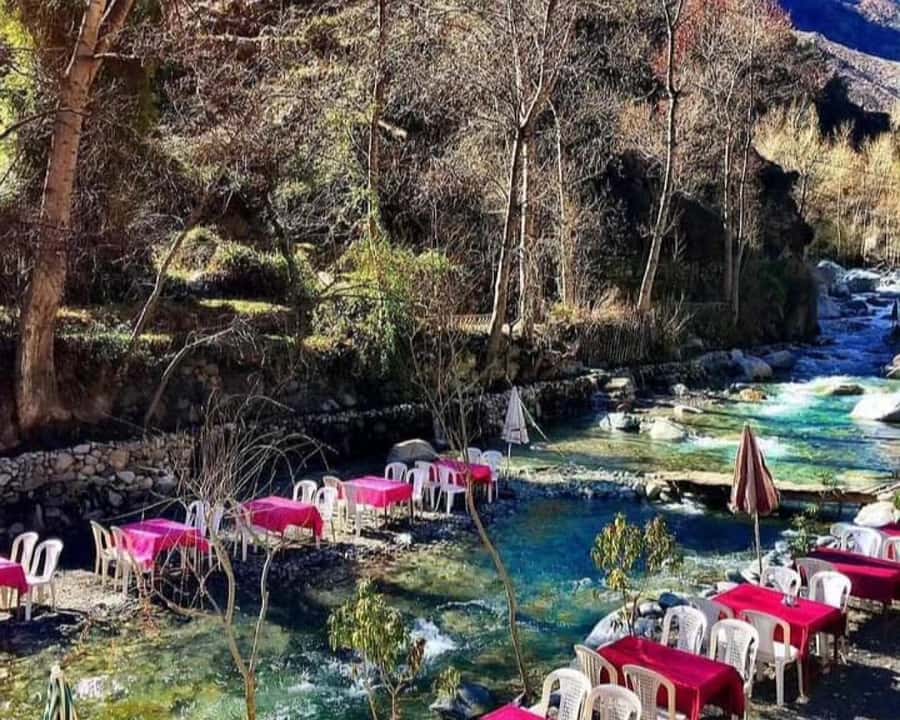
The road continues beside the Ourika River, with palm trees, fruit trees, riverside restaurants, and summer homes along the water. The valley is especially appealing because it is not just a mountain viewpoint. It is a lived-in place, with farms, villages, restaurants, and local families using the river area as a weekend escape from Marrakech.
The scenery is greener than many first-time visitors expect from the region around Marrakech. Terraces climb the slopes, streams cut through the valley, and the Atlas peaks give the views a clear sense of scale. Bring your camera, but keep your hands free when the walking begins.
Setti Fatma is the main outdoor stop. The river and waterfalls provide a cooler setting, and the spray is welcome after time in the sun. Local people from Marrakech also come here on weekends, so the area can feel busy rather than remote.
That is part of the appeal and part of the limitation. You get an accessible mountain outing with restaurants and a well-known attraction, not an untouched wilderness experience. The riverside setting is pleasant, but mass tourism is visible in places.
More days up in the Atlas:
- Berber villages : Atlas Mountains Day Hike from Marrakech
★ 5.0 · 14,007 reviews - From Marrakech: Atlas Mountains Full-Day Hiking Trip w Lunch
★ 4.8 · 7,417 reviews - Marrakech: Atlas Mountains & Agafay Desert Tour w Camel Ride
★ 4.8 · 5,080 reviews - From Marrakech: Atlas Mountains Day Trip with Camel Ride
★ 4.8 · 4,709 reviews
The waterfall walk is beautiful and demanding
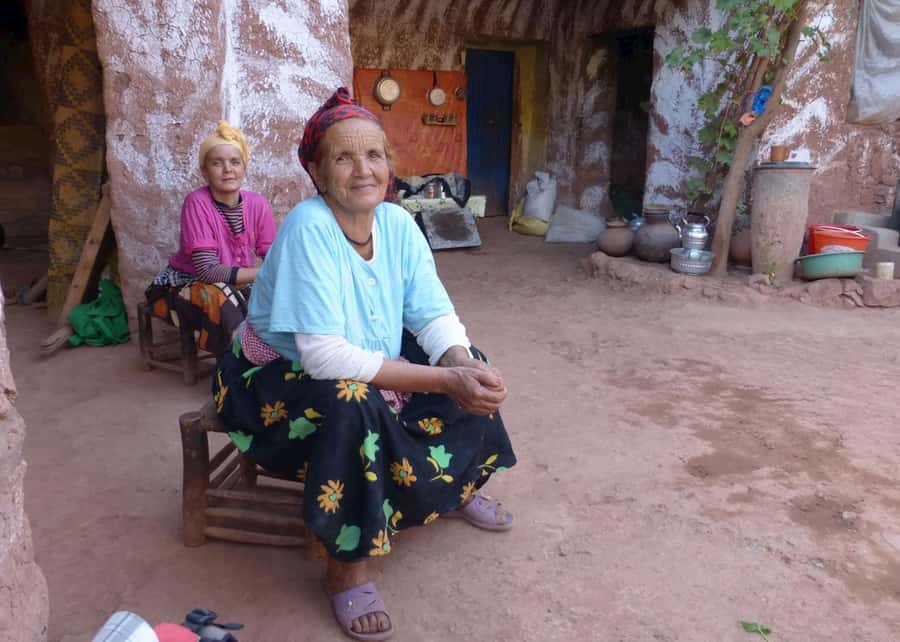
The included walking tour lasts about one hour, with a local guide leading the way. The route to the waterfall is described as at times breathtaking, but it is also stony and physically demanding.
You should expect uneven ground and natural steps. Some sections require careful foot placement, and the route includes areas that may feel exposed. One guide, Abdul, was praised for helping people through the harder passages, while Larbi was noted for setting a pace that worked for the whole group.
This is not a flat stroll beside the river. You need warm, sturdy shoes, a reasonable level of fitness, and comfort on rough mountain paths. Pregnant people should not book this activity, and anyone with serious mobility limits or a strong fear of heights should choose a gentler outing.
The reward is the waterfall itself, along with views back across the valley. You might also see monkeys in the area. The walk is the most highly praised part of the day, but it is only enjoyable if you respect the terrain and do not rush.
Wear shoes with grip. Sunglasses, sunscreen, and a sun hat are useful in warm weather, while warm clothing matters because mountain temperatures can shift. Carry your camera, but protect it from water spray and keep valuables secure during the climb.
Lunch beside the river costs extra
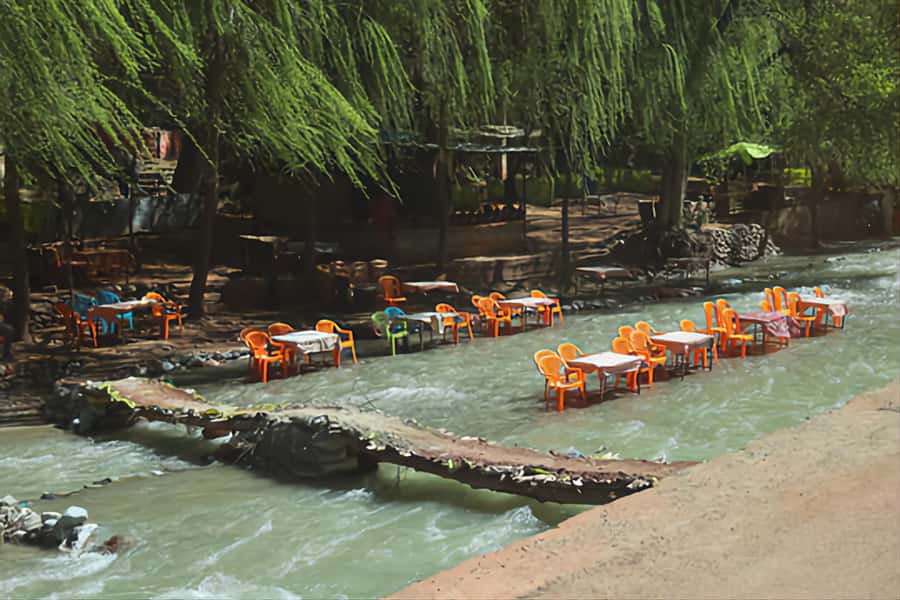
Lunch is not included. The usual additional cost is about €8 per person, and the meal is typically served at a riverside restaurant.
The setting can be excellent, with the Ourika River and mountains nearby. The food, however, has not been consistent. Some diners found the meal inexpensive and tasty, while others received food that was cold or dealt with slow service.
I would treat lunch as a practical stop rather than a food highlight. The location does much of the work. If you are particular about meals, ask the guide what is available and confirm the price before ordering. You should also carry water and a small snack, since the waterfall walk may leave you hungry.
The extra charge is modest, but it changes the value calculation. At $22, the tour is inexpensive for transport and guiding. Add lunch, and you are still paying a reasonable amount for a full day out, but you should not expect a polished restaurant experience.
Guides, languages, and group size
The group limit is 14 people, which is a useful middle ground. You get more personal attention than on a large coach trip, while the price stays low. A smaller group also makes the walking pace easier to manage, especially when people have different comfort levels on rocky ground.
Guide quality can shape this experience. Larbi received strong praise for speaking several languages and adjusting his pace. Martin was appreciated for explaining Tamazigh language and customs during the village visit. Abdelghani was described as friendly, calm, and willing to stop for photos.
The advertised guide languages include Arabic, French, English, Spanish, German, Polish, and Greek. Still, you should confirm your preferred language before paying. German-speaking participants were told they would have German guidance but received English or French instead, and one Polish-speaking booking had the same problem.
That is the clearest service risk here. If language support is essential to your decision, send a written message before the tour and keep the confirmation. A friendly English or French guide can still make the day work well, but it is not the same as receiving the language promised at booking.
What the $22 price really buys
For $22 per person, the basic value is hard to dismiss. You receive hotel pickup and drop-off, an air-conditioned minibus, a driver who speaks English and French, Wi-Fi onboard, and a one-hour guided walk. The route also combines several different stops, so you are not paying only for a drive to one viewpoint.
The price works best for people who want convenience. Hiring a private car or arranging separate transport to Ourika Valley would normally require more planning and may cost more, especially for solo visitors. This tour lets you leave Marrakech, see rural communities, walk to a waterfall, and return the same day.
The compromises are clear. Lunch is extra, the argan stop may feel commercial, and the exact quality of language support depends on what is actually available that day. The seven-hour schedule also gives you a taste of the valley rather than a slow, extended stay.
Free cancellation up to 24 hours before departure and the option to reserve without paying immediately make the booking less rigid. Starting times vary, so check the available departure before you plan the rest of your day.
Who should book this Ourika Valley trip?
I would recommend it to you if you want mountain scenery, a moderate amount of local culture, and an active outdoor stop without leaving Marrakech for the night. It suits couples, friends, and solo visitors who value a low price and do not mind sharing transport.
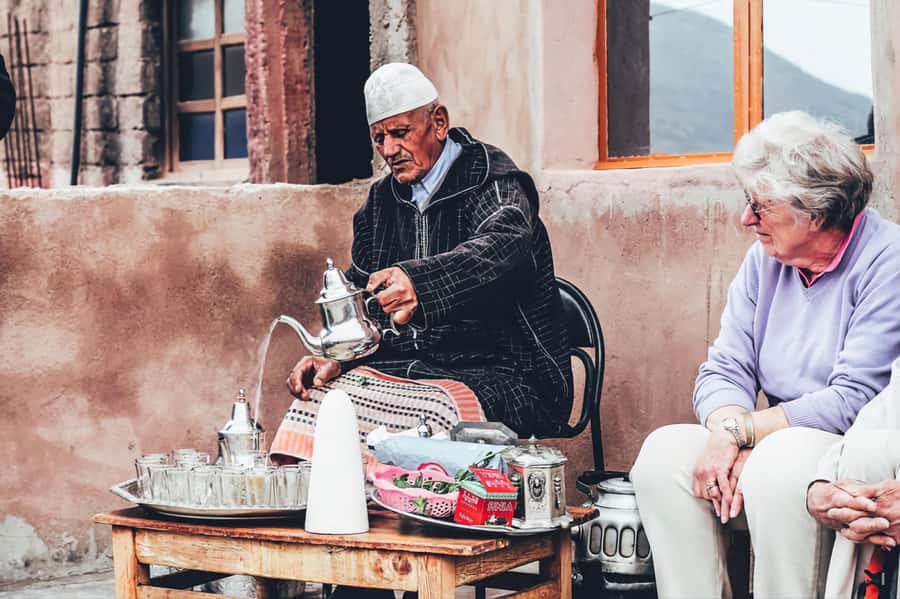
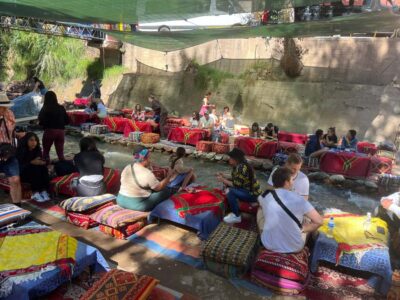
It is also a good fit if you like variety. You can see terraces and villages, learn about argan oil, stop for tea, eat beside the river, and walk to a waterfall in one outing. The strongest guides add useful context instead of simply pointing at scenery.
I would hesitate if your priority is a quiet, private experience. Setti Fatma can be busy, and the riverside restaurant area reflects heavy tourism. I would also skip it if you dislike shopping stops, need guaranteed German or Polish guidance, or want a gentle walk with no steep sections.
Should you book it?
Book this tour if you want the best-value introduction to Ourika Valley and can handle a rocky one-hour hike. The waterfall, valley scenery, village life, and helpful guides give the day real substance for the price.
Before booking, confirm three things: your pickup point, your guide language, and the lunch arrangement. Bring proper shoes, sun protection, warm layers, and water. If those practical details suit you, this is a worthwhile way to trade Marrakech’s heat and traffic for the Atlas Mountains.
FAQ
How long is the Ourika Valley tour?
The experience lasts seven hours, including transport from Marrakech, valley stops, the guided walk, and the return journey.
How much does the tour cost?
The listed price is $22 per person.
Is hotel pickup included?
Yes. Hotel pickup and drop-off are included from the stated Marrakech locations. If your Medina riad cannot be reached by car, you need to confirm a nearby meeting point.
What transport is used?
Transport is provided in an air-conditioned minibus. Wi-Fi is available onboard.
How many people are in the group?
The tour is described as a small-group experience limited to 14 participants.
Is lunch included?
No. Lunch is not included and usually costs about €8 per person.
How difficult is the waterfall walk?
The one-hour walk includes rocky ground, uneven natural steps, and some difficult sections. It is best for people who are comfortable walking on rough mountain paths.
What languages may be available?
The stated guide languages are Arabic, French, English, Spanish, German, Polish, and Greek. You should confirm your preferred language because it may not always be available.
Can I visit a Berber market?
A typical Berber market may be included on Monday and Thursday. The exact stop depends on the day and the tour schedule.
What should I bring?
Bring warm clothing, sunglasses, a sun hat, a camera, sunscreen, and warm shoes. Alcohol and drugs are not allowed, and the activity is not suitable for pregnant women.
Just listed around Marrakech
- 3 Days To Merzouga Desert★ 5.0 · 19 reviews
- 3 Days Shared Sahara Desert Tour From Marrakech★ 5.0 · 78 reviews
- 1 night Camel Treking in Merzouga Desert Luxury Camp★ 5.0 · 132 reviews
- 3 Days Sahara Desert Trips From Marrakesh★ 5.0 · 176 reviews
- 3 Days Sahara Tour from Marrakech to Merzouga Dunes★ 5.0 · 29 reviews
- trip of your dreams in 3 days and 2 nights in the desert★ 5.0 · 36 reviews
- 3 Days Private Tour to Merzouga Desert from Marrakech★ 5.0 · 77 reviews
- 3 Day Sahara Desert Tour From Marrakech★ 5.0 · 49 reviews
Ourika Valley Tours, compared.
Atlas Mountains, Ourika Valley, Waterfall & Lunch
Read our review →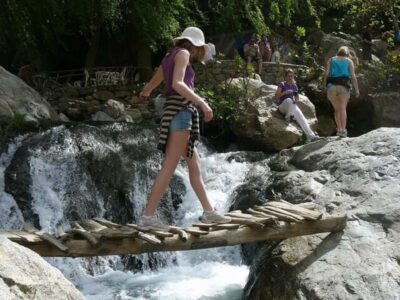
Ourika Waterfalls, Atlas Mountains, Guide + Lunch
Read our review →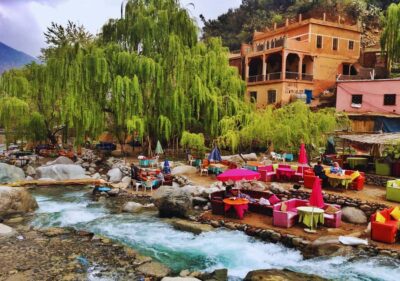
Ourika Valley Trip with Waterfall Hike & Lunch
Read our review →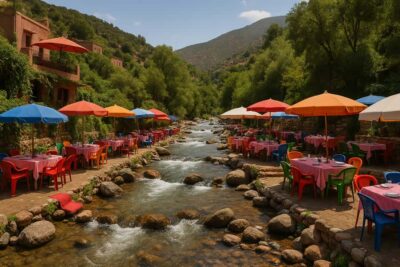
ourika valley lunch & guided hike to waterfalls
Read our review →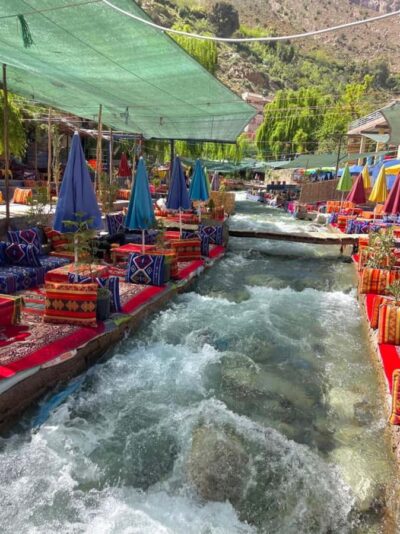
Atlas Mountains, Waterfalls, Ourika Valley +Lunch
Read our review →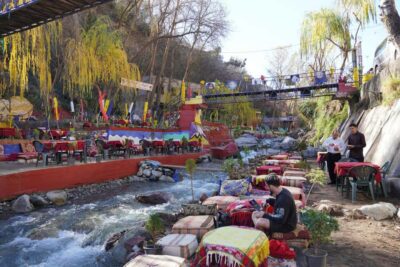
Ourika Valley Day Trip from Marrakech with Guide & Lunch
Read our review →
Ourika Valley & Atlas Mountains, Day Trip + Lunch
Read our review →Browse the lists this tour appears in