
Reviewed · ATLAS MOUNTAINS TOURS
3 Days Trek Atlas Mountains Berber Villages from Marrakech
The High Atlas rewards steady feet. This three-day trek from Marrakech takes you through Toubkal National Park, Berber villages, green valleys, rocky passes, and the Tamsoult waterfalls, with mules carrying your bags and local guides leading the way. I especially like the mix of mountain walking and village life, plus the chance to share mint tea or a meal with a guide’s family.
The food, small guesthouses, and flexible pace add real value at $129 per person. You should also know that communication before departure can be late or unclear, and the mountain paths are rocky enough to require sturdy footwear and a reasonable level of fitness.
In This Review
- Key points to know before you book
- Why three days works so well in the Atlas
- Day one: Marrakech to Imlil and the first village paths
- Day two: Mzik Pass and Tamsoult waterfalls
- Day three: Tamsoult, Ait Aissa, and the return to Marrakech
- The guides make the difference
- What the $129 price really includes
- Packing for rocky paths and changing temperatures
- Communication and pickup details need attention
- Who should book this Atlas trek?
- Should you book it?
- FAQ
- How long is the Atlas Mountains trek?
- Where does the trek start?
- Does the tour visit Toubkal National Park?
- How high does the route go?
- Is food included?
- Are vegetarian or vegan meals possible?
- Can the guide adjust the walking route?
- How is luggage carried?
- What languages are available for the guide?
Key points to know before you book
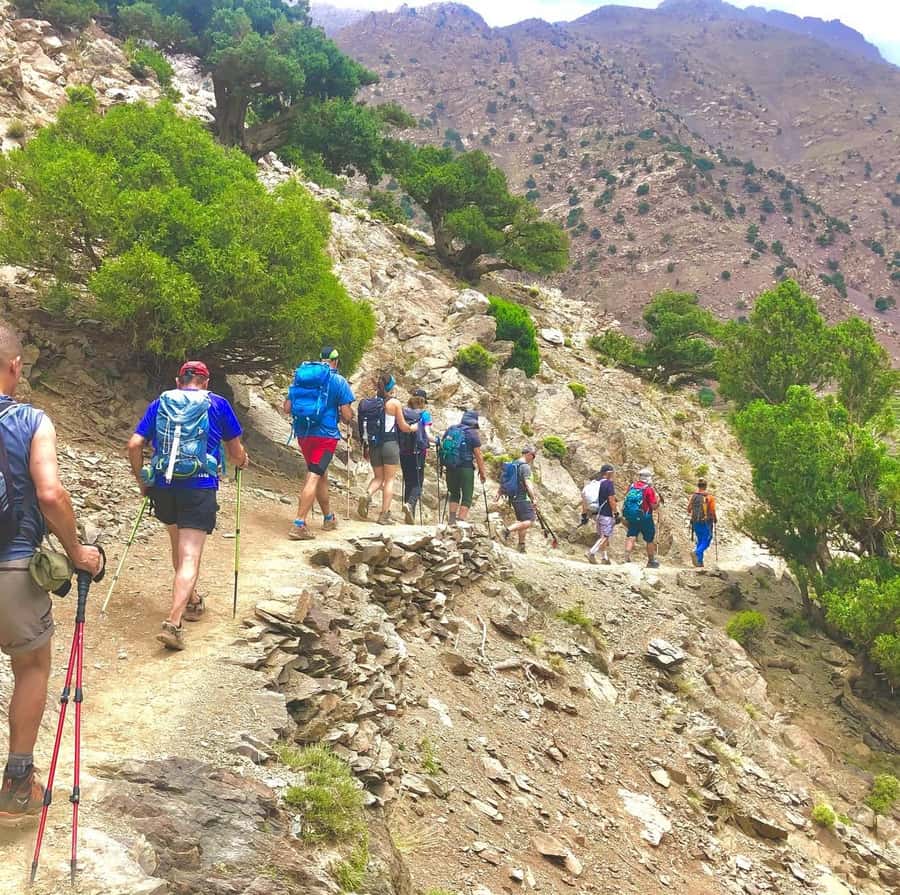
- The hiking is genuinely active: Expect about four to six hours of walking each day, with steep and rocky sections reaching passes around 2,200 to 2,500 meters.
- Day two is the hardest: The route over Mzik Pass includes a demanding climb, with an optional higher ascent available in some itineraries.
- Village contact is part of the appeal: Tea in a local home and visits with guide families make this more than a scenery-only hike.
- Your bags travel by mule: Pack light, since there is no luggage-storage service included in Marrakech.
- Accommodation is comfortable but varied: Expect riad-style rooms or simple mountain inns, with warm showers reported at both overnight stops.
- The guide can shape the trip: Guides such as Mohammed, Zakaria, Lahcen, Hassan, Mustapha, and Hanan have adjusted routes and walking speeds to suit different abilities.
Why three days works so well in the Atlas
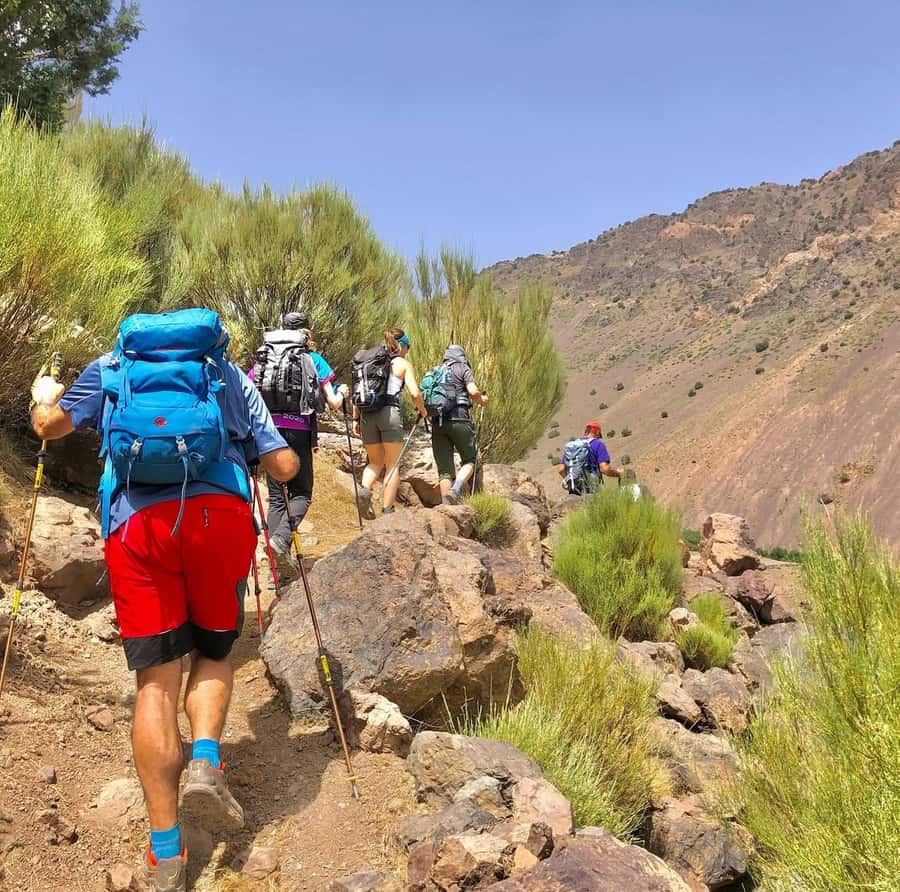
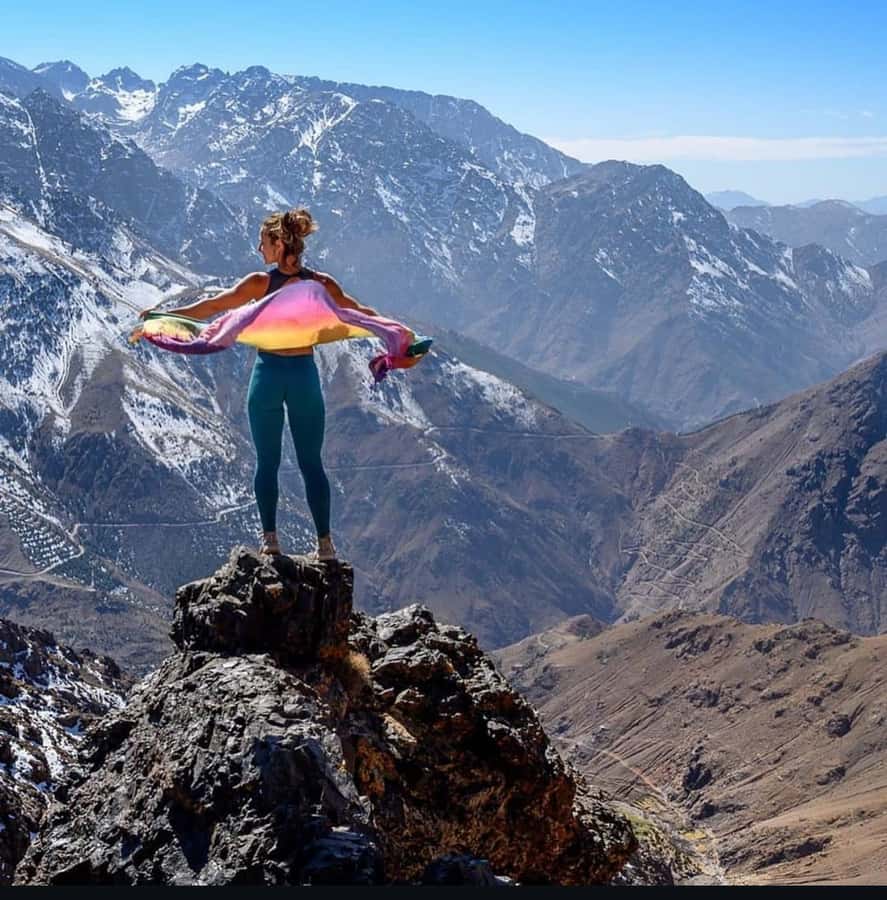
Marrakech is noisy, colorful, and fast. The High Atlas is the useful counterpoint: quiet trails, mountain air, village paths, and long views across the Ait Mizan Valley. With three days, you are not just driving to a viewpoint and returning before dinner. You have time to walk from village to village and sleep in the mountains.
This trip is based around Imlil and nearby valleys in Toubkal National Park. It does not aim for the summit of Mount Toubkal, Morocco’s famous high peak. Instead, you get a more cultural route through working villages and mountain passes. That makes it a good choice if you want outdoor activity without committing to a summit expedition.
I like the balance here. You spend several hours walking each day, but the route also includes tea stops, local meals, village encounters, and time to enjoy the accommodation. The pace can change with the group. Some people have completed the full routes as planned, while others have taken shorter walks or rested after a difficult climb.
The advertised group limit is 15 people. In practice, group size can vary, and several bookings have operated as private or very small walks. That can be a major advantage because the guide can match the route to your pace instead of pushing everyone along at one speed.
More Berber village visits near Marrakech:
- Berber villages : Atlas Mountains Day Hike from Marrakech
★ 5.0 · 14,007 reviews - Marrakech: Balloon Flight, Berber Breakfast & Certificate
★ 4.8 · 8,164 reviews - Marrakech: Majorelle Garden, YSL, and Berber Museum Entry
★ 4.6 · 5,168 reviews
Day one: Marrakech to Imlil and the first village paths
Pickup is generally arranged from your hotel or a central meeting point in Marrakech, with departure around 9 a.m. The drive to Imlil takes about an hour according to one account, though your exact transfer time depends on where you are staying and road conditions.
Imlil is the main starting point for the trek. After a welcome drink, you leave the village on foot and begin following paths through the valley. The first day is described as about four hours of walking, although some recorded routes covered roughly 5.7 kilometers with about 233 meters of ascent.
This is a gentle introduction compared with day two. You walk past several Berber villages, see how homes and farmland fit into the mountain slopes, and meet local people along the route. The scenery changes as you climb, with cultivated valley areas giving way to rougher slopes and wider views.
A particularly good touch is the mint tea stop in a traditional Berber home after about an hour of walking. Tea is not just a quick refreshment here. It gives you a chance to sit with a local family and see a little of everyday mountain hospitality. One guide, Mohammed, invited his group to his home, and other guides have done something similar with their families.
The day may also include a waterfall visit in the Imlil area and a traditional tagine lunch. Vegetarian and vegan meals can be accommodated, and the food is often described as plentiful and fresh. Expect Moroccan staples such as tagine, bread, salad, fruit, and tea, though the exact menu is not fixed.
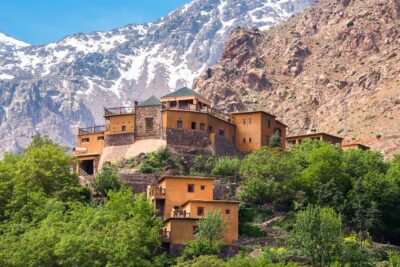
You spend the night in a riad-style property in Imlil. Accommodation can be a highlight rather than a basic necessity. Some properties have terraces, mountain views, swimming pools, or sundecks for watching the stars. The standard is not identical every time, but private rooms, private bathrooms, warm showers, and towels have all been reported.
The main drawback of day one is that the schedule can feel less exact than the printed plan suggests. In the off season, one group joined another walk to the waterfall, then rested at the accommodation instead of following a more demanding independent hike. That flexibility can be welcome, but you should not expect a rigid, minute-by-minute program.
Day two: Mzik Pass and Tamsoult waterfalls
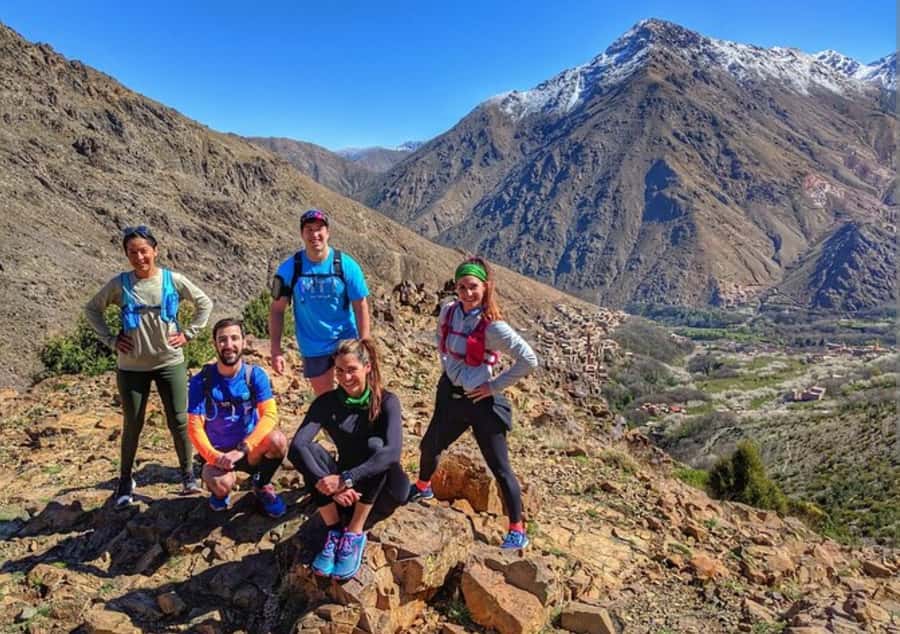
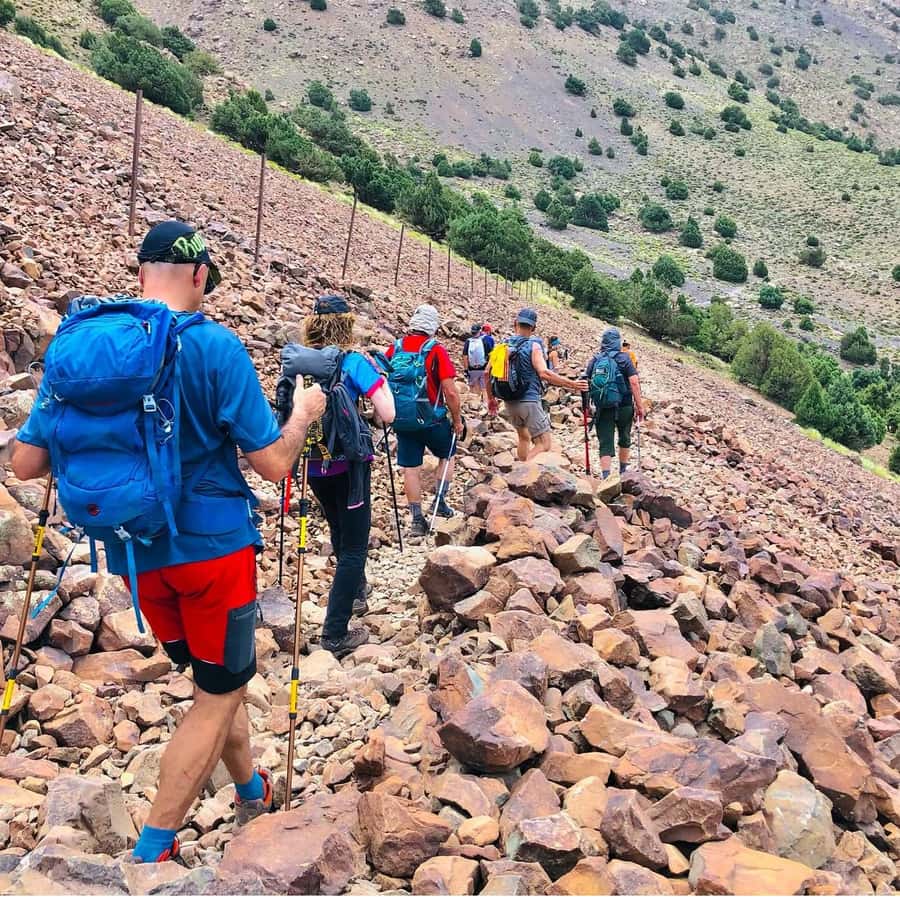
Day two is the heart of the trip. You follow a path over Tizi Mzik, also called Mzik Pass, at about 2,500 meters. From the pass, you get broad views over the Ait Mizan Valley and the surrounding High Atlas peaks.
The walking time is around six hours. One detailed account recorded 13.6 kilometers, about 975 meters of ascent, and an optional 350-meter peak climb. Those figures give you a better idea of the effort than the phrase mountain walk. This is a proper uphill day, with loose rubble and slippery sections underfoot.
You do not need to be an expert mountaineer, but you should be comfortable walking for several hours and climbing steadily. A guide may adjust the pace, shorten the route, or leave out an optional ascent. Guides have helped people who were slower, recovering from illness, or simply not ready for the full climb.
The pass is worth the work. The views open up as you gain height, and the route gives you a clear sense of how quickly the Atlas changes from settled valley to rough mountain terrain. Lunch is taken around Mzik before you continue toward Tamsoult.
The Tamsoult waterfalls are the day’s main sight. They are described as the biggest waterfall in Toubkal National Park, making this more than a stop for a quick photograph. The walk to the falls adds variety after the pass, and the changing views keep the route from feeling like one long climb.
You spend the second night at a different property, usually a simple mountain inn or guesthouse. It may be more basic than the first riad because of the remote setting, but the food and hospitality have received strong praise. Warm showers and towels have been available at both overnight stops on some departures, though you should expect comfort rather than city-hotel polish.
The food is one of the trip’s strongest points. Breakfast, lunch, dinner, water, and tea are included, and portions are generally generous. Some meals may feel repetitive, but fresh Moroccan cooking is a welcome reward after six hours on rocky paths.
Bring a light sleeping bag only if you like extra warmth or are traveling in a cooler season. It is not listed as an included item, and one detailed packing report suggested it as an optional extra.
Day three: Tamsoult, Ait Aissa, and the return to Marrakech
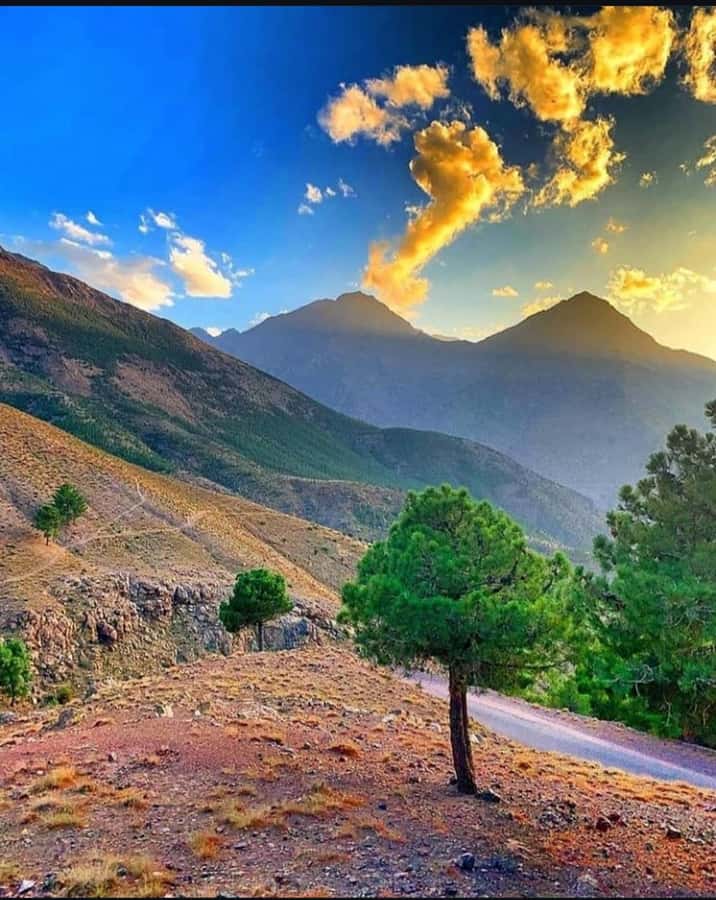
The final day covers about five hours of walking. You trek from Tamsoult toward Matat and Ait Aissa, passing more villages and crossing the Oudit Pass at approximately 2,200 meters.
Compared with day two, this route has less climbing but still involves a fair amount of uneven ground. One recorded version covered about 11 kilometers with 467 meters of ascent. The route can be shortened if your legs are tired, which is useful after the previous day’s climb.
This is a good closing walk because it keeps the focus on local villages rather than turning the last morning into a rushed transfer. You continue to see how people live in the valleys and how paths connect settlements that feel far apart by road.
Lunch is served out in the mountains. After lunch, you meet the driver at Matat for the transfer back to your hotel in Marrakech. The return drive marks a sharp change from quiet trails to the city’s traffic and medina streets, so plan a calm evening if you can.
The three-day structure gives you a satisfying amount of time outdoors without requiring a longer expedition. You leave with mountain scenery, village contact, and a feel for the region’s geography rather than only a quick visit to Imlil.
More days up in the Atlas:
- Marrakech: Atlas Mountains, Ourika Valley, Waterfall & Lunch
★ 4.8 · 15,834 reviews - Marrakesh: Ourika Waterfalls, Atlas Mountains, Guide + Lunch
★ 4.9 · 9,986 reviews - From Marrakech: Atlas Mountains Full-Day Hiking Trip w Lunch
★ 4.8 · 7,417 reviews - Marrakech: Atlas Mountains & Agafay Desert Tour w Camel Ride
★ 4.8 · 5,080 reviews
The guides make the difference
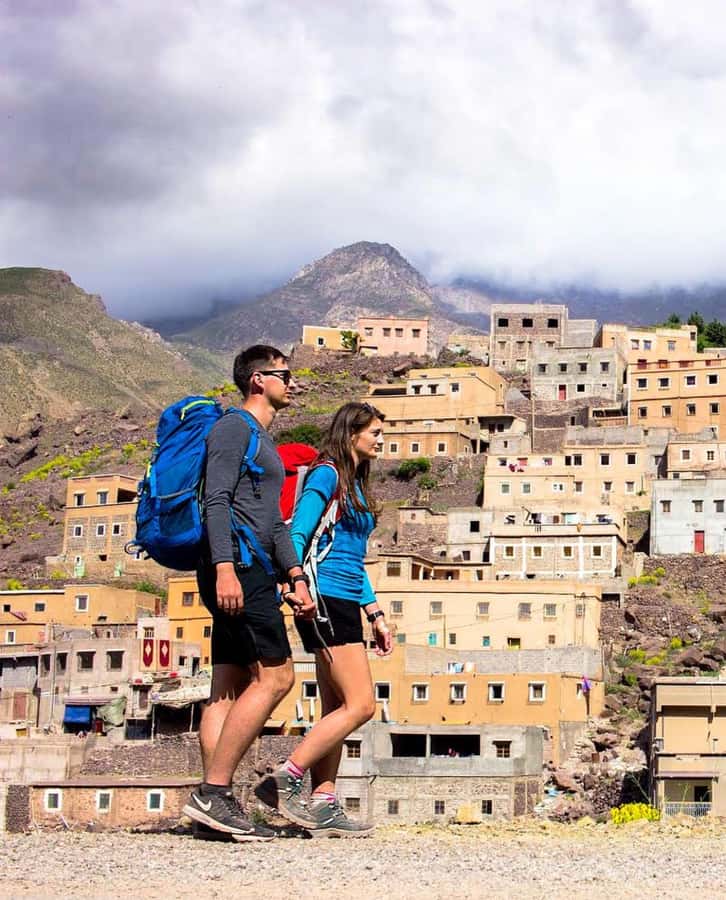
The strongest part of this experience is the local guiding. Names reported across different departures include Mohammed, Zakaria, Hassan Benzidane, Mustapha, Lahcen, Nidali Abdull, Abdul, and Hanan. Their styles vary, but the best guides do more than point out the route.
Mohammed has been praised for staying calm, walking at the group’s pace, and inviting people for tea at his home. Zakaria, also called Ziko, has chosen paths suited to different fitness levels and created a relaxed mood. Mustapha has adjusted routes for mixed abilities, while Lahcen has been praised for local knowledge, kindness, and practical help.
The flexibility can matter a great deal. One person who became ill during an ascent was helped off the mountain, taken to accommodation in Imlil, and given meals while recovering. The following day, Hanan provided a slower, more suitable walk through villages. That kind of response is a strong reason to use a local guide instead of attempting unfamiliar trails alone.
There is one important personal-safety concern. A woman traveling with another woman reported that a guide secretly took photographs of them without permission. That is not acceptable behavior. If you are a solo woman, ask for clear details about the guide and group before booking, and state your expectations about photographs. If you are traveling with others, you may feel more comfortable, but consent still matters.
Language ability also varies. Guides may speak English well, while others communicate less easily. WhatsApp has worked better than the booking app for some people, so use it if you need to clarify pickup, luggage, diet, or meeting details.
What the $129 price really includes
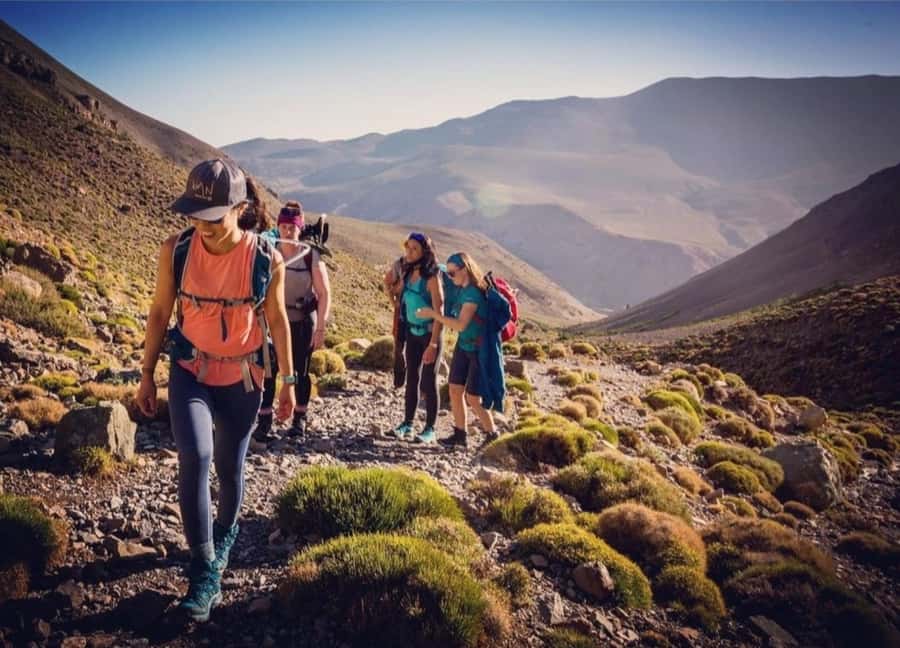
At $129 per person, the package offers strong value if you want three active days with the main costs covered. The price includes pickup and return transportation from Marrakech, a guide, two nights of accommodation, food for three days, drinking water, tea, and a mule to carry bags.
That is a lot of practical coverage for the price. You are not paying only for a walk. You are also paying for local route planning, mountain transport, overnight stays, meals, and support on terrain that can be confusing or tiring without a guide.
Drinks beyond the supplied water and tea are not included. Carry some Moroccan dirhams for anything extra. You should also confirm exactly what the mule will carry and how your personal bag will be transferred, since there is no luggage-storage service included in Marrakech.
The accommodation adds to the value. Some departures have included beautiful riads with pools and terraces, while others used simpler inns with private rooms and bathrooms. The difference is part of the mountain experience, but it means you should not book expecting one fixed hotel standard.
Packing for rocky paths and changing temperatures
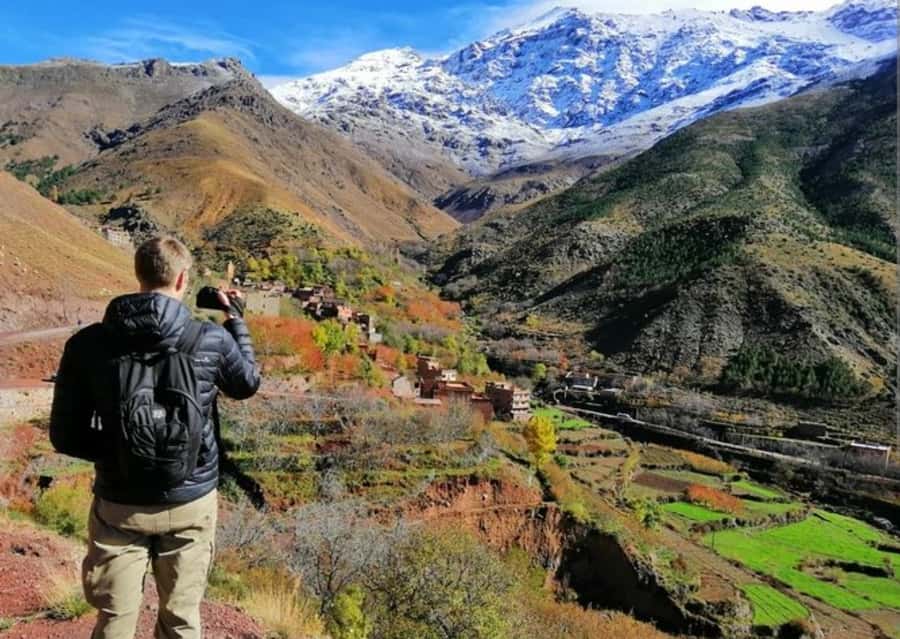
Pack light. Your main bag may travel by mule, but you still need a small day bag for water, layers, snacks, sunscreen, and personal items.
Good grip matters more than fashionable trekking clothes. Loose stones and slippery sections appear on the climbs, especially around the higher passes. Sturdy hiking shoes or boots are a sensible minimum.
Temperatures can change sharply between walking and resting. August can be hot in the daytime, while evenings on a terrace or sundeck may call for a coat. In cooler months, bring warm layers and consider a light sleeping bag.
A useful packing list includes:
- Sturdy shoes with good grip
- Warm and light layers
- A daypack
- Sun protection
- A refillable water container
- A coat for evenings
- A small amount of cash
- Any medication you may need
- A light sleeping bag if you prefer extra warmth
You should be fit enough for four to six hours of walking, with day two as the main test. The route is not presented as a technical climb, but the elevation, loose rock, and sustained ascent make it more than a casual stroll.
Communication and pickup details need attention
The trip itself has generally run better than the pre-trip communication. Pickup details have sometimes arrived late, even the night before or around midnight. That can be stressful when you are standing in Marrakech wondering where to meet your driver.
There has also been confusion over the map location. The meeting point may display a place far from central Marrakech, while the practical meeting location is Café Argana near the main square. Do not assume the map pin is correct. Confirm the exact pickup point, time, driver name, and phone number directly before departure.
The free-cancellation policy allows cancellation up to 24 hours in advance for a full refund, and you can reserve without paying immediately. Those terms help if your plans are still moving, but they do not replace a clear pickup confirmation.
Who should book this Atlas trek?
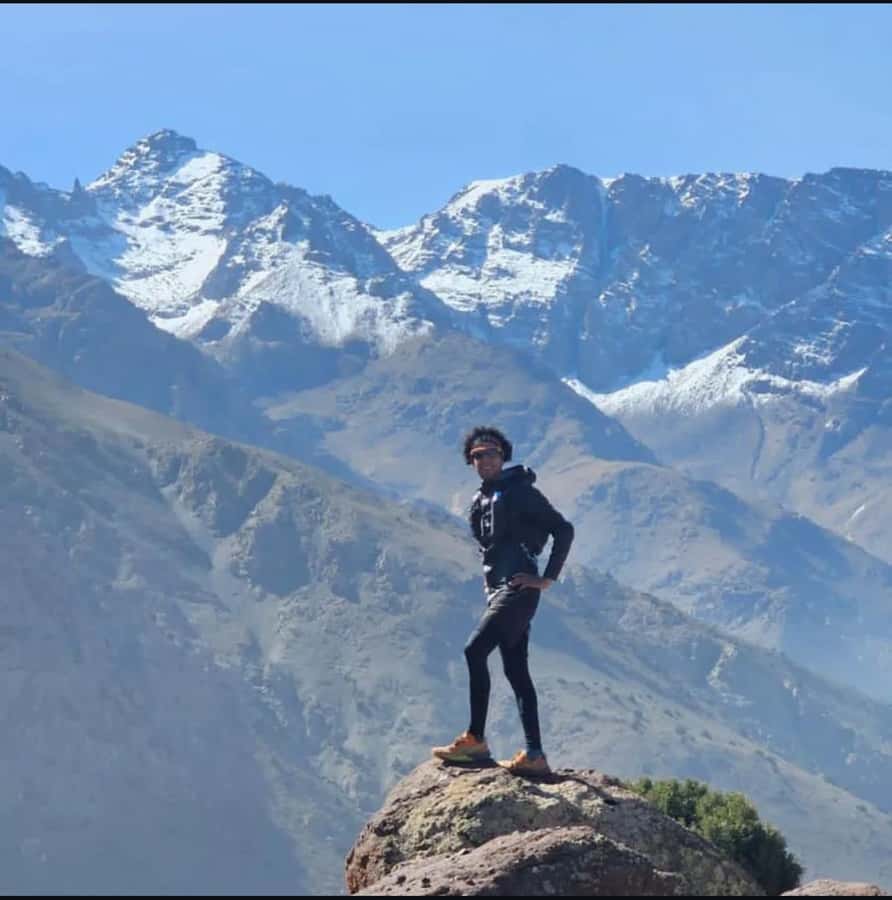
I would choose this trip if you want a moderate-to-challenging mountain experience with a strong cultural side. It suits people who enjoy walking for several hours, do not need luxury accommodation, and like the idea of drinking tea in a local home rather than moving from one sightseeing stop to another.
It also works well for couples, friends, and solo visitors who want a guide and the chance to join a small group. The group limit of 15 is manageable, and a smaller departure can become almost private, with the route adjusted to your speed.
You should think twice if you dislike uneven paths, prefer exact schedules, or expect polished pre-trip communication. This is also not the right choice if your main aim is to climb Mount Toubkal. The trek visits Toubkal National Park and reaches high passes, but it is a village and valley route rather than a summit program.
Should you book it?
Book it if you want three days of real walking, generous Moroccan meals, simple but comfortable mountain stays, and contact with local families. The price is hard to fault when transport, guiding, accommodation, food, water, tea, and mule support are all included.
Before paying, message the operator on WhatsApp and confirm the pickup location, group size, guide, luggage plan, dietary needs, and expected walking level. Bring proper shoes and pack light. If you accept a little uncertainty in the organization, this is a rewarding way to trade Marrakech’s busy streets for Berber villages, high passes, and the Tamsoult waterfalls.
FAQ
How long is the Atlas Mountains trek?
The experience lasts three days and includes roughly four hours of walking on day one, six hours on day two, and five hours on day three.
Where does the trek start?
The trip starts with pickup in Marrakech and transportation to Imlil, where the walking portion begins.
Does the tour visit Toubkal National Park?
Yes. The route includes trekking in Toubkal National Park and a visit to the Tamsoult waterfalls.
How high does the route go?
The itinerary crosses Mzik Pass at about 2,500 meters and Oudit Pass at about 2,200 meters.
Is food included?
Yes. Food for three days, water, and tea are included. Other drinks are not included.
Are vegetarian or vegan meals possible?
Yes. Vegetarian and vegan meals have been provided on departures, but you should state your dietary needs before the trek.
Can the guide adjust the walking route?
Yes. Guides have adjusted the pace and route for different fitness levels, and the final day can be shortened.
How is luggage carried?
A mule carries the bags during the trek. Since luggage storage in Marrakech is not included, you should bring only what you need or arrange storage separately with your accommodation.
What languages are available for the guide?
Available guide languages include Arabic, Breton, Dutch, German, Greek, Irish, French, Romanian, Slovak, English, Danish, and Spanish. Availability can depend on the departure.
More 3-Day Experiences in Marrakech
- From Marrakech: 3-Day Merzouga and Sahara Desert Tour
★ 4.9 · 15,308 reviews - From Marrakech: Merzouga 3-Day Desert Safari with Food
★ 4.7 · 12,232 reviews - 3-Day Marrakech to Merzouga Desert Tour: Camel Rides & Overnights
★ 5.0 · 8,734 reviews - 3-Day Marrakech to Fes Sahara Desert Tour via Merzouga
★ 5.0 · 6,546 reviews
More Hiking & Trekking in Marrakech
- From Marrakech: Ouzoud Waterfalls Guided Hike and Boat Trip
★ 4.7 · 33,630 reviews - 3 Days Desert Tour From Marrakech To Merzouga Dunes & Camel Trek
★ 5.0 · 10,125 reviews - Marrakech: Ourika Valley Trip with Waterfall Hike
★ 4.6 · 6,792 reviews - Marrakech: Ourika Valley Trip with Waterfall Hike & Lunch
★ 4.9 · 5,303 reviews
Just listed around Marrakech
- 3 Days To Merzouga Desert★ 5.0 · 19 reviews
- 3 Days Shared Sahara Desert Tour From Marrakech★ 5.0 · 78 reviews
- 1 night Camel Treking in Merzouga Desert Luxury Camp★ 5.0 · 132 reviews
- 3 Days Sahara Desert Trips From Marrakesh★ 5.0 · 176 reviews
- 3 Days Sahara Tour from Marrakech to Merzouga Dunes★ 5.0 · 29 reviews
- trip of your dreams in 3 days and 2 nights in the desert★ 5.0 · 36 reviews
- 3 Days Private Tour to Merzouga Desert from Marrakech★ 5.0 · 77 reviews
- 3 Day Sahara Desert Tour From Marrakech★ 5.0 · 49 reviews
Atlas Mountains Tours, compared.
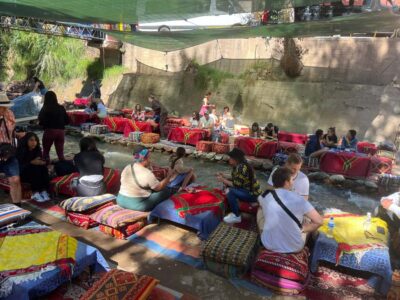
Atlas Mountains, Ourika Valley, Waterfall & Lunch
Read our review →
Berber villages : Atlas Mountains Day Hike from Marrakech
Read our review →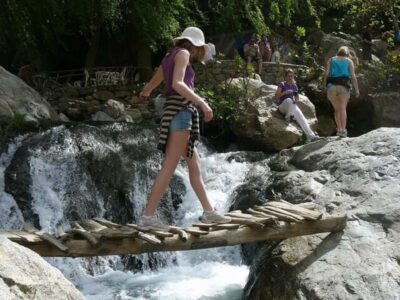
Ourika Waterfalls, Atlas Mountains, Guide + Lunch
Read our review →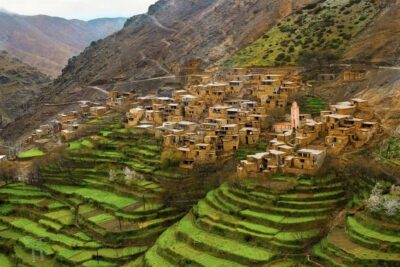
Atlas Mountains & Agafay Desert Tour w Camel Ride
Read our review →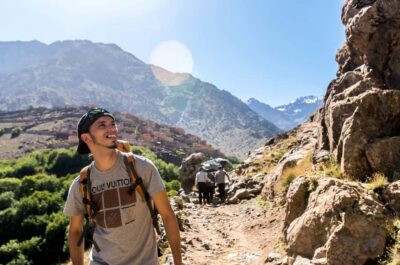
Atlas Mountains, Waterfalls, Ourika Valley +Lunch
Read our review →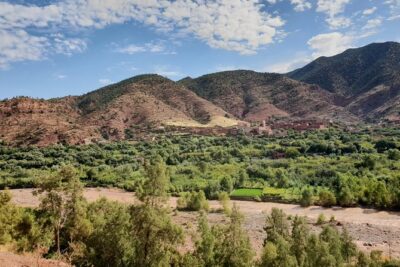
Atlas Mountains & 5 Valleys Tour from Marrakech – All inclusive –
Read our review →Browse the lists this tour appears in