
Reviewed · WORKSHOPS
Essaouira: Moroccan pastry workshop
Moroccan sweets are small, fragrant, and made for sharing. This Essaouira pastry workshop gives you a hands-on way to learn two classic recipes, then sit down for mint tea and taste what you made. I like the use of fresh local ingredients and the patient instruction in English, French, or Arabic. The main thing to consider is timing: the class begins at 3:30 p.m., so it takes up much of an afternoon.
I also like that you leave with a box of pastries, not just a recipe card and a quick taste. The group is limited to nine people, which should make it easier to ask questions and get help with delicate steps. Hotel pickup is not included, and any extra food or drink at the Atelier café costs more.
The workshop lasts about 1 hour and 45 minutes, though it is sold as a two-hour activity. You make gazelle horns and cakes with dried fruit and sesame seeds, learn the Moroccan tea ceremony, and enjoy the results with mint tea. With a price of 300 Moroccan dirhams per person, listed at about $34, it offers a pleasant cultural activity at a moderate cost.
In This Review
- Key points at a glance
- A sweet change of pace in Essaouira
- What happens at 3:30 p.m.
- Making gazelle horns by hand
- The dried fruit and sesame cakes
- Mint tea turns the lesson into a social occasion
- A box of pastries for later
- Friendly teaching is the real strength
- Is 300 dirhams a fair price?
- Who should book this workshop?
- Booking details worth knowing
- Should you book the Essaouira pastry workshop?
- FAQ
- Where does the Moroccan pastry workshop take place?
- What time does the class begin?
- How long does the activity last?
- Which pastries will I make?
- Is Moroccan mint tea included?
- Can I take food home?
- Which languages are available?
- How many people can join the class?
- Are hotel pickup and extra café purchases included?
Key points at a glance
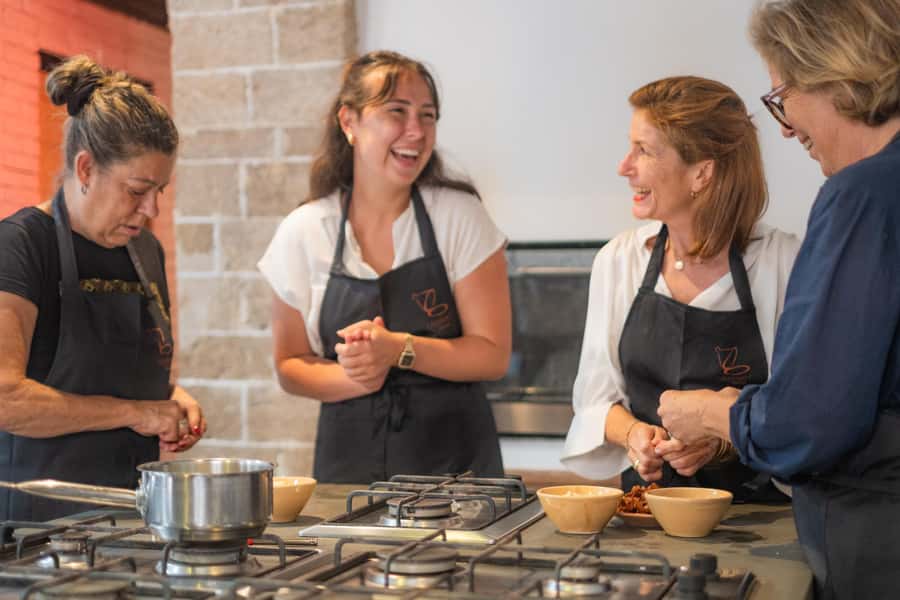
- Two Moroccan pastries: Prepare gazelle horns plus cakes made with dried fruit and sesame seeds.
- Tea is part of the lesson: Learn the mint tea ceremony, then drink tea while tasting your pastries.
- Small class size: Groups are limited to nine participants, allowing for personal help.
- Three teaching languages: Instruction is available in Arabic, French, and English.
- A useful souvenir: You take home a box of the pastries made during class.
- A short afternoon activity: The session starts at 3:30 p.m. and lasts roughly 1 hour and 45 minutes.
A sweet change of pace in Essaouira
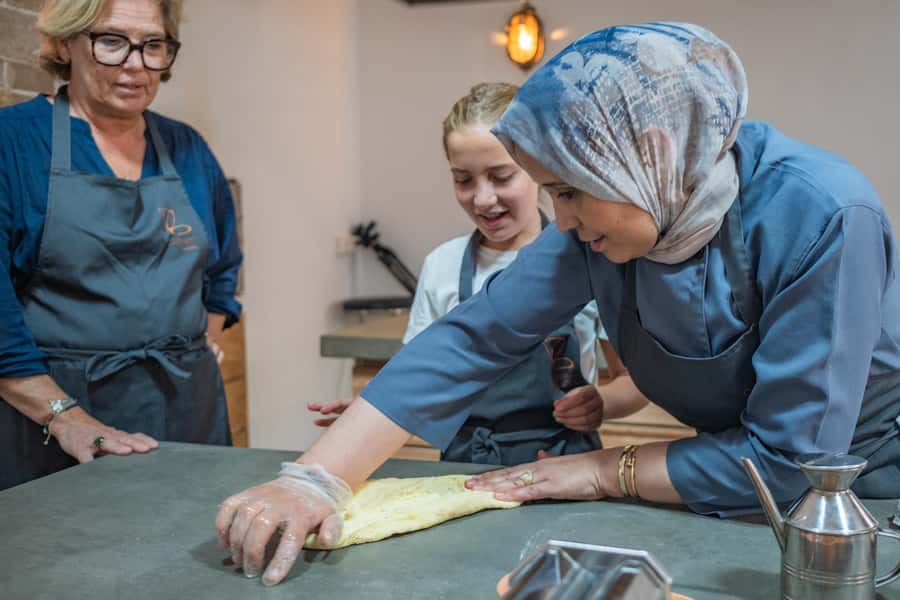
Essaouira is easy to enjoy at street level, with time spent walking, looking, eating, and stopping when something catches your attention. This workshop gives you a different way to spend an afternoon. Instead of only buying Moroccan sweets from a pastry shop, you learn how two of them are made.
That difference matters. Pastries can tell you a great deal about local food traditions, especially when the class connects the cooking with tea and conversation. You are not simply handed a finished snack. You take part in the process, then share the food in the setting that makes the sweets feel at home.
The activity takes place at l’Atelier Essaouira. The supplied information describes a pretty setting and a lively workshop atmosphere. The class is led by a chef and an activity host, both praised for being friendly, patient, and clear in their teaching. No individual guide names are provided, but the warm approach comes through clearly.
The class is a good fit if you want a cultural activity that is relaxed and practical. It is less suited to anyone looking for a full cooking course with several savory dishes. This is a focused pastry lesson, followed by tea and tasting.
A few more Essaouira runs to hold up against each other
- Essaouira: Surf Lessons
★ 4.9 · 412 reviews - Kitesurfing Lessons in Essaouira Beach
★ 5.0 · 206 reviews - Group Kitesurfing lesson with a Local in Essaouira Morocco
★ 5.0 · 175 reviews
What happens at 3:30 p.m.
The class starts at 3:30 p.m., making it a natural choice after a morning of sightseeing. You should plan to arrive at the workshop rather than expect a hotel transfer, since pickup is not included.
The total experience is described as two hours, with the active class lasting about 1 hour and 45 minutes. That leaves enough time for instruction, preparation, tasting, and the tea ceremony without turning the session into a long commitment.
A small group limit of nine people is useful here. Pastry work often involves small movements, careful shaping, and timing. In a crowded class, you might spend too much time watching from the side. A group of this size should give you a better chance to follow demonstrations and ask for help.
The class can be taught in English, French, or Arabic. That makes it accessible to a wide range of visitors, though it is worth confirming your preferred language when booking if that matters to you. Some activity content is presented in its original language, so you should be comfortable with a little flexibility.
Making gazelle horns by hand
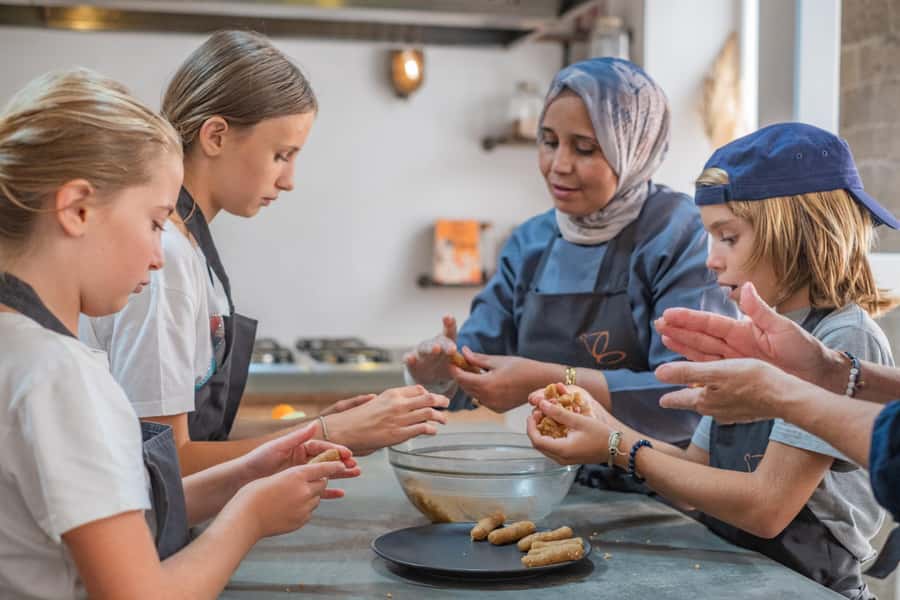
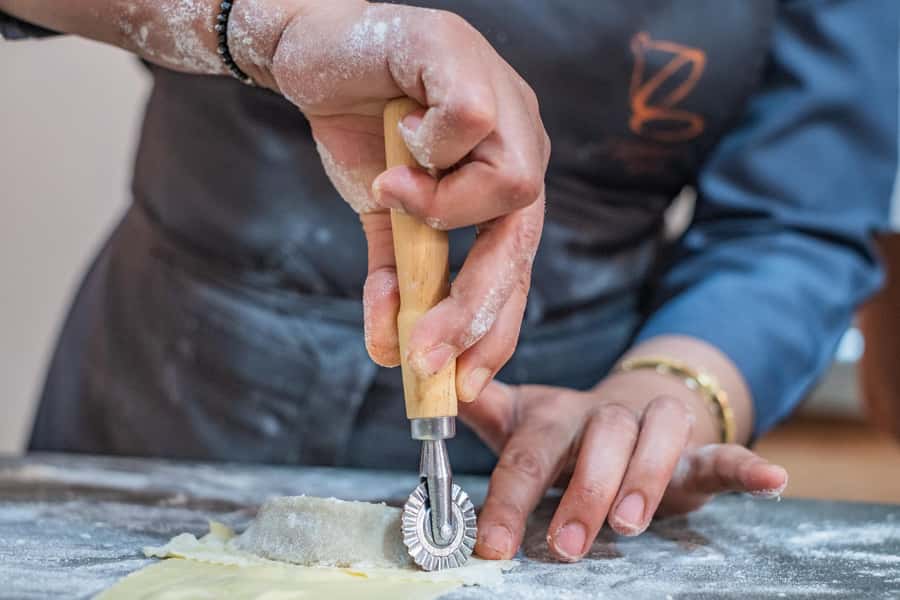
Gazelle horns are one of the two pastries prepared during the session. The name refers to their curved shape. They are a familiar Moroccan sweet and a good choice for a workshop because their appearance depends on careful shaping rather than complicated equipment.
You can expect the instructors to demonstrate the process before you try it. The teaching style is described as patient and encouraging, which is especially helpful if your first pastries look more rustic than polished. That is part of the fun. You are learning a traditional method, not competing for a pastry-shop display window.
The value here is in seeing how ingredients become a finished sweet through handwork. A recipe online can tell you quantities and steps, but it cannot always show the feel of the dough or the right way to shape a pastry. A live demonstration gives you a better sense of the process.
The class does not promise a large selection of pastries. You make two types only. That is a limitation if you want a broad survey of Moroccan baking, but it also means the instructors can spend more time helping you with each recipe.
The dried fruit and sesame cakes
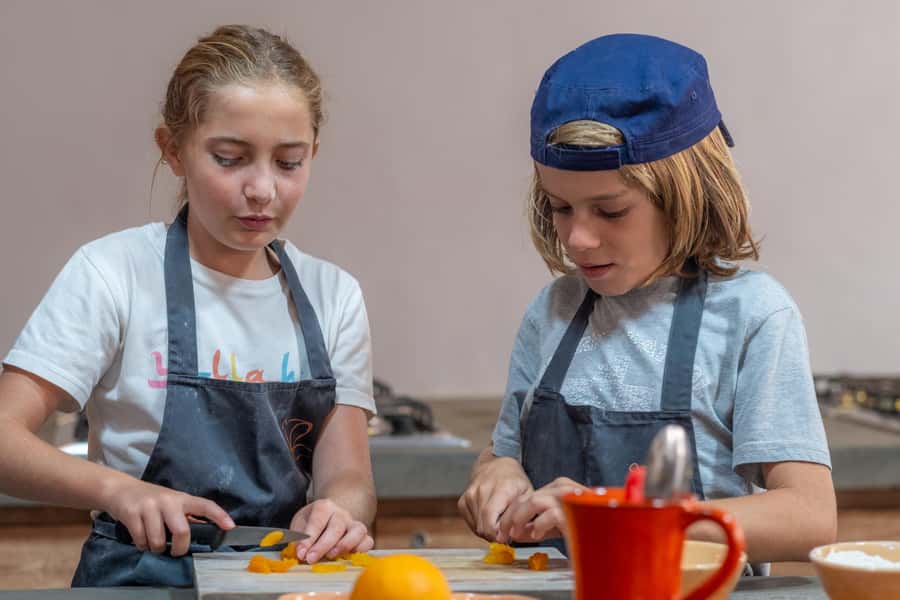
The second recipe uses dried fruit and sesame seeds. This gives the session a different texture and flavor from the gazelle horns, so you get some variety without an overloaded schedule.
Fresh, local ingredients are used in the recipes. That is one of the strongest parts of the experience for me. It connects the activity with the food you are likely to encounter elsewhere in Morocco, rather than turning the class into a generic baking lesson that could happen anywhere.
The instructors also explain the ingredients and test your understanding as you work. That small teaching detail makes the activity more engaging. You are not just copying movements. You have a chance to learn what goes into the sweets and why each part matters.
Do not expect a professional kitchen qualification or a formal baking exam. This is a friendly introduction. You may leave with pastries that are not perfectly uniform, but you will have learned enough to recognize the methods and perhaps repeat them at home.
Same city gate, a very different afternoon:
- From Marrakech: Essaouira & Atlantic Coast Full-Day Trip
★ 4.4 · 1,100 reviews - Big dunes and atlantic coast tour 2 HOURS
★ 5.0 · 439 reviews - 3 hours ride on camel at sunset
★ 5.0 · 326 reviews - Essaouira Sand Dunes: Half Day Quad Bike Tour
★ 5.0 · 313 reviews
Mint tea turns the lesson into a social occasion
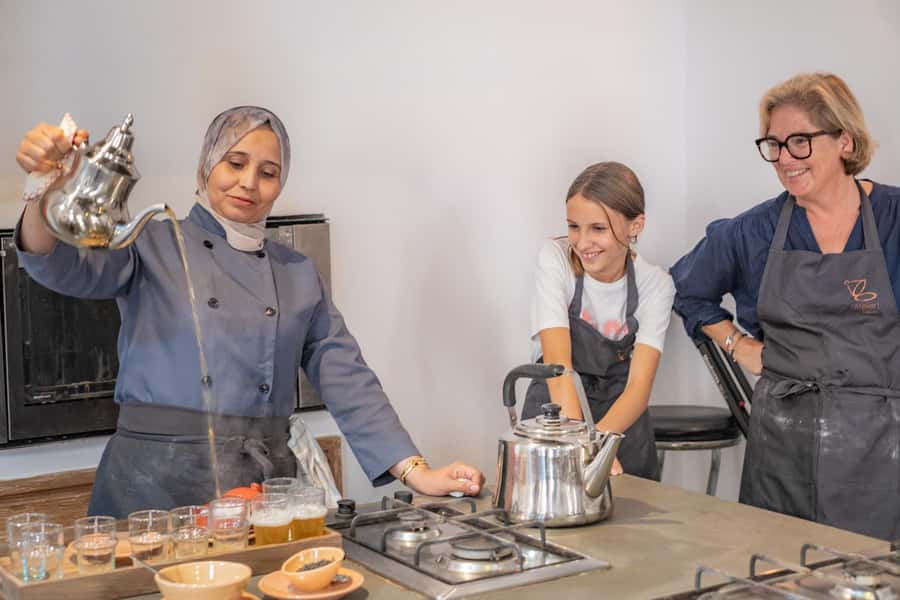
The Moroccan tea ceremony is not an extra tacked onto the end. It is part of the workshop. You learn how the ceremony is carried out, then share mint tea while tasting the pastries you prepared.
That pairing is important. Moroccan sweets are often enjoyed with tea, and the combination helps explain why these pastries are made in small, shareable pieces. The tea also slows the experience down. After the hands-on work, you get time to sit, taste, and talk.
This is one reason the class feels more personal than a simple recipe demonstration. Cooking is the main activity, but the tea ceremony gives it a social center. If you enjoy food experiences that include local customs and conversation, this part will likely be as memorable as the baking.
The tasting is also practical. You can see how the finished sweets work with mint tea while they are fresh. The workshop becomes a complete afternoon activity, from ingredients to preparation to serving.
A box of pastries for later
At the end, you leave with a box of the cakes made during the class. This is a useful touch, especially if you are spending several days in Essaouira and want something to enjoy later.
The box also gives the experience more lasting value. You do not have only a quick taste at the table. You can take the results with you and continue the tasting at home, in your accommodation, or during the next stage of your trip.
The exact quantity in the box is not specified, so do not book the workshop based on an expected number of pastries. Think of it as a take-home portion from the class rather than a large food gift.
If you are carrying food onward, remember that the pastries are part of your personal luggage. The activity does not mention special packaging for long-distance transport, so you should treat the box as a short-term souvenir.
Friendly teaching is the real strength
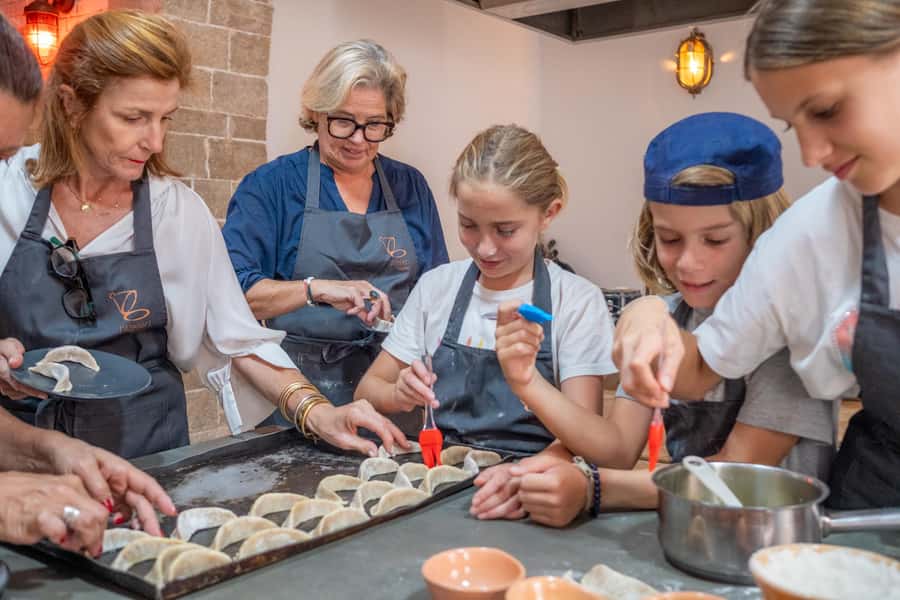
The most consistent praise goes to the people leading the class. The chef and activity host are described as extremely kind, patient, and good at explaining each step. That matters more than fancy equipment in a short workshop.
A pastry class can become frustrating when instructions move too quickly. Here, the emphasis is on taking time with participants, explaining ingredients, and offering help. One French participant appreciated being able to attend alone and still receive close attention from the two women running the session.
That detail is helpful if you are traveling alone. A small class can make it easier to meet others, and the activity naturally creates conversation because everyone is working with the same recipes. You do not need to arrive with a group to enjoy it.
The language choice also adds flexibility. English, French, and Arabic are offered. If you speak one of these languages, you should be able to follow the main instruction, ask questions, and understand the tea ceremony explanation.
Is 300 dirhams a fair price?
The price is 300 Moroccan dirhams per person, listed at about $34. For that fee, you receive the pastry lesson, instruction for the tea ceremony, mint tea with your tasting, and a box of the pastries you make.
I consider that fair value for a small-group activity. You are paying for more than ingredients. The price includes teaching, a cultural explanation, time with the instructors, and a take-home result. The group limit of nine also gives the class a more personal feel than a large demonstration.
The value is strongest if you enjoy participating rather than simply watching. If you mainly want to eat Moroccan sweets, a café or pastry shop will cost less. If you want to understand how the sweets are prepared and take part in the ceremony, the workshop earns its price.
Keep two costs in mind. Hotel pickup is not included, and extra consumption at the Atelier café is separate. The included tea and tasting are part of the class, but anything beyond that is your responsibility.
Who should book this workshop?
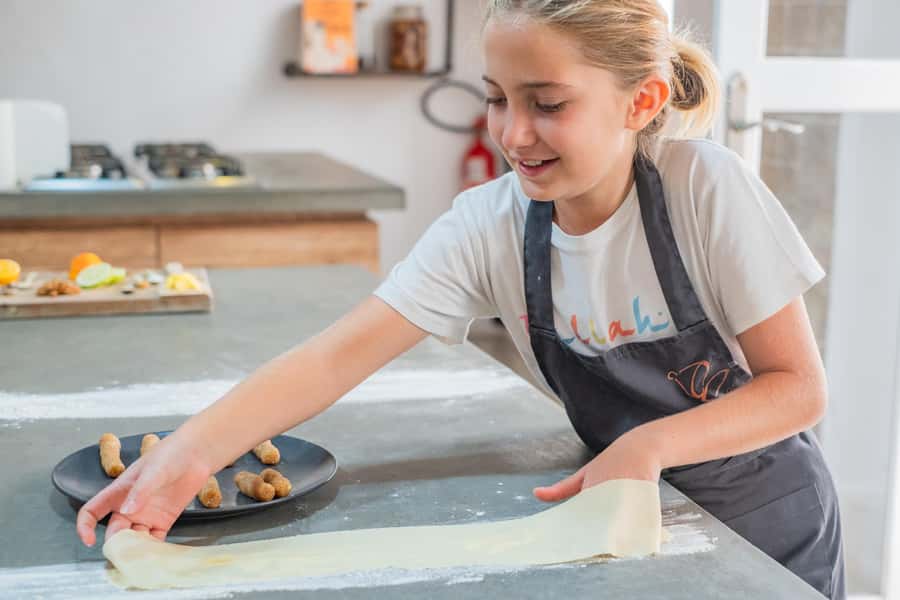
This activity suits food-minded visitors, couples, solo visitors, and small groups who want a calm afternoon experience. It is also a good option if you have already seen the main sights in Essaouira and want something more hands-on.
Families should note the age rule. Children under eight are not suitable for the class. Older children may enjoy shaping the pastries, but the supplied information does not describe a special children’s version, so you should judge based on your child’s interest in following a cooking lesson.
You should also book it if you appreciate local customs explained in a simple, direct way. The tea ceremony gives the class a cultural layer, while the two recipes keep the activity focused.
This may not be the best choice if you need a flexible schedule. The fixed 3:30 p.m. start means you need to plan around it. It is also not ideal for anyone seeking a long, advanced cooking course or a wide menu of Moroccan dishes.
Booking details worth knowing
You can cancel up to 24 hours before the activity for a full refund. The reserve-now, pay-later option lets you hold a place without paying immediately, which is useful when your Essaouira plans are still changing.
Availability and starting times should be checked before you book, though the standard class begins at 3:30 p.m. The advertised duration is two hours, with the actual class described as approximately 1 hour and 45 minutes.
The experience is provided by l’Atelier Essaouira. Since hotel pickup is not included, allow time to reach the venue on your own. Extra café purchases are also outside the activity price.
Should you book the Essaouira pastry workshop?
I would book this if you want a friendly, compact food activity with a clear local connection. The strongest reasons are the patient instruction, the small group size, the mint tea ceremony, and the box of pastries you take away.
At about $34, it is not the cheapest way to eat Moroccan sweets, but it offers much more than a tasting. You learn two recipes, practice traditional methods, share tea, and leave with something you made yourself.
Skip it if your schedule cannot accommodate the 3:30 p.m. start, if you are looking for savory cooking, or if you are traveling with a child under eight. For everyone else, this is a pleasant way to spend an afternoon in Essaouira, with enough practical content to make the experience more than a quick holiday treat.
FAQ
Where does the Moroccan pastry workshop take place?
The workshop takes place in Essaouira, Morocco, with l’Atelier Essaouira named as the experience provider.
What time does the class begin?
The class begins at 3:30 p.m.
How long does the activity last?
The activity is listed as two hours. The class itself lasts approximately 1 hour and 45 minutes.
Which pastries will I make?
You will make gazelle horns and cakes with dried fruit and sesame seeds.
Is Moroccan mint tea included?
Yes. The class includes instruction in the Moroccan mint tea ceremony, followed by tea and tasting of your pastries.
Can I take food home?
Yes. You leave with a box of the cakes made during the workshop.
Which languages are available?
Instruction is available in Arabic, French, and English.
How many people can join the class?
The workshop is a small-group activity limited to nine participants.
Are hotel pickup and extra café purchases included?
No. Hotel pickup is not included, and any additional consumption at the Atelier café costs extra.
Just listed around Essaouira
- Private Kitesurf Lesson in Essaouira Morocco★ 5.0 · 38 reviews
- How To Be A Real Moroccan Chef★ 5.0 · 101 reviews
- Group Kitesurfing lesson with a Local in Essaouira Morocco★ 5.0 · 175 reviews
- Surf Lesson with local surfer in Essaouira Morocco★ 5.0 · 166 reviews
- Surf Rental★ 5.0 · 31 reviews
- Individual Lessons of Kite Surf in Essaouira★ 5.0 · 113 reviews
- Essaouira: Private Transfer from or to Essaouira Airport★ 5.0 · 17 reviews
- The Sunday Market in Had Draa & Local Food Tasting.★ 5.0 · 33 reviews
Workshops, compared.
Traditional Moroccan Cooking Class & Market Visit
Read our review →
Moroccan Dishes Cooking Class with a Local Chef
Read our review →
Moroccan Cooking Class & Marrakech Market Visit with Chef Khmisa
Read our review →
Half-Day Cooking Class with Local Chef Laila in Marrakech
Read our review →
Browse the lists this tour appears in