
Reviewed · 3-DAY EXPERIENCES
From Marrakech: 3-Day Desert Tour to Agadir
The Sahara is worth the long road. This three-day trip links Ait Ben Haddou, Todra Gorge, and Erg Chebbi in one sweeping route from Marrakech to Agadir. I like the mix of famous sights and smaller stops, and I especially like that camel riding, desert camping, breakfast, dinner, and transport are included. The main drawback is the distance: day three involves a very long drive, with a taxi transfer after Ouarzazate.
I also like how much care the guides bring to the trip. Guides and drivers such as Ayoub, Imad, Azzdin, Walid, Hakim, and Abderrahman are often praised for keeping people comfortable, explaining local customs, and making sensible stops for food, drinks, and cash. Pack warm layers, though. Desert nights can be sharply cold, even when the afternoon sun feels fierce.
In This Review
- Key points to know before booking
- Why this Marrakech to Agadir route works
- Day one: crossing Tizi n’ Tichka to Ait Ben Haddou
- Ouarzazate and the Taourirt Kasbah
- Day two: Todra Gorge, Tinghir, and the road to Merzouga
- The Erg Chebbi camel ride and sunset
- What a night at the Merzouga camp feels like
- Sunrise, the Draa Valley, and the long run to Agadir
- Guides, drivers, and the human side of the trip
- Food, costs, and what the package really covers
- Who should book this three-day desert tour?
- What to pack for the road and desert
- Should you book the Marrakech to Agadir desert tour?
- FAQ
- How long is the tour?
- Is transportation included?
- Where do you stay overnight?
- Is the camel ride included?
- Are meals included?
- What should you wear in the desert?
Key points to know before booking
- Three major Moroccan regions in three days: Cross the High Atlas, pass through kasbah country, enter the Dades and Todra valleys, and finish among the dunes of Merzouga.
- A sunset camel ride is the emotional high point: Ride into the Erg Chebbi dunes, then wake early for sunrise the next morning.
- Ait Ben Haddou is more than a photo stop: A local guide can explain the fortified village and its many film connections, including Gladiator and Game of Thrones locations.
- Long drives shape the whole trip: You cover a great deal of ground, especially on the final run toward Agadir.
- Camping includes dinner, breakfast, drumming, and sandboarding: Quad bikes may be available as an extra, but they are not included.
- Bring cash and cold-weather clothing: Lunches, entrance charges, purchases, and small guide payments are not covered.
Why this Marrakech to Agadir route works
This is not a slow desert holiday. It is a fast, full Moroccan crossing that connects Marrakech with Agadir by way of the Sahara. In three days, you see high mountain roads, adobe villages, fortified kasbahs, red-rock valleys, palm-filled oases, and great dunes.
I like this route for first-time visitors who want a broad taste of southern Morocco but have limited time. You get the big names, yet the long drives are broken by regular stops, local guides, viewpoints, food breaks, and small cultural visits.
The tradeoff is simple. You spend plenty of time in the vehicle. The air-conditioned transport is important, and comfort depends partly on the van and the number of people in your group. A nine-seat van has been used for some departures, while other groups have been larger, so ask about the expected vehicle before booking if personal space matters to you.
The trip receives a 4.8 rating from 297 ratings, with especially warm praise for the guides and drivers. That matters here. A good driver makes the long road feel manageable, while a thoughtful guide can turn a roadside stop into something worth remembering.
A few more Marrakech runs to hold up against each other
- From Marrakech: 3-Day Merzouga and Sahara Desert Tour
★ 4.9 · 15,308 reviews - From Marrakech: Merzouga 3-Day Desert Safari with Food
★ 4.7 · 12,232 reviews - 3 Days Desert Tour From Marrakech To Merzouga Dunes & Camel Trek
★ 5.0 · 10,125 reviews
Day one: crossing Tizi n’ Tichka to Ait Ben Haddou
Pickup begins in Marrakech at your accommodation or the nearest point a vehicle can reach. This is useful if your riad sits in a narrow medina lane. You then head south toward the High Atlas Mountains.
The climb over Tizi n’ Tichka brings sharp bends, mountain views, and Berber villages scattered along the slopes. The pass is one of Morocco’s great road journeys, but it can be tiring if you suffer from motion sickness or back pain. Sit where you can see the road, keep water nearby, and take advantage of every break.
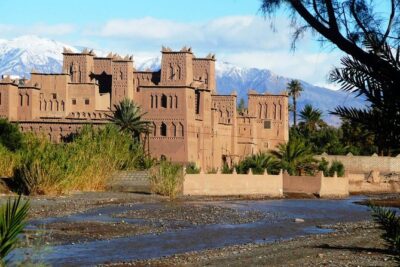
Ait Ben Haddou is the day’s main stop. This fortified village, built from earthen architecture, is a UNESCO World Heritage Site and one of Morocco’s most recognizable places. Its towers, walls, and narrow lanes have also appeared in major film and television productions.
Allow yourself time to look beyond the famous doorway photographs. The village shows how defensive homes, communal spaces, and decorative details worked together in a dry environment. A local guide normally leads the visit and adds context that you would miss by simply walking through alone.
There may be a small entrance or guiding charge not included in the package. One useful detail to know is that a guide payment of about four euros has been reported at the first day’s stop, so keep Moroccan dirhams or small euro notes available. Exact charges can vary.
Ouarzazate and the Taourirt Kasbah
After Ait Ben Haddou, the road continues to Ouarzazate, often called Morocco’s cinema city. The town has long served as a base for productions made in the surrounding desert and mountain country.
The Taourirt Kasbah gives you another look at southern Morocco’s earthen building tradition. It is a worthwhile contrast to Ait Ben Haddou. Ait Ben Haddou feels like a fortified village on a hillside, while Taourirt shows the scale and complexity of a grand kasbah in an urban setting.
Some stops along this route are arranged with local guides. You may also visit an argan oil cooperative, a scarf shop, or another local business. These visits can offer a window into regional work and customs, but they can also feel like shopping stops if you are hoping for nonstop sightseeing. Listen to the explanation, browse if interested, and do not feel obliged to buy.
The day continues through Skoura and the Valley of Roses before reaching Dades Town. Skoura is known for its palms and kasbahs, while the Rose Valley brings a change in color and vegetation along the route. The scenery becomes increasingly rugged as you approach the Dades area.
Your first night is in accommodation in the Dades Valley or Dades Town, with dinner and breakfast included. This hotel night breaks up the journey and gives you a bed before the desert portion. Food quality can vary by accommodation, but several meals have been praised, including a particularly good chicken tagine at one overnight hotel.
Day two: Todra Gorge, Tinghir, and the road to Merzouga
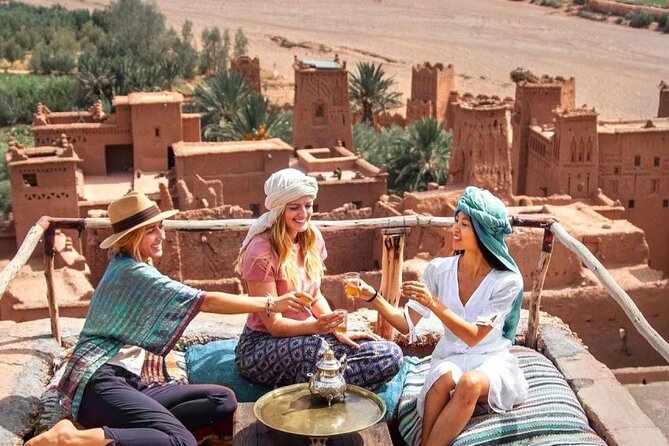
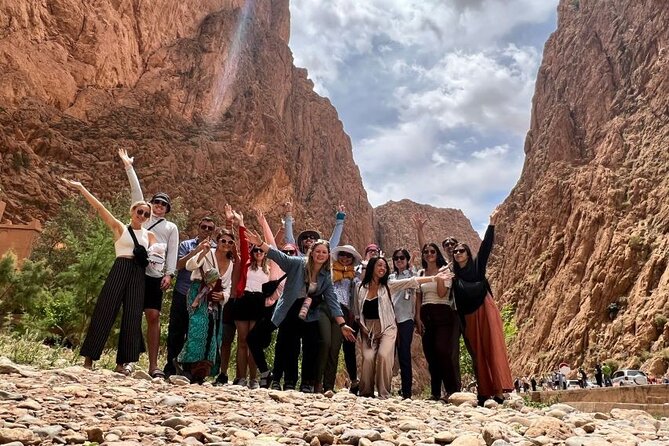
Day two begins around Boumalne Dades and heads toward Todra Gorge. The gorge is one of the trip’s strongest natural sights. Tall rock walls close in around the road and walking areas, creating a dramatic corridor of stone.
You will have time to walk and take photographs, though the exact amount depends on the group and the day’s driving schedule. Wear shoes with a firm sole. Sandals may be fine for short walks, but comfortable walking shoes are safer on uneven ground.
Nearby Tinghir and its oasis provide a more human-scale stop. The palm-filled valley has long supported agriculture and settlement in a dry region. A local guide may explain Berber family life, farming, and the way water supports the oasis.
This is where the tour gains depth. The desert is spectacular, but the oasis explains how people live before and beyond the dunes. I would pay close attention here rather than treating it as a quick photo stop.
The road then passes through Erfoud, known for its fossil and desert connections, before reaching Merzouga. Expect more hours in the van. Your guide may stop for snacks, drinks, or an ATM, but you should still carry cash from the start of the day.
Same city gate, a very different afternoon:
- Marrakech: Agafay Desert Sunset, Camel Ride, and Dinner Show
★ 4.6 · 35,119 reviews - From Marrakech: Ouzoud Waterfalls Guided Hike and Boat Trip
★ 4.7 · 33,630 reviews - Marrakech: Agafay Desert Quad & Camel Rides with Dinner Show
★ 4.8 · 27,382 reviews - Marrakech: Agafay Desert Quad Biking Tour with Dinner-Show
★ 4.8 · 16,569 reviews
The Erg Chebbi camel ride and sunset
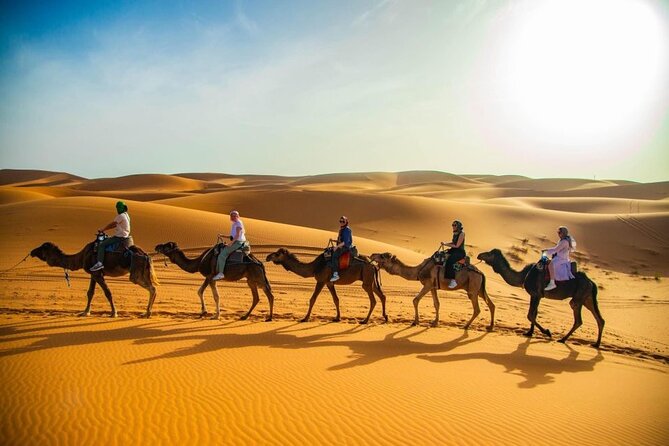
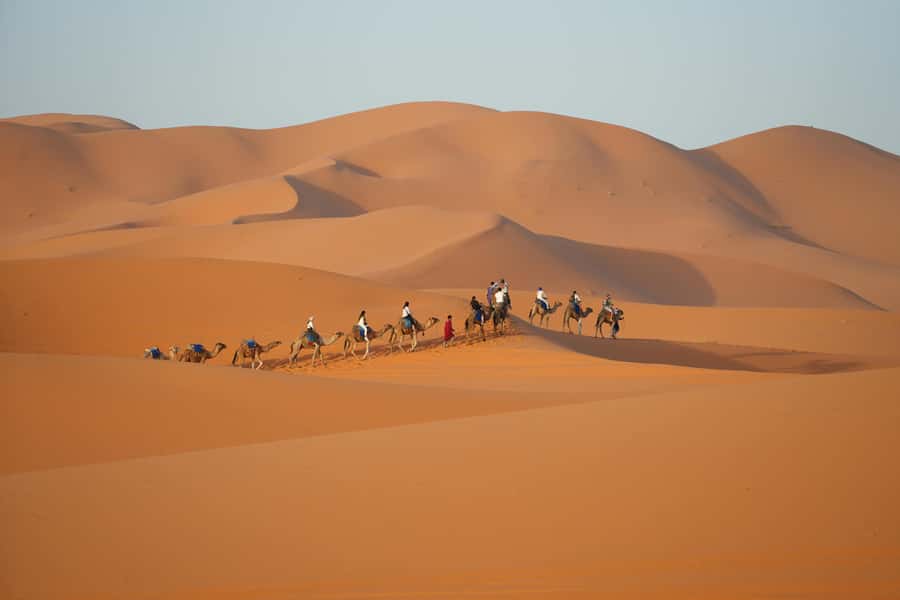
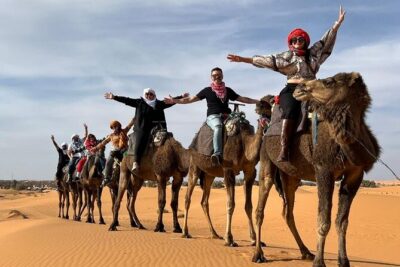
At Merzouga, you transfer to camels for the ride into the Erg Chebbi dunes. Each person receives one camel. The pace is gentle, and the main reward is the changing light as the sun drops over the sand.
Mounting and dismounting can be awkward, especially when the camel rises or kneels. Hold on, follow the camel guide’s instructions, and tell the staff if you need help. If you have back problems, this is one of the parts to consider carefully.
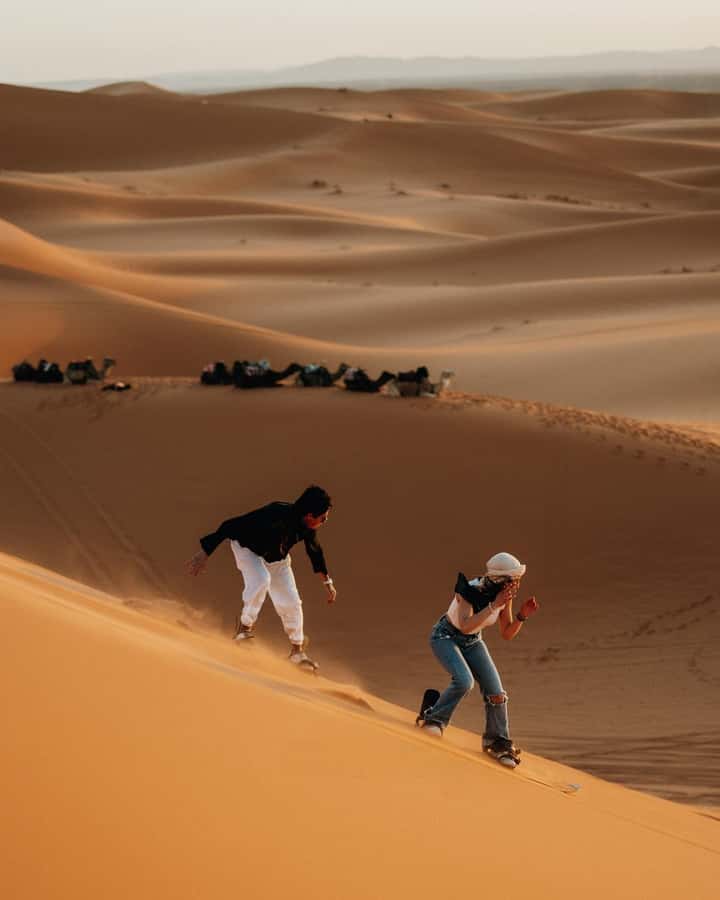
The sunset ride is the tour’s signature moment. The noise of the road falls away, the dunes take on warmer colors, and the camp appears ahead as a small settlement in the sand. Sandboarding is included, so you can try sliding down a dune after arrival.
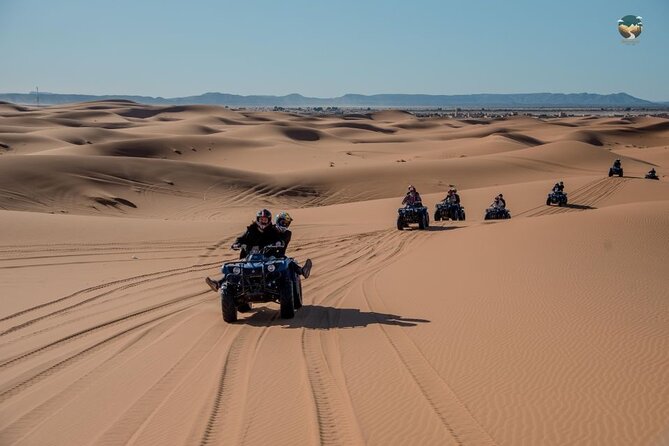
Some departures also offer quad biking for an extra cost. It is not part of the included package. If you choose not to add it, you normally continue by camel to and from camp, which gives you more time with the desert itself.
What a night at the Merzouga camp feels like
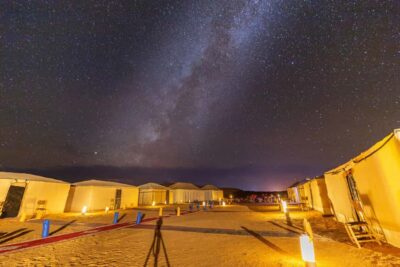
Dinner and breakfast are included at the desert camp. The evening includes drumming and music around the camp, with time to sit outside and look at the night sky.
The word traditional should be taken in a relaxed sense. The camp is set up for visitors, and some entertainment may include modern instruments alongside drums. That does not ruin the evening, but it is useful to expect a comfortable cultural performance rather than an isolated nomadic camp with no modern touches.
Standard and more comfortable camping arrangements may be available. A premium tent can include air conditioning and charging plugs, which are especially helpful in summer and for anyone carrying camera or phone batteries. At other times of year, the bigger concern is cold rather than heat.
The supplied advice to bring warm clothing is serious. Pack gloves, thick socks, a winter hat, and thermal layers for winter or cold-weather departures. Blankets may not be enough for every person. In summer, a small personal fan can be useful if the tent air conditioning is weak.
Sunrise, the Draa Valley, and the long run to Agadir
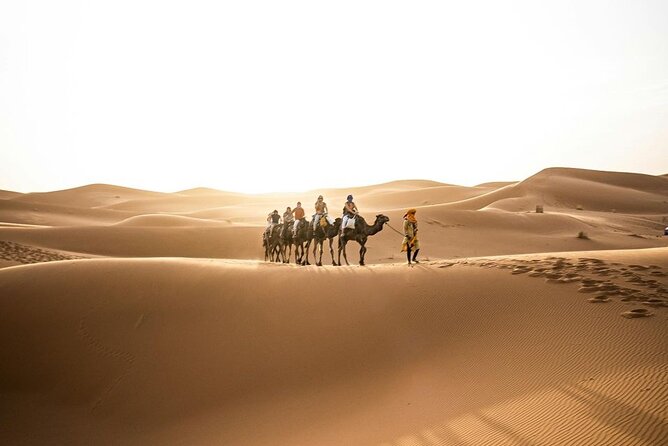
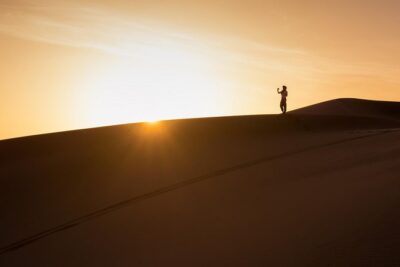
Wake early for sunrise over the dunes. This is worth the lost sleep. The first light creates a calmer, softer scene than sunset, and the cool air makes walking on the sand easier.
After returning to the auberge or departure point, the route turns west toward Agadir. You pass through the Draa Valley, an important corridor lined with palms and traditional kasbahs. The contrast with the open Erg Chebbi dunes is striking: here, settlement follows water in a long green ribbon.
The road continues through Taznakht and Taliouine. These towns break up the trip and show parts of southern Morocco that many short Marrakech visits miss. You should expect a great deal of driving on this day, however. The route to Agadir is ambitious, and the final stretch can feel more like a transfer than a sightseeing tour.
There is an important change of vehicle at Ouarzazate. You are split from the original group and transported onward to Agadir by taxi. This is not a fault, but it should be clear before you leave Marrakech. If you prefer one guide and one vehicle for the entire journey, this arrangement may disappoint you.
Drop-off is provided at your Agadir hotel or at the closest accessible point if your accommodation is on a restricted street. You can also be left at a central location.
Guides, drivers, and the human side of the trip
The strongest feature of this experience is the staff. Names praised for warmth, humor, safe driving, and good organization include Ayoub, Imad, Azzdin, Walid, Hakim, Abderrahman, Youssef, Ali, Abdul, Muha, and Hassan.
Of course, your assigned guide may be someone else. What you should expect from a good departure is regular explanation, help with local arrangements, and flexibility when the group needs a snack stop, a drink, or an ATM.
A guide can also make the vehicle time more useful. Along this route, you pass Berber villages, kasbahs, farming areas, and changing mountain country. Ask questions. Some guides have even added personal touches such as songs for guests from India or a surprise birthday cake in the desert.
Local guides appear at major sites such as Ait Ben Haddou and Todra Gorge. They can explain details in a way a driver cannot. Still, keep a little patience for the occasional scarf, carpet, or cooperative visit. These stops support local businesses, but they may not suit every sightseeing style.
Food, costs, and what the package really covers
The value is good if you want transport, two nights of accommodation, two evening meals, breakfasts, camel riding, sandboarding, fuel, and guiding bundled together. Arranging the Marrakech to Merzouga route and then reaching Agadir independently would take more planning and several separate bookings.
The package does not include lunches. You will need cash for midday meals, drinks, snacks, souvenirs, guide payments, possible entrance charges, and optional quad biking. Lunch restaurants along the route are generally described as satisfactory and fairly priced, but you should still budget rather than assume every meal is covered.
The absence of a stated tour price means I would judge value by the inclusions and the organization of your departure. Ask before booking about the exact camp category, expected group size, vehicle, local guide fees, and any optional activities. These details affect the experience more than a small difference in headline price.
Who should book this three-day desert tour?
I would recommend it to a first-time visitor who wants to see a lot of Morocco quickly. It suits people who place the Sahara, Ait Ben Haddou, and southern scenery above slow mornings and long stays in each town.
Families can enjoy the camel ride, sandboarding, and optional quad bikes, though parents should prepare children for long hours in the van. Solo visitors may also appreciate the organized transport and the attention provided by guides such as Abderrahman and Omar.
You should think twice if you have serious back problems, strong motion sickness, or little tolerance for early starts and long road days. The camel ride and desert camp are memorable, but the route is physically demanding in a quiet, practical way.
What to pack for the road and desert
Bring:
- Warm layers, gloves, thick socks, and a hat for cold nights
- Sunglasses and a sun hat
- Comfortable shoes for walking on stone and sand
- Cash in small amounts
- A phone charger and any personal medication
- A small fan if you are visiting in hot weather
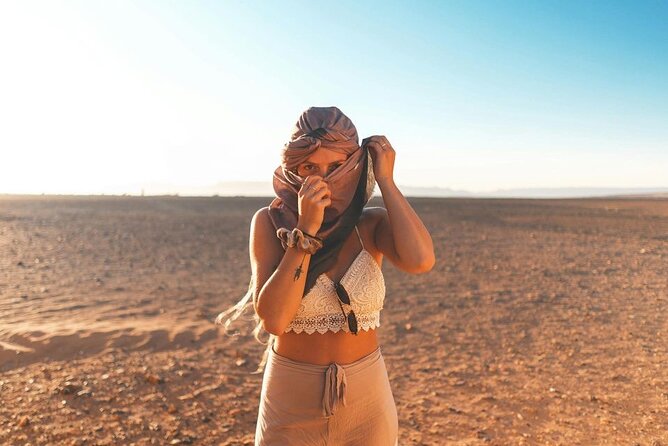
- A scarf or light covering for sun and blowing sand
Keep your overnight essentials in a small bag rather than buried in the main luggage. You will be moving between hotel, vehicle, camel transfer, and camp, and a light bag makes the changeovers easier.
Should you book the Marrakech to Agadir desert tour?
Book it if you want a big, efficient Moroccan adventure and accept that the road is part of the experience. The best moments are the sunset camel ride, the quiet sunrise, Ait Ben Haddou, Todra Gorge, and the kindness of the guides.
Do not book it expecting a relaxed desert retreat. The schedule covers a huge distance, the final day is especially long, and the taxi transfer after Ouarzazate may feel abrupt.
For most first-time visitors with only three days, I think the tradeoff is worthwhile. Confirm the camp type, vehicle arrangement, local fees, and optional quad biking before paying. Then pack for both blazing sun and freezing sand, and you will be ready for one of Morocco’s most memorable road journeys.
FAQ
How long is the tour?
The experience lasts three days, beginning with pickup in Marrakech and ending with drop-off in Agadir.
Is transportation included?
Yes. Pickup and drop-off are included, along with an air-conditioned vehicle, fuel, and a guide-driver. After Ouarzazate on the final day, the group is split and onward transport to Agadir is by taxi.
Where do you stay overnight?
The first night is in accommodation in the Dades Valley or Dades Town. The second night is spent at a traditional camp in the Erg Chebbi desert.
Is the camel ride included?
Yes. Camel trekking is included, with one camel per person. Sandboarding is also included.
Are meals included?
Dinner and breakfast are included during the accommodation and desert camp stays. Lunches are not included, so bring cash for midday meals, drinks, and snacks.
What should you wear in the desert?
Bring comfortable shoes for walking on sand, sunglasses, and a sun hat. Warm clothing is also important, especially in winter, because desert evenings and nights can be very cold.
Just listed around Marrakech
- 3 Days To Merzouga Desert★ 5.0 · 19 reviews
- 3 Days Shared Sahara Desert Tour From Marrakech★ 5.0 · 78 reviews
- 1 night Camel Treking in Merzouga Desert Luxury Camp★ 5.0 · 132 reviews
- 3 Days Sahara Desert Trips From Marrakesh★ 5.0 · 176 reviews
- 3 Days Sahara Tour from Marrakech to Merzouga Dunes★ 5.0 · 29 reviews
- 3 Days Private Tour to Merzouga Desert from Marrakech★ 5.0 · 77 reviews
- trip of your dreams in 3 days and 2 nights in the desert★ 5.0 · 36 reviews
- 3 Day Sahara Desert Tour From Marrakech★ 5.0 · 49 reviews
3-Day Experiences, compared.
3 Days Desert Tour From Marrakech To Merzouga Dunes & Camel Trek
Read our review →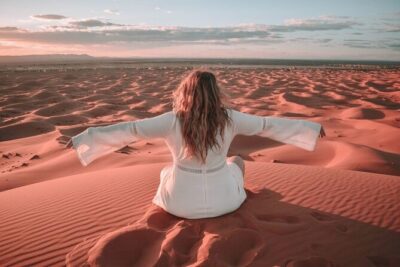
3-Day Marrakech to Merzouga Desert Tour: Camel Rides & Overnights
Read our review →
3-Day Marrakech to Fes Sahara Desert Tour via Merzouga
Read our review →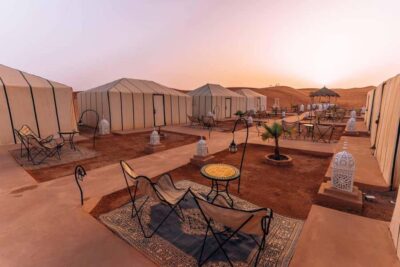
3-Day Merzouga Desert Experience Camel & Meals
Read our review →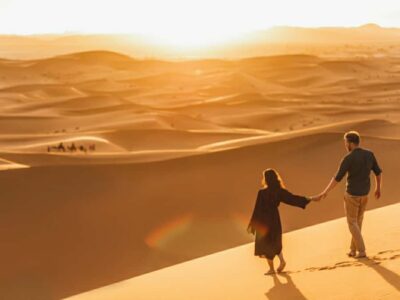
3-Day Tour to Merzouga Erg Chebbi with Food & Camel Trek
Read our review →Browse the lists this tour appears in