
Reviewed · BERBER VILLAGE TOURS
From Marrakesh: 3-Day Trip to Berber Villages
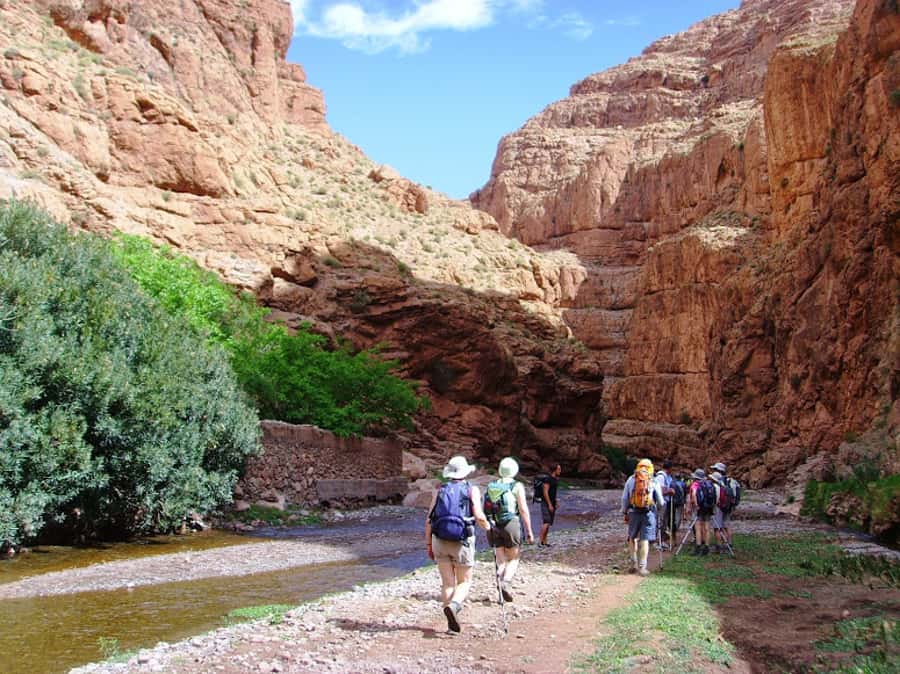
Trade city streets for mountain paths. This three-day trek takes you south from Marrakesh into the High Atlas, where red-brown peaks, stone villages, and quiet valleys replace the noise of the city. I like the personal scale of the trip, with groups limited to 10 and a local guide who can explain Berber customs along the way. I also like that a cook and mule are included, since carrying luggage and preparing meals would make this route much harder. The main drawback is comfort: village lodges are simple, some may have no electricity, and the second walking day is a serious six to seven-hour hike.
This is not a soft adventure with a mountain hotel waiting at every turn. You will walk on steep, stony paths, sleep in basic Berber lodges, and need to carry your own water and sleeping bag. Still, the route gives you a useful look at rural Morocco, and the food, guiding, and careful pacing receive especially high praise. In winter, bring warm clothing. Nights can be very cold.
In This Review
- Key points before you book
- Leaving Marrakesh for Imlil
- Day 1: Imlil, Tamatert, and Tinerhourhine
- Day 2: The Imnane Valley and a view toward Toubkal
- Day 3: Tizi Mzik and the return to Imlil
- What village life adds to the trip
- Food, mule support, and what is included
- Lodges, showers, and winter conditions
- Is $353 good value?
- Who should book this trek?
- Final verdict: a real mountain trip, not a polished resort outing
- FAQ
- How long is the trek?
- Where does the trek begin?
- Does the trip climb Mount Toubkal?
- Which villages are included on the route?
- Where do you sleep?
- Is a mule included?
- Are meals included?
- Is a sleeping bag provided?
- Which languages can the guide speak?
- How large is the group?
- Can you cancel for a refund?
- Can you pay later?
Key points before you book
- About 14 hours of walking: The advertised total is roughly four hours on Day 1, six to seven hours on Day 2, and four hours on Day 3. One guest completed about 48 kilometers over three days, so the route can feel demanding.
- A mule carries your luggage: You walk with a lighter daypack while the mule handles heavier bags. Sleeping bags are not included.
- Simple village lodging: Expect local inns and Berber lodges rather than Alpine-style mountain huts. Warm beds, food, and showers may be available, but electricity is not guaranteed.
- Mount Toubkal is viewed, not climbed: The route gives you views toward Morocco’s highest peak, but this is a village-to-village trek, not a summit expedition.
- The cook is part of the experience: Meals are prepared with basic equipment, sometimes outdoors along the route. Lunch can be ready at a scenic stop when you arrive.
- A small, multilingual group: The maximum group size is 10, with guides available in English, French, and Spanish.
Leaving Marrakesh for Imlil
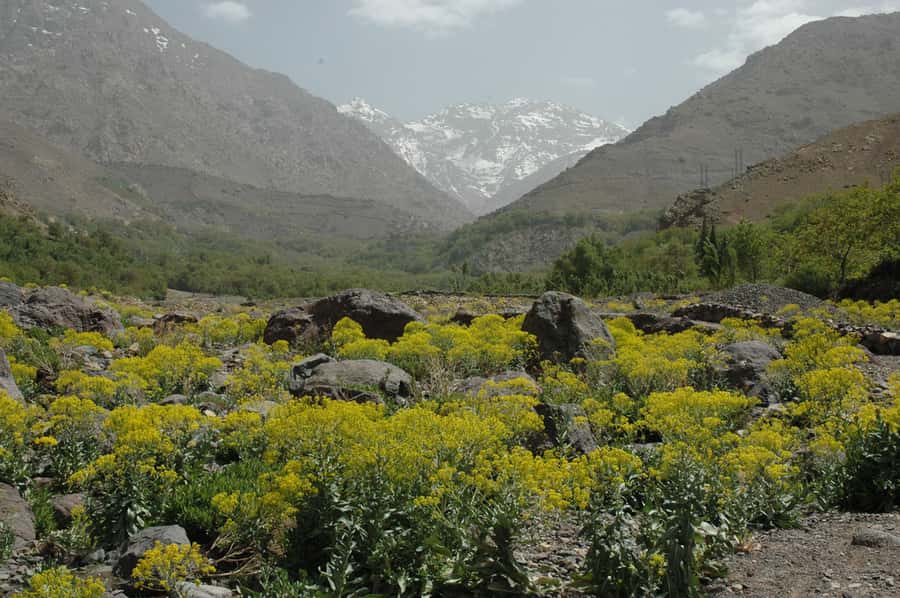
The trip begins with private transportation from your Marrakesh hotel to Imlil, the mountain village where the walking starts. That transfer matters. You do not need to arrange a taxi, find a bus, or work out how to reach the trailhead with luggage.
Imlil is the practical gateway for this part of the High Atlas. It is also where the mountain feel begins. Your mule takes the larger bags, and the guide gets everyone organized before the first climb. One winter account describes arriving in Imlil to hot tea before handing over a backpack, a small but welcome start when the air is already cold.
Your guide is central to the experience. Names can vary, but previous trips have been led by people such as Hassan, Hamid, Ibrahim, and Ali. Hassan was praised for his humor and strong English, while Ibrahim was described as calm and helpful. The guide is not only there to point out the trail. You can ask about local customs, villages, and daily life, or simply walk quietly and enjoy the silence. That last point matters if you are not in the mood for constant talk.
More Berber village visits near Marrakech:
- Berber villages : Atlas Mountains Day Hike from Marrakech
★ 5.0 · 14,007 reviews - Marrakech: Balloon Flight, Berber Breakfast & Certificate
★ 4.8 · 8,164 reviews - Marrakech: Majorelle Garden, YSL, and Berber Museum Entry
★ 4.6 · 5,168 reviews
Day 1: Imlil, Tamatert, and Tinerhourhine
The first day covers about four hours on foot. From Imlil, you walk toward Tinerhourhine, passing through or near Tamatert before reaching the high mountain pass of Tizi ’n Tamatert.
The route introduces the physical rhythm of the trek. There are climbs, rocky paths, and open views across the High Atlas. The scenery is the main reward, but the pass also gives the day a clear goal. Lunch is served at Tizi ’n Tamatert, where the setting makes a basic meal feel like a proper mountain stop.
From the pass, you continue toward Ouanesekra-Tamguist and then Tinerhourhine. The overnight stay is in a local inn. Do not expect the polished finish of a Marrakesh riad. The accommodation is basic, and some lodges may lack electricity, but the point is to stay in the villages rather than retreat to an isolated resort.
The cook handles meals with portable cooking equipment, and the included food is a major part of the value. Several detailed accounts describe generous meals, including lunches prepared in remote places. That is not a minor convenience. On a four-hour mountain walk, a hot lunch and mint tea can make the difference between feeling pleasantly tired and feeling miserable.
Day 2: The Imnane Valley and a view toward Toubkal
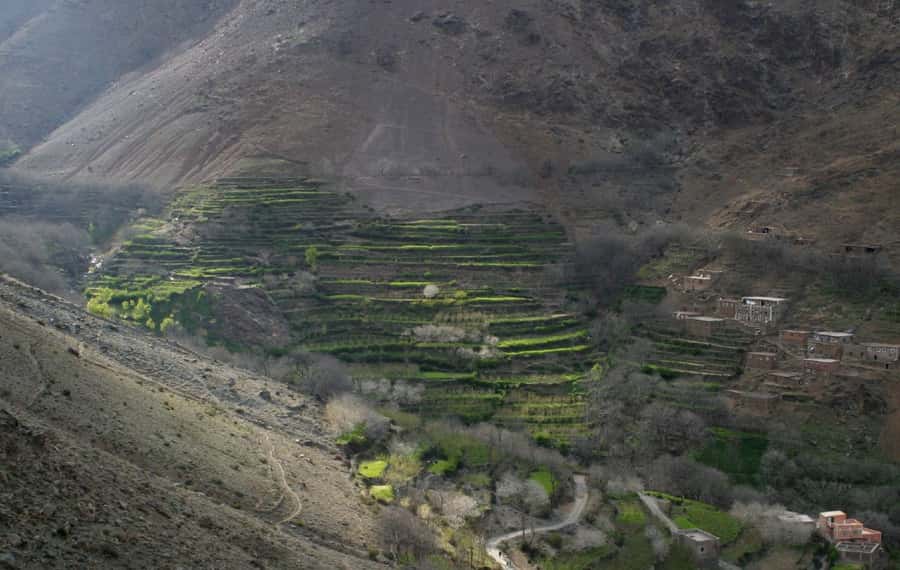
Day 2 is the toughest part of the route. You leave Tinerhourhine and follow the Imnane Valley, passing the Berber village of Ikkiss before climbing toward Tizi n’ Aguersioual and continuing to Matate.
Plan on six to seven hours of walking. The paths can be steep and very stony, so solid footwear is essential. This is where fitness matters more than speed. The guide can adjust the pace, and one small group was specifically praised for being allowed to walk at a comfortable rhythm, but no guide can remove the climbs.
The route also brings some of the best mountain views, including sights toward Mount Toubkal, Morocco’s highest peak. The wording is important: you are enjoying views of Toubkal, not climbing it. If your goal is a summit attempt, this is the wrong trip. If you want a demanding but manageable route through the Toubkal area, the views add real purpose to the long day.
Lunch takes place at Matate, with the cook preparing food along the way. Previous trips describe meals appearing in striking locations, sometimes on a hillside or open patch of ground. You should still keep a snack in your daypack, since meal timing in the mountains can vary.
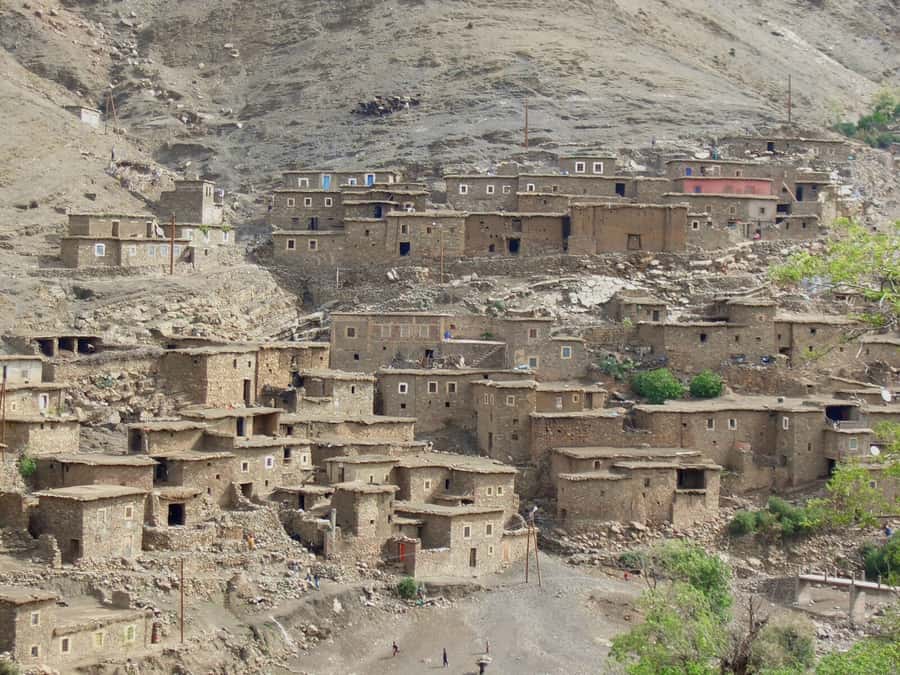
The night is spent at a local inn in Aït Aïssa. This is another chance to see rural life at close range, but also another reminder that comfort is limited. Warm water may be available, while heating and electricity are not assured. In winter, thick blankets helped on previous departures, but you should bring warm layers rather than rely entirely on lodge bedding.
Day 3: Tizi Mzik and the return to Imlil
The final day takes about four hours. From Aït Aïssa, you walk toward Tizi Oussem, pass Tizi Mzik and the village of Mzik, then return to Imlil.
After the long second day, this shorter stage gives your legs some relief, although the route remains mountainous. The final walk is not just a transfer back to the vehicle. You continue through villages and mountain paths before reaching the place where the trek began.
From Imlil, private transportation returns you to your Marrakesh hotel. Having a direct ride at the end is useful. You will likely be tired, carrying less than you started with but ready for a shower and a quiet evening.
A few more Marrakech runs to hold up against each other
- From Marrakech: Day Trip to Ouarzazate and Ait Benhaddou
★ 4.7 · 9,447 reviews - From Marrakesh: Essaouira Full-Day Trip
★ 4.6 · 8,137 reviews - From Marrakech: Small Group to Essaouira & Sekkala Day Trip
★ 4.9 · 6,671 reviews - Marrakech: Ouzoud Waterfalls Guided Day Trip with Boat Ride
★ 4.4 · 4,995 reviews
What village life adds to the trip
The strongest reason to choose this trek is the human setting. You are not simply walking through empty mountain scenery. You sleep in Berber villages, eat food prepared by a local team, and pass through communities such as Ikkiss, Tinerhourhine, Aït Aïssa, Tizi Oussem, and Mzik.
That creates a more grounded experience than a quick viewpoint excursion from Marrakesh. You see how remote communities are connected by footpaths and how daily life continues in places with limited services. It also means accepting conditions that may feel basic by city standards.
The guides can explain Berber customs and answer questions as you walk. You do not need to turn every mile into a lecture. In fact, the trip works well for someone who prefers quiet stretches, since the guide can give you space while remaining available when needed.
Food, mule support, and what is included
The package includes a local guide, chef, cooking equipment, food, accommodation, and a mule for luggage. That combination is the heart of the tour.
The mule is especially helpful. You still need a daypack with water, clothing, and personal items, but your main luggage does not have to follow you over every pass. Pack carefully, since the mule is carrying a shared load and not an unlimited suitcase collection.
The cook is another strong point. Meals are not simply provided at a restaurant at the end of each day. They are prepared in the village lodges and, for lunch, sometimes in the middle of the route. Accounts of the food describe it as plentiful and tasty, even when cooked far from a kitchen.
Soft drinks and mineral water are not included. Bring money for these costs, and plan ahead for hydration. Sleeping bags are also excluded. That is particularly important in the colder months, when nights in the mountains can be freezing.
Lodges, showers, and winter conditions
The accommodation is best described as functional. You stay in Berber lodges or local inns, not luxury properties. Warm beds and showers may be available, but standards vary, and some places have no electricity.
This is not a deal breaker for the right person. It is part of the reason the trip feels connected to village life rather than built around tourist comfort. Still, you should not book this expecting private rooms, reliable heating, or the conveniences of a city hotel.
Winter needs special planning. December departures can bring sunny days and very cold nights. Bring thermal layers, a warm jacket, and extra socks. Toilet paper is another useful item to pack, along with sturdy walking shoes. The route is not the place for smooth-soled trainers.
Is $353 good value?
At $353 per person, the price is not just paying for a guide and a walk. It covers private transport from and back to Marrakesh, three days of guiding, a mule, a cook, cooking equipment, food, and two nights of village accommodation.
That makes the cost easier to justify than a bare trekking package where you must arrange transport, meals, and luggage support separately. The private transfer is valuable if you have only a short time in Morocco, and the included cook removes much of the practical work from a remote route.
The value depends on what you want from accommodation. If you need polished rooms and predictable facilities, the price may feel high for simple lodges. If you want a supported trek with local food, village stays, and a small group, it is a fair package.
The group limit is 10 people. That is small enough for the guide to monitor pace and answer questions, but the actual group may be smaller. Two people once had the guide and cook almost to themselves, which made the schedule especially flexible.
Who should book this trek?
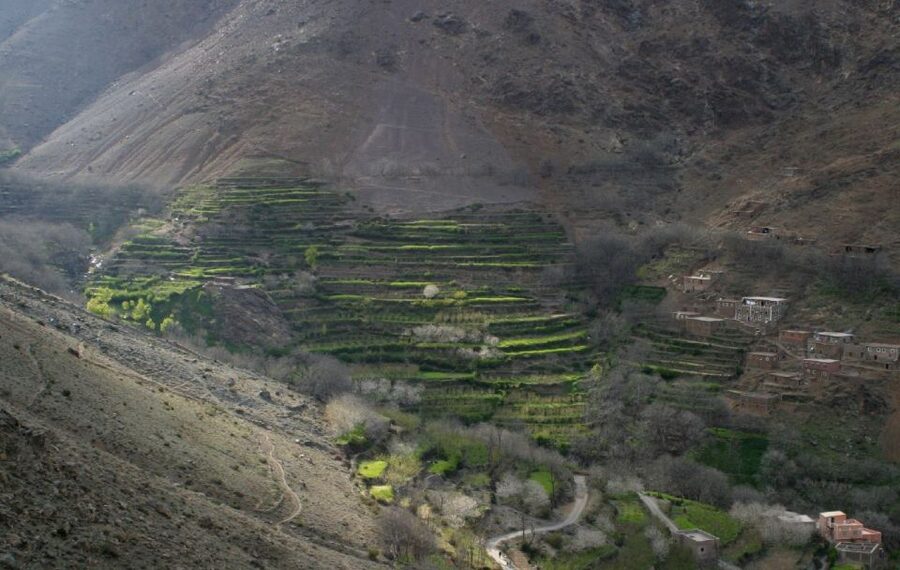
I would choose this for a reasonably active visitor who wants more than a day trip from Marrakesh. You should be comfortable walking for several hours, climbing on uneven ground, and accepting basic accommodation.
It suits you if you value:
- Berber villages over resort facilities
- A guide who can explain local customs
- Freshly prepared meals on the trail
- A mule to carry heavier luggage
- Mountain views without attempting a summit
- A small group rather than a large coach tour
I would think twice if you dislike steep paths, rocky footing, cold nights, or uncertain electricity. The second day is long, and the route is not described as an easy stroll. Families with young children, people with limited mobility, or anyone seeking a gentle sightseeing tour should consider a shorter mountain outing instead.
The free cancellation policy allows cancellation up to 24 hours in advance for a full refund, and you can reserve now and pay later. Those terms help if your Marrakesh plans are still shifting, but they do not change the physical demands of the trek.
Final verdict: a real mountain trip, not a polished resort outing
I recommend this trek if you want to spend three days walking through the High Atlas and meeting people in the villages where they live. The best features are the local guiding, generous cooking, mule support, and access to mountain routes that would be awkward to arrange alone.
Go in with the right expectations. You are buying access and support, not luxury. Bring firm hiking shoes, warm clothing, water money, a sleeping bag, and a willingness to accept simple lodges. If that sounds like part of the appeal, the route offers a strong taste of rural Morocco and good value for a fully supported mountain trip.
FAQ
How long is the trek?
The trip lasts three days. Walking time is approximately four hours on Day 1, six to seven hours on Day 2, and four hours on Day 3.
Where does the trek begin?
The walking starts in Imlil, a mountain village south of Marrakesh. Private transportation takes you from Marrakesh to Imlil.
Does the trip climb Mount Toubkal?
No. The route provides views toward Mount Toubkal, Morocco’s highest peak, but it does not include a summit climb.
Which villages are included on the route?
The route passes or stays near Tamatert, Ouanesekra-Tamguist, Tinerhourhine, Ikkiss, Matate, Aït Aïssa, Tizi Oussem, and Mzik.
Where do you sleep?
You stay in local inns or Berber lodges in villages along the route.
Is a mule included?
Yes. A mule is included to carry luggage during the trek.
Are meals included?
Yes. Food, a chef, and cooking equipment are included. Soft drinks and mineral water are not included.
Is a sleeping bag provided?
No. Sleeping bags are not included, so you need to bring your own.
Which languages can the guide speak?
Live guides are available in English, French, and Spanish.
How large is the group?
The experience is limited to 10 participants.
Can you cancel for a refund?
Yes. You can cancel up to 24 hours in advance for a full refund.
Can you pay later?
Yes. You can reserve your place and pay later, which keeps your plans flexible.
More 3-Day Experiences in Marrakech
- From Marrakech: 3-Day Merzouga and Sahara Desert Tour
★ 4.9 · 15,308 reviews - From Marrakech: Merzouga 3-Day Desert Safari with Food
★ 4.7 · 12,232 reviews - 3 Days Desert Tour From Marrakech To Merzouga Dunes & Camel Trek
★ 5.0 · 10,125 reviews - 3-Day Marrakech to Merzouga Desert Tour: Camel Rides & Overnights
★ 5.0 · 8,734 reviews
Just listed around Marrakech
- 3 Days To Merzouga Desert★ 5.0 · 19 reviews
- 3 Days Shared Sahara Desert Tour From Marrakech★ 5.0 · 78 reviews
- 1 night Camel Treking in Merzouga Desert Luxury Camp★ 5.0 · 132 reviews
- 3 Days Sahara Desert Trips From Marrakesh★ 5.0 · 176 reviews
- 3 Days Sahara Tour from Marrakech to Merzouga Dunes★ 5.0 · 29 reviews
- trip of your dreams in 3 days and 2 nights in the desert★ 5.0 · 36 reviews
- 3 Days Private Tour to Merzouga Desert from Marrakech★ 5.0 · 77 reviews
- 3 Day Sahara Desert Tour From Marrakech★ 5.0 · 49 reviews
Berber Village Tours, compared.
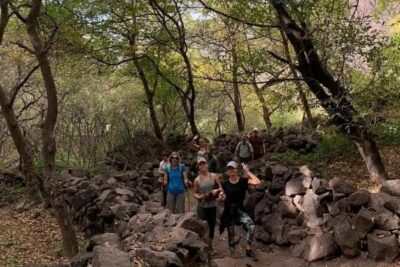
Berber villages : Atlas Mountains Day Hike from Marrakech
Read our review →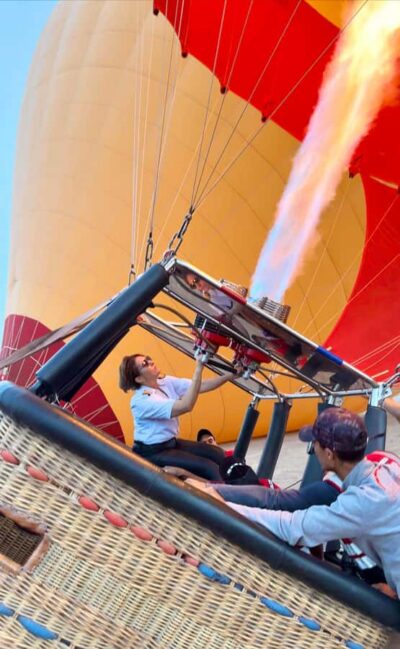
Balloon Flight, Berber Breakfast & Certificate
Read our review →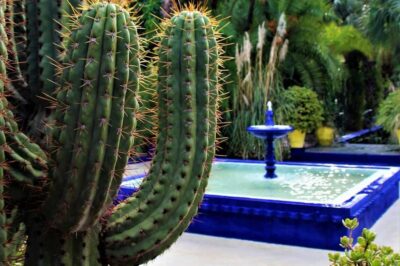
Majorelle Garden, YSL, and Berber Museum Entry
Read our review →
Hot Air Balloon Flight with Berber Breakfast
Read our review →
Atlas Mountains, Berber Villages and Three Valleys all inclusive
Read our review →
Atlas Mountains Hot Air Balloon Ride from Marrakech with Berber Breakfast and Desert Camel Experience
Read our review →
Atlas Mountains, Berber Villages, Agafay & Camel Ride
Read our review →
Balloon Flight, Berber Breakfast, and Camel Ride
Read our review →Browse the lists this tour appears in