
Reviewed · ATLAS MOUNTAINS TOURS
Marrakech: 3-Day Atlas Mountains Berber Villages Trek
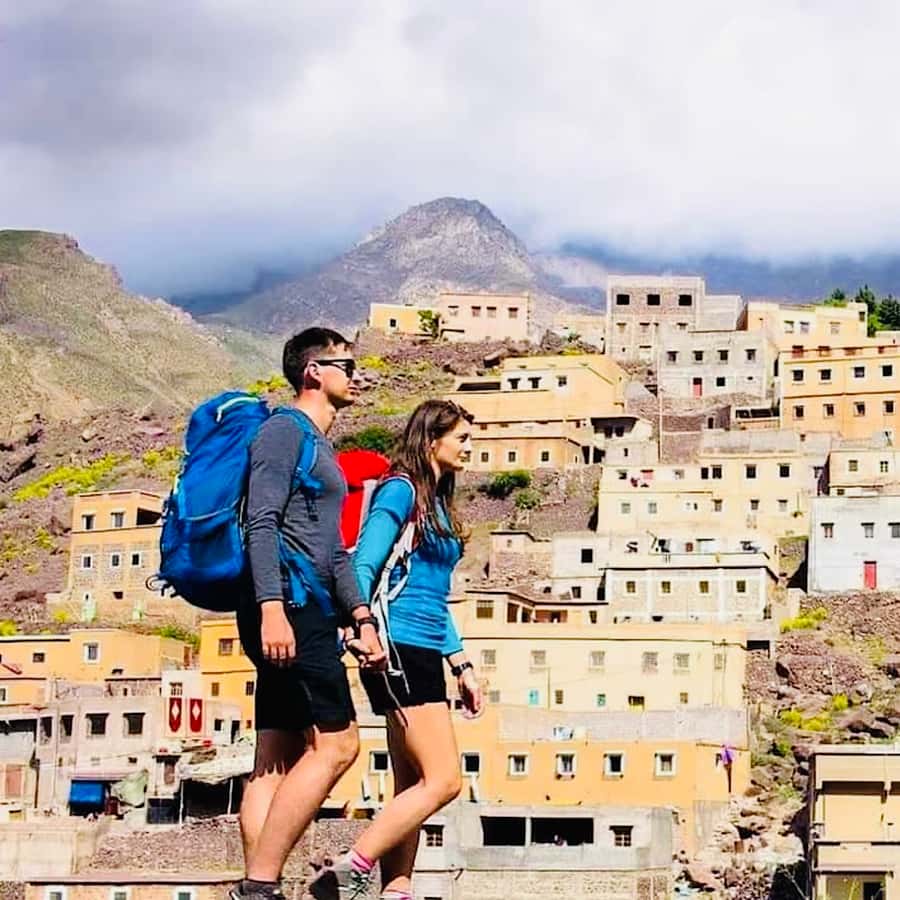
Slow down in the High Atlas. This three-day trek trades Marrakech traffic for mule paths, river valleys, village tea, and wide views across Morocco’s mountains and plains. I like the focus on everyday Berber life rather than a hard summit attempt, and I like that meals, lodging, a guide, mule support, and transfers are included for $159 per person.
The main catch is that mountain conditions can change the route. Snow and damage from the September earthquake have already caused itinerary changes, so check the forecast before booking and expect basic accommodation, not hotel comfort. Guides such as Mohamed, Abdul, Mustapha, Hussein, and Ismail have earned especially warm praise for their care, English skills, and local knowledge.
In This Review
- Key points to know before booking
- Why this trek is different from a Toubkal trip
- Day 1: Imlil to Tizi n’Tamaterte and Tachdirt
- Day 2: Tinghourine through Ikkis and Aguersiwal
- Day 3: Azib Tamsoulte Waterfall and the Mzik Pass
- What the guesthouses and meals are really like
- Guides, group size, and the human side
- Weather, route changes, and safety
- Is $159 good value?
- Who should book this trek?
- Practical booking advice
- FAQ
- How long is the trek each day?
- Do I need mountaineering experience?
- What is included in the $159 price?
- Where do you sleep?
- What languages are available for the guide?
- Can the route change?
- Should you book the Atlas Mountains Berber Villages Trek?
Key points to know before booking
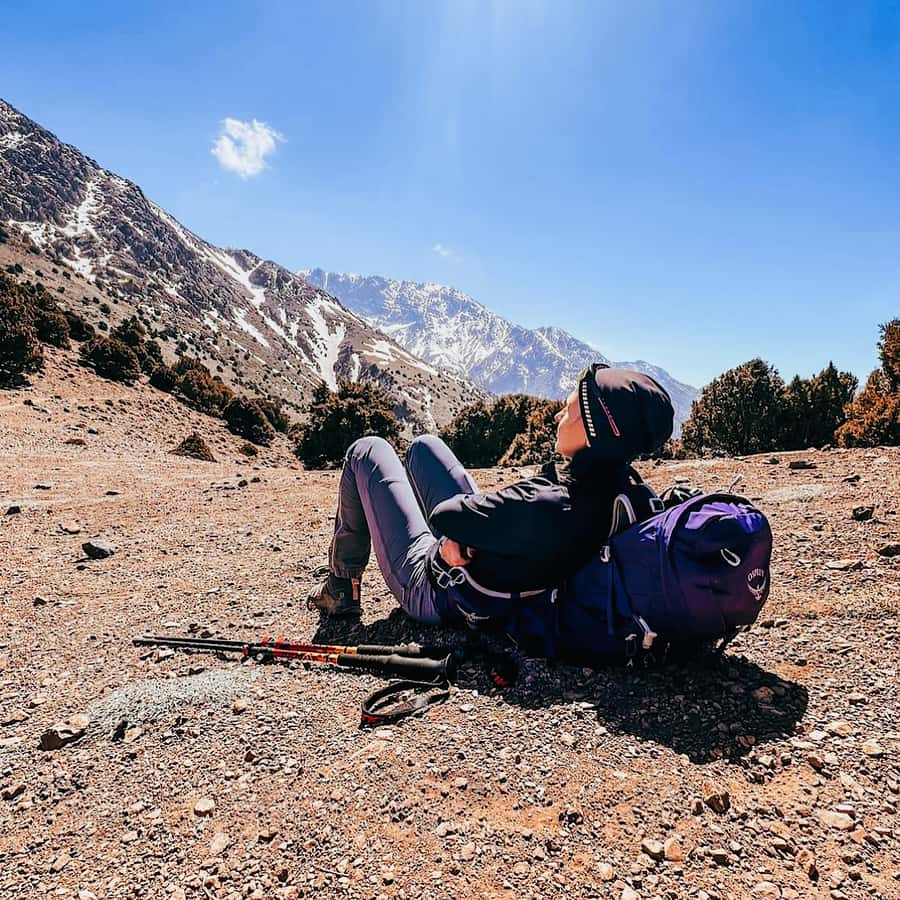
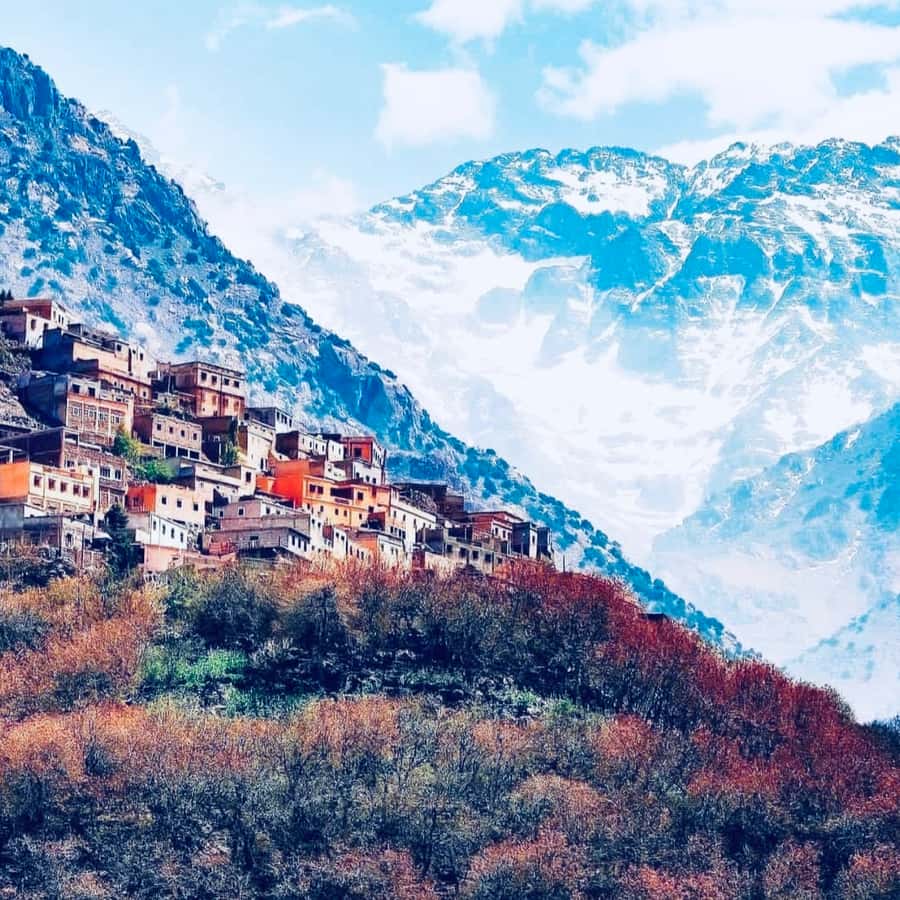
- Three valleys and several mountain passes: You walk through villages around Tachdirt, Ikkis, Aguersiwal, Matat, and Ait Aissa, with passes reaching about 2,500 meters.
- A village-first alternative to Toubkal: The route favors rural life, views, waterfalls, and local hospitality instead of a summit climb.
- Three days of steady walking: Expect about five to seven hours of hiking per day, with steep sections but no stated mountaineering skills required.
- Basic family guesthouses: The rooms are simple but set in attractive mountain locations, with Berber cooking and friendly hosts.
- Mule support helps with luggage: You can leave extra bags behind and have necessary belongings carried between overnight stops.
- Weather can reshape the plan: Snow and earthquake damage have led to changes, so flexibility matters.
Why this trek is different from a Toubkal trip
Many Atlas Mountains outings from Marrakech are short. They give you a quick mountain view, perhaps a village stop, and a return to the city before dinner. This trip asks for three days, but that extra time changes the feel of the journey.
You get farther into the rural area, away from the busiest day-trip pattern. The walking links several valleys and villages, and you spend the night in family-run accommodation instead of returning to Marrakech. That means you see the mountains at a slower pace, when a tea stop or a quiet path matters as much as the next viewpoint.
The route avoids Jebel Toubkal, North Africa’s highest peak. That is good news if you want mountain scenery without making the summit the whole purpose of the trip. You will still climb to passes, walk at elevations around 2,000 meters, and reach the Mzik Pass at about 2,500 meters.
I would describe the trek as physically active but not technical. You need to be comfortable walking for several hours on uneven paths, including uphill and downhill sections. You do not need previous mountaineering experience, but this is not a gentle stroll through a village.
More Berber village visits near Marrakech:
- Berber villages : Atlas Mountains Day Hike from Marrakech
★ 5.0 · 14,007 reviews - Marrakech: Balloon Flight, Berber Breakfast & Certificate
★ 4.8 · 8,164 reviews - Marrakech: Majorelle Garden, YSL, and Berber Museum Entry
★ 4.6 · 5,168 reviews
Day 1: Imlil to Tizi n’Tamaterte and Tachdirt
The first day begins in Imlil, at roughly 1,740 meters. Hotel pickup from Marrakech is included, and the meeting point can be arranged at your hotel reception. If your riad is in the Medina and a vehicle cannot reach it, the operator contacts you by WhatsApp or email before departure to confirm a practical meeting place.
At the start, you can sort your luggage. Bags you do not need for the hike can be left behind, while the mule carries the belongings you want during the three days. This is a small but useful detail. You do not want to haul a large suitcase over mountain paths.
The walk climbs toward Tizi n’Tamaterte, about 2,300 meters above sea level. The pass is an important first reward because it gives you broad views over the High Atlas and the plains. Lunch is planned near the pass, making the climb feel less like a race and more like a proper day in the mountains.
After lunch, the path continues toward Tachdirt, also called Tamgist in the description. Depending on the route and local conditions, the night may be in Tachdirt or nearby Tinghourine. Allow five to six hours of walking for this day.
This section introduces the character of the trek well. You see simple homes built to suit the steep terrain, rather than polished tourist facilities. The villages are not stage sets. They are working communities, and your guide is important here. Mohamed was praised for explaining village history and changes in local ways of life, while other guides have been noted for their patience and strong English.
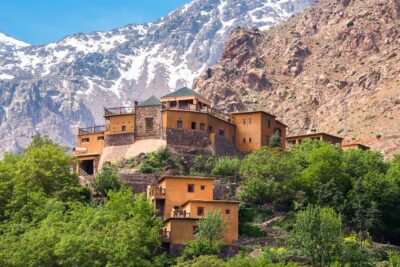
Your accommodation is a family guesthouse or gite. Expect a clean, basic place rather than a private luxury room. The appeal is the setting, the food, and the chance to meet other people over an evening meal. Bring modest expectations and you are more likely to enjoy it.
Day 2: Tinghourine through Ikkis and Aguersiwal
The second day is the longest, with about six to seven hours of trekking. From Tinghourine or Tachdirt, the route heads toward Ikkis and Aguersiwal, at around 2,100 meters, before continuing through Matat to Ait Aissa.
This is the day when the multi-day format earns its keep. You pass through more than one village and get a better sense of how the valleys connect. The scenery keeps changing as the path moves between slopes, river areas, and mountain passes.
The route crosses the Oudit Pass at about 2,200 meters. You should expect uphill and downhill work, though the trek is described as technically straightforward. A walking pole could be useful if you like extra balance, but the official equipment list focuses on comfortable or hiking shoes, hiking trousers, and practical clothing.
A guide adds real value on this stretch. It is easy to see a village, a mule path, or a rock formation without understanding how it fits into local life. Hussein, one of the guides praised for this trek, was valued for explaining Berber culture, the towns, and the natural surroundings. Abdul was also singled out for kindness and good English.
The day ends at Ait Aissa, where you stay in a gite. A steam bath, or hammam, may be available if you want to wash off the dust and ease tired legs. The information does not promise a private spa experience, so think of it as a simple local facility rather than a luxury add-on.
Food is one of the strongest parts of this trip. Several people specifically praised the cooking, with Mohamed and Moustafa also noted for preparing delicious meals. All meals are included, which matters in a remote mountain area. You are not spending each evening trying to find food in a place you do not know.
Day 3: Azib Tamsoulte Waterfall and the Mzik Pass
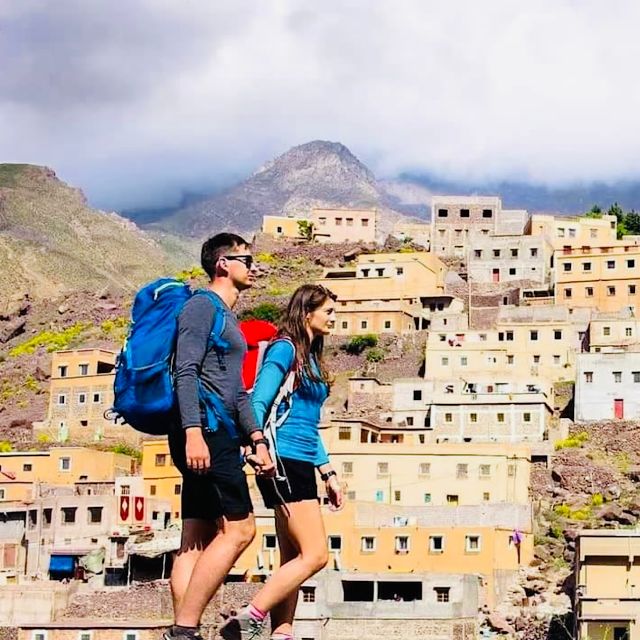
The final day combines one of the trip’s clearest highlights with its hardest climb. The route takes about six hours and begins with a visit to the large waterfall at Azib Tamsoulte, described as the biggest waterfall in Toubkal National Park.
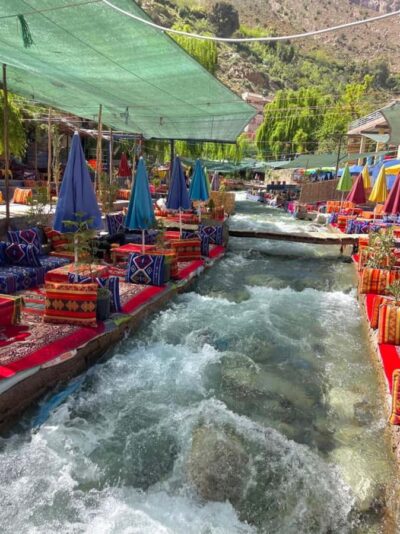
Waterfalls are often the most memorable stops on a mountain walk because they break up the dry, rocky feel of the high valleys. Here, the visit also gives the final day a clear purpose before the route turns toward the Mzik Pass.
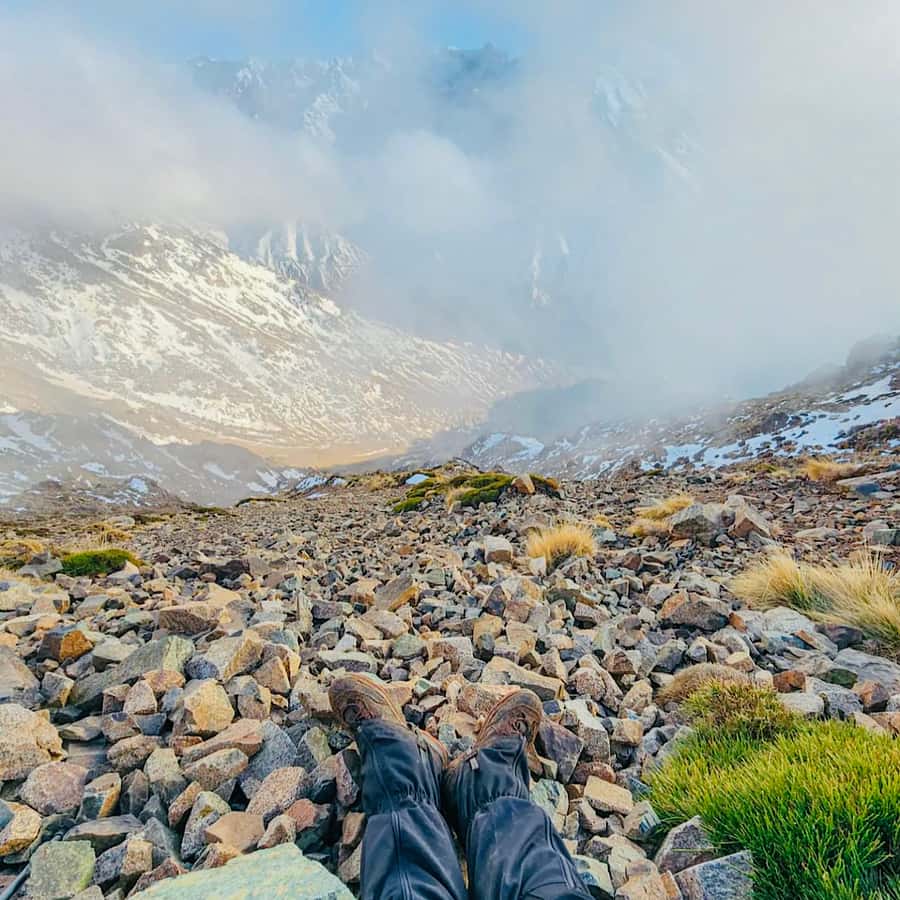
At about 2,500 meters, Mzik is the highest point mentioned in the three-day route. From the pass, you get views over the Ait Mizan Valley. This is your big final panorama, but it comes with a real climb. If your legs are tired after two days, the ascent may feel demanding even though no technical climbing is involved.
Lunch is planned in Mzik, followed by the descent to Imlil. Downhill walking can be just as tiring as climbing, especially on rough paths, so pace yourself. Once you reach Imlil, the trek ends and the included transfer returns you to Marrakech.
The final day is especially useful for people who want a mountain experience but do not want to climb Toubkal. You still gain height, cross a major pass, visit a waterfall, and walk through the Ait Mizan area. The difference is that the goal is the full journey, not a summit photograph.
More days up in the Atlas:
- Marrakech: Atlas Mountains, Ourika Valley, Waterfall & Lunch
★ 4.8 · 15,834 reviews - Marrakesh: Ourika Waterfalls, Atlas Mountains, Guide + Lunch
★ 4.9 · 9,986 reviews - From Marrakech: Atlas Mountains Full-Day Hiking Trip w Lunch
★ 4.8 · 7,417 reviews - Marrakech: Atlas Mountains & Agafay Desert Tour w Camel Ride
★ 4.8 · 5,080 reviews
What the guesthouses and meals are really like
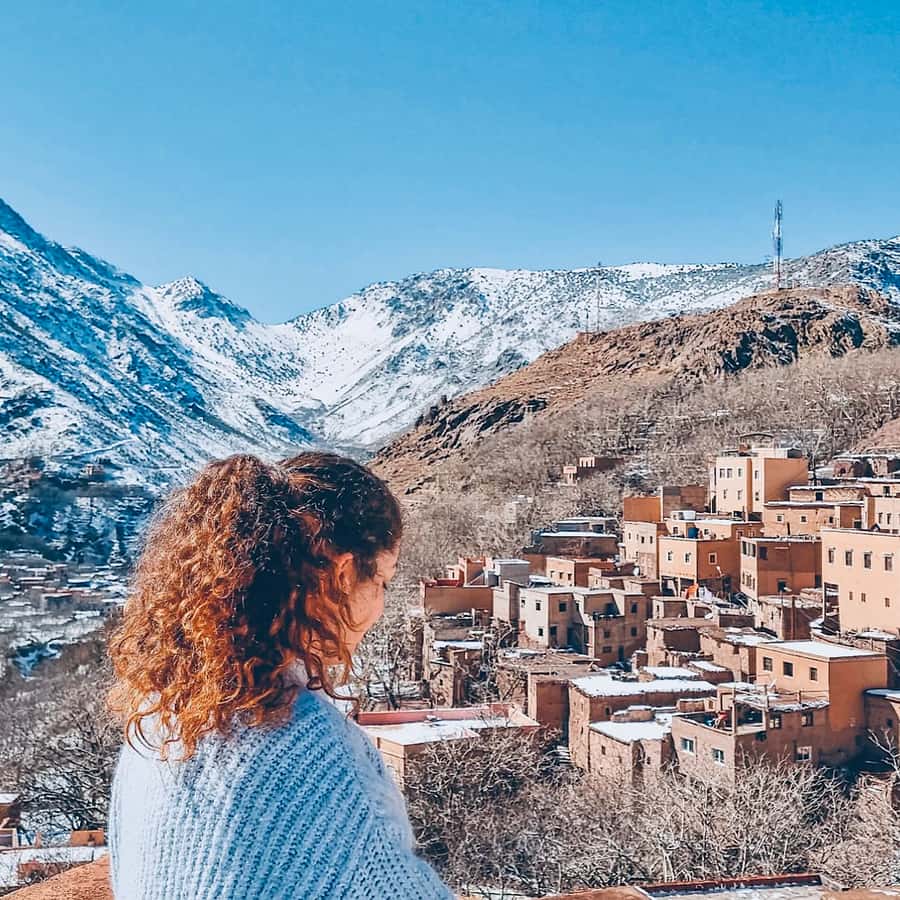
The accommodation is part of the cultural experience, but it is also where you need to be realistic. You spend the nights in family guesthouses or refuges, and one detailed account described the accommodation as very basic but clean, with good food and friendly hosts.
That combination is common on village treks. The value is not room service or soundproof walls. It is the chance to stay in the community, eat local cooking, and wake up close to the walking route. You may meet other people there, too, since the gites can host several groups.
Pack a quick-dry towel and toilet paper. Those items were specifically found useful on the trek. Bring comfortable hiking clothing rather than city clothes, and keep your overnight bag small enough for mule transport.
The meals are included, and the food received repeated praise. You should still tell the operator about dietary needs before setting out, since the provided information does not give a detailed menu or confirm special meal arrangements.
Guides, group size, and the human side
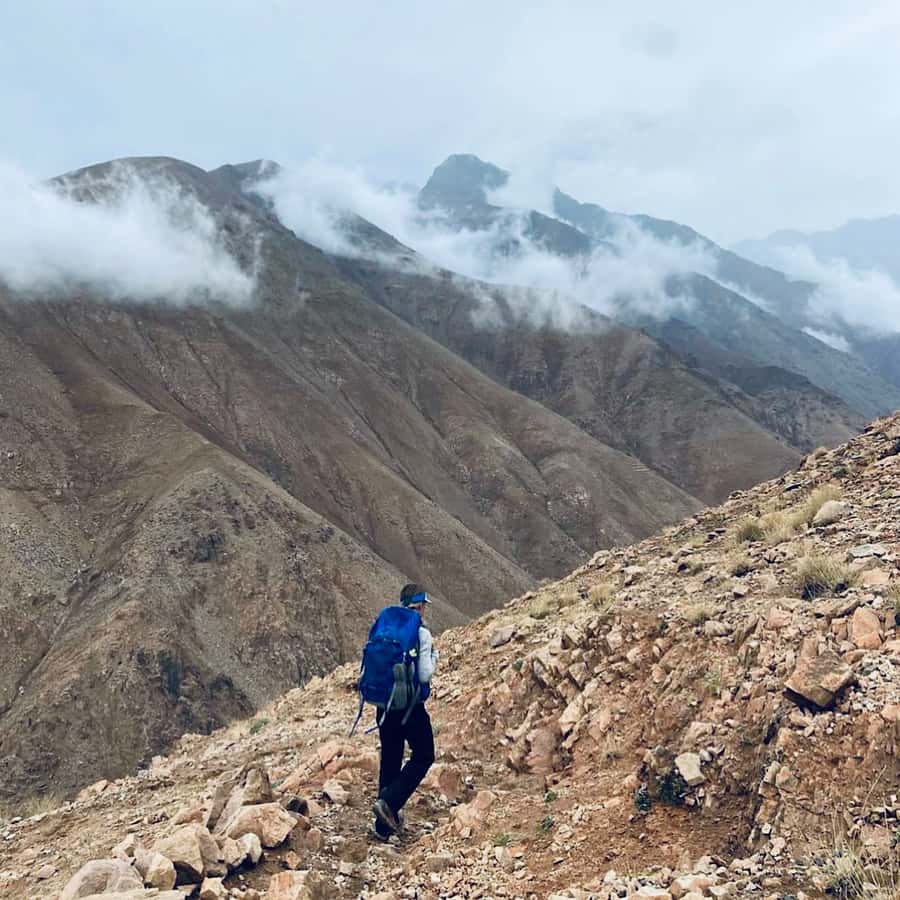
The tour uses a licensed, experienced local guide and allows groups of up to 16 people. That is small enough to keep the trip personal, though 16 is not an intimate private walk. One January departure had two groups combined and reached 16 people, so group size can matter more when weather disrupts other plans.
The guide names attached to strong experiences include Mohamed, Abdul, Mustapha, Hussein, Ismail, and Moustafa. Their praised qualities are consistent: kindness, good English, local explanations, safe pacing, and regular checks that everyone is comfortable.
The guide is not just there to point out the path. On a trek through working villages, a good guide helps you understand what you are seeing and behave respectfully. Mohamed was particularly appreciated for discussing how village life has changed, while another account described tea at his home before the walk. That kind of personal contact can make the trip feel less like a packaged outdoor activity.
Language choice is another advantage. Guides are listed for Arabic, French, Dutch, English, Spanish, and German. You should confirm your preferred language when booking, but the range makes the tour workable for many international visitors.
Weather, route changes, and safety
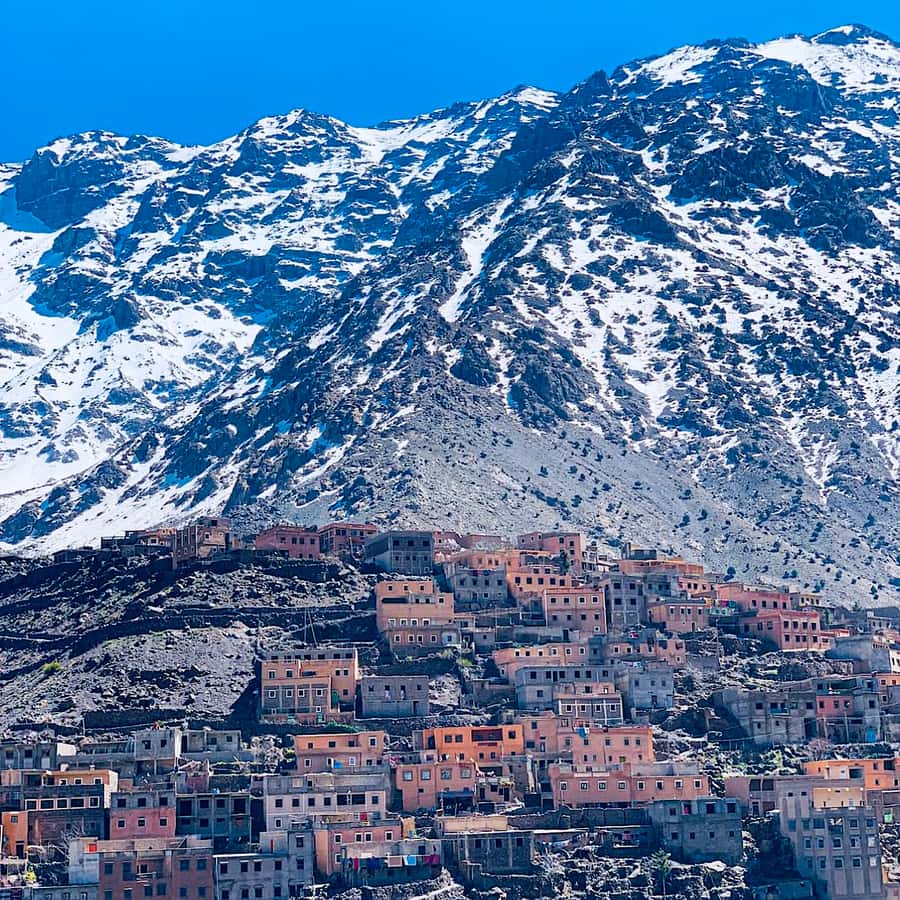
The advice to check the weather before booking is important, not a routine footnote. You climb to passes between about 2,100 and 2,500 meters, and snow can force changes. One winter route had to be adjusted because of snow, but the guides created an alternative that still proved challenging and beautiful.
The route has also been altered in response to damage from the September earthquake. One account praised the guide for doing his best with the changed conditions but noted that the written route should be updated. You should treat the listed path as a strong outline, not an absolute guarantee.
That flexibility can work in your favor. The guides know the area and may be able to keep the trek moving when a higher path is unsafe or unavailable. Still, you should not book this expecting every stop to occur exactly as described.
The tour is not suitable for pregnant women or people with mobility impairments. It also requires proper footwear and comfort with long days on mountain paths. A camera is worth bringing, but keep it protected from dust and pack light.
Is $159 good value?
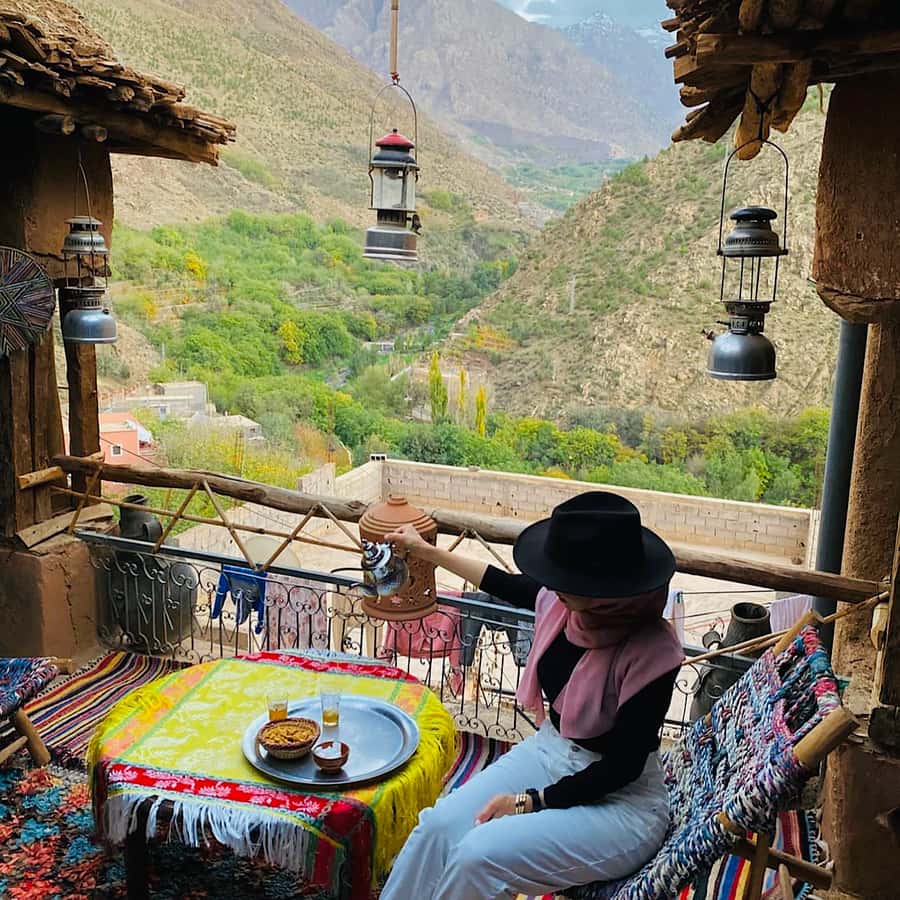
At $159 per person, the price covers three days, hotel pickup and drop-off, a local guide, mule support, all meals, and accommodation. That is a strong package for anyone who wants a multi-day mountain trip without arranging each part separately.
The included mule is more than a pleasant extra. It lets you walk with a lighter day pack and avoid carrying three days of supplies yourself. Meals also remove a practical worry, especially during the second day’s six to seven hours on the path.
The price is less attractive if you want private rooms, polished facilities, or a tightly fixed itinerary. The group can reach 16 people, the guesthouses are basic, and snow or earthquake damage may change the route. You are paying for access, local guidance, food, and a village-based journey, not comfort or certainty.
Compared with a one-day Atlas excursion, the extra time gives you more contact with rural areas and less time in the vehicle. If your priority is seeing how the valleys fit together and spending nights in the mountains, I think the price makes sense.
Who should book this trek?
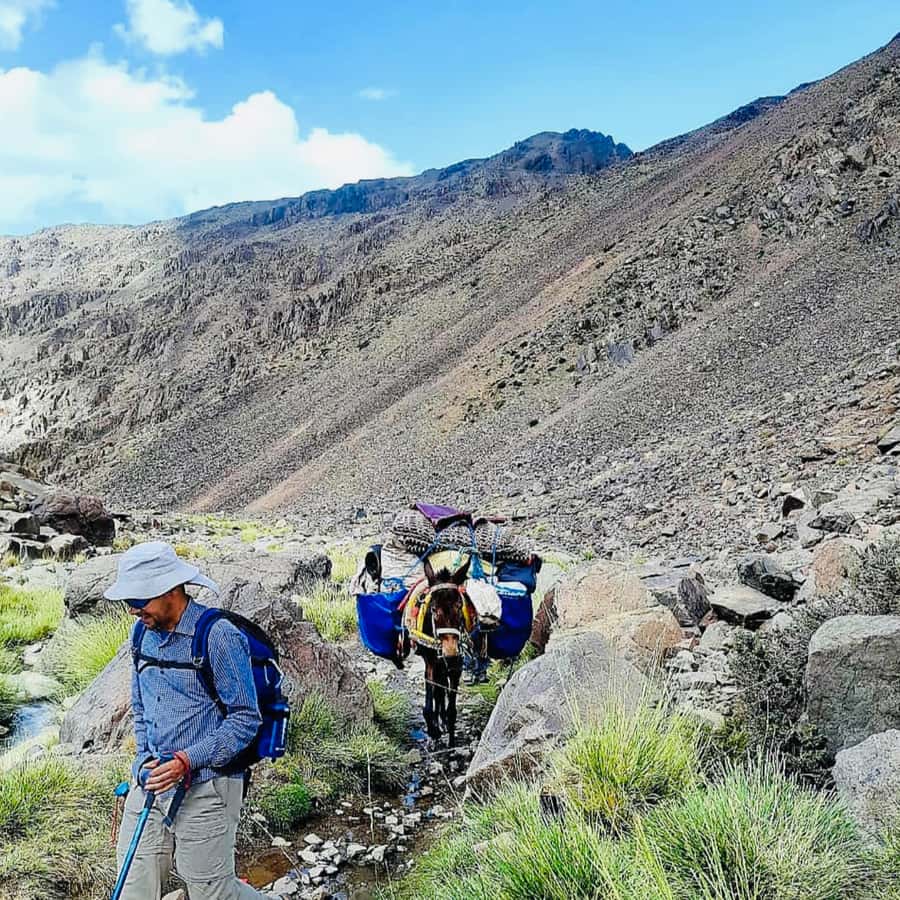
I would choose this trip if you want:
- Several days of walking without technical climbing
- Berber village life rather than a summit-focused challenge
- A guide who can explain local culture and history
- Included food, lodging, transfers, and mule support
- Waterfalls, passes, and wide mountain views
- A small-group setting instead of a large coach tour
I would think twice if you need hotel-standard accommodation, dislike route changes, or are not comfortable walking five to seven hours per day. The elevation is moderate for a mountain trek, but the passes and descents still require decent fitness.
The trek also suits people who prefer a quieter trip. You leave behind much of the noise of Marrakech and spend more time walking, eating, resting, and watching village life. That sounds simple because it is. It is also the point.
Practical booking advice
Wear broken-in hiking shoes, hiking trousers, and clothing suited to changing mountain weather. Bring a passport, camera, toilet paper, and a quick-dry towel. Keep valuables and fragile items in a small personal bag, while the mule carries the rest.
Ask about the exact route before departure, especially in winter or after heavy weather. If you are staying in a Medina riad, watch for the message confirming your pickup point, since vehicles may not reach the door.
Cancellation is free up to 24 hours before departure, and you can reserve now and pay later. Those terms are useful here because weather is a genuine factor, not just a minor inconvenience.
FAQ
How long is the trek each day?
The first day takes about five to six hours, the second about six to seven hours, and the third about six hours.
Do I need mountaineering experience?
No. The trek is described as technically not difficult, and previous mountaineering experience is not required. You should still be ready for long walks, steep sections, and mountain passes.
What is included in the $159 price?
The price includes hotel pickup and drop-off, a local guide, mule support, all meals, and accommodation.
Where do you sleep?
You stay in family guesthouses, gites, or refuges in mountain villages. The accommodation is basic but has been described as clean, with friendly hosts and good food.
What languages are available for the guide?
Guides are available in Arabic, French, Dutch, English, Spanish, and German.
Can the route change?
Yes. Snow and damage from the September earthquake have led to route changes. Check the weather before booking and remain flexible about the exact path.
Should you book the Atlas Mountains Berber Villages Trek?
Book it if you want the Atlas Mountains at walking pace, with real village stops, local meals, and a guide who helps explain what you see. The best parts are the three valleys, the Azib Tamsoulte waterfall, the Mzik Pass views, and the chance to spend nights in family-run mountain accommodation.
Skip it if you want luxury, a private group, or a guaranteed route in all seasons. For an active visitor who values local contact over polished comfort, this is a well-priced three-day escape from Marrakech. The mountains provide the scenery, but the villages and guides give the trip its character.
More 3-Day Experiences in Marrakech
- From Marrakech: 3-Day Merzouga and Sahara Desert Tour
★ 4.9 · 15,308 reviews - From Marrakech: Merzouga 3-Day Desert Safari with Food
★ 4.7 · 12,232 reviews - 3-Day Marrakech to Merzouga Desert Tour: Camel Rides & Overnights
★ 5.0 · 8,734 reviews - 3-Day Marrakech to Fes Sahara Desert Tour via Merzouga
★ 5.0 · 6,546 reviews
More Hiking & Trekking in Marrakech
- From Marrakech: Ouzoud Waterfalls Guided Hike and Boat Trip
★ 4.7 · 33,630 reviews - 3 Days Desert Tour From Marrakech To Merzouga Dunes & Camel Trek
★ 5.0 · 10,125 reviews - Marrakech: Ourika Valley Trip with Waterfall Hike
★ 4.6 · 6,792 reviews - Marrakech: Ourika Valley Trip with Waterfall Hike & Lunch
★ 4.9 · 5,303 reviews
Just listed around Marrakech
- 3 Days To Merzouga Desert★ 5.0 · 19 reviews
- 3 Days Shared Sahara Desert Tour From Marrakech★ 5.0 · 78 reviews
- 1 night Camel Treking in Merzouga Desert Luxury Camp★ 5.0 · 132 reviews
- 3 Days Sahara Desert Trips From Marrakesh★ 5.0 · 176 reviews
- 3 Days Sahara Tour from Marrakech to Merzouga Dunes★ 5.0 · 29 reviews
- trip of your dreams in 3 days and 2 nights in the desert★ 5.0 · 36 reviews
- 3 Days Private Tour to Merzouga Desert from Marrakech★ 5.0 · 77 reviews
- 3 Day Sahara Desert Tour From Marrakech★ 5.0 · 49 reviews
Atlas Mountains Tours, compared.
Atlas Mountains, Ourika Valley, Waterfall & Lunch
Read our review →
Berber villages : Atlas Mountains Day Hike from Marrakech
Read our review →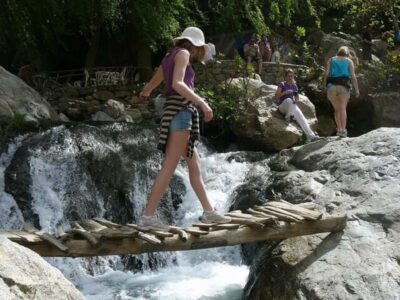
Ourika Waterfalls, Atlas Mountains, Guide + Lunch
Read our review →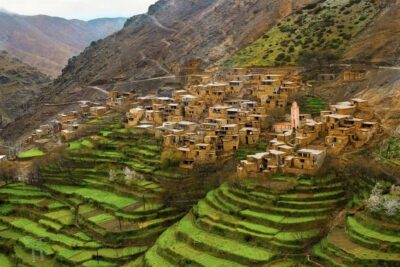
Atlas Mountains & Agafay Desert Tour w Camel Ride
Read our review →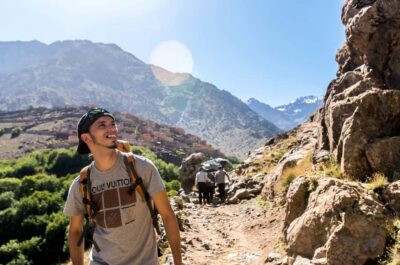
Atlas Mountains, Waterfalls, Ourika Valley +Lunch
Read our review →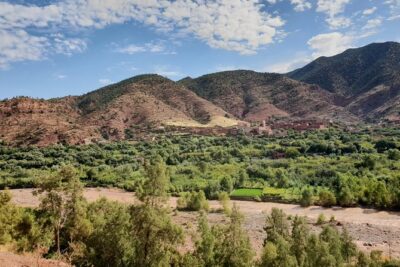
Atlas Mountains & 5 Valleys Tour from Marrakech – All inclusive –
Read our review →Browse the lists this tour appears in