
Reviewed · ATLAS MOUNTAINS TOURS
Marrakech: 3-Day High Atlas Mountains and Three Valleys Trek
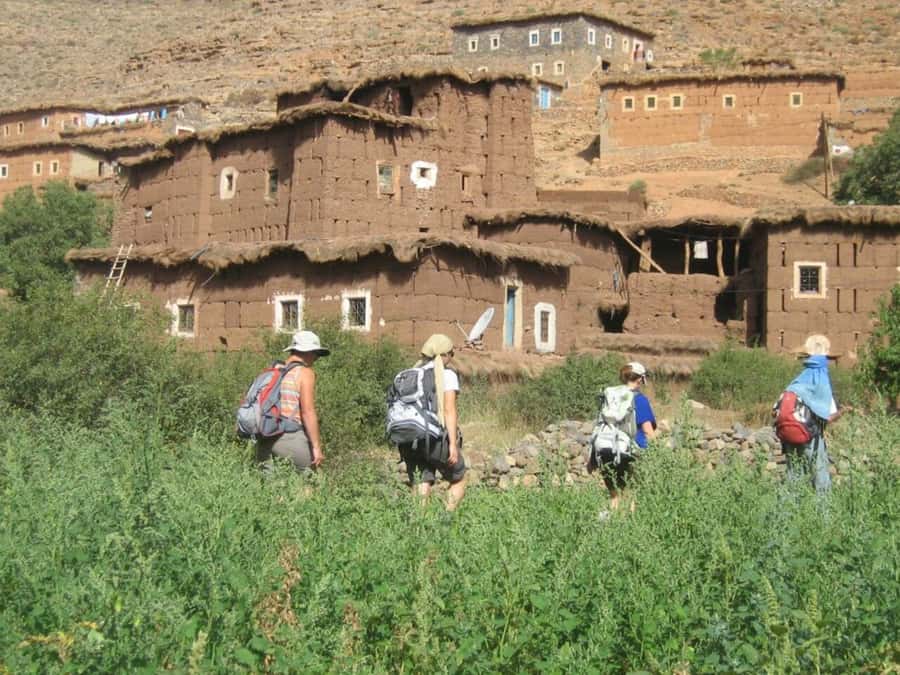
Trade the medina for mountain trails. This three-day trek from Marrakech gives you a close look at Amazigh village life, high passes, waterfalls, and broad Atlas views without the commitment of climbing Mount Toubkal. I especially like the steady pace, usually five to six hours of walking per day, and the way local guides such as Abdul, Abdo, Mustafa, and Kamel adjust the walk to suit the group.
I also like that your luggage travels by mule, leaving you free to enjoy the trail with a daypack. Fresh Moroccan meals, hotel pickup, and two nights in village guesthouses make the $227 price good value. The catch is comfort: guesthouses are simple, bedding may consist of blankets without sheets, and some paths are steep, rocky, and slippery.
In This Review
- Key things to know before you go
- Leaving Marrakech for Imlil Valley
- Day One: Imlil to Tizi n’Tamterte and Tachdirt
- Day Two: Aguersiwal, Oudit Pass, Matat, and Ait Aissa
- Day Three: Waterfalls, Tizi Mazik, and the descent to Imlil
- What the walking is really like
- Amazigh villages and local hospitality
- Food, water, and guesthouse comfort
- Is $227 good value?
- Best time to take the trek
- Who should book this Atlas trek?
- Should you book it?
- FAQ
- How long is the Marrakech High Atlas trek?
- How many hours do you walk each day?
- Which mountain passes are included?
- Are meals included?
- Is drinking water included?
- What languages do the guides speak?
- What should I bring?
- Is the trek suitable for everyone?
Key things to know before you go
- Three mountain passes in three days: You cross Tizi n’Tamterte, Oudit, and Tizi Mazik, with high points of about 2,300 to 2,500 meters.
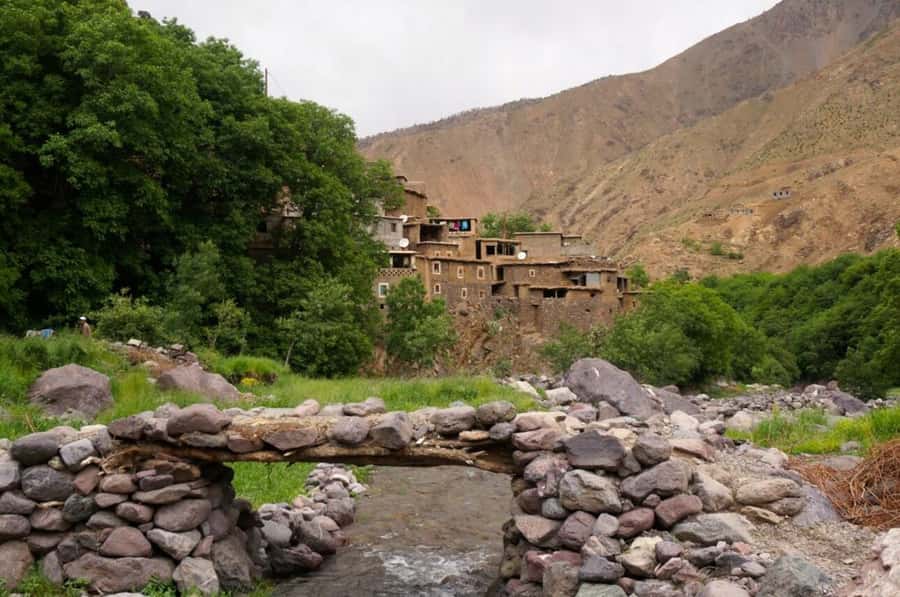
- A real village-to-village walk: The route passes through Tachdirt, Tinghourine, Aguersiwal, Matat, and Ait Aissa, rather than keeping you on a single sightseeing loop.
- Mules carry the heavy bags: Muleteers handle luggage and trekking supplies, so you only need to carry your personal essentials.
- Food is a major strength: Breakfast, lunch, and dinner are included, with cooks such as Ibrahim, Mohammed, Hassan, and Braham preparing generous Moroccan dishes.
- Rustic but generally comfortable nights: Expect basic mountain accommodation, plenty of blankets, and variable hot water. A sleeping bag liner is a smart addition.
- Small-group atmosphere: The activity is advertised for up to 10 people, though group sizes can vary by departure.
Leaving Marrakech for Imlil Valley
Your trip begins with hotel pickup in Marrakech and an air-conditioned transfer to Imlil Valley. That matters more than it may sound. You avoid arranging separate transport and can start the mountain walk without worrying about finding a taxi back to the city.
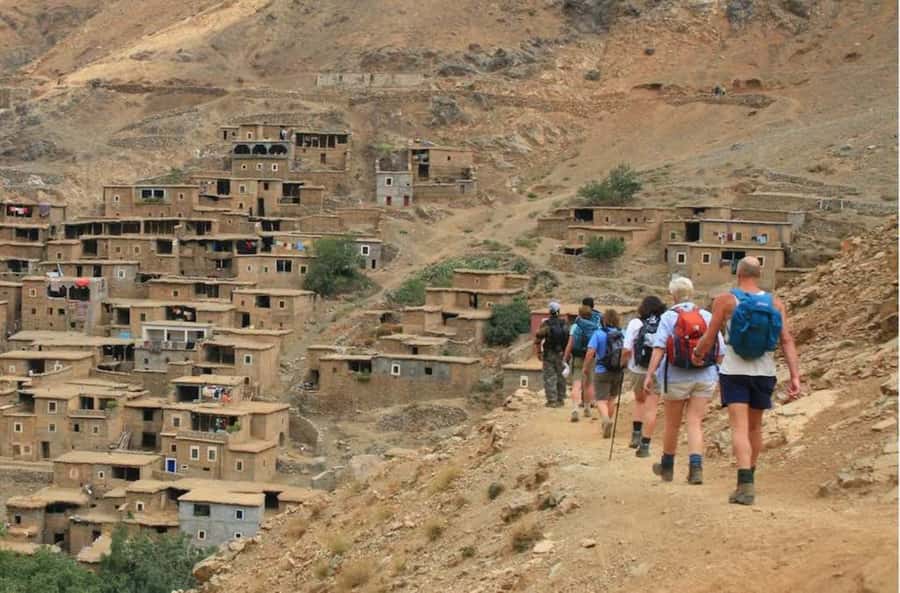
Imlil sits at about 1,740 meters and serves as the trailhead. The change from Marrakech is quick and striking. City streets give way to mountain villages, cultivated terraces, walnut trees, and narrow paths rising into the High Atlas.
The first day covers roughly five to six hours. This is moderate trekking, not a gentle stroll, and you should expect sustained uphill walking. You do not need to carry your main luggage, but you do need comfortable footwear, sun protection, water money, and enough personal gear for three days.
The guides are one of the strongest parts of the experience. Abdul, Abdo, Mustafa, and Kamel are all praised for setting a sensible pace and explaining Amazigh culture and village life. That local connection gives the walk more meaning than a simple mountain viewpoint trip. You are not just looking at the villages from above. You are walking through them and seeing people going about daily life.
More days up in the Atlas:
- Marrakech: Atlas Mountains, Ourika Valley, Waterfall & Lunch
★ 4.8 · 15,834 reviews - Berber villages : Atlas Mountains Day Hike from Marrakech
★ 5.0 · 14,007 reviews - Marrakesh: Ourika Waterfalls, Atlas Mountains, Guide + Lunch
★ 4.9 · 9,986 reviews
Day One: Imlil to Tizi n’Tamterte and Tachdirt
From Imlil, the path climbs toward Tizi n’Tamterte at about 2,300 meters. The pass is the day’s main effort, but it is also where the reward arrives: wide views over the surrounding valleys and mountain ridges.
Lunch at the pass is a highlight because the setting turns an ordinary meal into part of the experience. The route information describes a lunch break with mountain views, while other details indicate that meals are prepared fresh along the way. Expect traditional Moroccan food and tea rather than a formal restaurant stop.
After lunch, you continue toward Tachdirt or nearby Tinghourine. The trail changes from open high ground to village paths and valley scenery. This is a good day for photographs, but keep your camera handy without letting it distract you on rough sections.
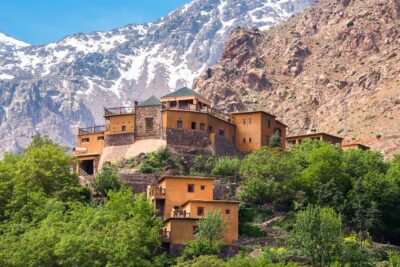
The night is spent in a village guesthouse. These accommodations are clean and comfortable enough for a trekking trip, but they are not hotels in the Marrakech sense. Some people found the rooms better than expected, with good views and comfortable beds. Others found the lack of sheets less convenient.
Bring a sleeping bag liner or a sheet, plus a pillowcase if you have room. Blankets are generally available, but a liner adds comfort and helps with hygiene. Nights can feel cold, especially from late autumn through winter, so pack a warm layer for sleeping.
Day Two: Aguersiwal, Oudit Pass, Matat, and Ait Aissa
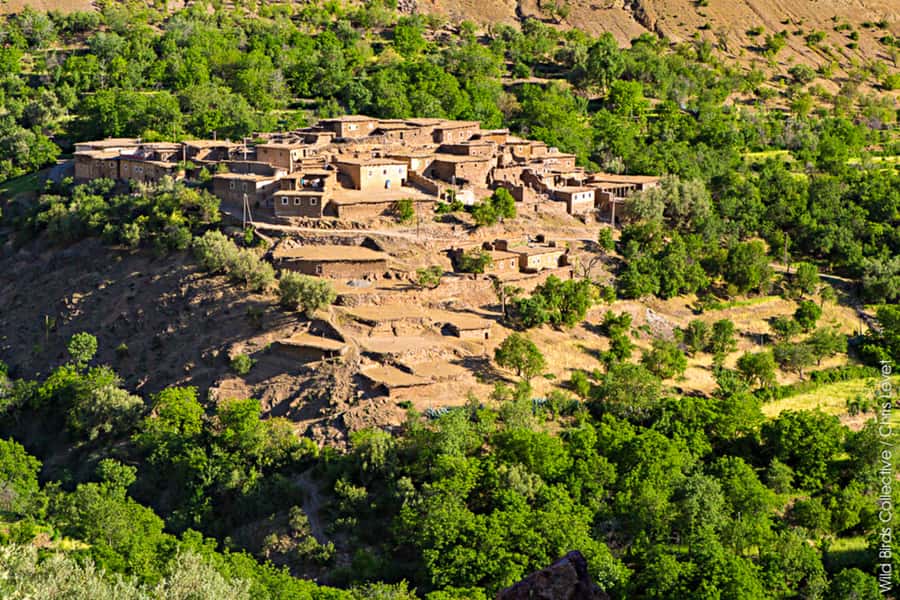
The second day continues for about five to six hours and links several mountain communities. From Tachdirt, the route heads toward Aguersiwal, reaches a pass at roughly 2,100 meters, and then continues through Matat toward Ait Aissa.
This is the day when the trek feels most like a journey through the Atlas rather than a series of scenic stops. The route moves through Amazigh villages, narrow corridors, and changing mountain scenery. In spring, fruit trees can transform sections of the walk. Apple and cherry blossoms were especially memorable along the first half of this day.
The Oudit Pass reaches around 2,200 meters. The climb is not described as extreme, but the trail can be rocky and steep in places. You should be comfortable walking uphill and downhill for several hours. Good trail shoes or hiking boots are a better choice than ordinary trainers, especially for the descent.
Ait Aissa provides the second overnight stop. The accommodation is again simple, though some departures have had hot showers and even a steam shower. Conditions can vary, so do not count on spa comforts. If you are trekking in winter, hot water and warmth may be limited, and baby wipes can be more useful than shower gel.
The evening is part of the appeal. There is no promise of a fixed entertainment program, and internet access may be limited or absent. That can feel like a relief after Marrakech. Bring a book or cards if you want something to do after dinner.
Day Three: Waterfalls, Tizi Mazik, and the descent to Imlil
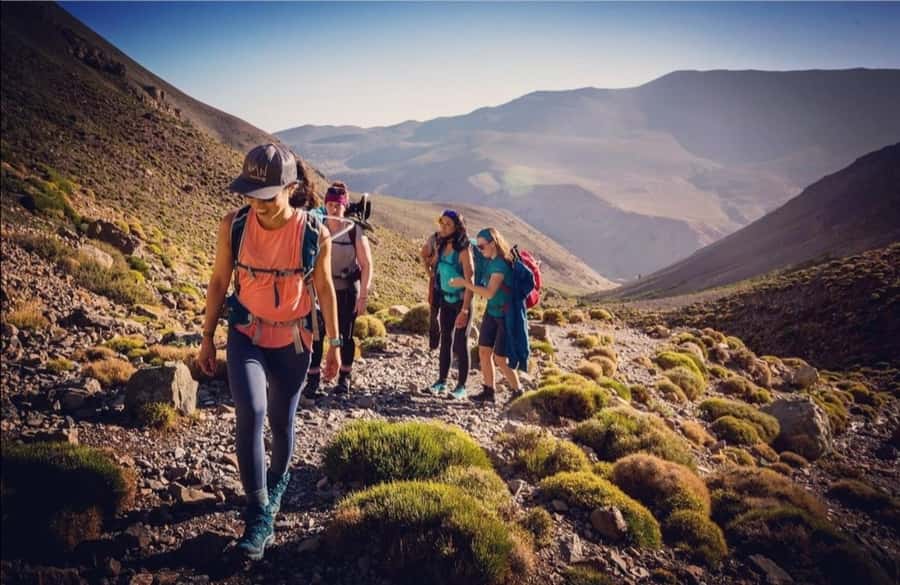
The last day is the longest-feeling day, with about six hours of walking. It begins around Ait Aissa and includes waterfalls in Toubkal National Park, followed by the climb to Tizi Mazik at approximately 2,500 meters.
The waterfalls provide a welcome change from the dry mountain paths and village lanes. Their appeal depends on recent conditions, but they are an important natural stop on the route and a good place to pause before the final major climb.
Tizi Mazik is the highest pass on the stated route. From here, you get wide views over the Ait Mizan Valley and the surrounding peaks. The view is the sort that makes you understand the scale of the Atlas. It also makes the uphill work feel worthwhile.
Lunch in Mzik comes before the final descent to Imlil. Downhill walking is often harder on the knees than climbing, and this is where proper footwear matters most. Loose rock and steep sections can make an otherwise moderate trek feel demanding.
Once you reach Imlil, transport takes you back to Marrakech. The included drop-off is useful if you are staying in or near the Medina, where finding a vehicle in the narrow streets can be awkward. Several departures have used comfortable, safe transport and organized pickup close to the riad.
A few more Marrakech runs to hold up against each other
- From Marrakech: Ouzoud Waterfalls Guided Hike and Boat Trip
★ 4.7 · 33,630 reviews - 3 Days Desert Tour From Marrakech To Merzouga Dunes & Camel Trek
★ 5.0 · 10,125 reviews - From Marrakech: Atlas Mountains Full-Day Hiking Trip w Lunch
★ 4.8 · 7,417 reviews - Marrakech: Ourika Valley Trip with Waterfall Hike
★ 4.6 · 6,792 reviews
What the walking is really like
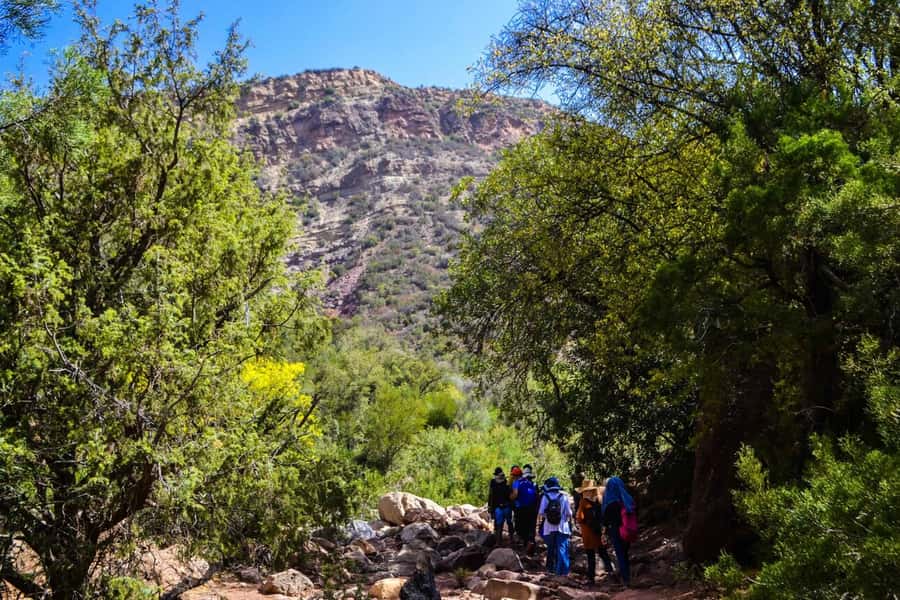
The route is rated moderate, but that word needs context. You walk five to six hours on each of the first two days and about six hours on the third. The passes are high enough to require steady effort, yet the trek is not presented as a technical mountaineering trip.
You should be ready for:
- Sustained uphill and downhill walking
- Rocky and uneven paths
- Steep sections, especially on descents
- Sun exposure at higher elevations
- Cold evenings outside the summer months
- Long gaps between main meals
The route can be adapted to the group’s ability. Guides such as Kamel and Abdul have been praised for matching their pace to the people in front of them and stopping for photos or rest. That does not remove the physical demands, but it makes the trip more manageable.
You should not book this if you need flat paths, wheelchair access, or a low-effort sightseeing tour. It is also not suitable for pregnant women or people with heart problems. If you walk regularly in hills, you are more likely to find the trek comfortable. Still, pack hiking boots or trail shoes rather than relying on casual sneakers.
Amazigh villages and local hospitality
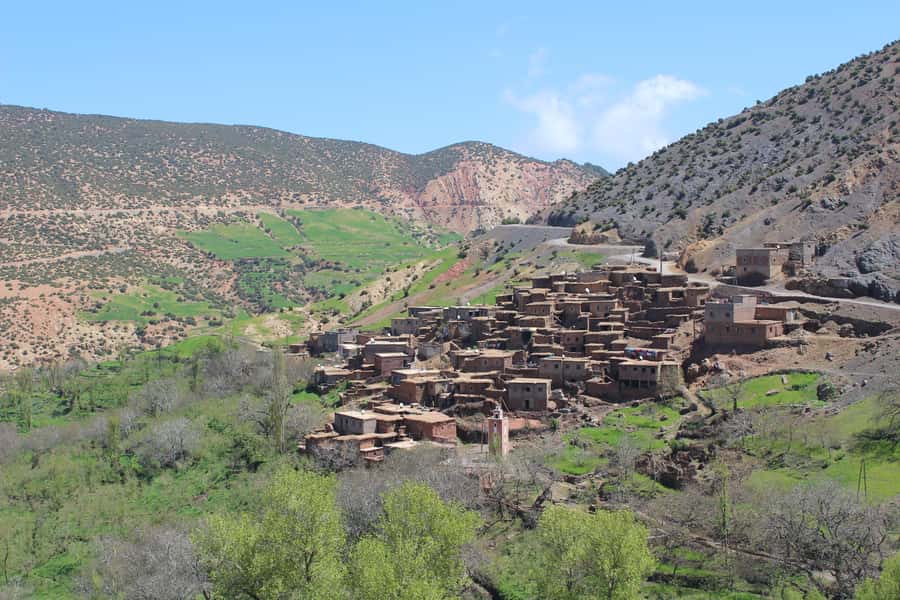
The cultural side is as important as the scenery. Your guide can explain Amazigh customs, village life, farming, and the practical realities of living in the mountains. Several guides have invited participants for tea with their families, giving the trip a personal touch that a standard day excursion rarely provides.
Tea stops may happen with the guide’s family or people known along the route. These moments are not heavily staged attractions. They are small pauses that let you sit, talk, and see how hospitality works in the mountain communities.
The muleteers are also part of the experience. They move the luggage and food between stops, making the multi-day route possible without requiring you to carry everything. Cooks and muleteers such as Ibrahim, Mohammed, Hassan, and Braham are frequently praised for their kindness, humor, and hard work.
Keep cash available for tips. It is not listed as part of the price, but tipping the guide, cook, or muleteer is a practical way to recognize the people who make the trek run smoothly.
Food, water, and guesthouse comfort
All meals during the trek are included: three lunches, two dinners, and three breakfasts. The food is widely described as plentiful and fresh, with Moroccan dishes such as tagines, salads, bread, tea, and simple breakfasts.
The cooks can accommodate dietary needs when told in advance. Vegan food and food allergies have been handled successfully with fresh ingredients. If you prefer a traditional Moroccan breakfast, ask for it. One person found the default breakfast sweeter and more Western than expected, while msemen, omelets, olive oil, and other local options were preferred.
You do not need to load your bag with snacks. Meals are generous, though lunch may come around 2 p.m. on some days. If you get hungry between breakfast and lunch, carry a small snack rather than a full supply.
Mineral water and soft drinks are not included. Budget for bottled water along the way. Tea and bottled water are available at points on the route, but do not assume every stop will accept cards. A water filter was not needed on one departure, but the activity information specifically excludes water, so plan to buy your drinking supply.
The guesthouses offer a genuine mountain stay, not luxury accommodation. You may find electricity, running water, Wi-Fi, or cell service, but the availability of hot showers can differ between nights. Pack a towel, toilet paper, a sleeping bag liner, a pillowcase, and warm sleepwear.
Is $227 good value?
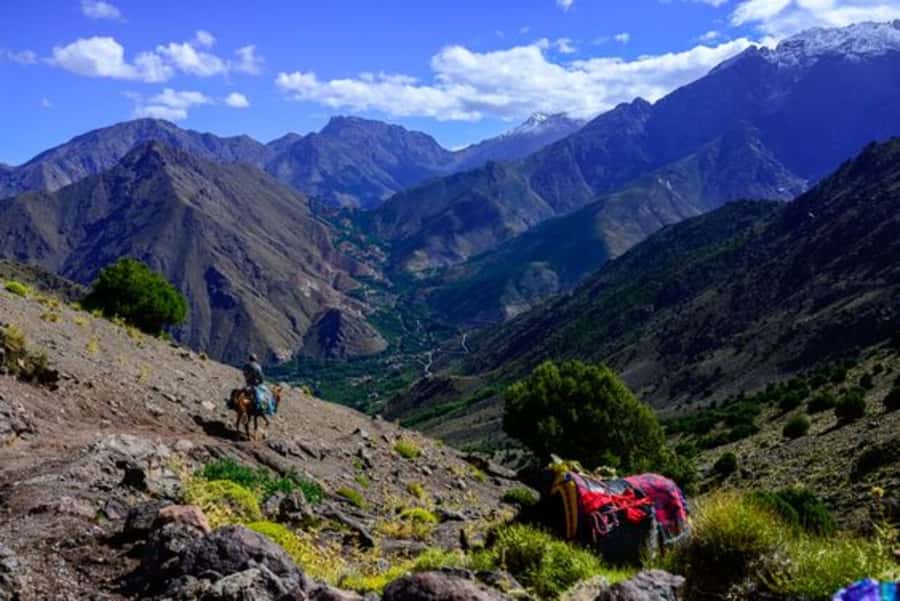
At $227 per person, the package includes a great deal for a three-day trip. You receive Marrakech pickup and drop-off, air-conditioned transport, a local guide, mule support, two nights of accommodation, and every main meal during the trek.
The value improves if you are traveling without your own car or do not want to organize a guide, lodging, food, and luggage transport separately. You also gain a route through several valleys instead of paying for a single mountain viewpoint outing.
The price does not cover mineral water, soft drinks, or guide and muleteer tips. You also need to provide the right clothing and footwear. Those costs are small beside the overall package, but they should be part of your budget.
The main tradeoff is comfort. You are paying for access, meals, and local support rather than polished hotels. If you want a soft bed, guaranteed hot water, and a fixed internet connection, this is not the right use of $227. If you value mountain scenery, village contact, and a well-supported walking route, it is a strong deal.
Best time to take the trek
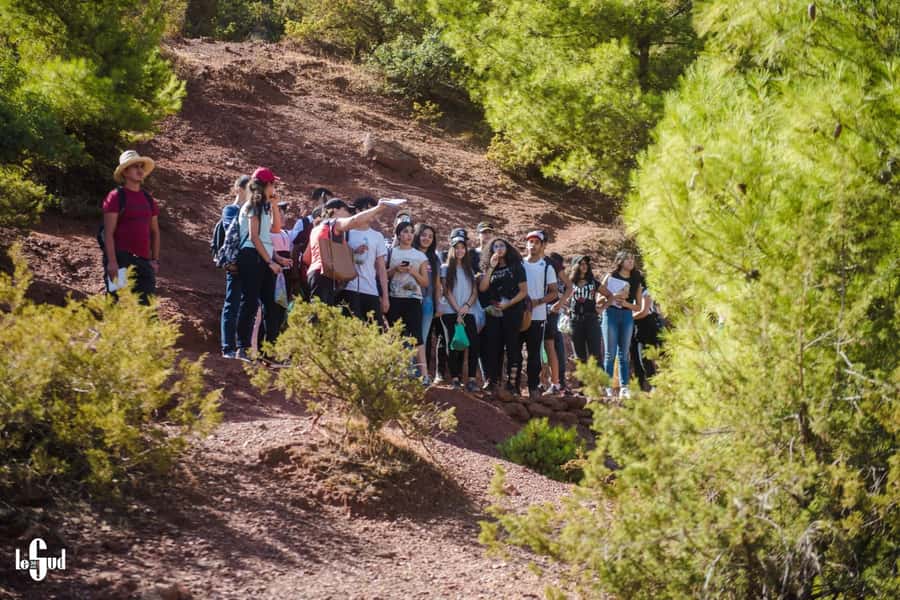
Spring offers some of the prettiest conditions, with fruit trees in bloom and cooler walking temperatures. April and May can bring colorful valley scenery without the strongest summer heat.
Summer can still work. Daytime temperatures in the Atlas have been around 25 to 27 degrees Celsius on one August departure, while nights were cool enough for blankets. Start times and shade still matter, so bring a hat, sunscreen, sunglasses, and plenty of water money.
Winter brings cold evenings and a greater need for warm layers. January conditions included chilly nights and rocky paths, but the walks remained manageable for people used to hill walking. Expect simpler washing arrangements and carry warm sleepwear.
The route is scenic in every season, but the experience changes. Spring brings blossoms, summer offers comfortable mountain days compared with Marrakech, and winter gives crisp air with colder nights.
Who should book this Atlas trek?
I would choose this tour if you want a substantial mountain experience but do not want to climb Toubkal. It suits people who enjoy walking, village culture, local food, and basic accommodation.
It works well for solo participants, couples, families with older children who can handle mountain walking, and small groups of friends. The guide’s ability to adjust the pace is helpful, but every participant still needs reasonable fitness.
You should think twice if you dislike shared guesthouses, rough paths, limited hot water, or long walking days. Pregnant women, wheelchair users, and people with heart problems should not book this activity.
Free cancellation up to 24 hours before the start and the option to reserve now and pay later make planning easier. The tour runs with English or French-speaking guides, so choose the language that will let you ask questions comfortably.
Should you book it?
Book this three-day trek if you want to get beyond Marrakech and see the High Atlas at walking speed. The strongest reasons are the varied route, capable local guides, excellent food, mule support, and genuine contact with Amazigh villages.
Pack proper footwear, a warm layer, a sleeping bag liner, toilet paper, sunscreen, and cash for tips. Accept the guesthouses as part of the mountain experience, not as a hotel substitute. If you do that, this is a well-priced, memorable way to trade the Medina for passes, waterfalls, tea, and wide mountain views.
FAQ
How long is the Marrakech High Atlas trek?
The experience lasts three days and includes two nights of accommodation in mountain guesthouses.
How many hours do you walk each day?
Day one takes about five to six hours, day two about five to six hours, and day three about six hours.
Which mountain passes are included?
The route includes Tizi n’Tamterte at about 2,300 meters, Oudit Pass at about 2,200 meters, and Tizi Mazik at about 2,500 meters.
Are meals included?
Yes. The package includes three breakfasts, three lunches, and two dinners during the trek.
Is drinking water included?
No. Mineral water and soft drinks are not included, so you should budget for bottled water along the route.
What languages do the guides speak?
The live guide service is available in English and French.
What should I bring?
Bring your passport or ID card, comfortable hiking shoes, a towel, sunscreen, a hat, and sunglasses. A sleeping bag liner, warm clothing, toilet paper, and cash for tips are also useful based on the mountain accommodation and route conditions.
Is the trek suitable for everyone?
No. It is not suitable for pregnant women, wheelchair users, or people with heart problems. The paths can be rocky and steep, so you should be comfortable with several hours of mountain walking.
More 3-Day Experiences in Marrakech
- From Marrakech: 3-Day Merzouga and Sahara Desert Tour
★ 4.9 · 15,308 reviews - From Marrakech: Merzouga 3-Day Desert Safari with Food
★ 4.7 · 12,232 reviews - 3-Day Marrakech to Merzouga Desert Tour: Camel Rides & Overnights
★ 5.0 · 8,734 reviews - 3-Day Marrakech to Fes Sahara Desert Tour via Merzouga
★ 5.0 · 6,546 reviews
Just listed around Marrakech
- 3 Days To Merzouga Desert★ 5.0 · 19 reviews
- 3 Days Shared Sahara Desert Tour From Marrakech★ 5.0 · 78 reviews
- 1 night Camel Treking in Merzouga Desert Luxury Camp★ 5.0 · 132 reviews
- 3 Days Sahara Desert Trips From Marrakesh★ 5.0 · 176 reviews
- 3 Days Sahara Tour from Marrakech to Merzouga Dunes★ 5.0 · 29 reviews
- trip of your dreams in 3 days and 2 nights in the desert★ 5.0 · 36 reviews
- 3 Days Private Tour to Merzouga Desert from Marrakech★ 5.0 · 77 reviews
- 3 Day Sahara Desert Tour From Marrakech★ 5.0 · 49 reviews
Atlas Mountains Tours, compared.
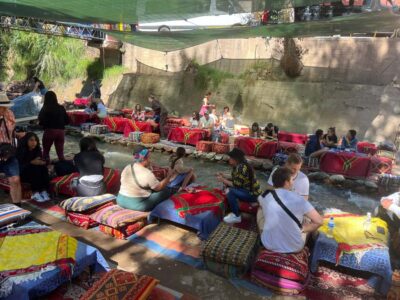
Atlas Mountains, Ourika Valley, Waterfall & Lunch
Read our review →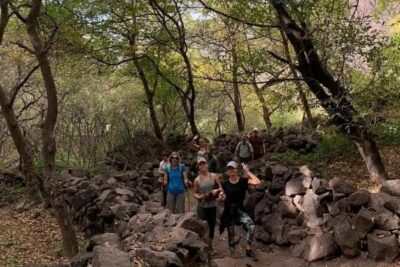
Berber villages : Atlas Mountains Day Hike from Marrakech
Read our review →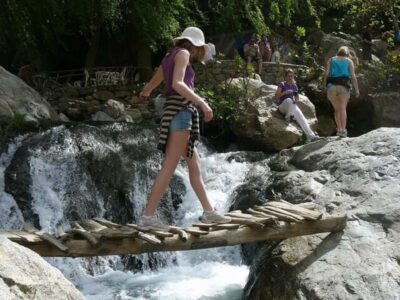
Ourika Waterfalls, Atlas Mountains, Guide + Lunch
Read our review →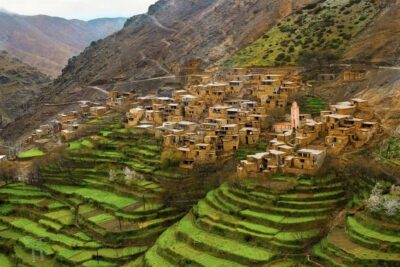
Atlas Mountains & Agafay Desert Tour w Camel Ride
Read our review →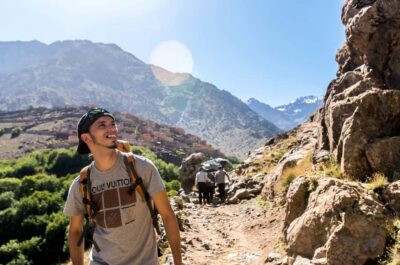
Atlas Mountains, Waterfalls, Ourika Valley +Lunch
Read our review →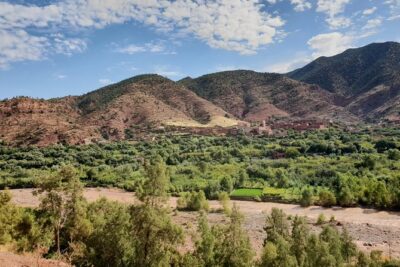
Atlas Mountains & 5 Valleys Tour from Marrakech – All inclusive –
Read our review →Browse the lists this tour appears in