
Reviewed · SAHARA DESERT TOURS
Marrakech: 3Day Luxurious Merzouga Tour w/ Camel&Quad Option
The Sahara is worth the long road. This Marrakech to Merzouga journey packs Ait Ben Haddou, Todra Gorge, the Draa Valley, camel rides, and a desert camp into three busy days. I like the strong mix of culture and scenery, and I like the friendly guides, especially Houssine, Ali Couscous, Omar, Hassan, and Ismail, who are often praised for looking after their groups. The main catch is simple: the driving is long, and lunch is not included.
At $116 per person, this is an unusually full Morocco trip for the money. You get Marrakech pickup and return, air-conditioned transport, two nights of accommodation, breakfasts, dinners, camel rides at sunset and sunrise, sandboarding, and Wi-Fi on board. You should still budget for lunches, drinks, the Ait Ben Haddou guide, and perhaps a quad ride.
In This Review
- Six things to know before booking
- Why this three-day desert route works
- Day 1: High Atlas passes and Ait Ben Haddou
- Day 2: Todra Gorge, Erfoud, and the approach to Erg Chebbi
- Choosing between the standard and luxury camp
- Day 3: Sunrise and the long return to Marrakech
- Guides, drivers, and the human side of the trip
- Food, cash, and what to pack
- Who should book this $116 tour?
- Should you book it?
- FAQ
- How long is the Marrakech to Merzouga tour?
- What is included in the $116 price?
- Are lunches included?
- Is vegetarian food available?
- Is the Ait Ben Haddou guide included?
- Can I rent a quad bike in the desert?
- Does the tour include camel rides?
- Is sandboarding included?
- What languages are spoken on the tour?
- Can I finish the tour in Fes instead of Marrakech?
Six things to know before booking
- Nearly 19 hours of driving: Day 1 takes about 5 hours and 40 minutes, Day 2 about 4 hours and 45 minutes, and the return to Marrakech about 8 hours and 30 minutes.
- The desert night is the star: Sunset by camel, dinner with music, sandboarding, and an early sunrise make Merzouga the trip’s big payoff.
- Ait Ben Haddou costs extra to tour with a local guide: The optional guide is about €2 per person.
- Lunches are not included: Plan on roughly 120 to 150 dirhams per lunch, plus money for drinks and snacks.
- Quad bikes are optional: You can rent one locally at the desert camp for about €50.
- Luxury camp means more comfort: The standard camp can work for one night, but the luxury upgrade is worth considering if you want a private bathroom and a more comfortable room.
Why this three-day desert route works
This tour gives you a fast look at southern Morocco rather than a slow, restful desert holiday. You cross the High Atlas Mountains, visit old kasbah country, pass palm groves and dry valleys, reach the Erg Chebbi dunes, and then make the long return to Marrakech.
I like that the desert is not treated as a single photo stop. The route includes Ait Ben Haddou, the Skoura palm grove, the Rose Valley, Dades country, Todra Gorge, Erfoud, and the Draa Valley. Each place changes the view outside your window.
The price is the strongest part of the deal. Transport, accommodation, dinners, breakfasts, camel rides, and sandboarding are already covered. You are paying for a packed experience, not just a ride to the dunes.
The tradeoff is time. You will spend many hours in a minibus or 4×4, and some stops can feel brief. I would choose this trip if you have limited time in Morocco and want to see the desert without arranging several hotels and transfers yourself. If you have a full week, I would prefer a longer route with two nights in the desert.
More Camel Rides in Marrakech
- Marrakech: Agafay Desert Sunset, Camel Ride, and Dinner Show
★ 4.6 · 35,119 reviews - Marrakech: Agafay Desert Quad & Camel Rides with Dinner Show
★ 4.8 · 27,382 reviews - Marrakech: Agafay Desert Quad & Camel Rides with Dinner Show
★ 4.9 · 10,771 reviews
Day 1: High Atlas passes and Ait Ben Haddou
Pickup begins in Marrakech, with the exact meeting point arranged around your accommodation. This matters because not every riad or hotel can be reached by a large vehicle. Give the operator your accommodation name and a working WhatsApp number so the morning meeting is clear.
The first major section crosses the High Atlas Mountains through the Tizi n Tichka Pass. The road is winding, so the frequent stops are welcome. You get changing views of mountain slopes, villages, and dry valleys, with plenty of chances to stretch and take photographs.
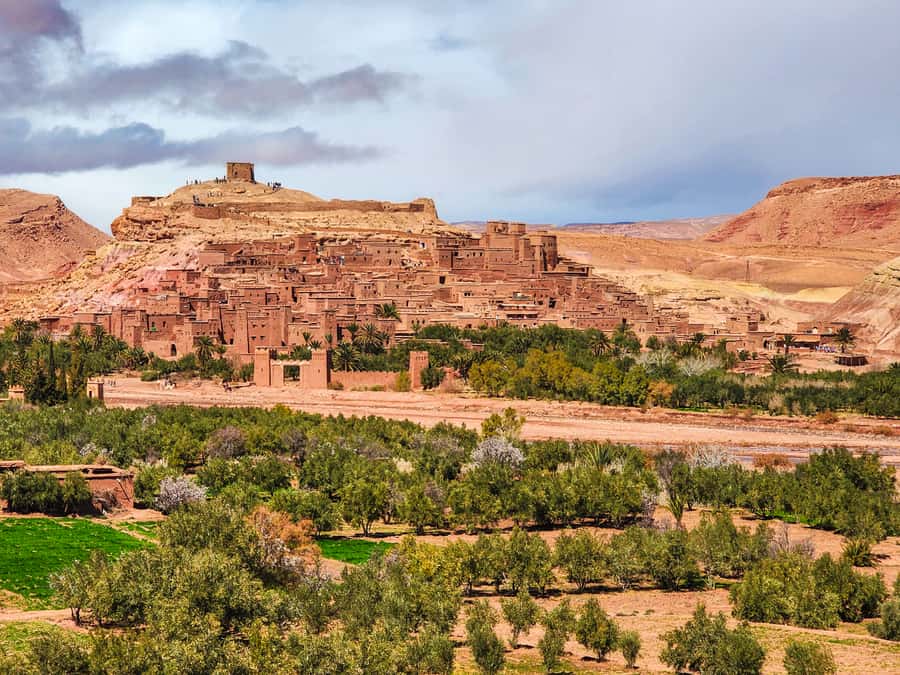
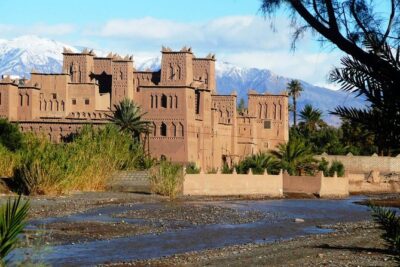
Ait Ben Haddou is the day’s cultural centerpiece. This fortified village, built from earth and clay, is a UNESCO World Heritage site and has appeared in many films. Its towers and passageways look especially striking from outside, but the visit is better when you understand how the settlement was built and used.
A local guide is not included, though you can join a group visit for about €2 per person. I would consider paying it. The fee is small, and a guide can give the walls, houses, and old trading settlement more meaning than a quick walk with a camera.
After Ait Ben Haddou, the route continues toward Ouarzazate. You then pass through the Skoura palm grove, where palms and kasbahs create one of the most pleasing contrasts on the route. The Rose Valley follows. Roses bloom in mid-spring, so the valley is most appealing then, but the surrounding kasbahs and dry scenery still make a good stop outside the flowering season.
The first night is in Tinghir or near the Dades Gorges, at Hotel Saghro or a similar property. The package includes a private air-conditioned room or suite with a bathroom. Some people also find a swimming pool at the overnight hotel or another stop, so pack swimwear if cooling off sounds good.
Dinner is included. Food quality can vary by stop, and some meals may be plain, but the hotel itself is often described as clean and comfortable, with a pool and scenic dining area. Treat this night as a useful rest before the desert, not as the main luxury feature.
Day 2: Todra Gorge, Erfoud, and the approach to Erg Chebbi
Day 2 is more focused. After breakfast, you head toward Todra Gorge, one of the most dramatic natural stops on the route. High rock walls close in around the road and walking area, giving you a welcome chance to leave the vehicle and see the scale of the canyon at ground level.
The stop can feel rushed. If Todra Gorge is important to you, keep your camera ready and use your walking time well. Comfortable shoes are a must, and flip-flops can be useful around showers and communal facilities later.
The road continues through Tinjdad toward Erfoud and then the desert. The views shift from mountain rock to broad, dry plains, acacia trees, and open desert scenery. This gradual change is part of the appeal. You are not simply transported from Marrakech to sand dunes; you watch southern Morocco change around you.
The Draa Valley is another important feature of this route. Its palms and settlements show how water supports life in a very dry part of the country. Along the way, stops connected with local crafts, food, argan products, scarves, carpets, and paintings may appear. These visits can feel commercial, so do not feel pressured to buy. They can still offer a useful look at how local goods are made.
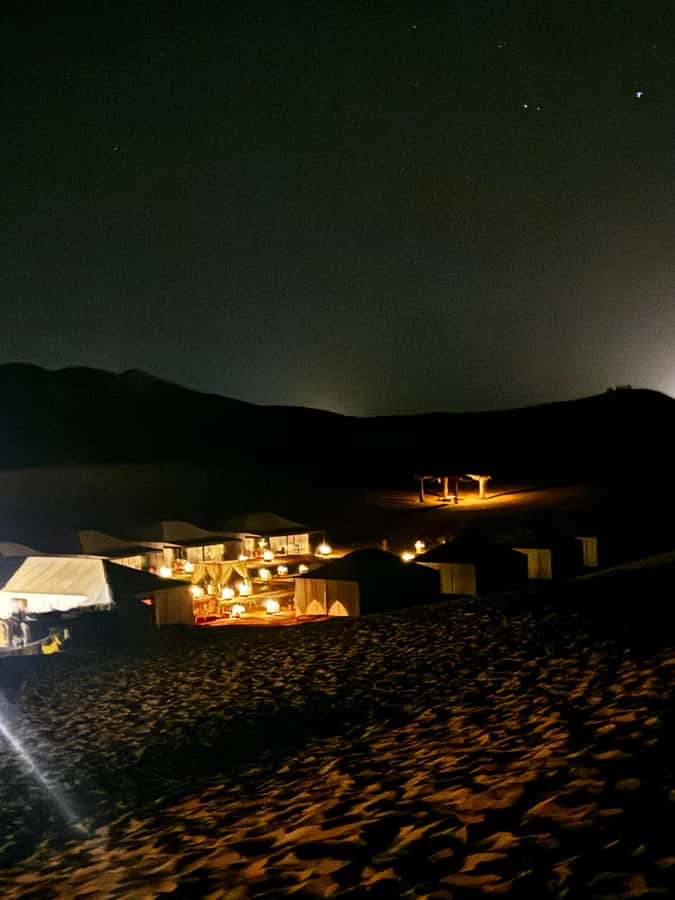
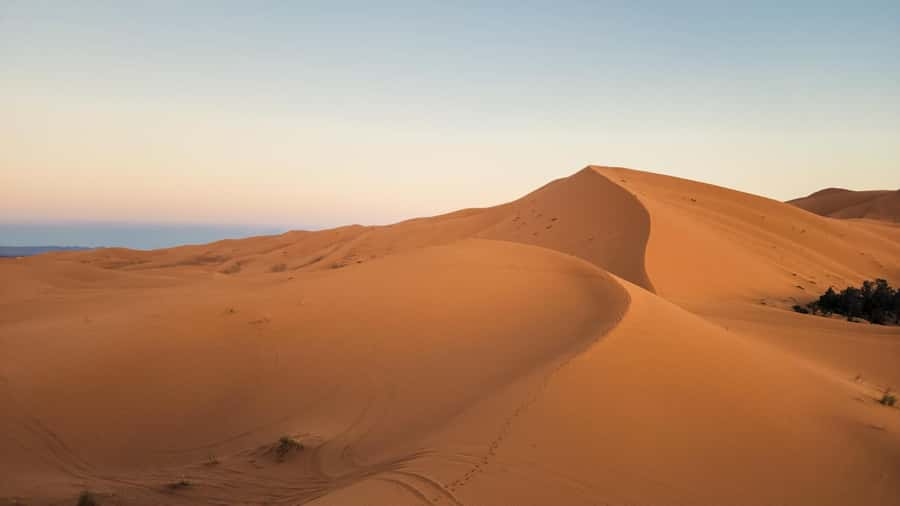
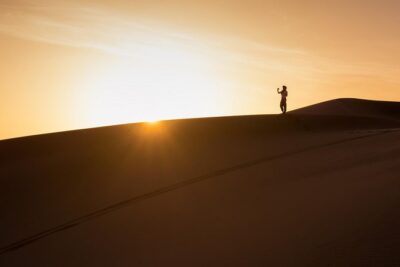
By late afternoon, the dunes of Erg Chebbi provide the big visual change. The golden sand rises in long curves, and the desert feels far removed from Marrakech’s streets. You leave the vehicle and mount a camel for the ride toward camp.
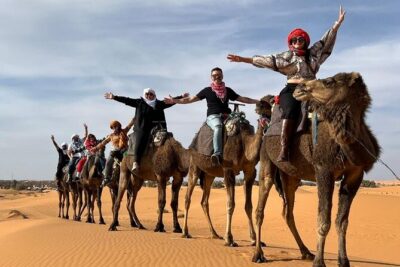
The sunset camel ride is the emotional high point for most people. The pace is slow, the dunes move beneath you, and the changing light does the work. Camel riding can be uncomfortable for some people, especially after a long day in a vehicle, but the ride is a genuine desert experience rather than a quick staged photo.
You can also rent a quad bike from local operators at the camp for about €50. I would choose the quad if you want speed and more time on the sand, or if you are worried about spending a long stretch on a camel. Some people use a quad for the return journey and keep the camel ride for sunset.
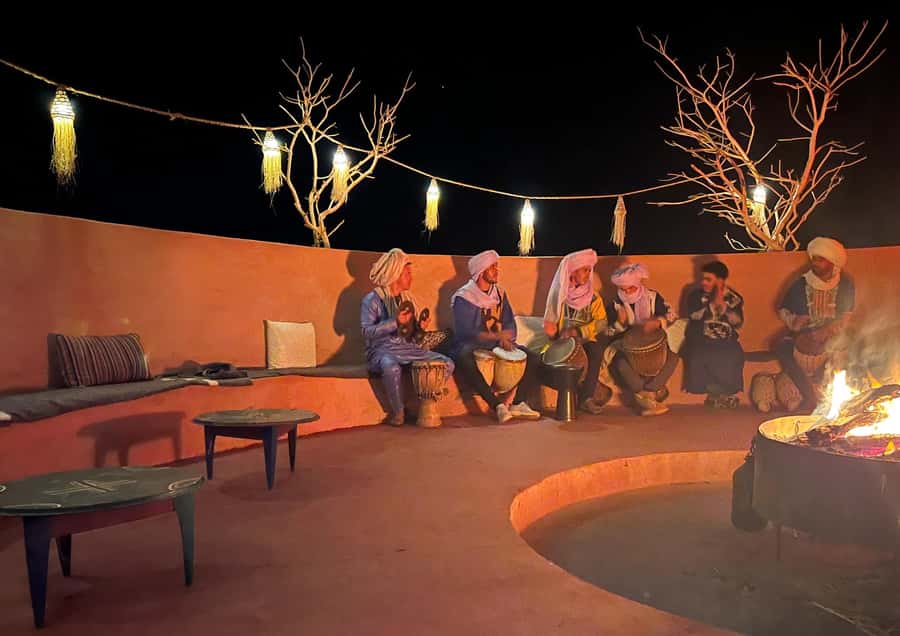
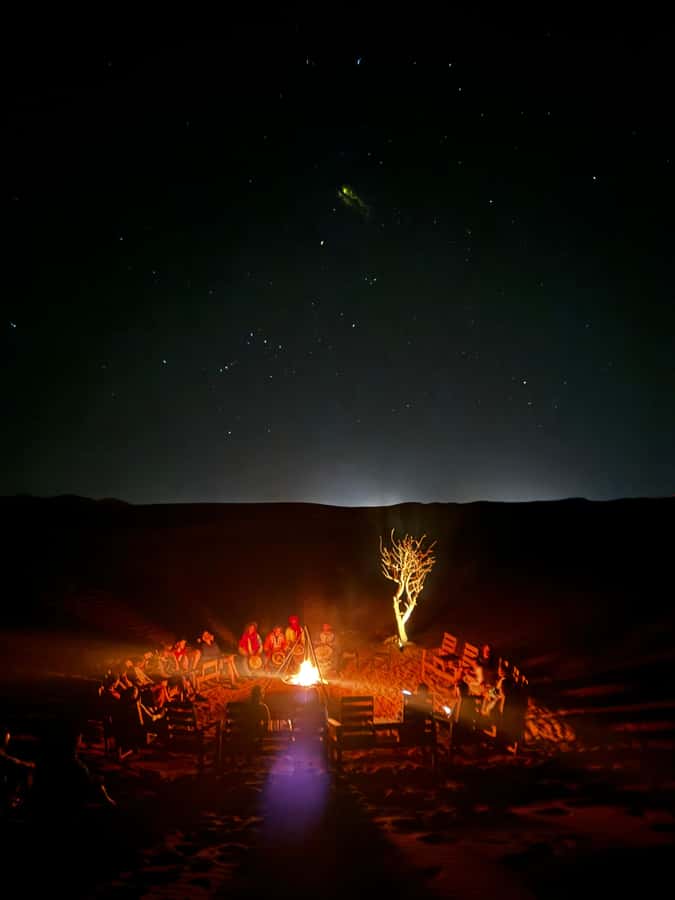
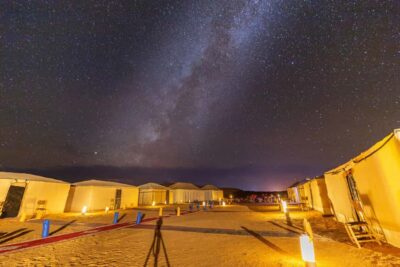
At camp, dinner is included, followed by drumming and dancing. Sandboarding is also included, though the amount of time available for it can depend on the day’s schedule and your camp location. Afterward, you can sit outside and look at the night sky. The desert’s quiet and open horizon are the real entertainment.
Choosing between the standard and luxury camp
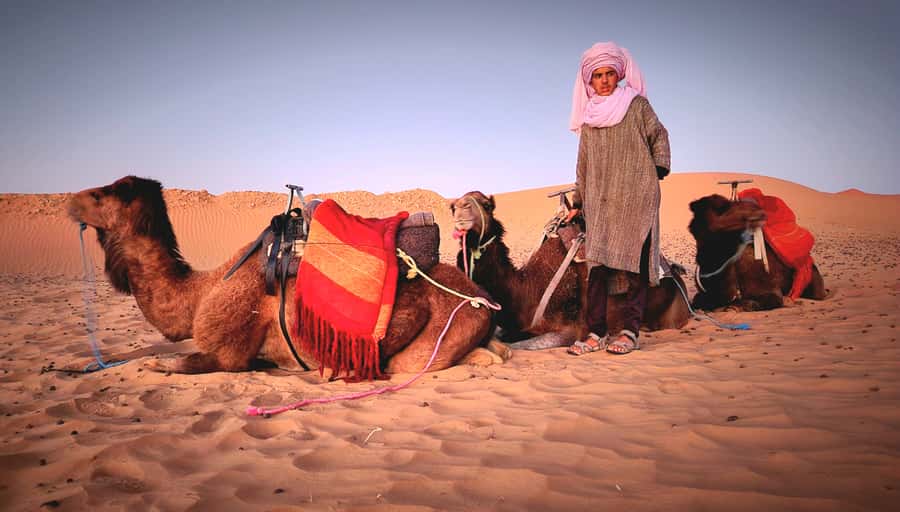
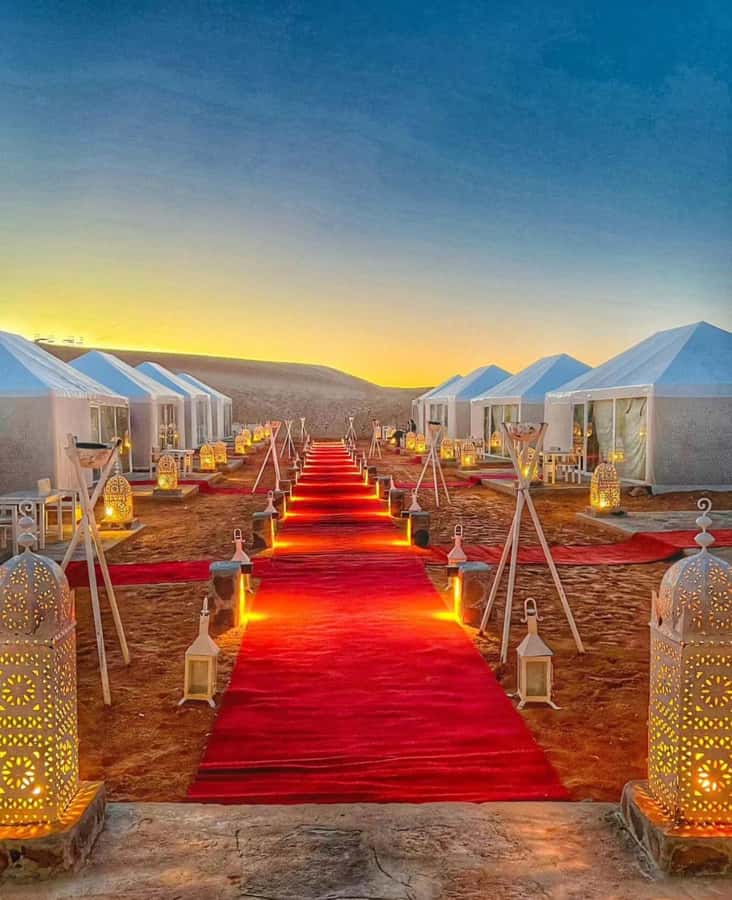
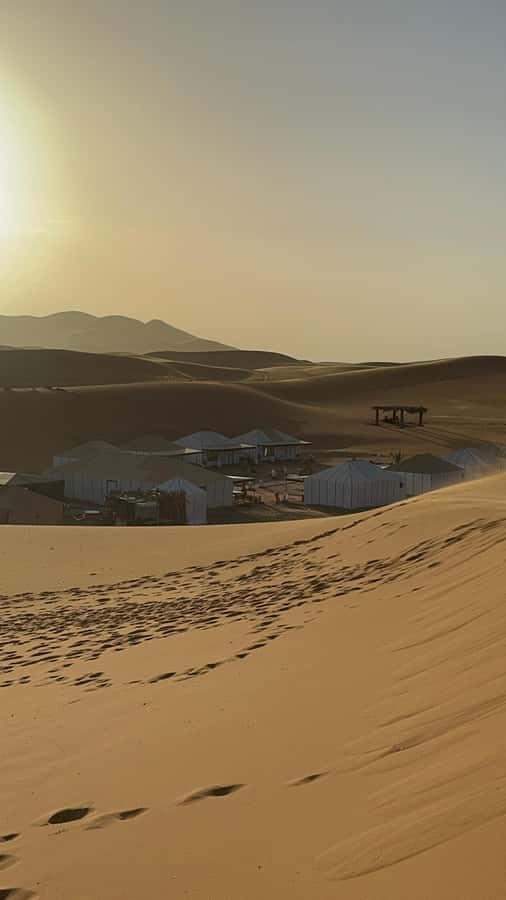
The word luxurious needs a little care here. The tour includes a desert camp, and there is a luxury camp upgrade, but the exact level of comfort depends on the option you book.
The luxury camp is described as clean, comfortable, and worth the extra cost. It can include a private bathroom, which is a major advantage after a camel ride and a hot day. The standard camp may use communal bathrooms, so bring soap and shower sandals.
One important detail is air-conditioning. At least some tents do not have air-conditioning, so do not book this expecting a cooled hotel room in the dunes. Desert temperatures can be very high in summer, especially in July and August. The camp may feel more comfortable after dark, but midday heat remains part of the setting.
I would choose the luxury option for couples, families, and anyone who values a private bathroom. A budget-minded solo visitor may find the standard camp perfectly adequate for one night. Either way, pack light for the camp and keep essentials such as sunscreen, water, a phone, and a change of clothes easy to reach.
More Quad Biking in Marrakech
- Marrakech: Agafay Desert Quad Biking Tour with Dinner-Show
★ 4.8 · 16,569 reviews - Marrakech: Quad Bike Tour to Palm Oasis and Jbilat Desert
★ 4.8 · 11,831 reviews - Marrakech: Agafay Desert Quad, Camel Ride & Dinner Show
★ 4.7 · 10,209 reviews - Marrakech Quad Bike Experience: Desert and Palmeraie
★ 4.5 · 9,509 reviews
Day 3: Sunrise and the long return to Marrakech
The final morning starts early. You ride a camel back toward Merzouga village after breakfast, with the sunrise providing another memorable desert view. The morning ride is cooler than the afternoon journey, but you still need sun protection and comfortable clothing.
After leaving the dunes, the return drive takes about 8 hours and 30 minutes. That is a serious stretch, even with breaks. The route passes desert scenery, acacia trees, and the Atlas Mountains before returning you to Marrakech.
The driver matters a great deal on this day. Several guides and drivers receive praise for calm, safe driving and regular stops for toilets, water, and snacks. Drivers named Mohamed, Hicham, Karim, Omar, Musta, Mehdi, and others are associated with different departures, so your exact team may vary.
The air-conditioned minibus or 4×4 makes the route possible, but comfort depends on how full the vehicle is. One person found the minibus cramped on the long sections, while others found the vehicle comfortable and well cooled. I would not choose this tour if you dislike road trips or need plenty of legroom.
Guides, drivers, and the human side of the trip
The strongest praise goes to the guides. Houssine is often described as friendly, attentive, multilingual, and easy to talk with. Ali Couscous is praised for his humor, cultural explanations, and habit of checking that everyone is comfortable. Omar, Hassan, Ismail, Ibrahim, Moha, and Hamid also receive warm comments for their care and good spirits.
This matters because the schedule is tight. A guide who explains the plan, watches the timing, and helps with local arrangements can make a long day feel manageable. Some guides create a WhatsApp group to share information and trip photos, which is a nice touch for a mixed-language group.
The tours operate in English, French, and Spanish. Guides may use several languages during the same trip, so explanations can take time. You may not receive a long lecture at every stop, but the personal contact is one of the better parts of the experience.
The drivers deserve equal credit. A cautious driver makes winding mountain roads and the long desert return much less stressful. If you usually feel sick on winding roads, sit near the front if possible and keep water and snacks handy.
Food, cash, and what to pack
Breakfasts and dinners are included, with vegetarian choices available. The desert camp food is often the strongest meal, while hotel and roadside meals can be basic or bland. Lunch is not included, and the restaurants used for the group can be more expensive than expected.
I would carry cash for three lunches, drinks, snacks, and small guide fees. A practical estimate is about 120 to 150 dirhams per lunch, plus additional money for drinks. One useful budget is around 600 dirhams per person for food and drinks across the trip, before shopping or quad biking.
Pack comfortable walking shoes, breathable clothes, biodegradable sunscreen, and a swimsuit. Add a light layer for the desert evening, though the supplied information does not promise a specific night temperature. Flip-flops help with communal showers, and a small day bag keeps camp essentials separate from your main luggage.
The operator provides luggage service and Wi-Fi on board. Wi-Fi is useful for messages and trip photos, but I would still download anything important before leaving Marrakech.
Who should book this $116 tour?
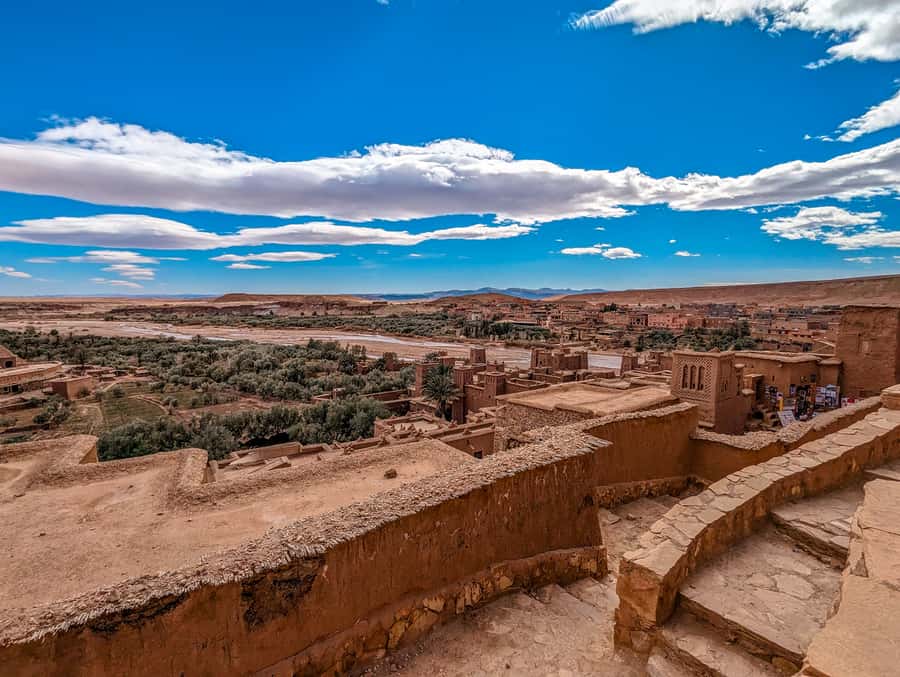
At $116, the value is excellent if you want a fast, organized route to Merzouga. You receive transport, two nights of lodging, two breakfasts, two dinners, camel rides in both directions, sandboarding, and several major stops. Adding the optional quad ride and luxury camp upgrade raises the total, but the basic package already covers the essential desert experience.
This trip suits first-time visitors, families with older children, solo visitors who like meeting a group, and anyone with only three days available. It also works well if you want a guide to handle mountain roads, hotel arrangements, desert transfers, and camp logistics.
I would hesitate if you need slow sightseeing, long meals, or free time in each valley. The return to Marrakech is especially demanding. You also need to accept that some stops linked to crafts or lunch may feel tourist-oriented.
The rating is 4.8 from 855 ratings, and the recurring strengths are clear: excellent guides, safe driving, memorable camel rides, clean accommodation, and strong value. The recurring weaknesses are also clear: long road hours, basic breakfasts, uneven lunch quality, and occasional cramped transport.
Should you book it?
Book this tour if the Sahara is a priority and your schedule is tight. The sunset camel ride, sunrise over Erg Chebbi, camp dinner, and star-filled desert night can justify the long road from Marrakech.
Choose the luxury camp if a private bathroom matters, and consider the quad option if you want a faster desert ride. Bring cash, snacks, water, swimwear, and realistic expectations about the driving. If you can spare an extra night, a slower desert itinerary would be more comfortable, but for $116, this is a remarkably full introduction to southern Morocco.
FAQ
How long is the Marrakech to Merzouga tour?
The tour lasts three days. Day 1 includes about 5 hours and 40 minutes of driving, Day 2 about 4 hours and 45 minutes, and Day 3 about 8 hours and 30 minutes.
What is included in the $116 price?
The price includes Marrakech hotel pickup and drop-off, air-conditioned transport by 4×4 or minibus, a local driver-guide, accommodation, Moroccan breakfasts and dinners, camel rides at sunset and sunrise, sandboarding, swimming pool access where available, onboard Wi-Fi, and luggage service.
Are lunches included?
No. Lunches, drinks, snacks, and other personal purchases are not included.
Is vegetarian food available?
Yes. Vegetarian meal options are available for the included breakfasts and dinners.
Is the Ait Ben Haddou guide included?
No. A local guide costs about €2 per person. You can also join a group tour independently.
Can I rent a quad bike in the desert?
Yes. Quad bikes are available to rent locally at the desert camp for about €50.
Does the tour include camel rides?
Yes. The package includes a camel ride to the camp at sunset and a camel ride back to Merzouga village after sunrise.
Is sandboarding included?
Yes. Sandboarding is included as part of the desert camp experience.
What languages are spoken on the tour?
The tour is offered in English, French, and Spanish.
Can I finish the tour in Fes instead of Marrakech?
Yes. You can end in Fes for an additional €40.
More 3-Day Experiences in Marrakech
- 3-Day Marrakech to Fes Sahara Desert Tour via Merzouga
★ 5.0 · 6,546 reviews - Marrakech: 3-Day Merzouga Desert Experience Camel & Meals
★ 4.6 · 6,252 reviews - From Marrakech: Unforgettable 3-Day Desert Tour to Fes
★ 4.9 · 2,614 reviews - 3-Day Tour to Merzouga Erg Chebbi with Food & Camel Trek
★ 5.0 · 1,770 reviews
More Sahara Nights out of Marrakech
- From Marrakech: 3-Day Merzouga and Sahara Desert Tour
★ 4.9 · 15,308 reviews - From Marrakech: Merzouga 3-Day Desert Safari with Food
★ 4.7 · 12,232 reviews - 3 Days Desert Tour From Marrakech To Merzouga Dunes & Camel Trek
★ 5.0 · 10,125 reviews - 3-Day Marrakech to Merzouga Desert Tour: Camel Rides & Overnights
★ 5.0 · 8,734 reviews
Just listed around Marrakech
- 3 Days To Merzouga Desert★ 5.0 · 19 reviews
- 3 Days Shared Sahara Desert Tour From Marrakech★ 5.0 · 78 reviews
- 1 night Camel Treking in Merzouga Desert Luxury Camp★ 5.0 · 132 reviews
- 3 Days Sahara Desert Trips From Marrakesh★ 5.0 · 176 reviews
- 3 Days Sahara Tour from Marrakech to Merzouga Dunes★ 5.0 · 29 reviews
- trip of your dreams in 3 days and 2 nights in the desert★ 5.0 · 36 reviews
- 3 Days Private Tour to Merzouga Desert from Marrakech★ 5.0 · 77 reviews
- 3 Day Sahara Desert Tour From Marrakech★ 5.0 · 49 reviews
Sahara Desert Tours, compared.
3 Days Desert Tour From Marrakech To Merzouga Dunes & Camel Trek
Read our review →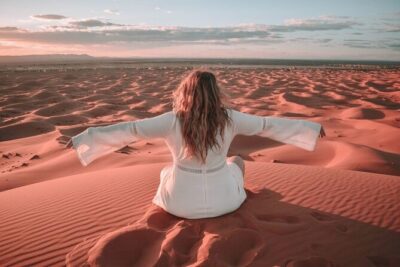
3-Day Marrakech to Merzouga Desert Tour: Camel Rides & Overnights
Read our review →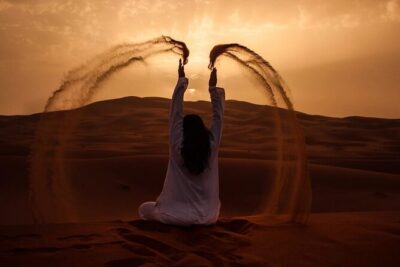
3-Day Marrakech to Fes Sahara Desert Tour via Merzouga
Read our review →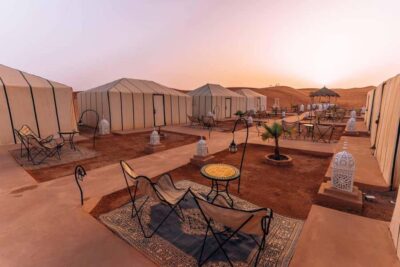
3-Day Merzouga Desert Experience Camel & Meals
Read our review →
3-Day Tour to Merzouga Erg Chebbi with Food & Camel Trek
Read our review →Browse the lists this tour appears in