
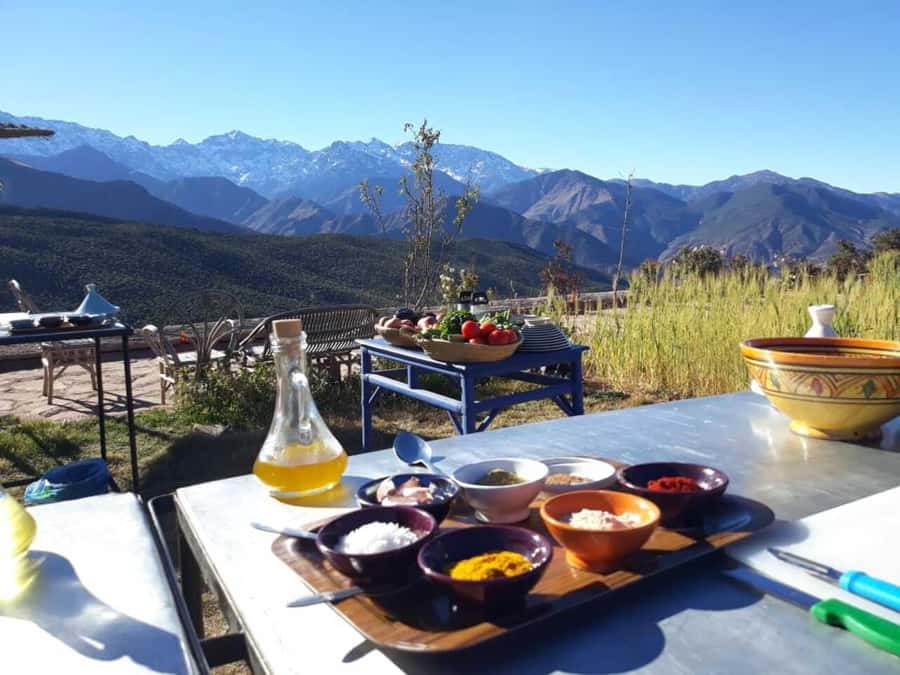
Reviewed · ATLAS MOUNTAINS TOURS
Marrakech: Atlas Mountains Cooking Class with Berber Family
Come hungry, leave with a story. This full-day trip trades Marrakech’s heat and noise for an Atlas Mountains village, where you shop for vegetables, cook with a local grandmother, and eat a three-course lunch in her family home. I especially like the fresh market stop and the chance to learn directly from women who still prepare these dishes at home. The mountain views are another major draw. The main catch is timing: a seven-hour schedule can stretch closer to nine, and lunch may not arrive until 2:30 to 4 p.m.
The $54 price is fair for hotel pickup, transport, a guide, the cooking class, tea, water, and lunch. You get more than a recipe lesson. You get a family setting, local stories, and a glimpse of daily life in the Imlil Valley. Guides such as Ibrahim, Badr, Ismail, and Abdulaziz have been praised for making visitors feel at ease, though the drive can be winding and the uphill walk is not suitable for everyone.
In This Review
- Key points at a glance
- Leaving Marrakech for the High Atlas
- Choosing ingredients at a local market
- Walking into a Berber family home
- Learning tagine, couscous, and bread
- Sitting down to a three-course mountain lunch
- The views and the sense of place
- What makes the family hosting special
- Is $54 good value?
- Who should book this experience?
- Should you book it?
- FAQ
- How long does the cooking class and mountain trip last?
- What food will I cook?
- Is lunch included?
- Where does the cooking take place?
- Will I visit a local market?
- What languages does the guide speak?
- Is hotel pickup included?
- Is the activity suitable for wheelchair users?
Key points at a glance
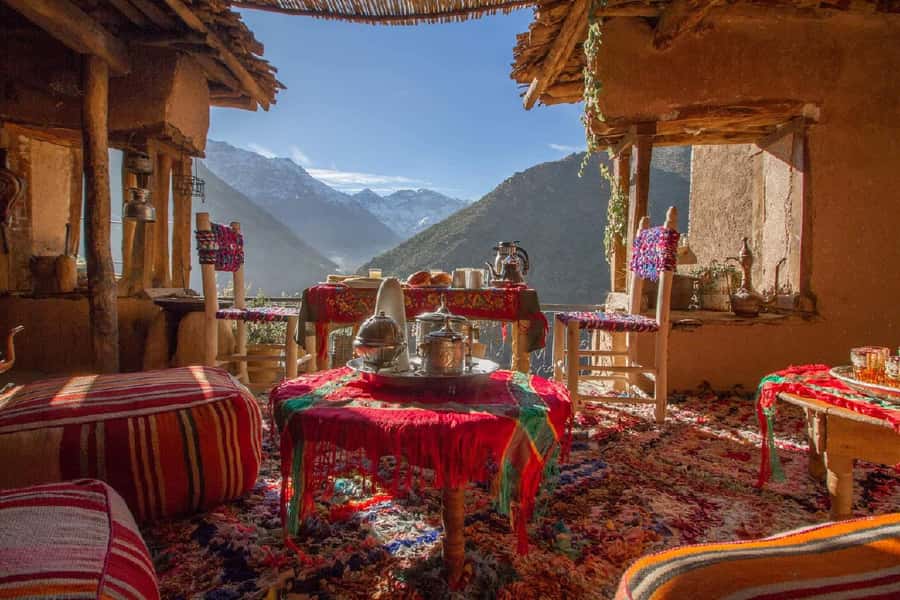
- Shop for the vegetables first: You help choose and weigh the ingredients before heading into the mountains.
- Cook in a real family home: A mother, aunt, or grandmother usually leads the kitchen work, with the guide translating and explaining.
- Make more than one dish: The meal can include chicken tagine, vegetable couscous, and bread baked in a wood-fired oven.
- Eat above the Imlil Valley: Terraces around the house provide wide views toward the Atlas peaks, including Jebel Toubkal in clear conditions.
- Expect a small group: Numbers are limited to 10, with some departures operating with only four to six people.
- Plan for a long day: The advertised seven hours may run to nine, and lunch is served late.
Leaving Marrakech for the High Atlas
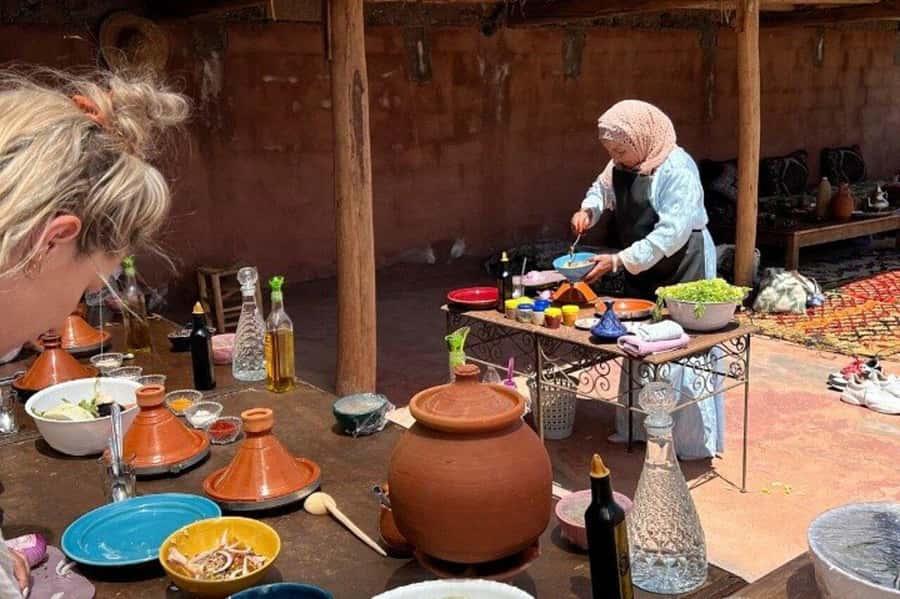
Your day begins with pickup from your hotel in Marrakech. If you stay in a riad inside the Medina, a car may not reach the door. Pickup is arranged at the nearest accessible point, so keep your phone available and confirm the meeting spot in advance.
The vehicle is air-conditioned, and the drive takes you away from the city toward the Atlas Mountains. The changing view is part of the pleasure. Marrakech’s flat, dry surroundings give way to mountain roads, Berber villages, cultivated plots, and steep slopes. You are not simply being transported to a cooking class. The drive explains why mountain cooking developed around seasonal produce, shared work, and simple methods.
The road can be winding. If you suffer from motion sickness, bring the medicine you normally use, as one visitor found the bends difficult. The air-conditioning has also been less effective on at least one return journey, so carry water and dress for changing temperatures rather than assuming the vehicle will always feel cool.
Pickup times vary, and the experience lasts around seven hours on paper. In practice, allow a generous margin. The market stop, mountain drive, walk to the house, cooking, lunch, and return can take roughly nine hours. Do not schedule a tight dinner reservation or airport transfer afterward.
More Cooking Classes in Marrakech
- Marrakech: Moroccan Cooking Class with Pickup
★ 4.6 · 1,862 reviews - Marrakech: Traditional Moroccan Cooking Class & Market Visit
★ 4.8 · 1,861 reviews - Marrakesh: Moroccan Dishes Cooking Class with a Local Chef
★ 5.0 · 1,615 reviews
Choosing ingredients at a local market
One of the most useful parts of the day comes before you reach the family house. You stop at a local market or vegetable shop and help select the produce for lunch. The guide helps you choose good ingredients, and you may weigh what is needed for the meal.
This small task changes the way you see the cooking later. Instead of watching a demonstration built around ingredients that appeared by magic, you see the meal begin with ordinary shopping. You handle the vegetables, notice what is available locally, and learn how much goes into feeding a group.
The market stop is also a practical lesson in Moroccan food. The cooking itself is not presented as a complicated restaurant course. It is home cooking, based on fresh vegetables, herbs, bread, and slow preparation. That simplicity is part of the point. You learn the order of work, how the ingredients are arranged, and how the family uses traditional tools.
The exact shopping stop may be a roadside grocer rather than a large formal market. That is worth knowing. If you want a major souk with rows of stalls and a theatrical atmosphere, this is not that. The value comes from buying food for your own lunch and seeing a more ordinary side of local commerce.
The experience may also include a visit to a women’s cooperative in the Ourika Valley. The supplied details do not specify how long that visit lasts or what products are offered, so treat it as a possible part of the route rather than the main reason to book.
Walking into a Berber family home
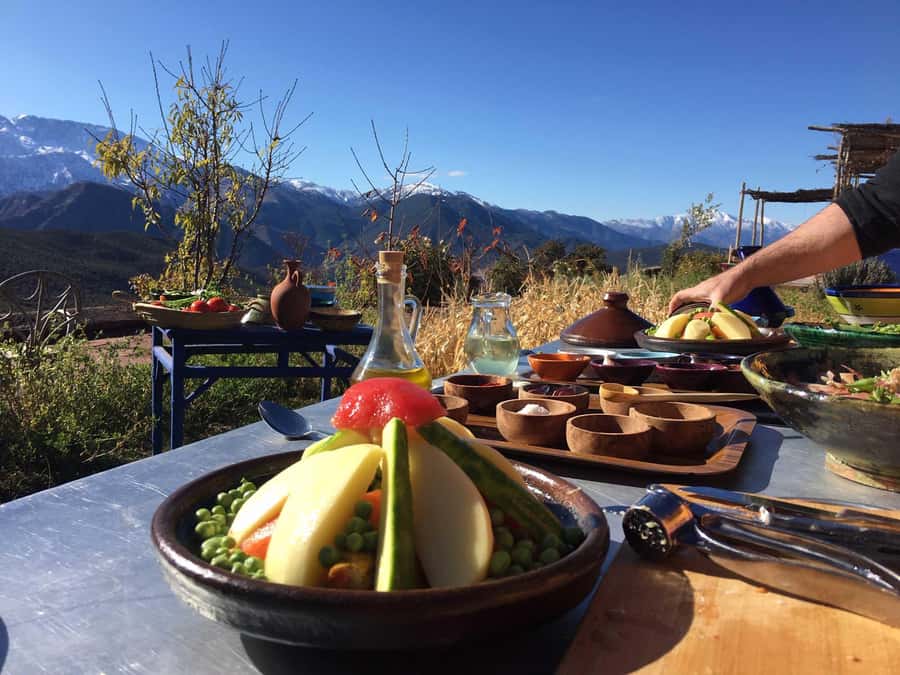
After the drive, you usually walk a short distance uphill to the house. The walk has been described as roughly five to 15 minutes, with narrow paths, steps, and a mountain incline. For most active visitors it is manageable, but it is more demanding than a flat stroll from a parking area.
This is the point where the activity becomes personal. The cooking takes place in a family home, often on a terrace with mountain views. You may be welcomed with Moroccan tea, coffee, or cake before work begins. Some homes have gardens with fresh herbs, and cats may wander around the property.
The setting is not polished like a cooking school in central Marrakech. That is precisely why it feels different. You see where the hosts live, sit in the same kind of domestic space used for family life, and cook with people who have learned these methods through generations of practice.
Guides often bridge the language gap. The listed languages are English and French, and guides including Ibrahim, Badr, and Ismail have been praised for explaining Amazigh culture, local history, language, and village life. The grandmother or aunt leading the cooking may communicate through demonstration, gestures, and translation.
Group size matters here. The maximum is 10, but some outings have had only four to six people. A smaller group gives you more time to ask questions and work directly with the host. It also keeps the atmosphere closer to a family visit than a mass class.
Learning tagine, couscous, and bread
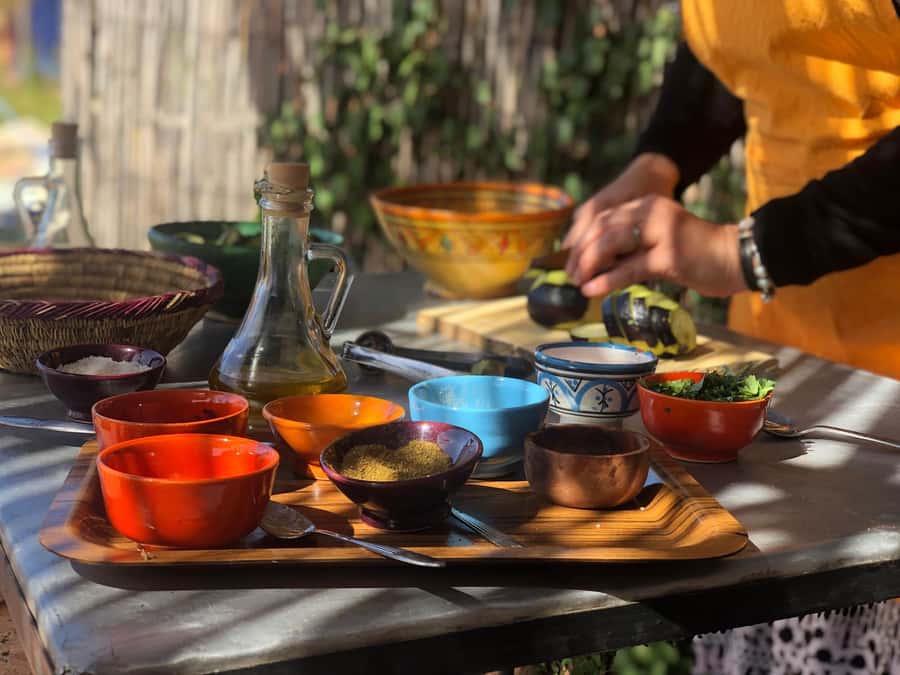
The exact menu can vary, but the most frequently described meal includes chicken tagine, vegetable couscous, and traditional bread. You take part in the preparation rather than simply watching someone cook.
The tagine lesson focuses on the order of preparation and how ingredients are arranged in the pot. You may also stack the tagines and see how food is cooked with traditional equipment. Do not expect a technical chef’s course with printed measurements and advanced knife work. One participant found the method fairly simple. The lesson is about understanding the rhythm of home cooking and the tools used in a mountain household.
Bread adds another useful element. You may shape the dough and see it baked in a wood-fired oven. Couscous can take more time and care than many visitors expect, which helps explain why lunch comes late. By the time everything is ready, you have seen a meal move from market produce to dough, vegetables, spices, and cooking pots.
I like that the food is prepared from scratch. It gives you a better sense of why Moroccan meals are social occasions rather than quick fuel between sightseeing stops. You work together, talk while the food cooks, and gradually build a lunch that feels earned.
Dietary needs can be accommodated in some cases. A separate tagine was prepared for a visitor eating gluten-free, and a nut allergy was handled with care. Still, you should state allergies and dietary restrictions when booking or before the cooking starts. The provided information does not promise every special diet, so clear communication is important.
More Berber village visits near Marrakech:
- Berber villages : Atlas Mountains Day Hike from Marrakech
★ 5.0 · 14,007 reviews - Marrakech: Balloon Flight, Berber Breakfast & Certificate
★ 4.8 · 8,164 reviews - Marrakech: Majorelle Garden, YSL, and Berber Museum Entry
★ 4.6 · 5,168 reviews - Marrakech: Hot Air Balloon Flight with Berber Breakfast
★ 4.5 · 3,832 reviews
Sitting down to a three-course mountain lunch
Lunch is included and is served in the family home, often on a terrace overlooking the valley. The meal is generally plentiful, and the fresh ingredients and long preparation make it more satisfying than a quick restaurant plate.
The food has received nearly universal praise, but you should set realistic expectations. This is authentic family cooking, not a fine-dining menu. The dishes may be basic in technique, yet the freshness, setting, and participation give them a flavor that is hard to copy in a city restaurant.
Plan breakfast carefully. Several departures have served lunch around 2:30 p.m., while others have reached the table closer to 3 or 4 p.m. Tea, coffee, or cake on arrival may help, but it is not a substitute for a proper morning meal. Bring water as well.
The three-course format gives the day a comfortable finish, though the schedule can feel slow if you are expecting an early lunch. I see that as a strength for people who want time with the family. It may frustrate you if you prefer a tightly timed excursion with constant activity.
Conversation is part of the meal. Your guide may explain local customs, family traditions, and life in the mountain villages. One particularly memorable element described by visitors was a host dressing a newly married woman in traditional Amazigh bridal clothing. That kind of personal exchange cannot be guaranteed, but it shows the warm, family-led character of the visit.
The views and the sense of place
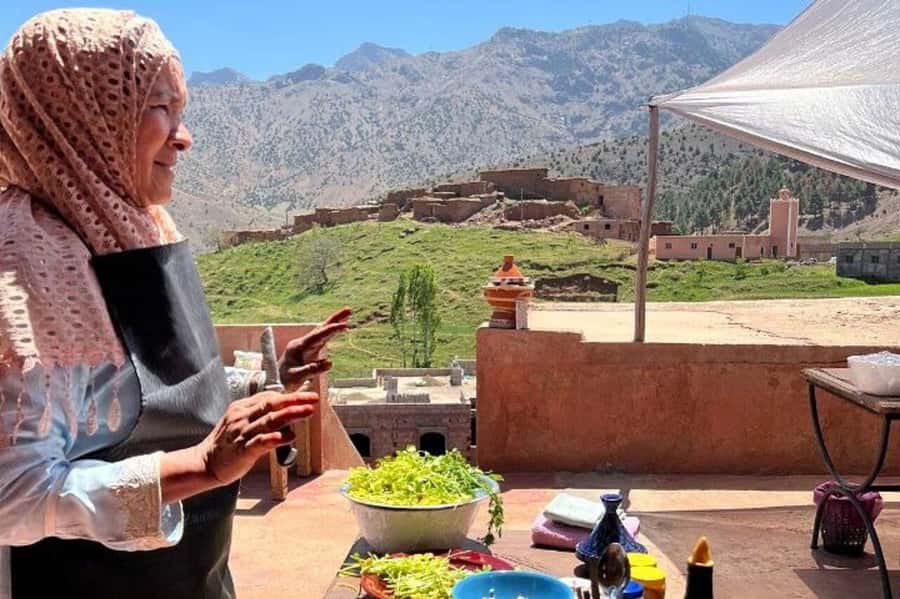
The Atlas Mountains are not just a backdrop for photographs. They explain the setting, the food, and the pace of the day. From the road and the family terrace, you may look across the Imlil Valley toward high peaks, including Jebel Toubkal when visibility is good.
The mountain air can feel like a welcome break from Marrakech, especially during hot months. In winter, the same setting can be cold. Warm clothing is listed among the recommended items, and one family moved the cooking indoors when the weather turned particularly chilly.
Bring comfortable shoes. You will want secure footing for the uphill paths and steps. A sun hat, camera, and water are also sensible. The terrace may be a fine place to sit, but sun exposure and mountain weather can change during the day.
This is not a hiking tour in the usual sense. The walk to the house is short, but it can be steep and uneven. The activity is not suitable for wheelchair users or people with mobility impairments. If you are unsure about your fitness, ask about the walking section before paying.
What makes the family hosting special
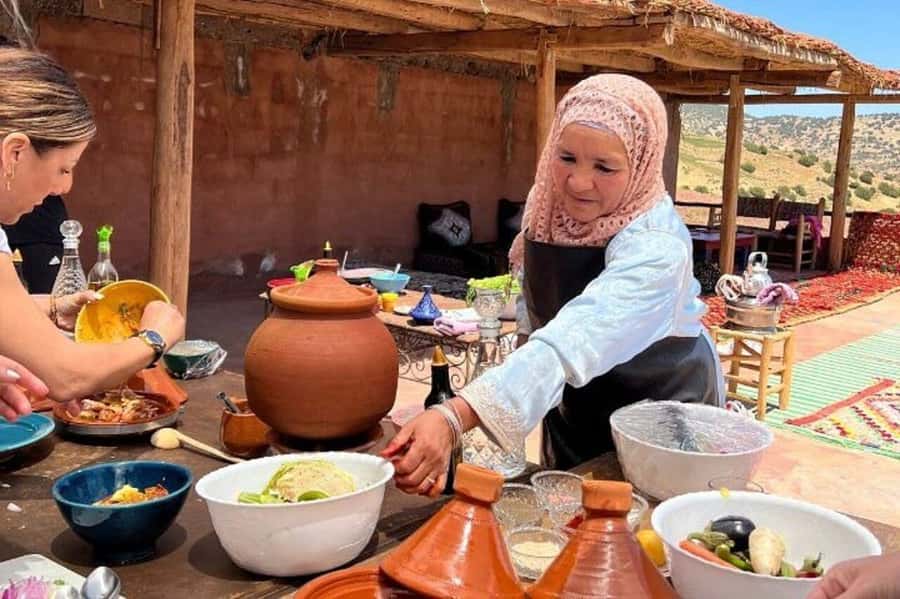
The strongest part of this experience is the human connection. The guide often comes from the family or village, and the woman teaching the cooking is usually his mother, aunt, or another close relative. Names vary by departure, but Ibrahim, Badr, Ismail, and Abdulaziz have all been associated with warm, attentive hosting.
The guide does more than provide directions. He may translate between you and the cook, explain the meaning of dishes, point out plants and herbs, and talk about Amazigh traditions. That personal link helps you understand the meal as part of a living culture rather than as a performance arranged for visitors.
The hosts also make an effort with families and children. A five-year-old joined one outing successfully, and allergies were handled with care. Still, remember the late meal, winding road, uphill walk, and long day. Young children who tire easily may find the schedule demanding.
The family setting also means you should arrive with an open mind. This is not a silent demonstration where every detail follows a fixed script. The pace may be relaxed, the menu may change, and communication may rely on translation. That flexibility is part of the charm, but it may not suit you if you want a formal culinary lesson.
Is $54 good value?
At $54 per person, I consider this a solid value for a full day outside Marrakech. The price covers pickup and drop-off, an air-conditioned vehicle, a local guide, the cooking class, tea or coffee, bottled water, and lunch. You are also paying for the time of a family who opens its home and shares its food traditions.
A Marrakech cooking class may offer a more detailed recipe lesson in a purpose-built kitchen. This trip gives you something different: transport into the mountains, a market visit, a family meal, cultural conversation, and a setting you cannot reproduce in the city.
The value is highest if you care about context. If you only want to learn how to make a perfect tagine quickly, the class may feel basic. If you want to understand how a Moroccan meal is bought, prepared, baked, shared, and explained within a family setting, the price makes sense.
Free cancellation up to 24 hours before departure and reserve-now, pay-later booking add useful flexibility. The small-group limit of 10 is another plus, especially for a home visit. Just budget for the full day, not only the advertised seven hours.
Who should book this experience?
I would choose this outing if you want a slower, more personal day after the intensity of Marrakech. Couples, families, food lovers, and visitors interested in Amazigh culture are a good fit. It also works well for anyone who values a meal with a story behind it.
You should be comfortable with a winding drive, a short uphill walk, a late lunch, and changing weather. Motion sickness, limited mobility, or a tightly packed evening schedule could make the day less enjoyable.
Bring comfortable shoes, warm layers, a sun hat, water, and a camera. Eat a good breakfast, confirm your pickup point, and contact the provider through the available booking channel before departure if you need to clarify timing or dietary needs.
Should you book it?
Book it if you want the Atlas Mountains as a lived-in place, not just a photo stop. The cooking is hands-on, the food is plentiful, and the family welcome is the real heart of the day. The mountain terrace, market shopping, wood-fired bread, and conversations about Amazigh life give the outing more meaning than a standard city class.
Skip it if you need wheelchair access, dislike winding roads, or must be back in Marrakech at a precise hour. For everyone else, the combination of scenery, food, and family hospitality makes this one of the stronger day trips at this price.
FAQ
How long does the cooking class and mountain trip last?
The advertised duration is seven hours. You should allow extra time because some departures have lasted closer to nine hours.
What food will I cook?
The meal can include chicken tagine, vegetable couscous, and traditional bread. The bread may be baked in a wood-fired oven.
Is lunch included?
Yes. A three-course lunch, as well as coffee or tea and bottled water, is included.
Where does the cooking take place?
The class takes place in a Berber family house in the Atlas Mountains, generally in the Imlil Valley area.
Will I visit a local market?
Yes. The itinerary includes shopping for ingredients at a local market or vegetable shop before reaching the family home.
What languages does the guide speak?
Live guiding is available in English and French.
Is hotel pickup included?
Yes. Hotel pickup and drop-off are included. If your riad is inside the Medina and cannot be reached by car, pickup is arranged at the nearest accessible point.
Is the activity suitable for wheelchair users?
No. The experience is not suitable for wheelchair users or people with mobility impairments because the walk to the home includes uphill paths, steps, and uneven ground.
More Workshops in Marrakech
- Moroccan Cooking Class & Marrakech Market Visit with Chef Khmisa
★ 5.0 · 1,504 reviews - Half-Day Cooking Class with Local Chef Laila in Marrakech
★ 5.0 · 952 reviews - Marrakech: Pottery Workshop with Moroccan Tea
★ 4.8 · 756 reviews - Marrakech: Moroccan Cooking Class with a Local Family
★ 4.9 · 668 reviews
More Days up in the Atlas
- Marrakech: Atlas Mountains, Ourika Valley, Waterfall & Lunch
★ 4.8 · 15,834 reviews - Marrakesh: Ourika Waterfalls, Atlas Mountains, Guide + Lunch
★ 4.9 · 9,986 reviews - From Marrakech: Atlas Mountains Full-Day Hiking Trip w Lunch
★ 4.8 · 7,417 reviews - Marrakech: Atlas Mountains & Agafay Desert Tour w Camel Ride
★ 4.8 · 5,080 reviews
Just listed around Marrakech
- 3 Days To Merzouga Desert★ 5.0 · 19 reviews
- 3 Days Shared Sahara Desert Tour From Marrakech★ 5.0 · 78 reviews
- 1 night Camel Treking in Merzouga Desert Luxury Camp★ 5.0 · 132 reviews
- 3 Days Sahara Desert Trips From Marrakesh★ 5.0 · 176 reviews
- 3 Days Sahara Tour from Marrakech to Merzouga Dunes★ 5.0 · 29 reviews
- trip of your dreams in 3 days and 2 nights in the desert★ 5.0 · 36 reviews
- 3 Days Private Tour to Merzouga Desert from Marrakech★ 5.0 · 77 reviews
- 3 Day Sahara Desert Tour From Marrakech★ 5.0 · 49 reviews
Atlas Mountains Tours, compared.
Atlas Mountains, Ourika Valley, Waterfall & Lunch
Read our review →
Berber villages : Atlas Mountains Day Hike from Marrakech
Read our review →
Ourika Waterfalls, Atlas Mountains, Guide + Lunch
Read our review →
Atlas Mountains & Agafay Desert Tour w Camel Ride
Read our review →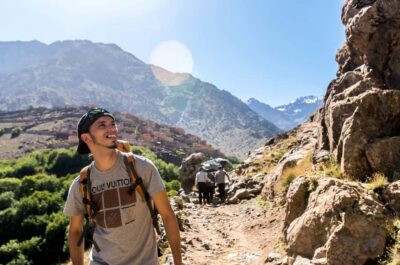
Atlas Mountains, Waterfalls, Ourika Valley +Lunch
Read our review →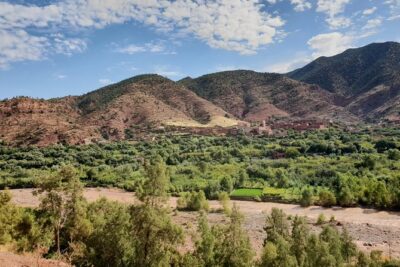
Atlas Mountains & 5 Valleys Tour from Marrakech – All inclusive –
Read our review →Browse the lists this tour appears in