Reviewed · FEZ TOURS
Moroccan Crepes & Pastries Kitchen
Come hungry, leave with recipes. This two-hour cooking class in Fes brings you into a local home at Dar Sunrise Fes, where you learn Moroccan crepes or pastries with local women and share the finished food over mint tea. I like the personal setting, and I like that the class focuses on ordinary Moroccan kitchen skills rather than a polished restaurant show. The main drawback is that the chefs speak Arabic only, so conversation depends on gestures and a translator.
The small group limit of four makes the class feel friendly and manageable. You may prepare msemen, maloui, baghrir, harsha, cookies, or cakes, but the number of recipes depends on group size. A small group may learn only a few varieties, while a fuller class can choose more.
In This Review
- Key points to know before booking
- A local kitchen inside the Fes medina
- What happens during the two-hour class
- Msemen, baghrir, harsha, and Moroccan sweets
- Mint tea turns the lesson into a visit
- Communication: friendly, but not always easy
- Why the four-person limit matters
- Is $34 a fair price?
- Practical advice for a smooth visit
- Who should book this Fes cooking class?
- FAQ
- Where does the Moroccan crepes and pastries class take place?
- How do I reach Dar Sunrise Fes from Bab Boujloud?
- How do I reach the house from Ain Zliten Parking?
- What foods can I learn to make?
- How many people can join the class?
- What language is used during the class?
- Is pickup included?
- Should you book it?
Key points to know before booking
- The class takes place at Dar Sunrise Fes: You meet inside a guest house in the Fes medina, not at a separate cooking school.
- You learn at least one Moroccan pastry or crepe: Options include msemen, maloui, baghrir, harsha, Moroccan cookies, and cakes.
- The group holds no more than four people: This keeps the kitchen visit personal and gives you a better chance to take part.
- Mint tea and homemade food are included: You eat the finished pastries or crepes in the house.
- Arabic is used in the kitchen: A translator helps, and simple gestures can fill in the gaps.
- The price is $34 per person for two hours: Free cancellation is available up to 24 hours before the start time.
A local kitchen inside the Fes medina
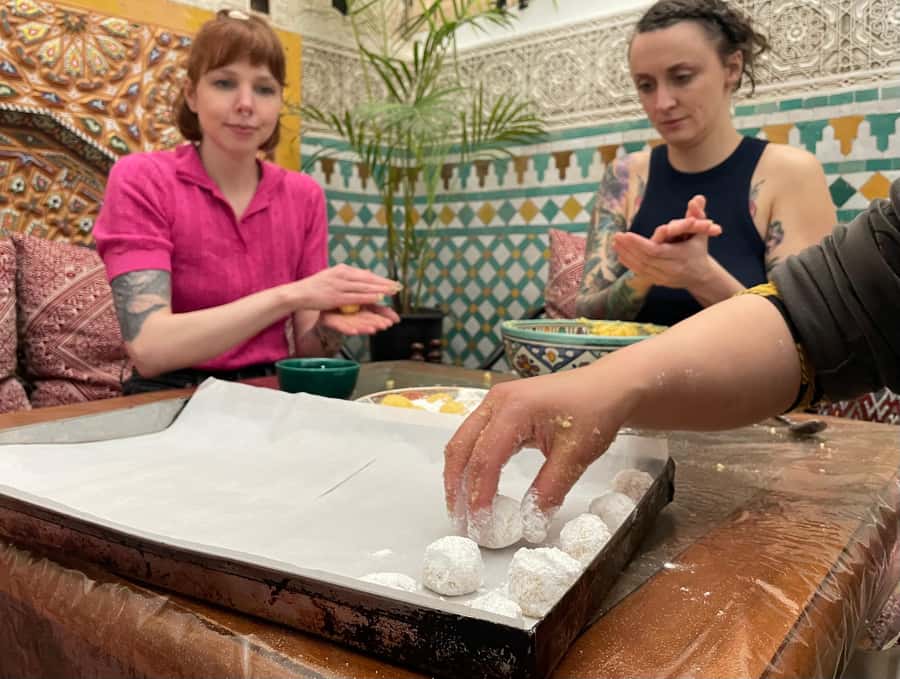
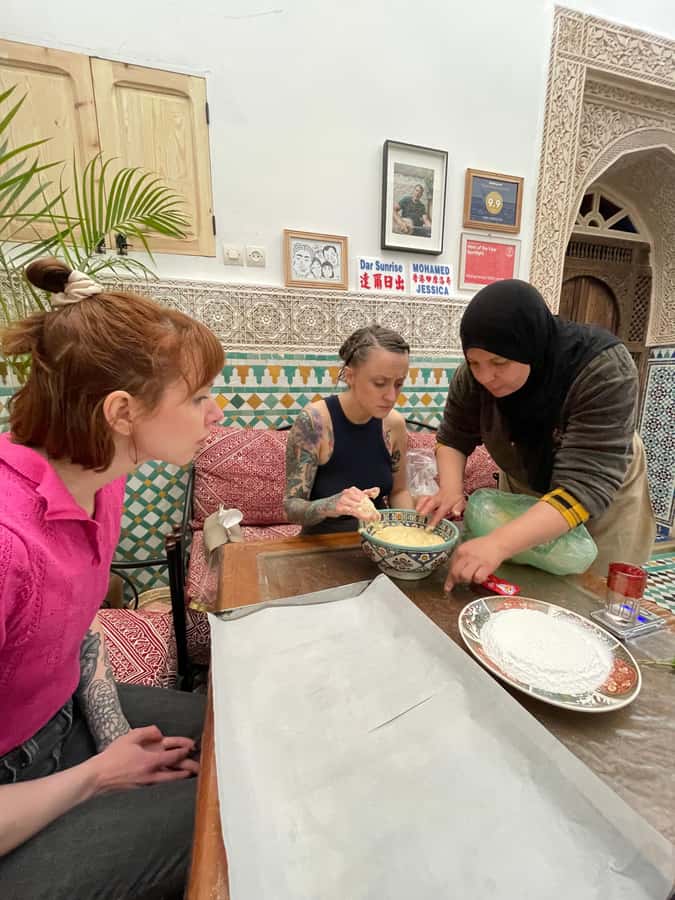
This is not a large culinary studio with rows of identical workstations. You meet at Dar Sunrise Fes, a guest house in the old medina, and the class takes place in a home setting. That matters because Moroccan food is closely tied to family kitchens, hospitality, and shared preparation.
The setting gives the class a more personal feel than a standard demonstration. You can chat with the women preparing the food, watch the dough being handled, and see how simple ingredients become familiar Moroccan breakfast foods and sweets. The tone is social rather than formal.
You should also allow time to find the house. The meeting point is at number 10 in an alley beside the blue-painted Made in M cafe on Talaa Kebira. From Bab Boujloud, cross the blue gate, turn into the first street on the left, then walk downhill for about three minutes. From Ain Zliten Parking, enter Talaa Kebira and walk uphill for about one minute.
The medina has many turns and some doors may be closed, so use the main street rather than trying to follow a shortcut through smaller lanes. The Google location is Dar Sunrise Fes, and the hosts provide video directions. A paid pickup service is also available if you arrange it in advance.
A few more Fez runs to hold up against each other
- Tangier: Sunset, Tea, Sweets, Camel Ride, and Hercules Caves
★ 4.9 · 575 reviews - Marrakech: Moroccan Pastries and Tea Class with a Local
★ 4.7 · 84 reviews - boat trip from 9 am to 3 pm fishing & swimming & barbecue & dessert
★ 4.0 · 36 reviews
What happens during the two-hour class
The exact order can vary, but the experience follows a clear kitchen rhythm. You arrive at the guest house, meet the local women, and settle into the cooking area. The translator helps explain the process, ingredients, and techniques.
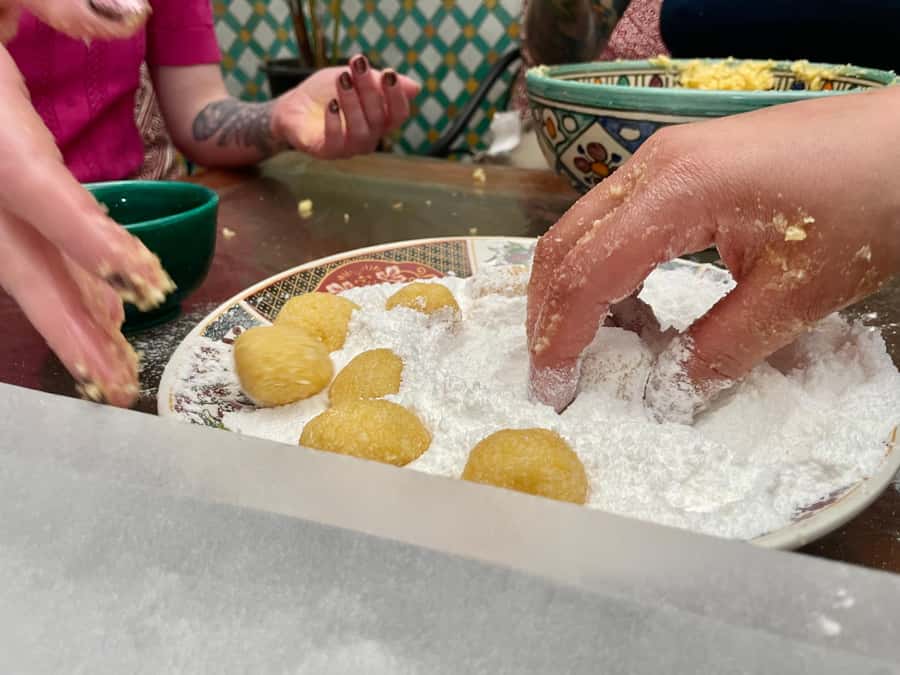
The first useful lesson is the dough. Moroccan crepes depend on texture and handling, not just a list of ingredients. You may watch or help with kneading, shaping, folding, and cooking. That is the part I value most, because the technique is harder to understand from a recipe alone.
Depending on the group, you can choose from several traditional items:
- Msemen, a folded Moroccan flatbread with a layered texture
- Maloui, another layered crepe-style bread
- Baghrir, a soft crepe known for its small holes
- Harsha, a semolina-based griddle bread
- Moroccan cookies
- Moroccan cakes
You are guaranteed to learn at least one type of pastry or crepe. The larger the group, up to the four-person limit, the more varieties can be selected. This is worth understanding before you book. A small group may produce only a few kinds, while a full group has more people to share the work and can cover a broader selection.
One recent class included two kinds of cookies and a breakfast pancake. That gives you a fair idea of the range: the class can cover both sweet baked treats and crepe-style foods rather than focusing on just one recipe.
The class is not only about watching. You get a look at how the dough is made and how the finished food is prepared for serving. Still, the exact amount of hands-on work can depend on the group, the recipe choices, and the pace of the kitchen.
Msemen, baghrir, harsha, and Moroccan sweets
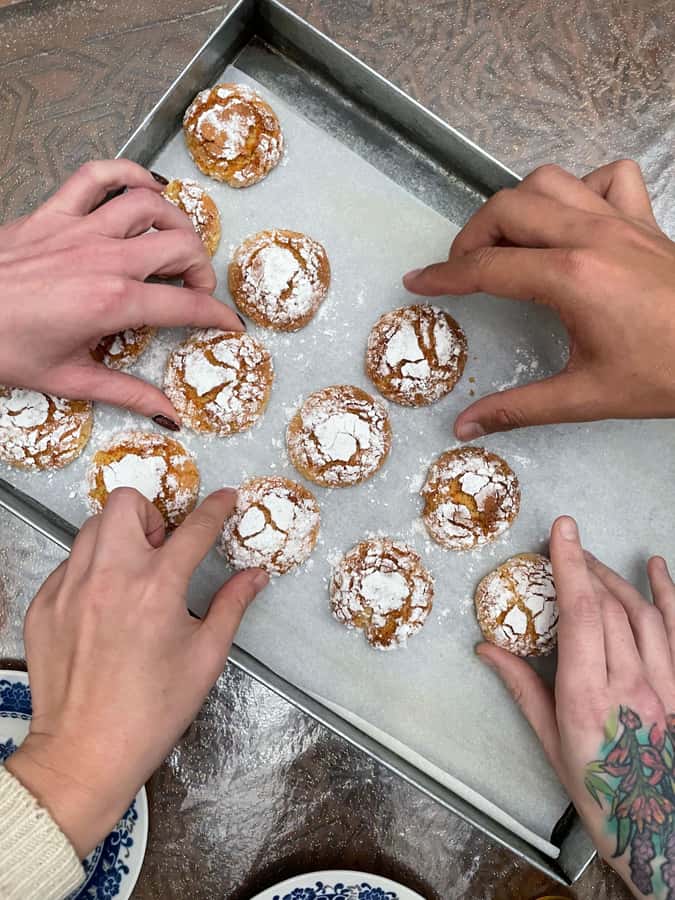
The food choices give this activity its strongest appeal. Moroccan cooking is often presented to visitors through tagines and couscous, but crepes and pastries show another side of daily food culture. These are foods made for breakfast, tea, family visits, and casual hospitality.
Msemen and maloui are especially useful foods to learn because they show how a basic dough can become layered through folding and shaping. Baghrir offers a different lesson, with its soft texture and distinctive holes. Harsha brings semolina into the picture and has a more crumbly, hearty character.
The cookie and cake options may suit you better if you have a sweet tooth. They also make practical souvenirs in a way that hot crepes do not. People have been given cookies to take home after class, along with promised recipes, so it is worth asking about both before you leave.
Do not expect a long pastry-school curriculum in two hours. The goal is to learn at least one preparation, enjoy the food, and spend time with the hosts. If you want to sample more recipes, joining a group of four may give you a wider selection than attending with only one or two people.
Mint tea turns the lesson into a visit
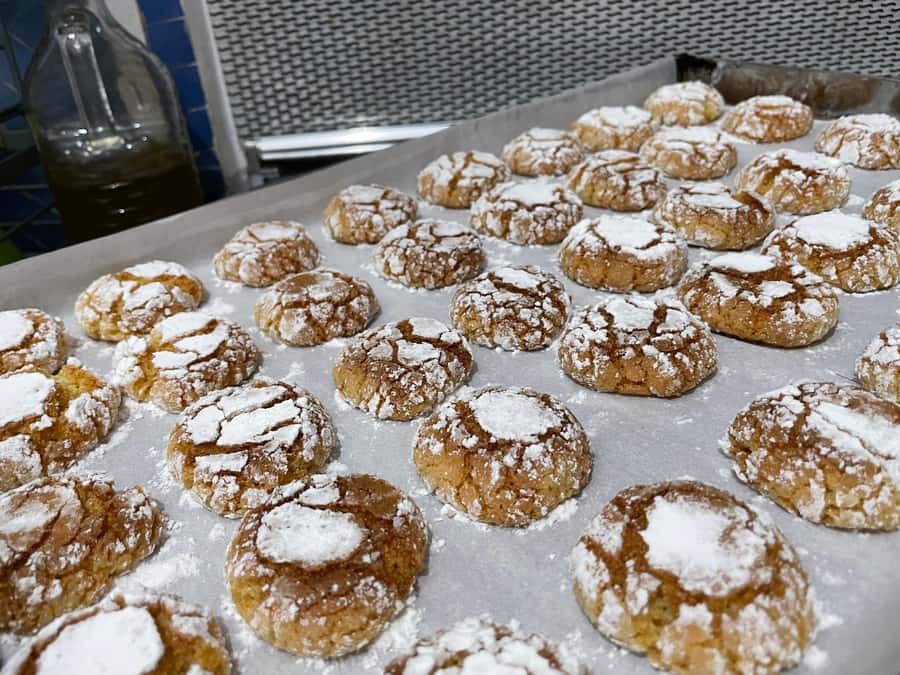
The food is only half of the activity. At the end, the homemade crepes or pastries are served with Moroccan mint tea. This closing moment gives you time to stop measuring, shaping, and watching the pan.
Mint tea is more than a drink in this setting. It slows the pace and gives the class a social finish. You can enjoy what you helped make, talk through the recipe, and ask about the food traditions behind it. Even with a language gap, the shared meal gives everyone something clear to enjoy.
The welcome can also be generous before the class begins. If bad weather makes you arrive early, the hosts have welcomed people into the riad and offered couscous while they waited. That kind of hospitality is not a guaranteed part of the timetable, but it shows the warm home-based spirit of the activity.
Same city gate, a very different afternoon:
- Chefchaouen Day Trip from Fez (Shared Group Tour)
★ 4.6 · 2,394 reviews - Fes: Volubilis Roman Ruins, Mouly Idriss, & Meknes Day Trip
★ 4.6 · 2,375 reviews - Fez Medina Guided Tour
★ 4.6 · 2,079 reviews - Blue City magic: Affordable Day Trip from Fez to Chefchaouen
★ 4.6 · 1,960 reviews
Communication: friendly, but not always easy
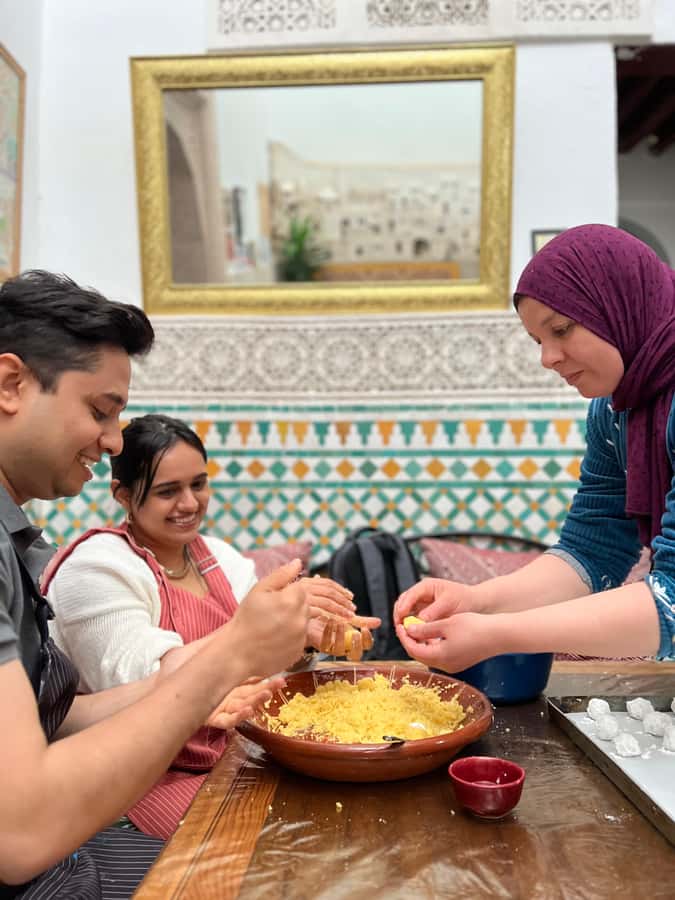
The booking information lists English, and a translator will be present to help with communication. The chefs themselves speak Arabic only. You should expect a mix of translation, demonstration, facial expressions, and hand signals.
For some people, this is part of the charm. Cooking is visual, and dough does not require a long speech to show how it should feel. A friendly atmosphere can carry the class a long way. A guest who attended with a friend found that gestures were enough to understand the women and enjoyed their kindness.
Still, communication may be a real consideration if you want detailed explanations of every ingredient or technique. Ask questions through the translator, and do not hesitate to request a repeat demonstration. If you have allergies or dietary restrictions, explain them clearly before cooking begins. The supplied information does not specify allergy accommodations, so you should confirm this directly.
Why the four-person limit matters
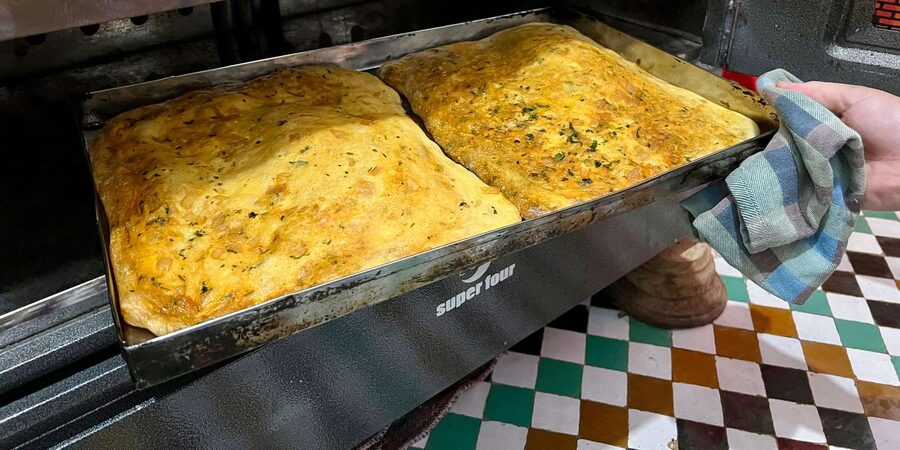
A maximum of four people is a major advantage. In a small kitchen, a large class can turn a cooking lesson into a demonstration where only one person gets to shape the dough. Here, the limited size should give you more room to watch closely and participate.
The tradeoff is recipe variety. With fewer participants, the group may make fewer kinds of food. One class with three people prepared three varieties, while another group made two types of cookies and a breakfast pancake. If your priority is learning many recipes, ask ahead about the planned selection.
If your priority is relaxed conversation and a personal welcome, a small group is likely the better fit. You are not racing through stations or waiting behind a crowd. The class also suits couples, friends, solo visitors, and food-focused families, as long as everyone is comfortable with the home setting and the language arrangement.
Is $34 a fair price?
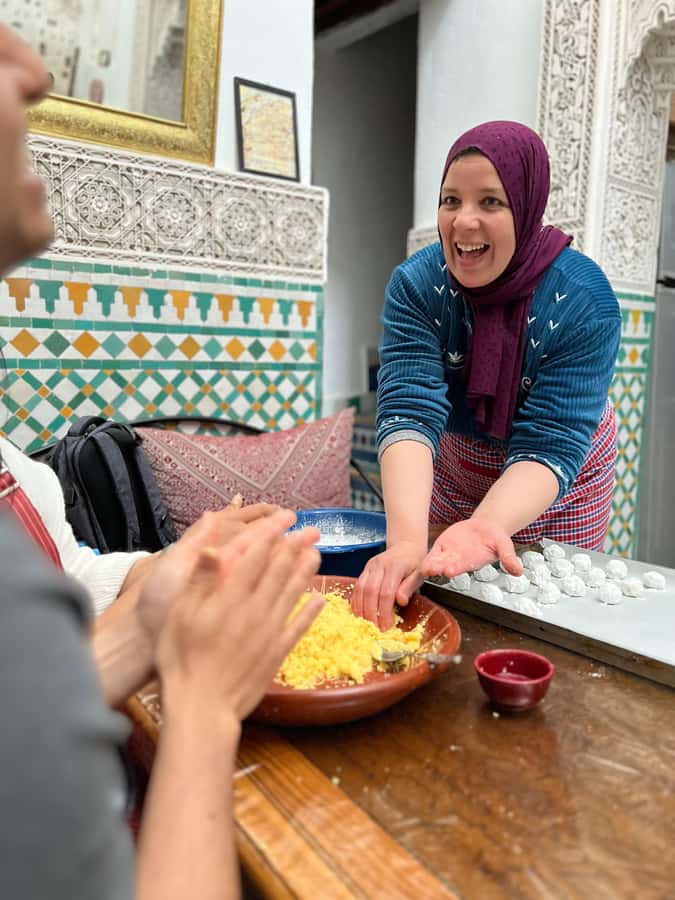
At $34 per person, the value depends on what you want from a cooking class. You are paying for two hours of instruction, at least one Moroccan pastry or crepe, mint tea, the food you prepare, and time in a local home. The small group size adds value because the activity is not built around a large commercial class.
The price is less attractive if you expect a long menu, a printed recipe booklet, or a full meal. The class guarantees at least one type, not a set number of recipes. Recipes have been provided or promised to participants, but you should confirm how you will receive them.
For a visitor who wants a short, social food activity in Fes, $34 is reasonable. It fills part of an afternoon without requiring a full-day commitment, and it offers a taste of Moroccan domestic life that you may not get from eating in restaurants alone.
You can reserve now and pay later, which helps if your Fes schedule is still changing. Free cancellation is available up to 24 hours in advance for a full refund. Pickup costs extra, so walking to Dar Sunrise Fes is the lower-cost choice if you are already near Bab Boujloud or Ain Zliten Parking.
Practical advice for a smooth visit
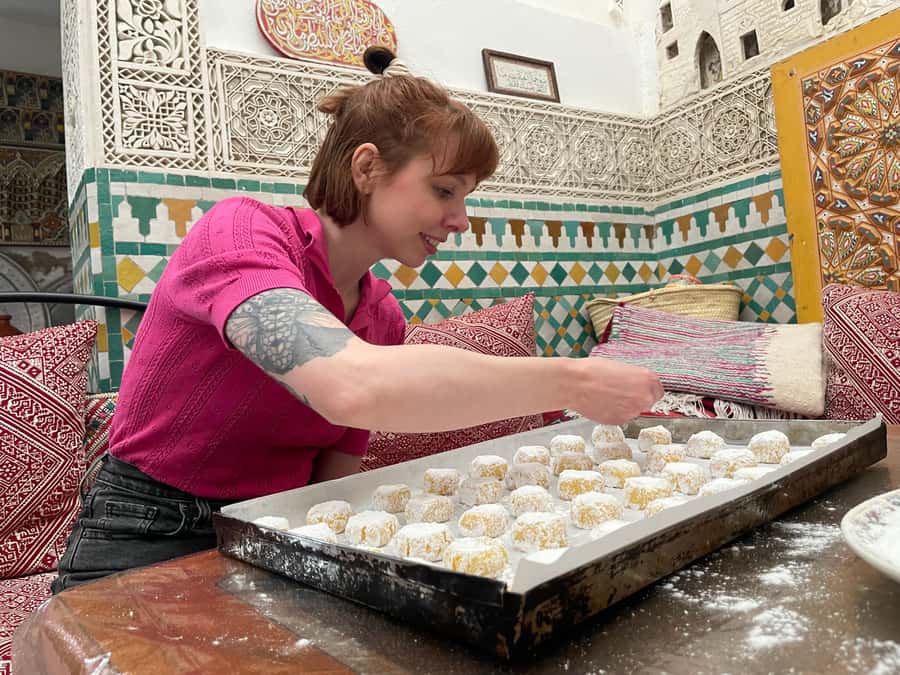
Plan your route before leaving. The medina can be confusing, and the warning about closed doors is useful. Stay on Talaa Kebira and use Made in M cafe as the visual marker. The alley beside it leads to house number 10.
Arrive with enough time to find the house, especially if this is your first visit to Fes. The host provides video directions from both Bab Boujloud and Ain Zliten Parking. If you prefer not to navigate the medina, contact the provider about paid pickup.
Wear clothes that are comfortable for a kitchen visit. The information does not specify a dress code or equipment requirements, so you should ask if you have concerns about aprons, ingredients, or food restrictions. Bring a phone if you want to photograph the process, but keep it out of the way while dough is being prepared.
Most of all, keep your expectations realistic. You will learn at least one recipe or technique, but you may not prepare every item on the menu. The larger the group, the more varieties can be chosen, and the available recipes depend on what the group agrees to make.
Who should book this Fes cooking class?
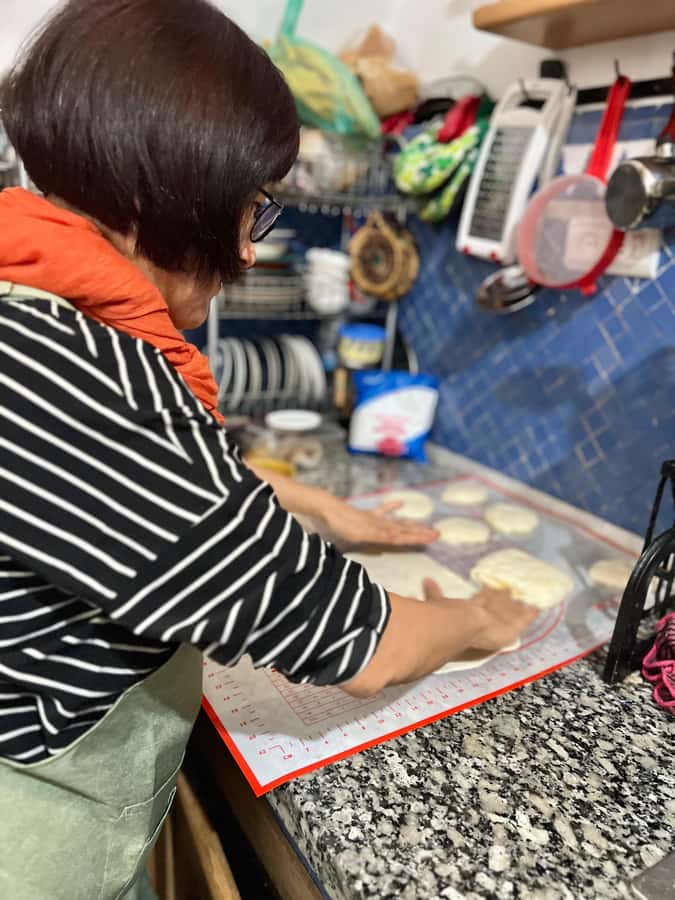
I would choose this class if you want a quiet break from sightseeing and enjoy meeting people in a home setting. It is a good match for anyone curious about Moroccan breakfasts, tea-time sweets, and the everyday work behind familiar foods.
It also works well for a short itinerary. Two hours is enough to make the activity feel worthwhile without taking over your day. You can schedule it between medina visits, though you should allow extra time for finding the house.
Food lovers who want exact culinary instruction may find the language gap limiting. People hoping to make many pastries should also ask about the group size and menu before booking. On the other hand, if you value hospitality, simple cooking, and a relaxed visit, those limits may not bother you.
FAQ
Where does the Moroccan crepes and pastries class take place?
The class takes place at Dar Sunrise Fes, a guest house in the Fes medina. The house is at number 10 in the alley beside the blue-painted Made in M cafe on Talaa Kebira.
How do I reach Dar Sunrise Fes from Bab Boujloud?
Cross Bab Boujloud, turn into the first street on the left, and continue downhill on Talaa Kebira for about three minutes. The cafe will be on your right, with the alley beside it.
How do I reach the house from Ain Zliten Parking?
Enter the medina’s main street, Talaa Kebira, and walk uphill for about one minute. Made in M cafe will be on your left, with the alley to Dar Sunrise Fes beside it.
What foods can I learn to make?
You can choose from Moroccan cookies, Moroccan cakes, msemen, maloui, baghrir, and harsha. You will learn at least one type of pastry or crepe.
How many people can join the class?
The activity is limited to four participants. A larger group can choose more types of pastries or crepes.
What language is used during the class?
The chefs speak Arabic, and a translator will help with communication. The activity information lists English.
Is pickup included?
No. Pickup is available for an extra charge, and you need to contact the provider for details. You can also meet directly at Dar Sunrise Fes.
Should you book it?
Book this class if you want a personal food experience rather than a formal cooking school. The strongest reasons are the small group, the local home setting, the chance to learn real Moroccan crepe or pastry techniques, and the warm hospitality that comes with mint tea.
Before paying, ask how many recipes your group will make and how the recipes will be delivered afterward. If you are happy learning one or two dishes and sharing a friendly kitchen visit, this is a good-value addition to a Fes stay. If you want a broad menu, precise English instruction, or a full meal, choose carefully and confirm those details first.
Just listed around Fez
- Discover the city of Fes on foot with the best guides★ 5.0 · 27 reviews
- VIP TOUR OF FES- Medina by local guide & Rempart by car-FULL Day★ 5.0 · 74 reviews
- day trip from fez to middle atlas mountain★ 5.0 · 17 reviews
- fes medina guided tour★ 4.5 · 60 reviews
- Fes to Volubilis, Moulay Idriss and Meknes Private Day Trip★ 5.0 · 92 reviews
- Fes to Volubilis, Moulay Idriss and Meknes Private Day Trip★ 4.5 · 26 reviews
- Private Fes Medina Walking Tour★ 5.0 · 25 reviews
- Fes to Chefchaouen Day Trip★ 5.0 · 20 reviews
Fez Tours, compared.
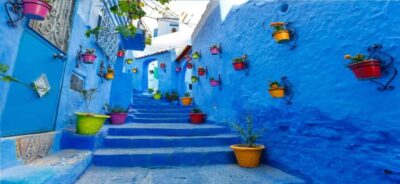
Chefchaouen Day Trip from Fez (Shared Group Tour)
Read our review →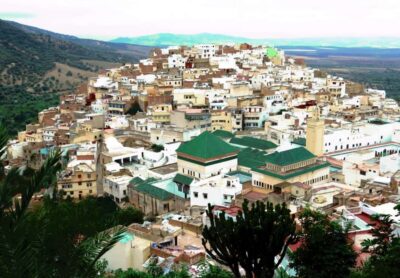
Volubilis Roman Ruins, Mouly Idriss, & Meknes Day Trip
Read our review →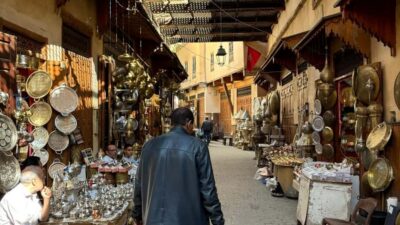

Blue City magic: Affordable Day Trip from Fez to Chefchaouen
Read our review →
Sahara Desert 2-Day Tour with Merzouga Camp Stay
Read our review →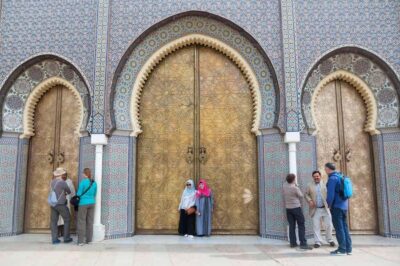
Museum, Al Attarine Madrasa & Tannery and Medina Tour
Read our review →