
Reviewed · COOKING CLASSES
cooking class in medina with chef tittif
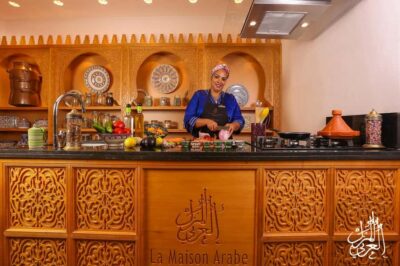
Moroccan food begins long before the first bite. This four-hour class brings you into Marrakech’s Medina for a market visit, a traditional communal bakery, and hands-on cooking in a welcoming riad. I like the chance to see how daily bread is made and the small-group setting, where you can ask Chef Tittif questions instead of simply watching a demonstration. The main concern is reliability: booking feedback is mixed, with some serious reports of poor communication and missed pickups.
I also like that the $40 price includes more than a meal. You prepare Moroccan dishes with fresh ingredients, eat what you make with mint tea, and take home recipes for later. Confirm the meeting arrangements carefully, especially if you have a tight schedule or are relying on pickup.
In This Review
- Quick points about this Marrakech cooking class
- Arriving at a Marrakech Medina riad
- Choosing ingredients near Jemaa el-Fnaa
- Watching bread go into the communal oven
- Cooking tajine, couscous, or pastilla
- Eating the food you prepared
- Taking the recipes home
- Who will get the most from the class
- What to confirm before paying $40
- My verdict on Chef Tittif’s Medina cooking class
- FAQ
- Where does the cooking class take place?
- What time does the class start?
- How long does the experience last?
- Is hotel pickup available?
- Is a market visit included?
- Will I visit a traditional bakery?
- What dishes will I cook?
- Is the meal included?
- Will I receive recipes?
- How many people can join the class?
- Can I cancel for a full refund?
Quick points about this Marrakech cooking class
- Visit a communal bakery: See where local families take dough for baking in a traditional neighborhood oven.
- Cook inside a Medina riad: The setting is intimate, calm, and a welcome change from the narrow lanes outside.
- Shop for ingredients: An optional market visit helps you connect spices and produce with the dishes you will prepare.
- Expect about four hours: The class begins at 10:00 am and allows time for cooking, eating, and recipes.
- Small-group format: The maximum group size is 15 people, with more personal contact than a large demonstration.
- Booking communication needs attention: Several reports describe unanswered messages, missed meetings, or unclear arrangements.
Arriving at a Marrakech Medina riad
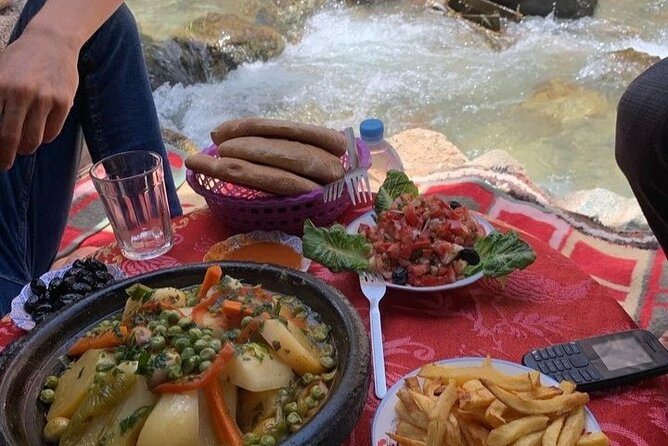
The class starts at 10:00 am at a traditional riad in the Medina. A riad is built around an interior courtyard, so the experience moves you from the noise and tight lanes of central Marrakech into a quieter room made for conversation and food.
Your first ten minutes are for introductions and an explanation of Moroccan cooking traditions. That short opening matters. Moroccan food is not only a list of recipes. Bread, shared dishes, spice blends, and long meals all have a place in everyday life, and the class gives you a little context before you start chopping.
Pickup is offered, but the exact meeting arrangement deserves your attention. The experience is based in the Medina, where cars cannot always reach the final doorway. If you are staying nearby, you may be given a precise riad or street meeting point instead of a hotel pickup. Keep your phone available and confirm the details before the morning of the class.
This is especially important because the booking record is not perfectly dependable. Some customers report that messages went unanswered and that they waited at the meeting place without meeting the operator. Another account describes a late response after the scheduled start time. Those reports may reflect individual booking problems, but they are serious enough that I would not leave this appointment to chance.
More Cooking Classes in Marrakech
- Marrakech: Moroccan Cooking Class with Pickup
★ 4.6 · 1,862 reviews - Marrakech: Traditional Moroccan Cooking Class & Market Visit
★ 4.8 · 1,861 reviews - Marrakesh: Moroccan Dishes Cooking Class with a Local Chef
★ 5.0 · 1,615 reviews
Choosing ingredients near Jemaa el-Fnaa
The market portion is listed as optional and takes about 30 minutes. If it goes ahead, you stroll through the souk near Jemaa el-Fnaa while selecting ingredients for the cooking session.
This is a useful part of the morning because it gives you a practical link between the market and your plate. Instead of seeing spices in anonymous piles, you can ask what they are used for and how they fit into Moroccan cooking. Fresh produce also makes more sense when you know which dish it is headed toward.
Do not expect a long market tour. Thirty minutes is enough for a focused shopping stop, not a full tour of every alley around the square. The Medina can be confusing, and a short visit keeps the class moving toward the main event.
The word optional is worth noting. The supplied schedule does not make clear whether every group receives the market walk or how it is handled when pickup runs late. If the market matters most to you, ask for confirmation before booking or at the start of the day.
The market is also a good place to watch rather than rush. Notice how ingredients are chosen, how spices are measured, and how the chef explains their use. The value is not in buying a large bag of something you cannot identify later. It is in learning which flavors belong together.
Watching bread go into the communal oven
The traditional communal bakery is the most distinctive part of this experience. Many Moroccan neighborhoods have ovens where local families bring dough to be baked, rather than making every loaf in a private kitchen.
This stop offers a glimpse of food as a neighborhood service. Bread is not treated as a side detail. It is part of the daily rhythm, and the communal oven connects home cooking with the wider Medina community.
The bakery visit also gives the class a stronger local focus than a lesson held only in a private kitchen. You are not just copying a recipe. You are seeing one small part of how food is prepared and shared in Marrakech.
The supplied schedule does not give a separate duration for the bakery stop, so the timing may vary. It is best to view it as part of the cultural introduction rather than a full bakery workshop. You may watch the process and learn about its role, but there is no stated promise that you will bake bread yourself.
That distinction helps set expectations. If you want a class devoted to bread making, this may not be the right choice. If you want to understand how bread fits into ordinary Moroccan life, this stop adds real value.
Cooking tajine, couscous, or pastilla
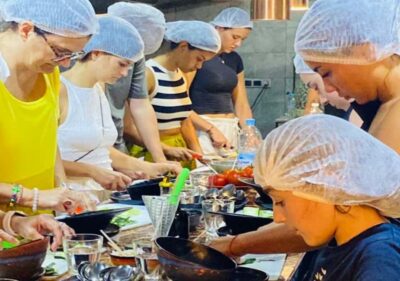
The main cooking session takes about three hours, including the meal and wrap-up. Under Chef Tittif’s guidance, you prepare traditional dishes such as tajine, couscous, or pastilla.
The exact menu is not fixed in the information provided. That is normal for a class shaped around the day’s ingredients, but you should ask if you have a strong preference or dietary restriction. The listed dishes also differ in style and technique. Tajine teaches slow cooking and layered seasoning. Couscous involves careful preparation of grains and vegetables. Pastilla brings together pastry, filling, and sweet-savory flavor.
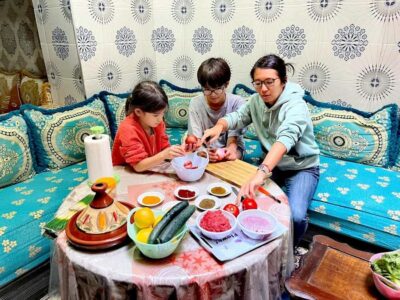
A hands-on class is most useful when you take part in the small jobs. Chopping, mixing, seasoning, and assembling help you understand texture and timing in a way that a cooking show cannot. Chef Tittif’s role is to guide you through the work and answer questions as you go.
I would pay close attention to spice quantities. Moroccan cooking can look simple on paper, yet the balance of cumin, ginger, saffron, cinnamon, herbs, and preserved flavors determines the final dish. The recipes you receive afterward should help, but write down any adjustments made during the lesson.
The group limit is 15 people. That is not a tiny private class, but it is still more manageable than a large demonstration. Your experience will depend on the final group size. In a smaller group, you should have more time to ask questions and handle ingredients. With 15 people, you may need to be active about getting involved.
The riad setting should make the session feel comfortable and personal. It also makes the class a good choice for a morning when you want to slow down. Marrakech can be demanding on the senses, with narrow lanes, calls from shops, and constant movement. A cooking lesson gives you a seated activity with a clear purpose.
Same city gate, a very different afternoon:
- Marrakech: Agafay Desert Sunset, Camel Ride, and Dinner Show
★ 4.6 · 35,119 reviews - From Marrakech: Ouzoud Waterfalls Guided Hike and Boat Trip
★ 4.7 · 33,630 reviews - Marrakech: Agafay Desert Quad & Camel Rides with Dinner Show
★ 4.8 · 27,382 reviews - Marrakech: Agafay Desert Quad Biking Tour with Dinner-Show
★ 4.8 · 16,569 reviews
Eating the food you prepared
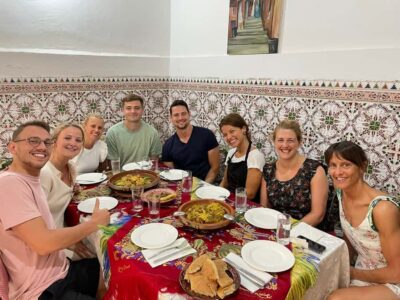
After the cooking, you sit down to eat the meal you helped make. Mint tea accompanies the food, adding a familiar Moroccan finish to the class.
This meal is where the lesson pays off. You can compare the result with what you expected from the ingredients and method. If a tajine is softer than you anticipated or the couscous has a particular texture, you can ask while the process is still fresh.
The meal should not be judged like a restaurant tasting menu. The point is participation, not luxury presentation. You are paying for instruction, food, a cultural visit, and the use of the riad, all within roughly four hours.
The $40 price is attractive if the full program runs as described. A market stop, bakery visit, cooking lesson, meal, mint tea, and recipes make it a fair package for someone who wants more than a quick lunch. It is less compelling if you only want to eat Moroccan food, since Marrakech offers many inexpensive meals without a class.
Be aware of conflicting booking feedback connected with the operator. Some positive comments describe a smooth family outing and a guide who paid close attention to a group traveling with a baby, while other reports describe missed contact and waiting at the meeting point. Those positive details appear linked to broader excursions rather than clearly to this cooking class, so I would not treat them as proof of how this specific lesson will run.
Taking the recipes home
The class finishes with printed or digital recipes. This is one of the best practical features because it turns a pleasant morning into something you can use later.
Recipes are most helpful when they include measurements, cooking times, and clear steps. Since the exact format is not specified, ask whether you will receive them on paper, by message, or by email. If Chef Tittif makes substitutions during the lesson, record those changes yourself.
You may not find every Moroccan ingredient easily at home. Still, the basic lessons should transfer well. A recipe can guide you toward the right spice balance, while the memory of the market and bakery gives you a better sense of why the food tastes the way it does.
I would also take notes on texture. Written recipes often explain what to add, but not always what the finished dish should look or feel like. That information can make your second attempt much easier.
Who will get the most from the class
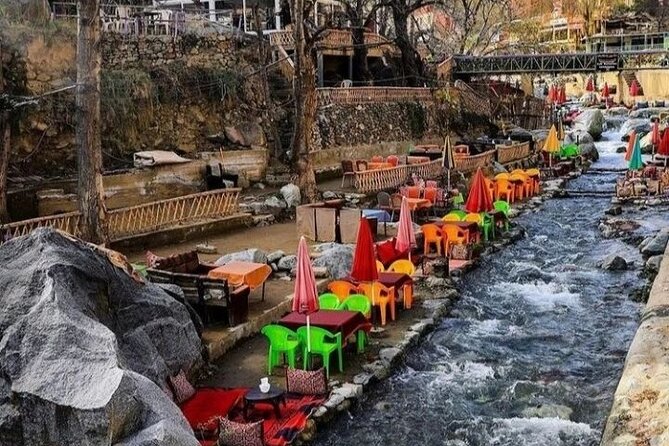
This class suits you if you want food, local customs, and a relaxed morning in one activity. It is a good fit for couples, families, and small groups who like taking part rather than sitting through a formal demonstration.
Families may find the riad setting easier than a long walking tour. One positive account specifically describes a family with a baby having a smooth outing, although the details appear to refer to a different excursion by the same operator. Use that as a reason to ask about your own group’s needs, not as a guarantee.
The class also works well for first-time visitors who want an introduction to Moroccan flavors. You do not need to know how to cook tajine or couscous beforehand. Chef Tittif’s guidance is intended to carry you through the process.
It may not suit you if you need a tightly scheduled, highly reliable pickup or if you dislike uncertain menus. It is also not ideal for someone seeking an advanced culinary course with professional equipment and technical instruction. The appeal is the setting, the food culture, and the shared meal.
What to confirm before paying $40

The price is reasonable, but your value depends on the class actually operating as planned. I would send a message before your cancellation deadline and ask for four basic details:
- The exact meeting point in the Medina
- Whether hotel pickup is available from your accommodation
- Whether the market visit is included that day
- Which dishes are planned and how dietary needs are handled
Keep the confirmation and the operator’s contact details on your phone. If you do not receive a clear response, contact the booking platform before the start time rather than waiting until the class has already begun.
Free cancellation is available up to 24 hours before the 10:00 am start time. Inside that 24-hour window, the payment is not refunded, and changes are not accepted. Poor weather or failure to reach the minimum group size can lead to a new date or a full refund.
The activity allows a maximum of 15 people, and most people can participate. No special fitness requirement is stated, but the experience takes place in the Medina, so you should be prepared for a traditional urban setting rather than a fully accessible modern venue.
My verdict on Chef Tittif’s Medina cooking class
I like the shape of this experience. The communal bakery, optional market visit, riad kitchen, Moroccan dishes, mint tea, and take-home recipes offer more substance than a standard cooking demonstration. At $40, it can be good value for a half-day activity that combines food with everyday Medina culture.
My reservation is not about the cooking itself. It is about communication. Several serious reports describe missed contact, late replies, and wasted time. Because the experience is offered by Amazouz Morocco Tours, I would confirm everything directly and keep a backup plan for the morning.
Book it if the operator confirms promptly and you want a relaxed, hands-on introduction to Moroccan food. Skip it, or choose another class, if unanswered messages continue or if your Marrakech schedule is too short to absorb a possible no-show. The ingredients and setting are appealing, but dependable arrangements matter just as much as the recipe.
FAQ
Where does the cooking class take place?
The class takes place at a traditional riad in Marrakech’s Medina.
What time does the class start?
The stated start time is 10:00 am.
How long does the experience last?
The experience lasts about four hours.
Is hotel pickup available?
Pickup is offered, but the exact pickup arrangements are not specified. Confirm the details before the class.
Is a market visit included?
A market visit near Jemaa el-Fnaa is described as optional and takes about 30 minutes.
Will I visit a traditional bakery?
Yes. The experience includes a visit to a traditional communal bakery where local residents bake daily bread.
What dishes will I cook?
The possible dishes include tajine, couscous, and pastilla. The exact menu is not specified.
Is the meal included?
Yes. You eat the food prepared during the class, with traditional mint tea.
Will I receive recipes?
Yes. Printed or digital recipes are provided so you can recreate the dishes at home.
How many people can join the class?
The maximum group size is 15 people.
Can I cancel for a full refund?
You can cancel at least 24 hours before the start time for a full refund. Cancellations or changes made within 24 hours are not accepted for a refund.
More Workshops in Marrakech
- Moroccan Cooking Class & Marrakech Market Visit with Chef Khmisa
★ 5.0 · 1,504 reviews - Half-Day Cooking Class with Local Chef Laila in Marrakech
★ 5.0 · 952 reviews - Marrakech: Pottery Workshop with Moroccan Tea
★ 4.8 · 756 reviews - Marrakech: Moroccan Cooking Class with a Local Family
★ 4.9 · 668 reviews
Just listed around Marrakech
- Zagora: 2-Day Desert Trip from Marrakech★ 4.4 · 31 reviews
- Traditional spa Hammam & Massage with Hotel Transfers★ 4.0 · 24 reviews
- Day trip to OUZOUD waterfall with guide&boat ride from Marrakech★ 5.0 · 172 reviews
- quad bike tour in the palmeraie of Marrakech★ 4.5 · 43 reviews
- Half day quad desert agafay★ 4.5 · 24 reviews
- walking tour★ 5.0 · 46 reviews
- private tour of Marrakech 4 hours with multilingual driver★ 5.0 · 117 reviews
- 3 days tour from Marrakech to Merzouga desert★ 5.0 · 55 reviews
Cooking Classes, compared.
Traditional Moroccan Cooking Class & Market Visit
Read our review →
Moroccan Dishes Cooking Class with a Local Chef
Read our review →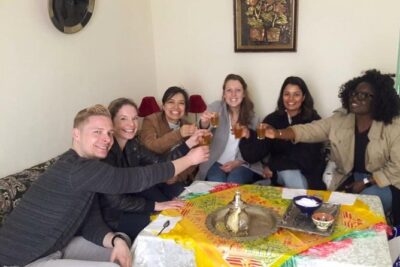
Moroccan Cooking Class & Marrakech Market Visit with Chef Khmisa
Read our review →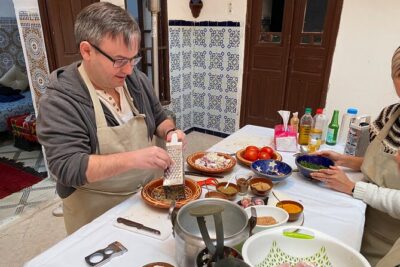
Half-Day Cooking Class with Local Chef Laila in Marrakech
Read our review →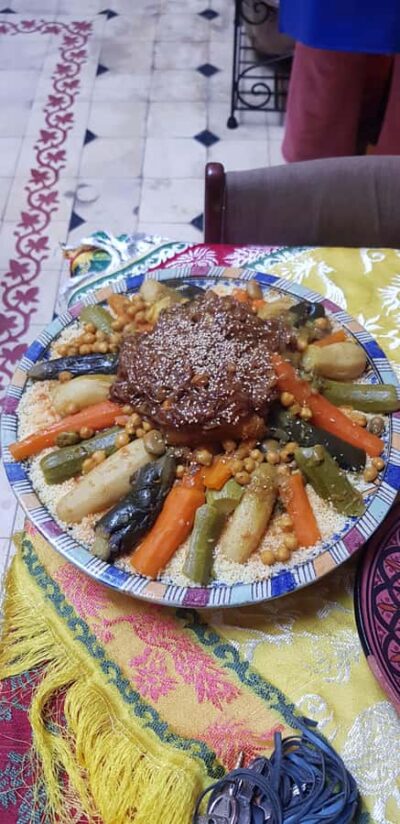
Browse the lists this tour appears in