
Reviewed · FOOD & DRINK
Marrakech: Street Food Tour by Night
Come hungry, leave happily overfed. This evening walk through Marrakech pairs excellent food variety with a guide-led tour of the Medina, so you are not simply eating at random stalls. I especially like the mix of market snacks, local cooking stories, and a final sit-down meal, plus the chance to try dishes such as tangia, harira, snails, dates, olives, and kofte. The main drawback is that the advertised two to three hours may stretch longer, and the number of food stops can make the evening feel like a full dinner rather than a light tasting.
This is a strong first-night activity because it helps you get your bearings around Jemaa el-Fnaa, the souks, and nearby side streets. Guides such as Yaya, Ali, Mohammed, Omar, and Mo are praised for adding humor and explaining how food fits into Moroccan life. You should eat lightly beforehand, wear comfortable shoes, and tell the guide about dietary needs before tasting begins.
In This Review
- Key points at a glance
- Starting at Jemaa el-Fnaa after sunset
- Through the Mellah and the main market
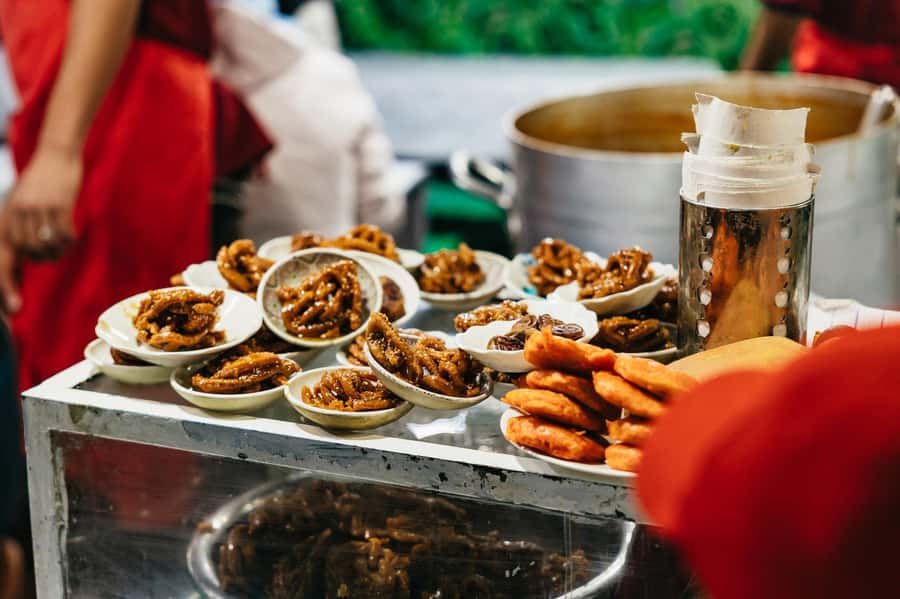
- First tastes: pastries, tagine, and almond drink
- Souk Semmarine and the side streets most people miss
- Seeing méchoui and traditional cooking methods
- A hidden restaurant and the serious meal at the end
- Spices, salads, and the story behind Moroccan food
- Ending with tea on a rooftop
- How the guides shape the evening
- Dietary needs and adventurous eating
- Is $43 a fair price?
- Who should book this Marrakech food walk?
- Should you book it?
- FAQ
- How long does the Marrakech street food tour last?
- Where does the tour meet?
- Is hotel pickup included?
- What food can I expect to try?
- Is a full meal included?
- Is the tour available as a private experience?
Key points at a glance
- A full evening of food: Expect much more than a few bites, with some tours ending in a generous three-course Moroccan meal.
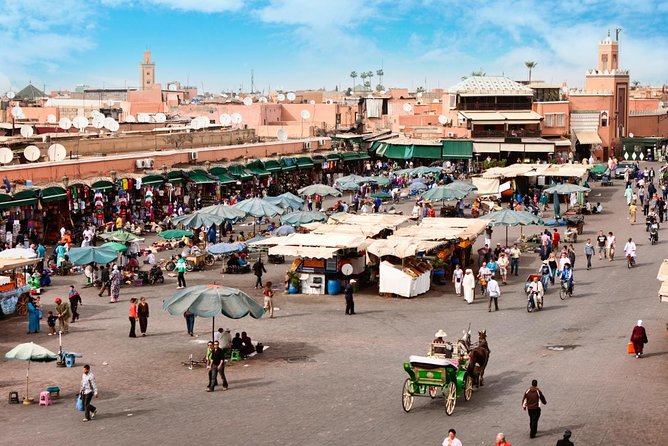
- The Medina after dark: Walk from Jemaa el-Fnaa through market lanes and souks, with a guide leading the way through the maze.
- A wide range of flavors: Tastings can include olives, dates, pastries, soups, flatbreads, salads, tagine, tangia, kofte, sweets, and almond drink.
- Good cultural context: Your guide explains Moroccan spices, cooking methods, local customs, and the background of each dish.
- Shared or private format: The shared tour offers company and lively conversation, while a private group gives you more control over the pace.
- Strong reported value: At $43 per person, the food, drinks, guide, and several hours of exploring make this a fair deal if you arrive hungry.
Starting at Jemaa el-Fnaa after sunset
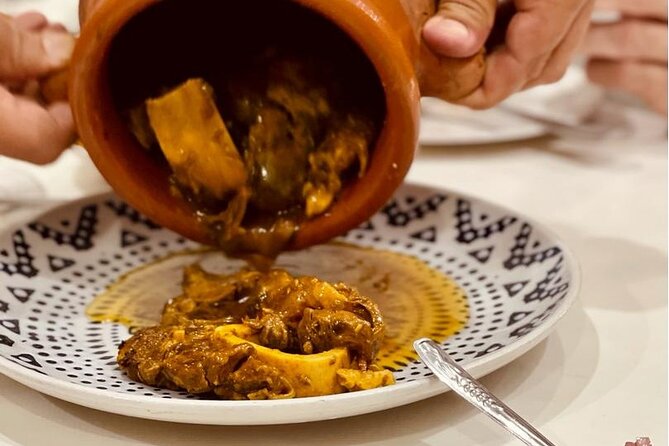
The meeting point is generally around Hôtel Restaurant Café de France, though the exact meeting place can vary with the option you book. From there, the tour heads toward Jemaa el-Fnaa, Marrakech’s famous central square.
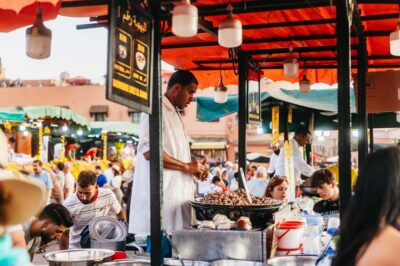
At night, this is not a quiet historic plaza. It is a working stage of food stalls, performers, vendors, smoke, noise, and constant movement. You get a quick stop here for photos and orientation before moving into the Medina.
I like beginning at Jemaa el-Fnaa because it gives you an immediate sense of Marrakech’s energy. It can also be overwhelming, especially if this is your first evening in Morocco. Having a guide is useful here, not only for navigation but also for understanding what you are seeing without stopping every few steps to study a map.
The formal itinerary allows about 30 minutes for the square and a guided walk. In practice, the pace depends on the group, the food stops, and how much time people need to taste and ask questions.
More Food Tours in Marrakech
- From Marrakech: Merzouga 3-Day Desert Safari with Food
★ 4.7 · 12,232 reviews - Marrakech: Street Food Tour with a Local Guide
★ 4.9 · 3,119 reviews - 3-Day Tour to Merzouga Erg Chebbi with Food & Camel Trek
★ 5.0 · 1,770 reviews
Through the Mellah and the main market
The route continues toward the Mellah and the city’s main market. Here, food is presented as part of everyday life rather than as a polished restaurant performance.
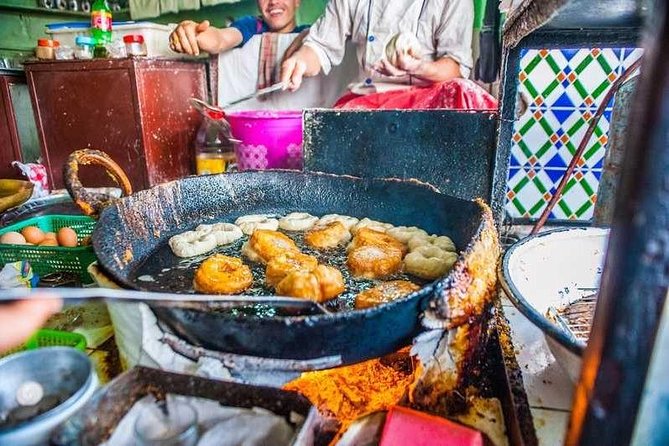
You pass stalls displaying fresh fruit, meat, poultry, and vegetables. The guide may point out how vendors arrange their produce, how shoppers choose ingredients, and how bargaining works. One memorable part of the walk is watching a local pastry being made, a small bit of kitchen theater that shows how much skill can fit into a simple market stall.
This section is valuable because it gives meaning to the meal that follows. You see the raw ingredients before tasting them in finished dishes. Moroccan cooking is built around the meeting of spices, vegetables, meat, bread, preserved ingredients, and slow cooking, and the market makes that connection easy to understand.
The market walk is listed at roughly 30 minutes. You will be on foot throughout the experience, but the route is not described as a strenuous hike. The bigger challenge is the uneven, crowded nature of Medina lanes, so comfortable shoes are not a minor suggestion.
First tastes: pastries, tagine, and almond drink
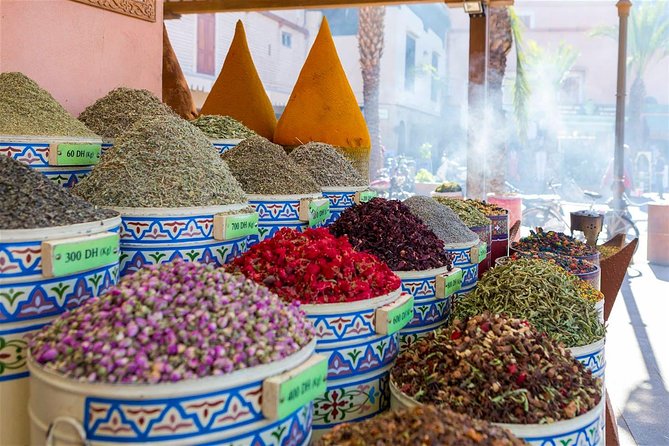
The first tastings introduce both sweet and savory sides of Moroccan food. Depending on the evening, you might try a sweet pastry, a charcoal-baked tagine, or other small local specialties.
Tagine is not one single recipe. The name refers to the cooking vessel and the slow-cooked dish prepared inside it, with variations depending on the meat, vegetables, spices, and local style. This is a good moment to ask your guide about the different types and how Moroccan cooks build flavor without rushing the process.
A local recipe is provided as a souvenir. That is a useful touch because it gives you something practical to take home rather than just a memory of a dish you cannot identify later.
You also receive an almond drink, described as a local favorite. It offers a gentle change of pace after the spices and savory food. The drink, like the pastries and early tastings, helps broaden the experience beyond the familiar tourist staples.
Souk Semmarine and the side streets most people miss
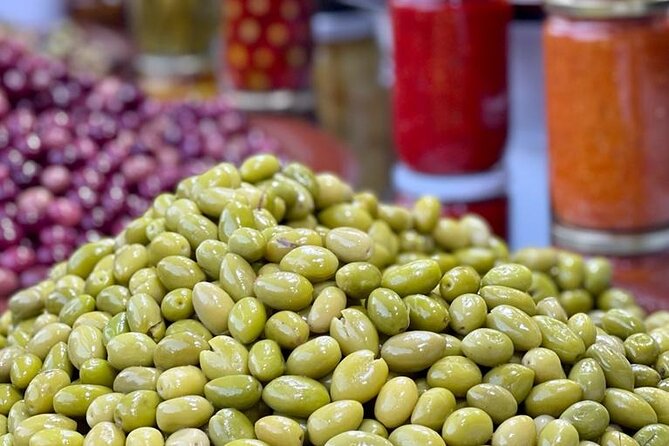
From the main market, the tour moves into Souk Semmarine and smaller lanes of the Medina. The listed route gives this section about 30 minutes, but food stops can extend the overall evening.
The souks are maze-like, and this is where a guide earns much of the $43 price. You are not just following a marked sightseeing route. You are being led through side streets and food stops that can be easy to miss when you are alone, especially after dark.
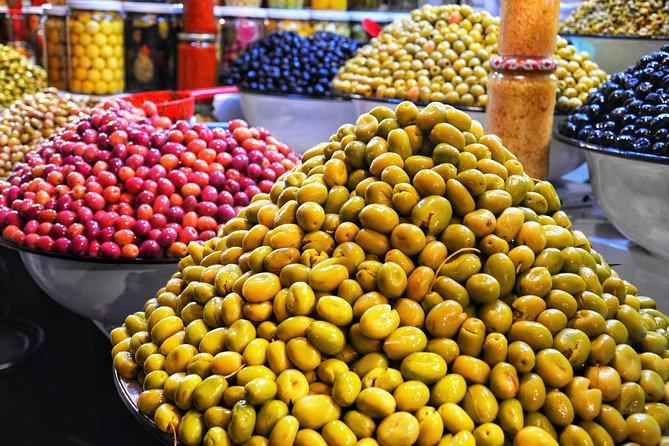
You might taste juicy olives, sweet dates, prickly pear, nuts, soup, pancakes, flatbreads, or Moroccan sweets. The precise selection is not fixed in the information provided, and that is worth understanding. This is a food walk shaped by the evening’s vendors and guide, not a printed menu with every item guaranteed.
The strongest part of the experience is the range. One stop may be simple and familiar, such as olives or dates. The next may be a food you would not have ordered on your own. Guides explain how to eat unfamiliar items and do not pressure you to try something that makes you uncomfortable.
One guide, Yaya, is praised for building the tasting in a sensible order, moving from snacks and sweets toward soups, more unusual bites, and a final meal. That sequence matters. It keeps the night from feeling like a pile of disconnected samples.
Same city gate, a very different afternoon:
- Marrakech: Agafay Desert Sunset, Camel Ride, and Dinner Show
★ 4.6 · 35,119 reviews - From Marrakech: Ouzoud Waterfalls Guided Hike and Boat Trip
★ 4.7 · 33,630 reviews - Marrakech: Agafay Desert Quad & Camel Rides with Dinner Show
★ 4.8 · 27,382 reviews - Marrakech: Agafay Desert Quad Biking Tour with Dinner-Show
★ 4.8 · 16,569 reviews
Seeing méchoui and traditional cooking methods
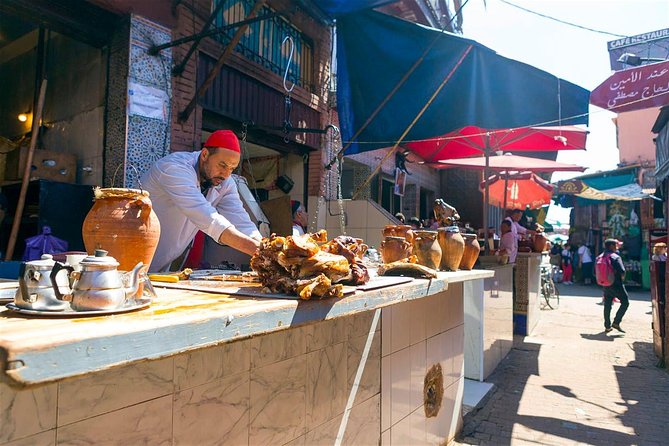
One of the more distinctive stops involves a méchoui maker preparing a whole lamb or sheep in a traditional pit oven. You may not see this at a standard restaurant meal, and it gives you a glimpse of cooking as a public craft.
The point is not simply to watch meat being roasted. It shows the scale and patience behind Moroccan food traditions. A dish that arrives at your table as tender meat has a long preparation story, and the guide provides context as you move between vendors.
Some people will find this stop fascinating. Others may be less comfortable with the sight of a whole animal being prepared. That is part of the value of a street food tour: it presents food as it is made and sold locally, rather than hiding every step behind a kitchen door.
A hidden restaurant and the serious meal at the end
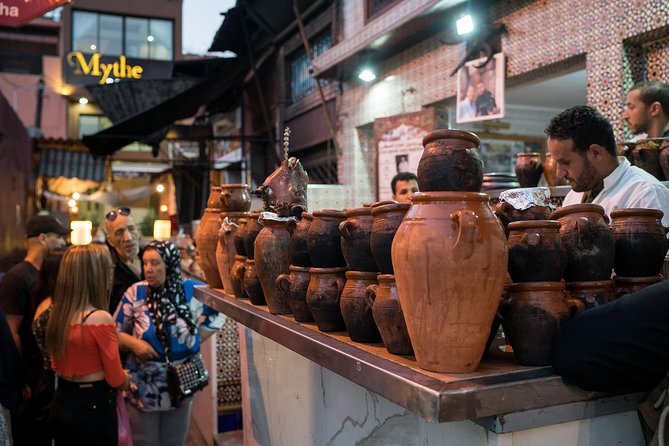
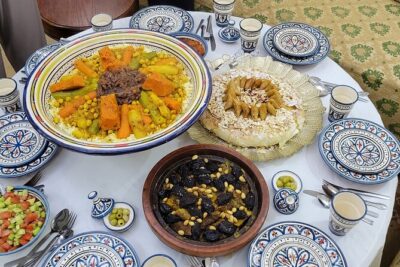
The tour later reaches a less obvious restaurant where you try more substantial Moroccan dishes, including tangia and kofte with freshly baked bread. Tangia is a slow-cooked Marrakech specialty, traditionally prepared in a clay vessel. It is different from tagine, even though both are closely associated with Moroccan cooking.
Kofte adds another savory stop, usually in the form of seasoned minced meat. The meal is balanced with three types of fresh salads, giving you a useful taste of how Moroccan meals combine cooked dishes, raw vegetables, bread, and bright seasoning.
Here is the most important practical point: this tour may finish with a full three-course dinner. Several accounts describe a generous rooftop restaurant meal at the end, not merely a final cup of tea. If you eat a large dinner before meeting the guide, you may regret it by the second half.
The sit-down meal changes the value calculation. At $43 per person, you are paying for a guide and walking route, but also for enough food to replace dinner on many nights. The precise portions and menu can vary, yet the experience appears designed to leave you full.
A small caution: because the meal is substantial, the tour may run beyond the expected two-hour window. One evening lasted longer because the guide allowed time for explanations and tasting. Plan your night with room to spare rather than scheduling a show immediately afterward.
Spices, salads, and the story behind Moroccan food
As you walk, you will notice the smells of saffron, cumin, and fresh herbs. The guide uses these ingredients to explain how Moroccan dishes get their aroma and character.
The food talk is one of the reasons I would choose this over simply eating at Jemaa el-Fnaa on your own. You can buy a bowl of soup or a plate of olives without help, but a guide can explain why the food is served that way, how it relates to local routines, and what makes one preparation different from another.
The three salads are also useful for comparison. They let you taste fresh local ingredients in several styles instead of treating salad as an afterthought. For anyone interested in cooking, the combination of spice explanations and the recipe souvenir adds real value.
The tour also includes drinks along the way. Exact drink choices can vary, but the experience includes refreshments and finishes with Moroccan mint tea.
Ending with tea on a rooftop
The final stop is a cozy café or rooftop setting where you sip mint tea and look over a decorated courtyard. Expect rugs, mosaic lamps, fountains, and other details that make the end feel calmer than the crowded lanes outside.
Mint tea is more than a sweet drink here. It gives the group time to sit, talk, and let the evening settle. After several food stops, this pause is welcome.
The rooftop setting is also a pleasant contrast to the market. You move from street-level noise to a slower view of Moroccan interiors and courtyard design. Do not expect a grand panoramic viewpoint based on the information available, but you can expect a relaxed finish in an attractive setting.
How the guides shape the evening
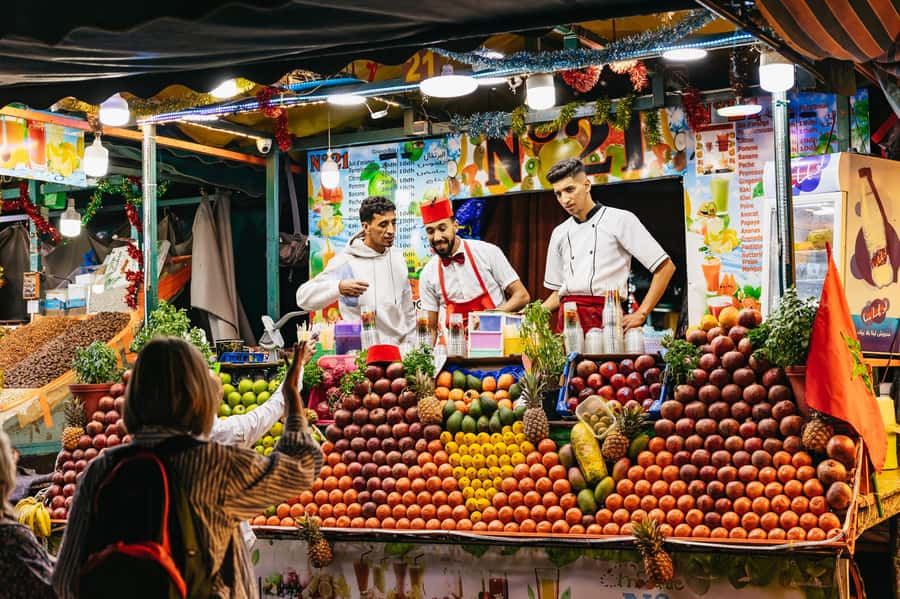
The guide is central to this experience. Names vary by departure, with Mohammed, Mohamed Kaseem, Omar, Yaya, Yahya, Ali, Mo, Ousamma, and others leading different groups.
The most praised traits are humor, warmth, clear explanations, and the ability to make a mixed group feel comfortable. Ali is described as energetic and good at linking food with culture. Yaya is praised for choosing strong vendors and explaining the order of the tasting. Mohammed is noted for his passion for food and for helping people feel at home in Marrakech.
This is a shared group tour, and one group included 18 people from different countries. That can be a plus if you enjoy meeting people and comparing reactions to unfamiliar foods. It can also slow the pace, especially when everyone is waiting to taste the same dish or listen to an explanation.
A private group is available. I would consider that option for families, people with strict dietary needs, or anyone who prefers a quieter pace. The shared format is likely the better value for solo visitors and couples who enjoy a social evening.
Dietary needs and adventurous eating
The food selection may include unusual items, including snails. You can try them if you wish, but you are not expected to force down something you dislike. The guides are used to helping people approach unfamiliar foods without turning the tasting into a dare.
Vegetarian options are available according to the experience information. One guide also checked individual vendors carefully for gluten-free choices when a participant had celiac disease. Still, you should explain allergies or serious dietary restrictions before the tour starts, since food is purchased and served at several different stops.
If you are an adventurous eater, this tour gives you a safe introduction to foods you might otherwise skip. If you prefer familiar dishes, there is still plenty to enjoy in the form of bread, salads, soups, sweets, dates, olives, and cooked specialties.
Do not assume every item is suitable for every diet. The guide can help, but cross-contact and vendor conditions are not fully detailed.
Is $43 a fair price?
At $43 per person, the tour is good value if the evening includes the number of tastings and the full meal described by many participants. You receive a live guide, food, drinks, a Medina walk, and a final café or restaurant stop.
The value is not only in the quantity. A guide helps you find the food, explains what you are eating, translates the experience into local context, and takes you through lanes you might avoid alone. That is especially useful on a first night.
A private group may cost more depending on the booking option, but the published price is for the standard per-person experience. Hotel pickup and drop-off are not included, so you must reach the meeting point yourself and arrange your own way back if you do not finish near the original starting location.
Free cancellation is available up to 24 hours before the tour for a full refund, and you can reserve now and pay later. The tour is wheelchair accessible, though you should still consider the practical effect of crowded Medina streets and food stalls when choosing the best format.
Who should book this Marrakech food walk?
I would recommend it most strongly for first-time visitors who want an immediate introduction to Marrakech. You get food, orientation, local stories, and a social evening in one booking.
It suits anyone who enjoys tasting many small dishes and learning as they eat. Families can benefit too, including multigenerational groups, though children and older family members may prefer a private tour if the lanes or late timing become tiring.
It is less suitable if you want a carefully controlled restaurant menu, a short formal sightseeing tour, or a quiet evening. The food is the focus, and the tour can be filling, crowded, and longer than expected.
Wear comfortable shoes and keep your daytime eating light. The best strategy is to treat this as dinner with a walking tour attached, not as a small appetizer outing.
Should you book it?
Book this tour if you want to understand Marrakech through its food rather than simply photograph the souks. The strongest reasons are the wide tasting range, the guides’ ability to explain local customs, and the full meal that often brings the night to a satisfying close.
I would book it for the first evening of a Marrakech stay, provided you have no tight plans afterward. Choose the private option if you need extra dietary attention or a slower pace. If $43 is within your budget and you arrive hungry, this is a practical, entertaining introduction to the Medina and Moroccan cooking.
FAQ
How long does the Marrakech street food tour last?
The stated duration is two to three hours. The evening may take longer when the guide allows extra time for tasting and explanations.
Where does the tour meet?
The meeting point may vary by booking option. The listed starting location is around Hôtel Restaurant Café de France, near Jemaa el-Fnaa.
Is hotel pickup included?
No. Hotel pickup and drop-off are not included, so you need to make your own way to the meeting point and onward after the tour.
What food can I expect to try?
The tasting selection may include tagine, tangia, kofte, olives, dates, pastries, soups, nuts, flatbreads, salads, sweets, almond drink, and possibly snails. The exact selection can vary.
Is a full meal included?
Food and drinks are included, and the evening often ends with a substantial three-course Moroccan meal at a restaurant or rooftop setting.
Is the tour available as a private experience?
Yes. You can choose between a shared group tour and a private group. Live guides may lead tours in English, Arabic, French, German, or Spanish.
More Things to Do After Dark in Marrakech
- Marrakech: Agafay Desert Dinner Show with Sunset Camel Ride
★ 4.8 · 3,330 reviews - Agafay Desert: Dinner + Show with Quad Bike & Sunset Camel Ride
★ 4.5 · 2,669 reviews - Marrakesh: Agafay Desert Sunset, Camel Ride, and Dinner Show
★ 4.8 · 2,334 reviews - Marrakech Desert Tour & Sunset Camel Ride with Dinner Show
★ 5.0 · 1,694 reviews
Just listed around Marrakech
- 3 Days To Merzouga Desert★ 5.0 · 19 reviews
- 3 Days Shared Sahara Desert Tour From Marrakech★ 5.0 · 78 reviews
- 1 night Camel Treking in Merzouga Desert Luxury Camp★ 5.0 · 132 reviews
- 3 Days Sahara Desert Trips From Marrakesh★ 5.0 · 176 reviews
- 3 Days Sahara Tour from Marrakech to Merzouga Dunes★ 5.0 · 29 reviews
- trip of your dreams in 3 days and 2 nights in the desert★ 5.0 · 36 reviews
- 3 Days Private Tour to Merzouga Desert from Marrakech★ 5.0 · 77 reviews
- 3 Day Sahara Desert Tour From Marrakech★ 5.0 · 49 reviews
Food & Drink, compared.
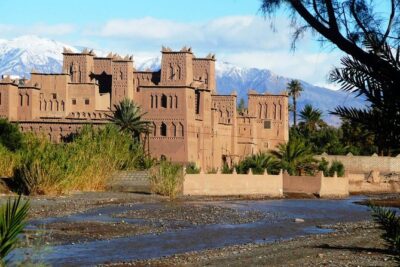
3-Day Tour to Merzouga Erg Chebbi with Food & Camel Trek
Read our review →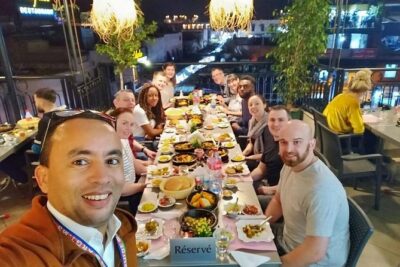
Authentic Moroccan Food Tour in Marrakech with Dinner
Read our review →
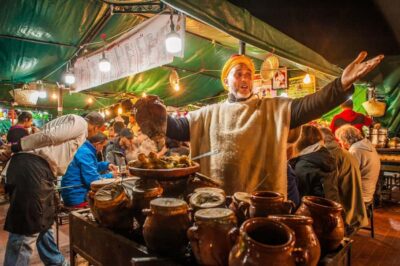
Cook Moroccan Food & Try on Traditional Clothes like a local
Read our review →Browse the lists this tour appears in