
Reviewed · COOKING CLASSES
Marrakech: Traditional Moroccan Crepes & Bread Cooking Class
Fresh bread is a fine way to meet Morocco. This two-hour Marrakech class puts you at the worktable making msemen, harcha, and batbout, three everyday Moroccan breads with different doughs and cooking methods. I like the hands-on format, and I like that you eat what you make with mint tea, olives, honey, or jam. The main consideration is communication: most instruction is in Arabic, French, or English, and one participant found that a language gap made questions harder.
The workshop sits at 44 Der Hajra near Bab Doukkala, reached through a local food market rather than a polished tourist setting. Groups are limited to 10, though some sessions may be much smaller. That keeps help close at hand, but recipe delivery may need a follow-up if your electronic recipes do not arrive promptly.
In This Review
- Key points for your Marrakech food plans
- What you actually make in two hours
- Why the three-bread format works
- Entering the Bab Doukkala workshop
- Hands-on teaching and language
- Mint tea is more than a drink
- Eating your work, and taking some home
- How much value do you get for $37?
- Who will enjoy this class most
- Small details that make the morning better
- Should you book the Marrakech bread class?
- FAQ
- How long does the Moroccan crepes and bread class last?
- Where is the workshop located?
- What breads will I learn to make?
- Is Moroccan mint tea included?
- What is included in the price?
- Is the class suitable for everyone?
Key points for your Marrakech food plans
- Three breads, three techniques: Make flaky msemen, crumbly harcha, and soft batbout, rather than learning one basic dough.
- Mint tea is part of the lesson: You prepare and pour the tea after cooking, not simply receive a glass at the end.
- A small, practical class: The maximum group size is 10, with aprons, utensils, ingredients, and hands-on guidance included.
- A local-feeling setting: The walk to Bab Doukkala passes food stalls and markets used more by local residents than by tourists.
- Good edible value: At $37 per person, you get a meal-sized tasting, a two-hour class, and recipes to use at home.
- Know your food limits: This class is not suitable for children under 4, people with food allergies, or anyone with gluten intolerance.
What you actually make in two hours
The class focuses on three Moroccan staples. That is a smart choice because each one shows a different side of Moroccan bread making.
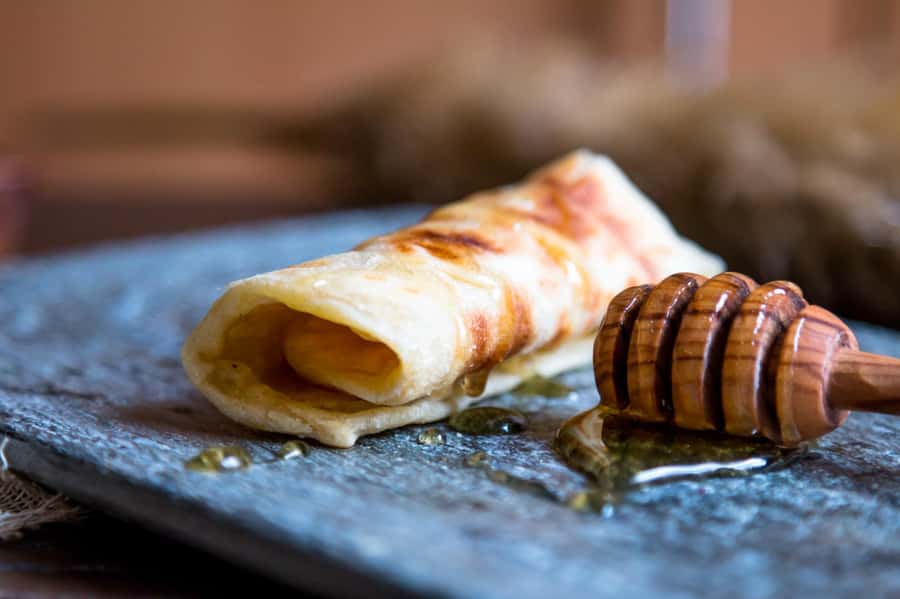
First comes msemen, the square Moroccan crepe many people discover at breakfast. Its dough is stretched thin, folded, layered with fat, and cooked on a hot surface. The folding is the trick. Done well, it gives you a crisp outside and soft layers within.
Next is harcha, a round pancake or galette made with semolina. It has a different feel from msemen, with a more crumbly texture and a pleasant grainy bite. You are not simply repeating the same recipe three times. You are learning how Moroccan cooks use different grains, doughs, and cooking methods to make distinct breads.
The third is batbout, a soft, pocket-like flat bread often compared with Moroccan pita. It is a useful bread to learn at home because it is simple, versatile, and good with both sweet and savory accompaniments.
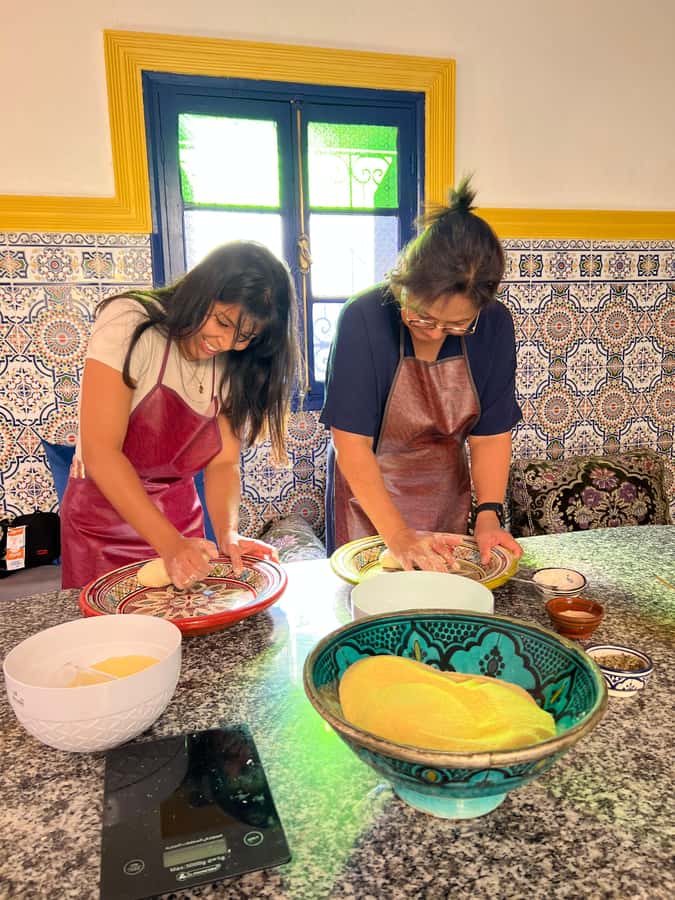
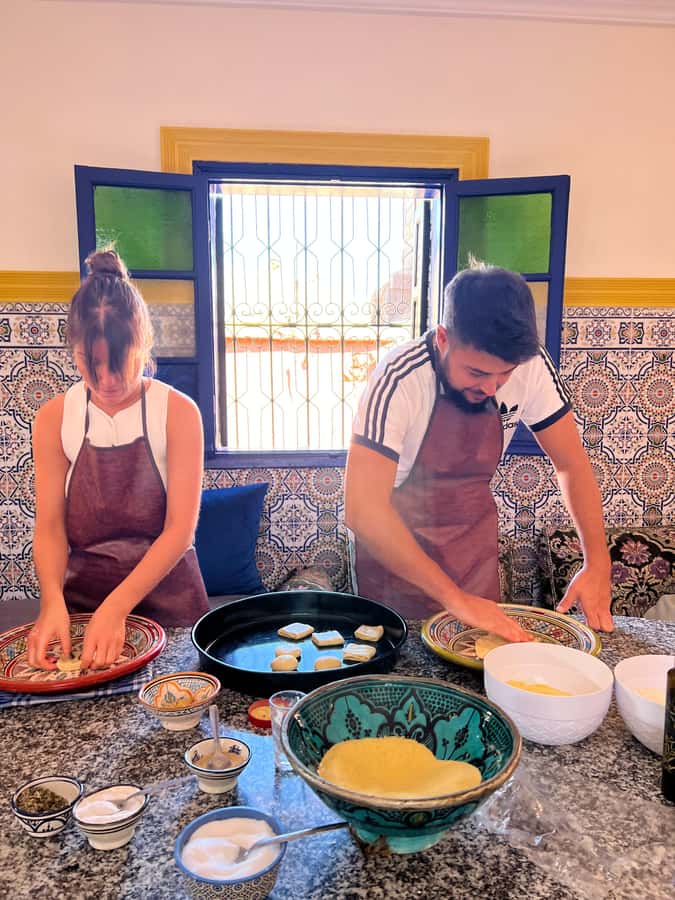
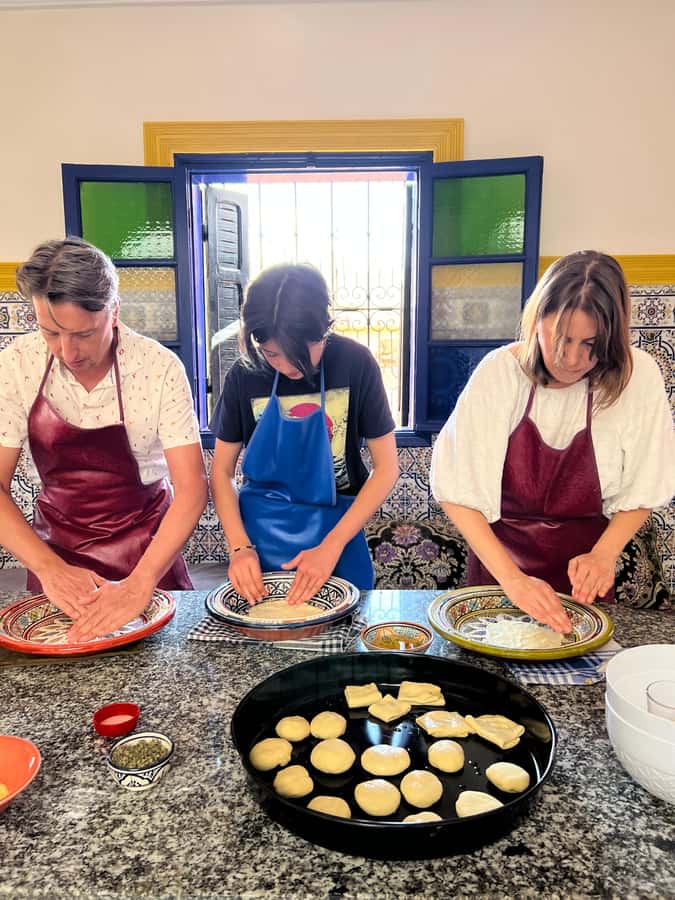
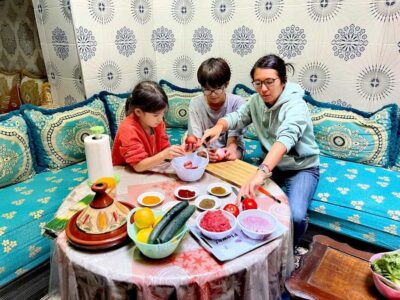
You work from start to finish. The ingredients and utensils are supplied, and an apron is provided. The host demonstrates each stage, then helps you shape, cook, and correct your dough. This matters more than a long cooking lecture. Dough can look easy on paper but feel quite different in your hands.
The class is designed for participation, not observation. You should expect to mix, shape, stretch, and cook. If you prefer to watch a chef do everything while you take photos, this is not the right activity. If you want to learn a few techniques you can repeat back home, it makes much more sense.
More Cooking Classes in Marrakech
- Marrakech: Moroccan Cooking Class with Pickup
★ 4.6 · 1,862 reviews - Marrakech: Traditional Moroccan Cooking Class & Market Visit
★ 4.8 · 1,861 reviews - Marrakesh: Moroccan Dishes Cooking Class with a Local Chef
★ 5.0 · 1,615 reviews
Why the three-bread format works
A short class can easily become a rushed demonstration. Here, the three recipes give the session a useful rhythm. Msemen teaches stretching and folding. Harcha introduces semolina and a more compact dough. Batbout shows you how to make a soft flat bread.
That variety also gives you a better feel for Moroccan eating habits. Bread is not an afterthought on a Moroccan table. It is used to scoop, wrap, accompany, and stretch a meal. Making several types helps you understand why the bread served with breakfast may differ from the bread served with a savory dish.
The class is also practical for your hotel breakfast memories. One participant specifically wanted to recreate the msemen eaten during the week in Marrakech. That is a good reason to take the class early in your trip. You can pay attention to the breads you see afterward, then compare them with what you learned.
You should not expect professional culinary training. The aim is a friendly introduction to home-style Moroccan baking. The recipes are approachable, and the hosts offer direct help rather than leaving you to guess why your dough is too dry or too thick.
Entering the Bab Doukkala workshop
The meeting point is 44 Der Hajra, Bab Doukkala, Marrakech. The address is in the Marrakech-Safi region and sits in a part of the city where the approach can feel more local than a standard sightseeing stop.
The route to the workshop may take you through food markets where daily shopping is the main business. That is part of the experience, but it also means you should allow time to find the doorway. Communication before the class can help. One group received a WhatsApp message with directions, which made the workshop easier to locate.
You do not get transportation to or from the class. Plan your own route and check the meeting instructions before setting out. Comfortable clothing is the sensible choice, and you should bring water. This is a working kitchen session, not a place for clothes that need to remain spotless.
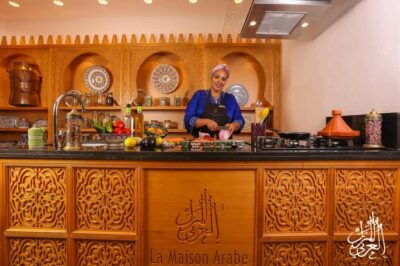
The setting has been described as a beautiful Moroccan home and as a welcome break from the noise of the city. Do not expect a large commercial cooking school. The home-style atmosphere is a major part of the appeal, though it may feel less formal than some visitors expect.
Hands-on teaching and language
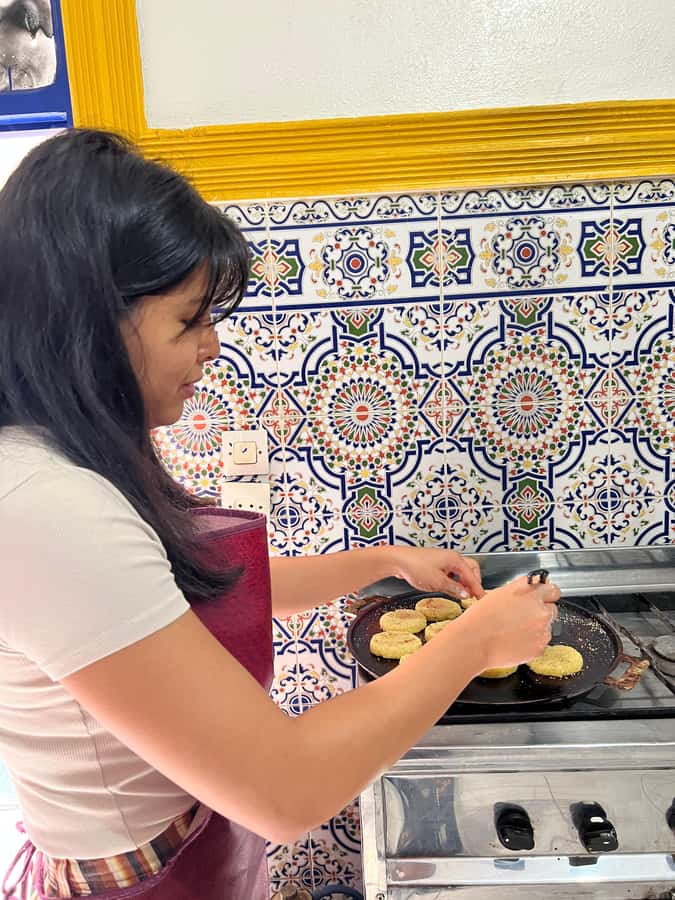
Instruction is available in Arabic, French, and English. The exact balance can vary by session. Some classes have a demonstrator and a translator, while other participants have found that the person doing the demonstration spoke little or no English.
This does not make the class impossible. Bread shaping is visual, and the teaching is hands-on. One participant who shared little spoken language with Jamila still received close help preparing and baking the bread. Simple gestures, demonstrations, and working side by side carry much of the lesson.
Still, keep your expectations realistic. If you want detailed answers about flour ratios, substitutions, fermentation, or baking theory, ask early and clearly. A language gap can make a technical conversation difficult. It is also worth confirming how you will receive the electronic recipes, since one participant had to chase them afterward.
The hosts named in the experience include Fatima and Jamila. Fatima and her team are praised for making people feel welcome, while Jamila is remembered for being very hands-on. The teaching style is warm and practical, with the chef showing each movement and helping you repeat it.
Same city gate, a very different afternoon:
- Marrakech: Agafay Desert Sunset, Camel Ride, and Dinner Show
★ 4.6 · 35,119 reviews - From Marrakech: Ouzoud Waterfalls Guided Hike and Boat Trip
★ 4.7 · 33,630 reviews - Marrakech: Agafay Desert Quad & Camel Rides with Dinner Show
★ 4.8 · 27,382 reviews - Marrakech: Agafay Desert Quad Biking Tour with Dinner-Show
★ 4.8 · 16,569 reviews
Mint tea is more than a drink
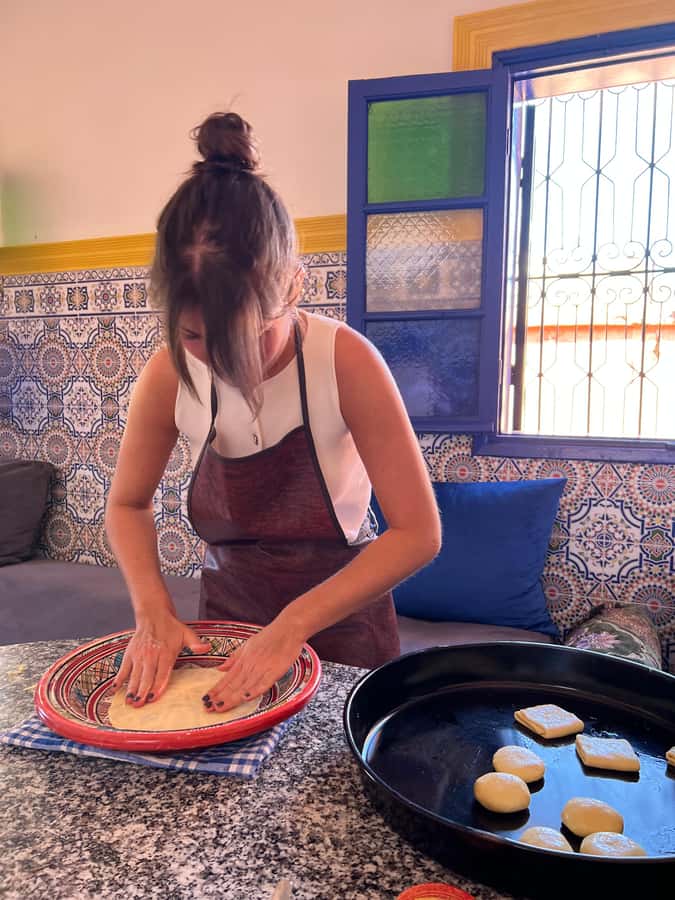
The traditional mint tea ritual comes after the dough preparation and cooking. You help prepare the tea, then learn how to pour it in the Moroccan way.
This is a small but important part of the session. Mint tea is tied to hospitality, conversation, and the pause after a meal. You are not simply handed a cup while waiting for bread to cook. You take part in making it and see how it fits into the social side of Moroccan food.
The tea also gives the class a natural ending. After the work with dough and hot cooking surfaces, you sit down and taste the results. Bread is served with accompaniments such as olives, honey, and jam, depending on the session. The combination makes the tasting feel like a light meal rather than a token sample.
The tasting is one of the strongest reasons to book this instead of a cooking demonstration. You get to judge the texture of your own msemen, harcha, and batbout while the techniques are still fresh in your mind. Imperfect bread is still edible, and the relaxed setting takes pressure off getting every fold right.
Eating your work, and taking some home
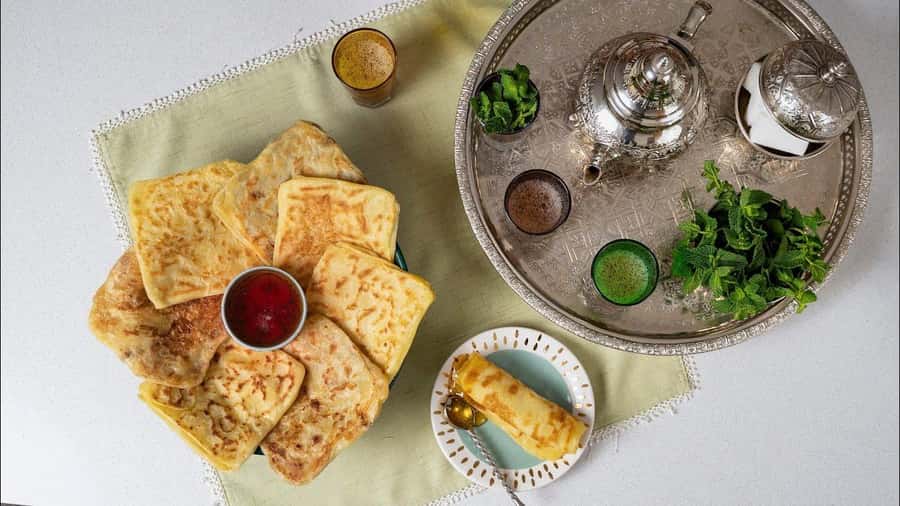
The finished food is cooked, cooled, and eaten during the class. The portions can be generous. Some participants had more bread than they could finish, and boxes were provided to take leftovers home.
That is useful if you are staying in an apartment, have a picnic planned, or simply want a second taste later. It also points to a small practical issue: do not assume you need a separate lunch immediately afterward. Your output may be plentiful, especially in a small class.
The amount you take home can depend on group size. A private or near-private session may leave more bread per person, while a full group spreads the food among more hands. The maximum is 10 people, and several sessions have been smaller, including one with only two participants and another with three.
Recipes are sent electronically. Keep an eye on your messages after the class. The recipes are one of the most useful inclusions because they turn a pleasant morning into something you can repeat at home. If they have not arrived, contact the provider rather than assuming they were forgotten.
How much value do you get for $37?
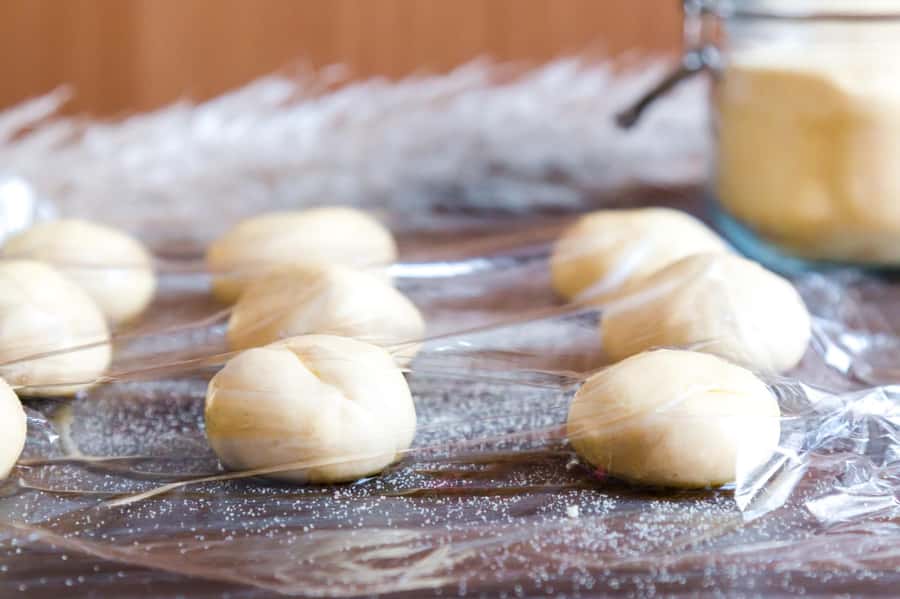
At $37 per person, the price is reasonable for a two-hour activity in central Marrakech. You receive the instruction, apron, ingredients, utensils, tasting, mint tea preparation, and electronic recipes. The food itself can also replace a light meal.
The value is strongest if you take part fully. You are paying for technique and contact with a local host, not just for bread. The recipes and the chance to practice shaping are the parts that continue to matter after your holiday.
A large group would weaken that value, but the 10-person limit helps. Smaller sessions offer even more personal attention. You can ask for help, see the demonstration clearly, and get more direct correction when handling the dough.
The price is less compelling if you are mainly looking for a full Moroccan meal. This is a bread and crepe class, not a broad cooking course. You will taste the breads with simple accompaniments, but the focus stays on baking and tea. The provider also offers other food classes, including tagine and Moroccan cooking sessions, if you want a wider meal lesson.
Free cancellation up to 24 hours before the activity and the option to reserve now and pay later add useful flexibility. Starting times vary, so check availability when you choose your date.
Who will enjoy this class most
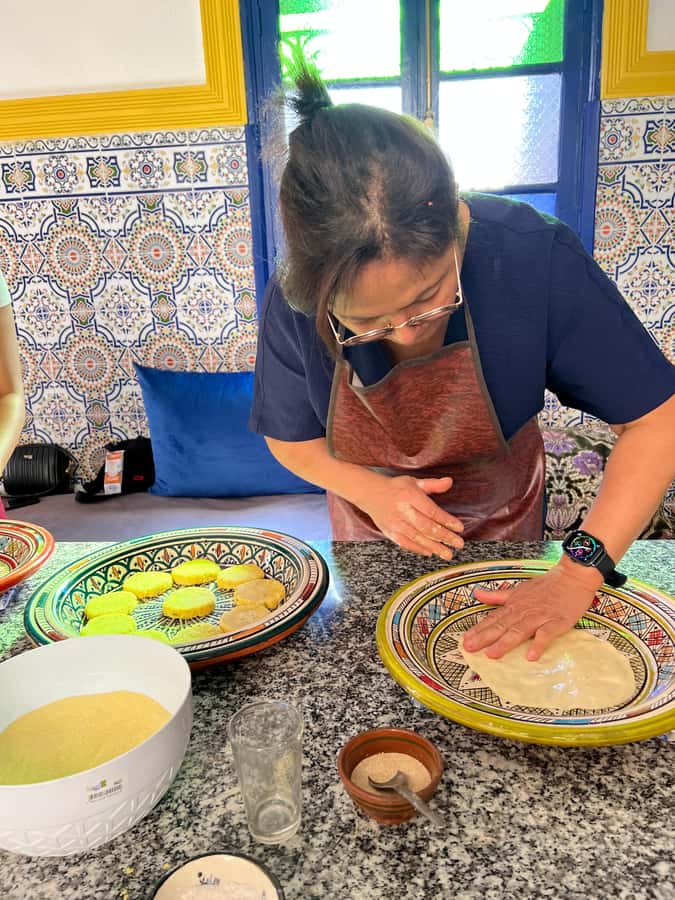
I would recommend it to anyone who likes bread, wants a low-pressure cultural activity, or prefers learning a skill to ticking off another monument. It works especially well for couples, friends, families with older children, and small groups who enjoy eating together afterward.
It can also suit a mixed-language group because much of the teaching is shown physically. You should be comfortable with some nonverbal instruction, though. The class will be easier if you accept that not every question may receive a long spoken answer.
Families should note the age rule. Children under 4 are not suitable for the activity. Older children may enjoy the shaping and tasting, but the supplied details do not set a broader child age range, so check before booking if your children are young.
This is not for people with gluten intolerance or food allergies. All ingredients for the lesson are provided, but there is no promise of allergy-free preparation or substitutions. If food safety is a concern, choose another activity.
Small details that make the morning better
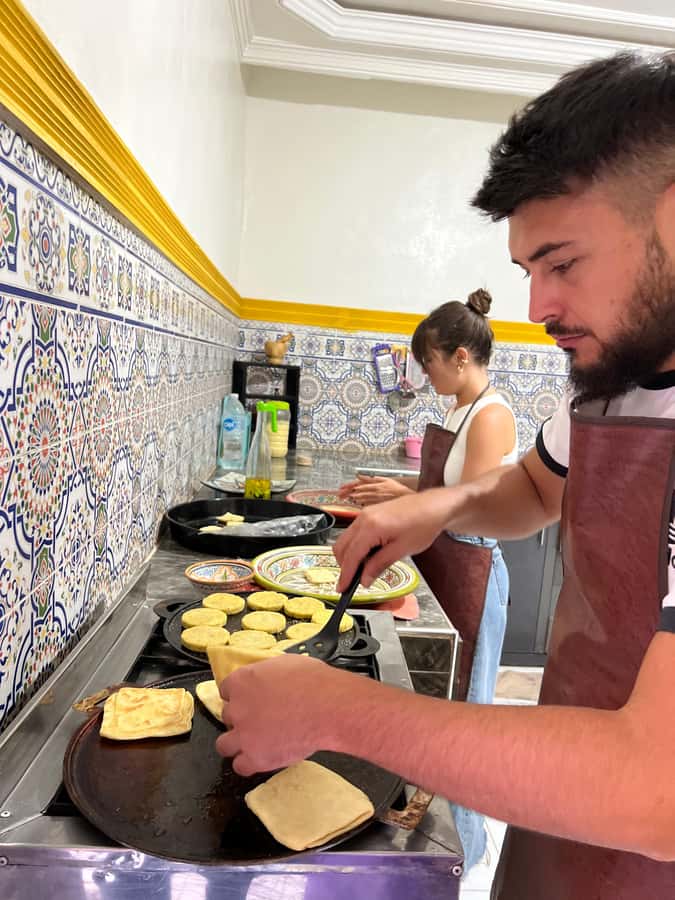
Wear clothes you can cook in. Flour, oil, and dough are part of the work, so comfort matters more than style. Bring water and arrive ready to eat, since you will taste several breads at the end.
Read the directions before leaving. Bab Doukkala is a useful area to explore, but a local market route can be less obvious than a hotel lobby meeting point. Save the address and any WhatsApp directions on your phone.
Ask about the recipes before you leave if they have not arrived. That small bit of follow-up can protect one of the class’s best practical benefits.
If you are planning other sightseeing, place this class beside a lighter part of your day. Two hours is the stated duration, but you may want time to eat your bread, chat with the host, and carry leftovers back without rushing.
Should you book the Marrakech bread class?
Book it if you want to learn three recognizable Moroccan breads in a friendly small-group setting, then sit down with mint tea and eat the results. The high rating of 4.8 from 135 reviews fits the main strengths: warm teaching, strong personal help, good food, and a real sense of home cooking.
I would be cautious only if you need strict allergy control, cannot eat gluten, want a polished English-language lecture, or prefer a full meal over a baking lesson. For everyone else, $37 buys a useful and tasty piece of Moroccan culture, with recipes you can try again long after the medina dust has settled.
FAQ
How long does the Moroccan crepes and bread class last?
The class lasts two hours. Starting times vary, so check availability for your chosen date.
Where is the workshop located?
The workshop is at 44 Der Hajra, Bab Doukkala, Marrakech, in the Marrakech-Safi region of Morocco.
What breads will I learn to make?
You will learn to make msemen, harcha, and batbout. These include Moroccan crepes, a semolina pancake or galette, and a soft Moroccan pita-style flat bread.
Is Moroccan mint tea included?
Yes. You help prepare and taste traditional Moroccan mint tea as part of the class.
What is included in the price?
The price includes the interactive baking class, an apron, ingredients, utensils, host guidance, tasting of your baked creations, mint tea preparation and tasting, and electronic recipes.
Is the class suitable for everyone?
No. It is not suitable for children under 4, people with food allergies, or people with gluten intolerance. Comfortable clothing and water are recommended.
More Workshops in Marrakech
- Moroccan Cooking Class & Marrakech Market Visit with Chef Khmisa
★ 5.0 · 1,504 reviews - Half-Day Cooking Class with Local Chef Laila in Marrakech
★ 5.0 · 952 reviews - Marrakech: Pottery Workshop with Moroccan Tea
★ 4.8 · 756 reviews - Marrakech: Moroccan Cooking Class with a Local Family
★ 4.9 · 668 reviews
Just listed around Marrakech
- 3 Days To Merzouga Desert★ 5.0 · 19 reviews
- 3 Days Shared Sahara Desert Tour From Marrakech★ 5.0 · 78 reviews
- 3 Days Sahara Desert Trips From Marrakesh★ 5.0 · 176 reviews
- 3 Days Sahara Tour from Marrakech to Merzouga Dunes★ 5.0 · 29 reviews
- 1 night Camel Treking in Merzouga Desert Luxury Camp★ 5.0 · 132 reviews
- trip of your dreams in 3 days and 2 nights in the desert★ 5.0 · 36 reviews
- 3 Days Private Tour to Merzouga Desert from Marrakech★ 5.0 · 77 reviews
- 3 Day Sahara Desert Tour From Marrakech★ 5.0 · 49 reviews
Cooking Classes, compared.
Traditional Moroccan Cooking Class & Market Visit
Read our review →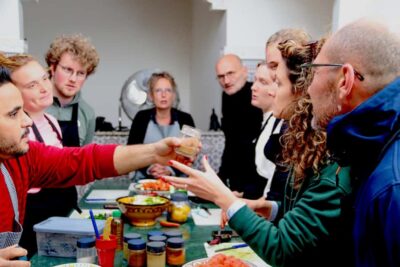
Moroccan Dishes Cooking Class with a Local Chef
Read our review →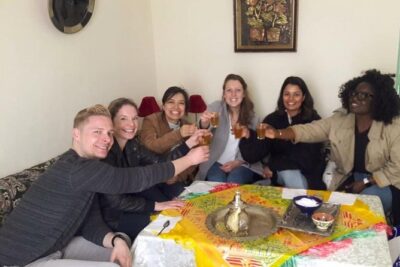
Moroccan Cooking Class & Marrakech Market Visit with Chef Khmisa
Read our review →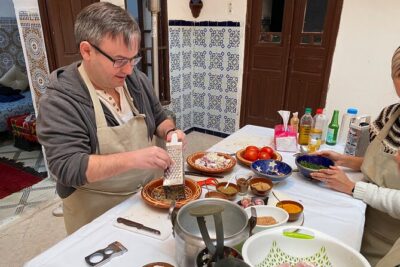
Half-Day Cooking Class with Local Chef Laila in Marrakech
Read our review →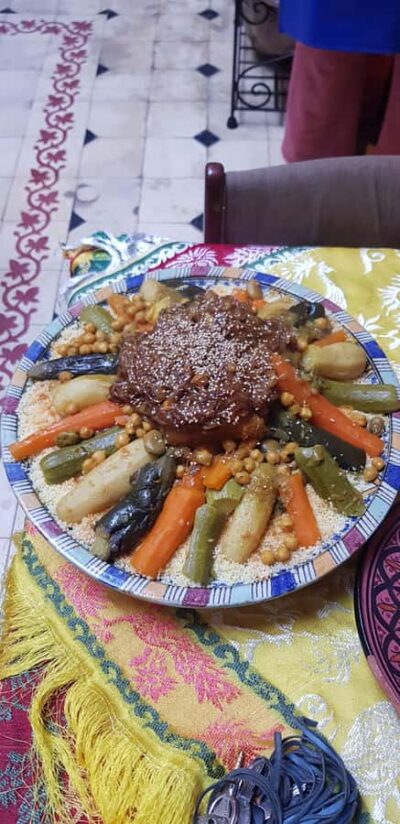
Browse the lists this tour appears in