
Reviewed · SHOPPING TOURS
Marrakesh Shopping Tour
Get ready to bargain with confidence. This four-hour private tour gives you a useful introduction to Marrakech’s medina, guiding you through Jemaa el-Fnaa, Souk Semmarine, Mellah Market, and several craft quarters. I like the personal guide service and the chance to choose which types of shops interest you most. I also like that the tour teaches you how to judge quality and negotiate prices, rather than simply leading you from one stall to the next.
The main drawback is that the tour covers a lot of ground in four hours. You will walk through narrow lanes, stop in several market areas, and face plenty of sales pitches. If you want a slow, quiet look at one or two craft traditions, this may feel rushed. At $52.27 per person, though, it offers good value for anyone who wants a practical first look at the medina and some help shopping wisely.
In This Review
- Key points to know before you book
- Why this Marrakech shopping tour is worth considering
- Starting at Jemaa el-Fnaa
- Learning the basic rules of souk shopping
- Finding order inside the medina
- Spices and sweets at Mellah Market
- Souk Semmarine and the widest choice
- A more controlled stop at Ensemble Artisanal
- Returning to Jemaa el-Fnaa
- What the four-hour schedule feels like
- Price, value, and the people who benefit most
- Practical advice for a smoother visit
- Should you book this Marrakech shopping tour?
- FAQ
- How long is the Marrakech Shopping Tour?
- How much does the tour cost?
- Is this a private tour?
- Where does the tour meet?
- What can you shop for during the tour?
- Can I cancel for a full refund?
Key points to know before you book
- Private, not shared: Only your group takes part, so you can discuss your shopping interests and ask questions along the way.
- Eight planned stops: The route includes Jemaa el-Fnaa, craft sections of the medina, Mellah Market, Souk Semmarine, Ensemble Artisanal, and a return to Jemaa el-Fnaa.
- Bargaining help included: Your English-speaking, multilingual guide can advise you about prices, materials, and product quality.
- A useful first-day activity: The route helps you get your bearings in the medina before returning on your own.
- Four hours on foot: Comfortable shoes and light clothing matter. The tour requires plenty of walking.
- Flexible shopping focus: You can express an interest in jewelry, pottery, weaving, metalwork, carpentry, leather, spices, or other goods.
Why this Marrakech shopping tour is worth considering
Marrakech’s medina can be exciting, confusing, and tiring in equal measure. The souks are not one single market with neat aisles. They are a network of lanes, workshops, stalls, courtyards, and small squares. A private guide gives you someone to explain what you are seeing and helps you spend your time with a purpose.
I especially like the practical angle. You are not only shown souvenirs. You learn how bargaining works, how to compare prices, and how to look more closely at the goods. That matters in a market where the first price is rarely the final one.
The guide can also help you avoid buying something simply because a seller is persuasive. You can ask whether a leather item looks well made, whether a textile seems worth its price, or which products make sensible gifts. The information provided does not promise that the guide will negotiate every purchase for you, so you should still expect to take part in the bargaining.
This is a private activity, which makes a real difference. Your group can spend more time in a section you enjoy and less time in one that does not interest you. You can also ask about Marrakech beyond shopping. Several guides, including Saïd, Abdellah, Moustafa, and Abderrahim, have been praised for being friendly, punctual, helpful, and good at explaining the city.
A few more Marrakech runs to hold up against each other
- Marrakech: Traditional Moroccan Cooking Class & Market Visit
★ 4.8 · 1,861 reviews - Moroccan Cooking Class & Marrakech Market Visit with Chef Khmisa
★ 5.0 · 1,504 reviews - Marrakesh: Guided Souk Shopping Tour with a Local Guide
★ 4.9 · 651 reviews
Starting at Jemaa el-Fnaa
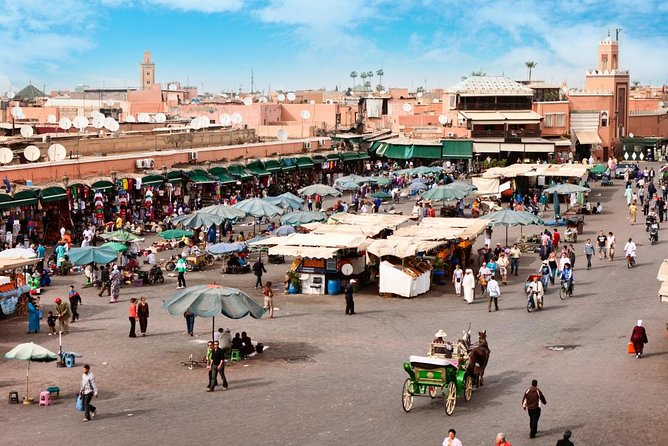
The meeting point is Jemaa el-Fnaa, the large square at the center of the medina. You choose the start time, which is handy if you want to fit the tour around breakfast, a museum visit, or a later dinner.
The opening stop lasts about 20 minutes. Your guide uses the square as a starting point before taking you into the maze of narrow streets where local shopping takes place. Jemaa el-Fnaa is also an easy place to find, but it can be crowded and confusing. Pay close attention to the exact meeting instructions you receive.
This first section is less about buying and more about orientation. You begin to understand how the medina connects its main square with the market lanes. If this is your first day in Marrakech, that early sense of direction can make later wandering less stressful.
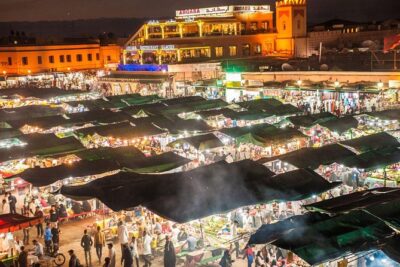
The square is also a good reminder that Marrakech changes mood during the day. The tour information describes the evening market atmosphere, but your actual experience will depend on the start time you choose. You may see a quieter commercial square during the day or a busier social scene later on.
Learning the basic rules of souk shopping
The first longer section in the medina lasts around 40 minutes. This is where the tour becomes especially useful for first-time shoppers.
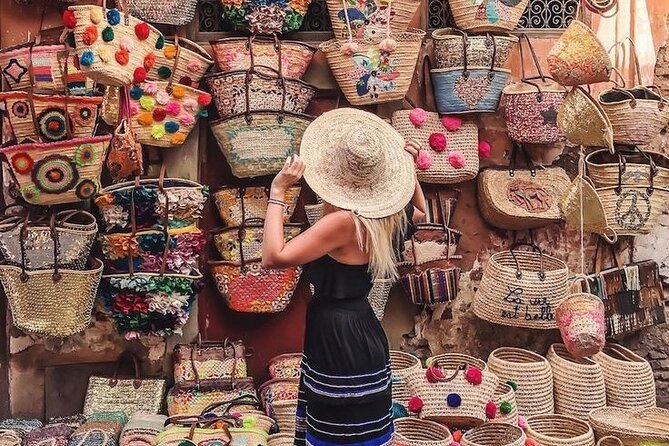
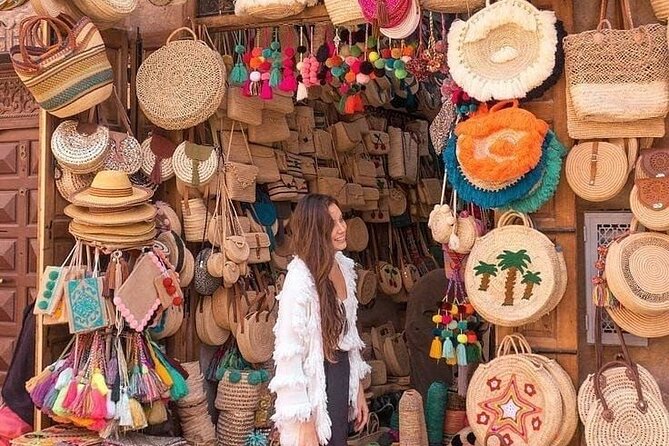
You may see leather goods, textiles, pottery, jewelry, slippers, spices, and small souvenirs. The selection can be tempting, but the advice to avoid rushing is important. Walk around first. Compare similar items in more than one shop. Ask about the material, how the item was made, and whether the price reflects the quality.
Bargaining is expected in Moroccan markets, but it works best when you remain calm and polite. Start with a price that feels reasonable to you, not with an offer so low that it turns the exchange into a joke. Your guide can explain the local rhythm of the conversation and help you understand when a price is becoming fair.
I would treat the guide’s help as advice rather than a guarantee of the lowest possible price. A good purchase is not always the cheapest purchase. It is the item you actually want, at a price you can accept, without turning a small souvenir into a stressful contest.
Finding order inside the medina
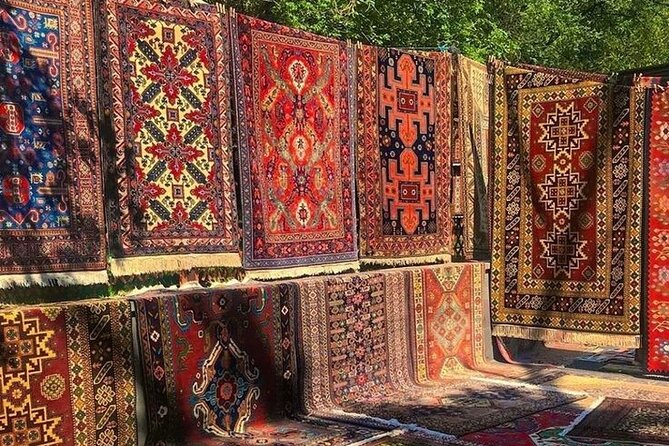
One of the more useful points about the route is that the souk is organized by trade. The lanes can look chaotic at first, but different areas traditionally bring similar crafts together.
This 30-minute portion allows you to choose a direction based on your interests. You might focus on jewelers, blacksmiths, potters, weavers, or carpenters. The exact emphasis depends on your group and what you tell the guide at the start.
That flexibility is a strong reason to choose a private tour instead of a fixed group walk. If you have no interest in jewelry but want to see pottery, you can say so. If you are shopping for a carpet, leather bag, or kitchen item, you can make that clear before the route is planned.
The short time at each section means you will not receive a long workshop visit in every trade area. Think of this as a guided survey. It helps you decide where to return later, rather than giving you an exhaustive study of Moroccan craftsmanship.
Same city gate, a very different afternoon:
- Marrakech: Agafay Desert Sunset, Camel Ride, and Dinner Show
★ 4.6 · 35,119 reviews - From Marrakech: Ouzoud Waterfalls Guided Hike and Boat Trip
★ 4.7 · 33,630 reviews - Marrakech: Agafay Desert Quad & Camel Rides with Dinner Show
★ 4.8 · 27,382 reviews - Marrakech: Agafay Desert Quad Biking Tour with Dinner-Show
★ 4.8 · 16,569 reviews
Spices and sweets at Mellah Market
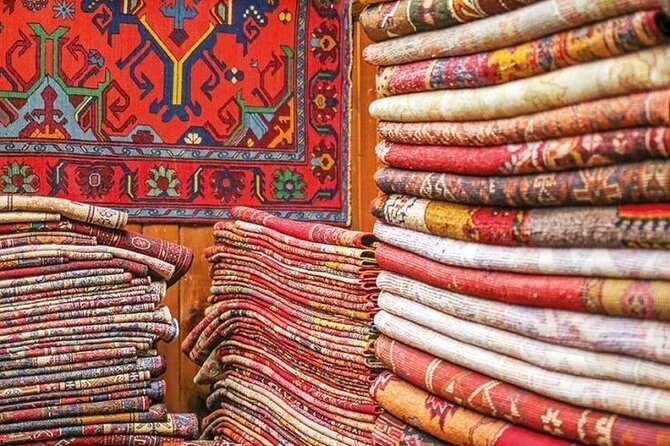
The tour then spends about 30 minutes in Mellah, Marrakech’s historic Jewish quarter. Mellah Market is noted for spices, dried fruits, and nuts, with ingredients such as saffron, dried rose petals, and candied fruit.
This stop adds a different side of Marrakech shopping. Not everything here is a decorative souvenir. Spices and dried foods connect the market to daily cooking and local food traditions. If you are buying saffron or another costly ingredient, ask questions about what you are getting and how it should be used.
The stop is listed as free admission, so your spending is entirely your own. You do not have to buy anything. A short visit is enough to look at the displays, smell the spices, and decide if this is where you want to make a purchase.
As with all food products, use your own judgment about what you can take home. The tour information does not provide customs guidance, packaging details, or product guarantees, so ask the seller for practical information before paying.
Souk Semmarine and the widest choice
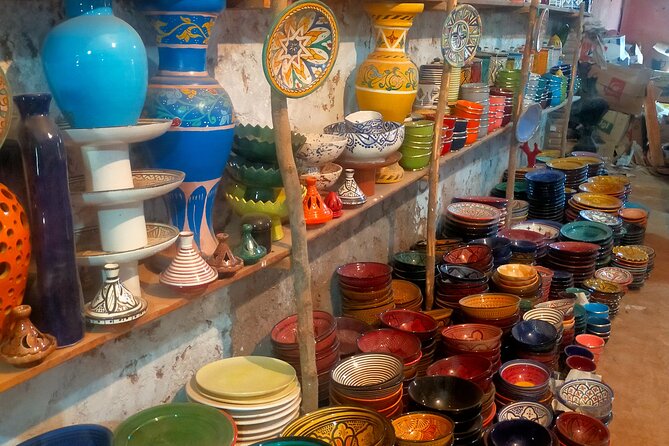
Souk Semmarine is one of the largest market areas on the route. The planned stop lasts about 30 minutes and includes goods ranging from spices and food to clothing and souvenirs.
This is likely to be one of the most active shopping sections. You may find a wide mix of items rather than one narrow craft specialty. That makes it useful if your shopping list is still open, but it can also make it harder to focus.
I would use this stop to compare prices and styles, especially if you have already seen leather, textiles, pottery, or slippers elsewhere. Do not feel obliged to buy at the first appealing stall. Your guide’s bargaining advice is most useful when you have seen enough examples to recognize a fair range.
Keep your belongings close in crowded lanes, and wear shoes with good support. The route includes a lot of walking on foot, and the market lanes are not designed for leisurely strolling in a straight line.
A more controlled stop at Ensemble Artisanal
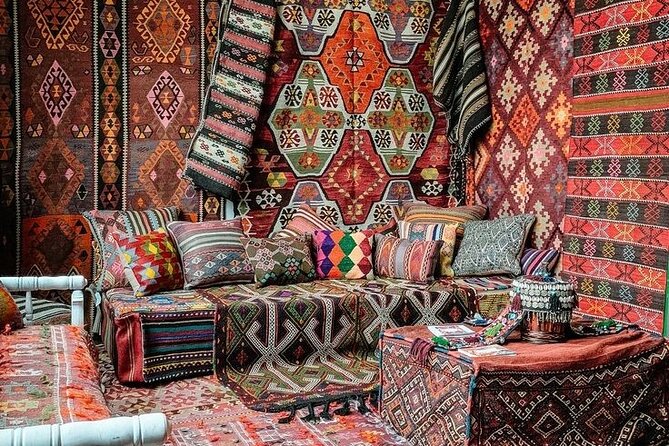
Ensemble Artisanal offers a different shopping setting. It is a government-run cooperative selling handicrafts made by local artisans, including pottery, carpets, jewelry, and woodwork.
This stop can help if the intensity of the souks wears you down. The setting is intended to provide a more structured shopping experience, and the range still covers several major Moroccan crafts. You may find it easier to compare items without moving through the same level of market pressure.
The tradeoff is that a cooperative setting may feel less spontaneous than a small workshop or family-run stall. The tour does not state that prices are fixed or that every item has a formal quality certification, so ask questions before buying. The guide can help you assess what interests you, but you should still inspect the item carefully.
For shoppers who dislike bargaining, this may be the most comfortable part of the route. For shoppers who want the full souk experience, it works well as a comparison point.
Returning to Jemaa el-Fnaa
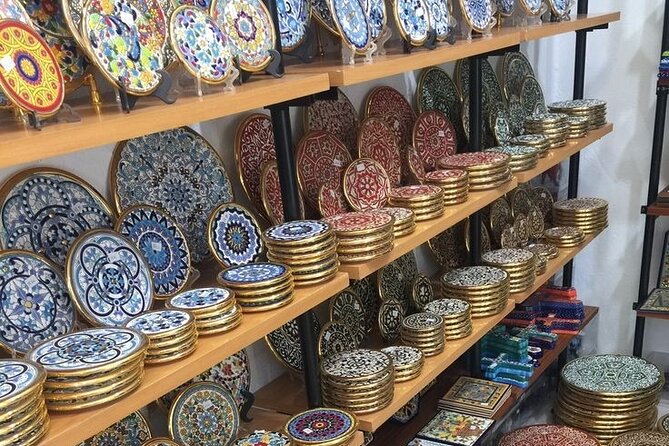
The final planned shopping stop returns to Jemaa el-Fnaa for about 30 minutes. The square becomes a market area later in the day, with clothing, jewelry, souvenirs, and other goods.
Ending where you began makes the route easy to remember. You can return to the square later for food or further shopping, assuming you are comfortable finding your way back. The guide may also help you identify areas you want to revisit.
The warning here is simple: bargaining still applies. The square is not a place to assume that the first price is the final price. If you find something you like, decide what it is worth to you and stay ready to walk away politely if the price does not feel right.
There is also a difference between shopping in the square and shopping in the covered souks. The atmosphere can change with the hour, so your start time affects how this ending feels. The tour offers a flexible meeting time, but the exact sequence and mood may vary accordingly.
What the four-hour schedule feels like
The listed stops add up to roughly four hours, with several sections lasting only 20 or 30 minutes. That gives you broad coverage of the medina, but it does not leave unlimited time for long negotiations or detailed craft demonstrations.
I see this as an orientation tour with shopping built in. You get an overview of different market sectors, learn the basic habits of bargaining, and identify places worth revisiting. If you want to buy several large items, you may need extra time after the tour.
The private format helps make the schedule more workable. You are not waiting for a large group to examine every stall. You can tell the guide what matters to you and use the available time more wisely.
Pickup is offered, but the stated meeting point is Jemaa el-Fnaa. Confirm the arrangements when booking so you know if you are meeting at the square or receiving transport to it. Some feedback also refers to comfortable cars and drivers such as Saïd, but the core shopping route itself takes place in the medina on foot.
Price, value, and the people who benefit most
At $52.27 per person, the tour is not the cheapest way to wander through the medina. You can enter the souks without paying an admission fee. The value comes from the private guide, the structured route, the shopping advice, and the time saved by moving directly between different market areas.
The price makes the most sense for a small group that wants help on its first day in Marrakech. Splitting the cost among several people in your own group can make the private format more attractive, although the quoted amount is per person.
I would choose this tour if you:
- Are visiting the Marrakech medina for the first time
- Want to buy crafts but feel uncertain about quality or prices
- Prefer a private guide instead of a large group
- Want to choose between jewelry, pottery, textiles, spices, leather, and other goods
- Enjoy asking questions about local culture while you shop
- Have only half a day available
I would skip it if you already know the medina well, dislike bargaining, or want a slow visit devoted to one craft. The route is active and commercial. It is not designed as a quiet architecture walk or a long artisan workshop.
Practical advice for a smoother visit
Wear comfortable shoes. The final instructions specifically stress this, and they are right to do so. You will walk through several parts of the medina, often on narrow lanes, and standing around shops adds to the strain.
Dress comfortably and be prepared for changing levels of activity. The tour requires good weather, and poor weather may lead to a different date or a full refund. Free cancellation is available up to 24 hours before the start time. Cancellations or changes made less than 24 hours in advance are not accepted for a refund.
Bring a small amount of spending money and decide in advance what kinds of purchases interest you. You do not need to buy at every stop. A short list helps you avoid leaving with items you do not really want.
Ask the guide to explain the route at the beginning. Since the tour can adapt to your preferences, this is the moment to mention leather, spices, carpets, pottery, jewelry, or any other priority. You will get more from the four hours if the guide knows what you hope to see.
The tour is described as suitable for most people, but the amount of walking matters. If you have concerns about walking through the medina, ask the provider before booking.
Should you book this Marrakech shopping tour?
I would book it as an early activity in a Marrakech stay, especially if you want to shop but do not yet understand the medina. The strongest features are the private format, the choice of craft areas, and the guide’s advice on bargaining and quality.
The experience is best used as a starting point. Let the guide show you how the souks fit together, make a few careful purchases if you find the right items, and note where you want to return later. At $52.27 per person, that practical introduction can be worth the cost.
Book it if personal guidance and shopping confidence matter more to you than a leisurely pace. Skip it if you prefer to wander alone or already feel comfortable negotiating in Moroccan markets.
FAQ
How long is the Marrakech Shopping Tour?
The tour lasts approximately four hours.
How much does the tour cost?
The listed price is $52.27 per person.
Is this a private tour?
Yes. Only your group participates in the activity.
Where does the tour meet?
The stated meeting point is Jemaa el-Fnaa Square in the center of Marrakech’s medina. Pickup is also offered, so confirm the exact arrangements when booking.
What can you shop for during the tour?
The route includes leather goods, textiles, ceramics, jewelry, spices, dried fruits, nuts, slippers, clothing, carpets, woodwork, and other souvenirs.
Can I cancel for a full refund?
Yes. You can cancel at least 24 hours before the experience start time for a full refund. Changes or cancellations made less than 24 hours before the start time are not accepted for a refund.
Just listed around Marrakech
- Zagora: 2-Day Desert Trip from Marrakech★ 4.4 · 31 reviews
- Traditional spa Hammam & Massage with Hotel Transfers★ 4.0 · 24 reviews
- Day trip to OUZOUD waterfall with guide&boat ride from Marrakech★ 5.0 · 172 reviews
- quad bike tour in the palmeraie of Marrakech★ 4.5 · 43 reviews
- Half day quad desert agafay★ 4.5 · 24 reviews
- walking tour★ 5.0 · 46 reviews
- private tour of Marrakech 4 hours with multilingual driver★ 5.0 · 117 reviews
- 3 days tour from Marrakech to Merzouga desert★ 5.0 · 55 reviews
Shopping Tours, compared.
Traditional Moroccan Cooking Class & Market Visit
Read our review →
Moroccan Cooking Class & Marrakech Market Visit with Chef Khmisa
Read our review →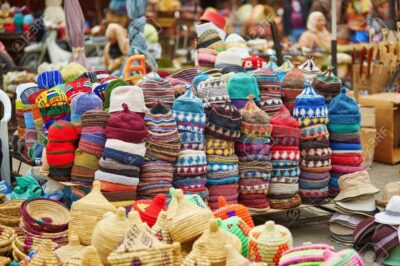
Shopping in the Souks of Marrakech Private Tour
Read our review →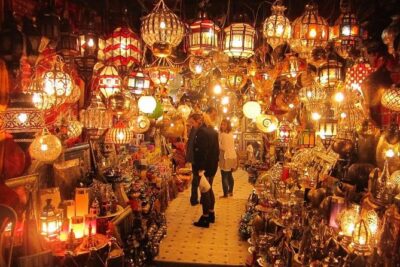
Moroccan Cooking Class with Market Visit and Meal
Read our review →
Evening Marrakech: Gastronomic and Market Tour Inside the Medina
Read our review →Browse the lists this tour appears in