
Reviewed · SHOPPING TOURS
Marrakesh Untold Stories Shopping Tour Experience
The souks reward a good guide. This three-hour walk from Jemaa el-Fnaa leads you through Marrakech’s winding market lanes, with stops at artisan workshops, a Berber house, an herbalist, and shops selling leather, textiles, lamps, ceramics, and jewelry. I like the focus on meeting makers rather than simply racing from shop to shop, and I like that the tour includes a refreshing drink during the visit.
The strongest advantage is practical: guides such as Ali know the maze and can help with bargaining. The main caution is that this remains a shopping tour, so you should expect sales conversations and keep your budget, patience, and buying limits clear.
In This Review
- Key points at a glance
- Starting at Jemaa el-Fnaa and Café de France
- Three hours inside the old souks
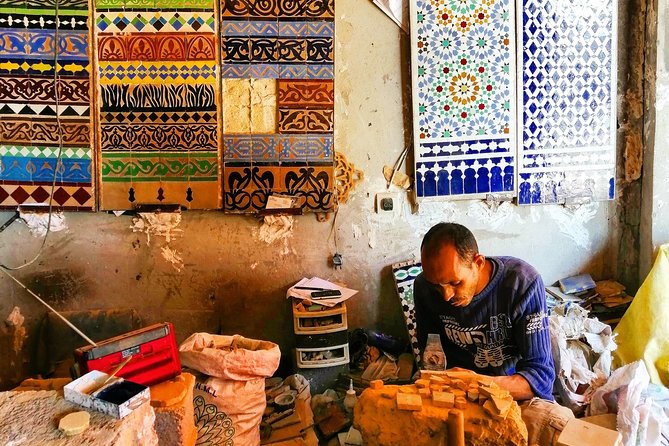
- Berber ceramics and the house workshop
- Textiles and the family cooperative
- Leather slippers, lamps, and silver jewelry
- Why the herbalist stop is worth your time
- Shopping help and the question of trust
- Is $27 good value for three hours?
- Who should book this experience?
- Booking, timing, and cancellation
- Should you book the Marrakesh Untold Stories Shopping Tour?
- FAQ
- Where does the tour begin?
- Where does the tour end?
- How long does the shopping tour last?
- What is included during the workshop visits?
- How many people can join the tour?
- Can I cancel for a full refund?
Key points at a glance
- Ali can save you from getting lost: His knowledge of the lanes and vendor locations is one of the tour’s most praised features.
- The route reaches working artisan spaces: You may see Berber ceramics, colorful textiles, lamps, stitched leather slippers, and silver jewelry.
- The herbalist visit matters: The tour treats a stop at a traditional herbalist as an essential part of experiencing Marrakech’s market culture.
- The family cooperative offers practical support: Insurance and shipping are included for textile purchases made through the cooperative, according to the tour details.
- Three hours gives you a useful introduction: It is long enough for several workshops without taking an entire day.
- Shopping pressure requires judgment: One serious account described the experience as overly sales-focused, so buy only what you genuinely want.
Starting at Jemaa el-Fnaa and Café de France
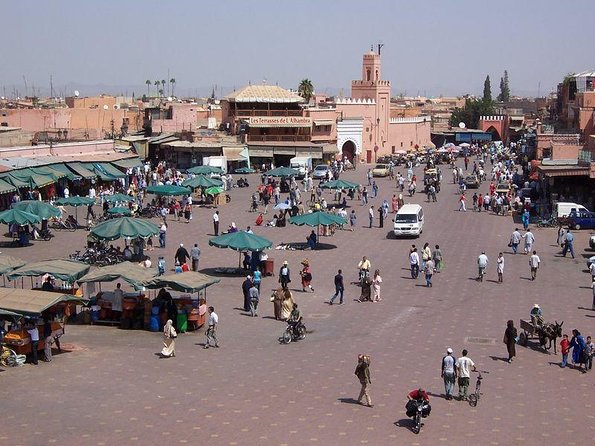
The meeting point is Hôtel Restaurant Café de France, at Rue des Banques beside Jemaa el-Fnaa. This is a sensible place to begin because the famous square is one of the easiest landmarks to locate in the old city. You finish at the same meeting point, which keeps the outing simple if you have plans afterward.
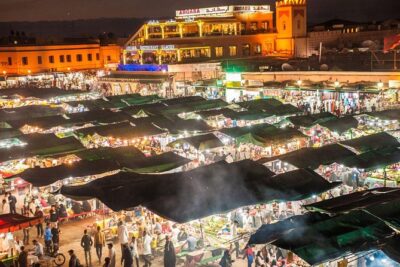
Jemaa el-Fnaa is not just a place to pass through on the way to the souks. It is the public heart of the medina, and it helps you understand how Marrakech’s market life works before you enter the narrower lanes. The tour lists art galleries, museums, artisan spaces, and places away from the usual visitor route, although the exact balance can vary with the day and the workshops open at the time.
I would arrive a little early. The square has several cafés and entrances, and finding a guide in a busy public area is easier when you are not rushing. The tour uses a mobile ticket, and confirmation is sent when you book, so keep the booking available on your phone.
A few more Marrakech runs to hold up against each other
- Marrakech: Traditional Moroccan Cooking Class & Market Visit
★ 4.8 · 1,861 reviews - Moroccan Cooking Class & Marrakech Market Visit with Chef Khmisa
★ 5.0 · 1,504 reviews - Marrakesh: Guided Souk Shopping Tour with a Local Guide
★ 4.9 · 651 reviews
Three hours inside the old souks
The souks are a maze by design. Lanes bend, narrow, widen, and split into smaller passages. Shops often specialize by craft, but a first-time visitor may not know which area sells leather, textiles, metalwork, or household goods. That is where the guide adds real value.
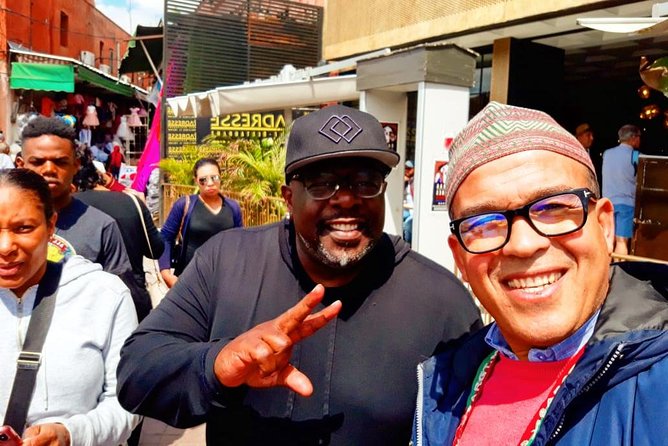
Ali receives particularly strong praise for knowing where products are made and which vendors carry specific items. One detailed account credited him with helping a couple find their way and negotiate lower prices several times. That is a useful service in a market where the first price is rarely the final price.
The tour is limited to a maximum of 20 people. That is not a tiny private walk, but it is still more manageable than a large coach group. A smaller group should make it easier to hear explanations and gather around a workshop, though the souks themselves can make movement awkward when lanes are crowded.
You should wear comfortable shoes and expect to walk for most of the three hours. The supplied information does not give a precise route length or list every workshop in advance, so think of this as a guided introduction rather than a fixed museum-style program.
Berber ceramics and the house workshop
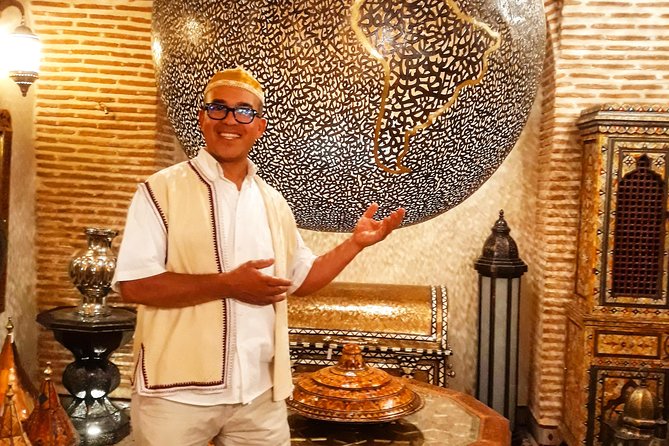
One of the most distinctive stops is a Berber house featuring local ceramic vessels. This gives the shopping a cultural setting instead of presenting each object as an isolated souvenir. You can see how pottery connects with everyday household use and regional design.
The appeal here is the chance to ask questions before you buy. A ceramic bowl, plate, or vessel may look simple at first glance, but the patterns, shape, and finish can carry clues about its origin and use. A guide can also help you distinguish a handmade piece from a more generic market item, though you should still inspect each object carefully.
Ceramics are not always easy to take home. The tour information does not state that packing or shipping is available for every item, so ask the seller about protection and transport before paying. If you are flying with only a small bag, a beautifully made vessel can become a practical nuisance unless it is packed properly.
Textiles and the family cooperative
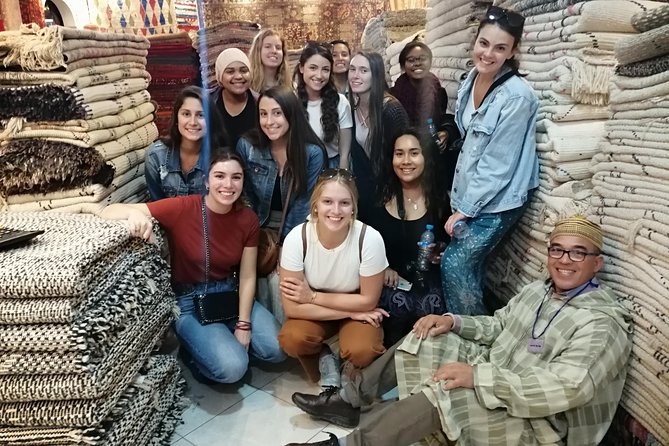
The textile portion will interest you if you are looking for Berber fabrics, caftans, or colorful woven goods. The tour visits what it describes as a trusted family cooperative, with insurance and shipping included for purchases made there. That can make a large textile purchase easier, especially if you do not want to carry it through the rest of your Morocco trip.
I would ask three plain questions before committing: What exactly is covered by the insurance? How is the item shipped? When should you expect delivery? Those details are not provided in the tour description, and they matter more than a friendly sales pitch.
The cooperative setting may also give you more context about the people making or selling the textiles. Still, the word family should not automatically make you stop comparing prices. You can appreciate the work, ask about materials and origin, and decide later. A good shopping tour should help you buy with confidence, not make you feel that politeness requires a purchase.
Same city gate, a very different afternoon:
- Marrakech: Agafay Desert Sunset, Camel Ride, and Dinner Show
★ 4.6 · 35,119 reviews - From Marrakech: Ouzoud Waterfalls Guided Hike and Boat Trip
★ 4.7 · 33,630 reviews - Marrakech: Agafay Desert Quad & Camel Rides with Dinner Show
★ 4.8 · 27,382 reviews - Marrakech: Agafay Desert Quad Biking Tour with Dinner-Show
★ 4.8 · 16,569 reviews
Leather slippers, lamps, and silver jewelry
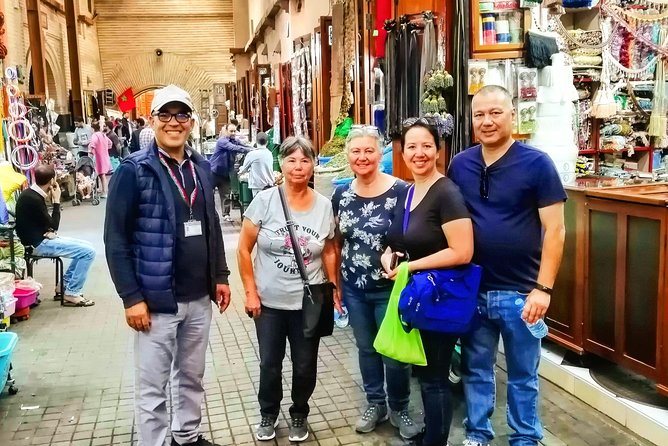
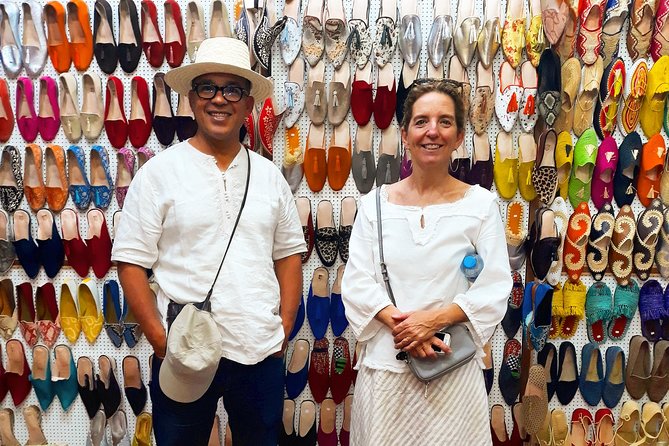
The souks offer several classic Moroccan crafts, including handmade leather slippers, decorative lamps, and Berber and Jewish silver jewelry. The slippers are described as handmade with stitching rather than glue. That small detail is useful because construction affects durability, especially if you plan to wear the footwear instead of displaying it.
Try the slippers on if possible and check the stitching, sole, and leather finish. The available information does not provide sizes, return terms, or material guarantees, so you should confirm those points with the seller. A lower price is not much of a bargain if the item does not fit or the stitching begins to fail.
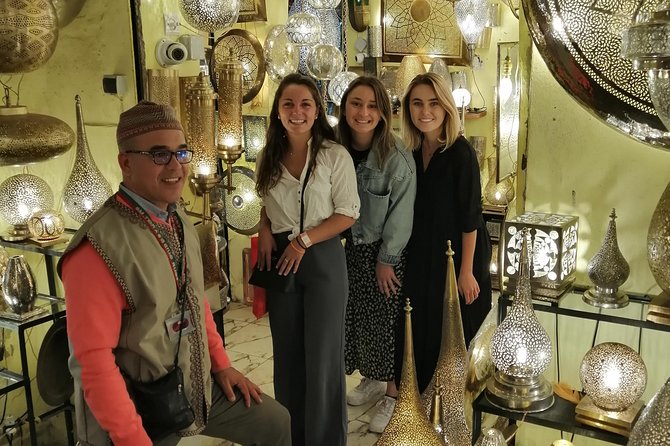
The lamps can be attractive but are often awkward purchases for a visitor with limited luggage. Ask about packing and shipping, and check whether the wiring or electrical fittings suit your home before buying. The tour makes no claim about electrical certification, so this is one category where decoration and practical use are not always the same thing.
Berber and Jewish silver jewelry offers a more personal connection to Morocco’s craft traditions. Look closely at the clasp, stones, markings, and weight. Ask what is silver and what is another metal, and request a receipt if the price is significant. The guide can help with negotiation, but you remain responsible for deciding if the quality matches the cost.
Why the herbalist stop is worth your time
The tour treats the herbalist as an essential stop, and I can see why. Herbal shops are part of the old market experience, with shelves and displays devoted to oils, spices, plants, soaps, and traditional products. This is a chance to learn how local sellers present everyday and wellness goods, not merely another place to browse souvenirs.
The refreshing drink included at one of the workshops is a welcome pause during the walk. It also gives you time to sit, ask questions, and look over products without constantly moving through the lanes. The exact drink is not specified, so do not book this expecting a particular tea or juice.
Use common sense at the herbalist. Ask what a product is, how it is used, and whether it is intended as food, fragrance, cosmetic, or traditional remedy. The supplied details do not make medical claims, so you should not treat the stop as medical advice or assume that every product suits you.
The herbalist visit can be enjoyable even if you buy nothing. I would approach it as a cultural stop first and a shopping stop second. If you feel rushed into purchasing oils, powders, or remedies, politely decline and move on.
Shopping help and the question of trust
The most praised part of the experience is the guide’s help inside the souks. Knowing where to go is valuable, but knowing how to compare prices may be even more useful. A guide who understands the vendors can help you avoid wasting time and may support you during bargaining.
That support has limits. A guide may have relationships with shops, and the tour is built around visits to places where you can buy. One account described the experience as full of dishonest sales tactics and felt particularly unhappy because it was taken on the first day in Marrakech. The details available are incomplete, but the warning deserves attention.
I would not book this tour if you dislike shopping or feel uncomfortable saying no. I would book it if you want a structured way to see crafts, need help navigating the lanes, and can treat every purchase as optional.
Set a spending limit before you start. Make a short list of items you might want, such as slippers, a textile, or jewelry. Compare quality as well as price, and do not feel obliged to buy from the first workshop you visit.
Is $27 good value for three hours?
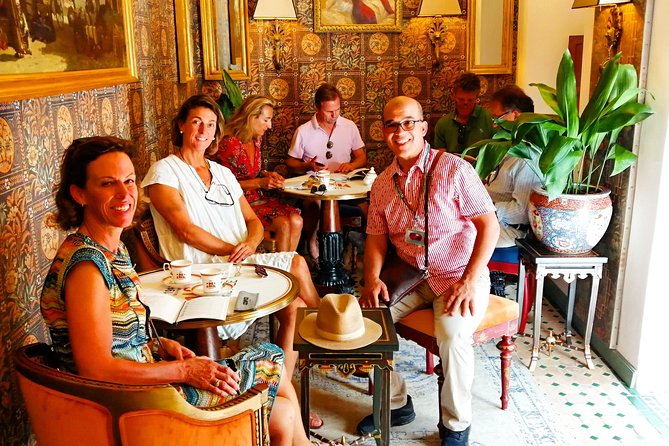
At $27 per person, this is a modestly priced introduction to Marrakech’s souks. The value comes less from admission fees, since the listed stop has free entry, and more from the guide’s time, navigation help, shopping advice, workshop access, and included drink.
The price makes particular sense for a first visit. If you are worried about getting lost, uncertain about bargaining, or interested in crafts beyond the main souvenir stalls, a guided introduction can save frustration. It may also help you identify areas you want to revisit on your own.
The value is weaker if you already know the souks well or prefer to shop without an escort. You can enter Jemaa el-Fnaa and explore the market independently, and the tour does not include a long list of paid sights. You are paying for access, interpretation, and confidence rather than a major attraction ticket.
With a 4.9 rating from 75 ratings and a 97 percent recommendation rate, the experience has a strong overall record. Those numbers should encourage interest, not remove the need for judgment. The mixed account about aggressive selling is exactly why your expectations matter.
Who should book this experience?
I would recommend it to first-time visitors who want a manageable introduction to the medina. It also suits shoppers looking for handmade slippers, textiles, ceramics, lamps, or silver jewelry and anyone who wants help locating particular types of craft.
The tour may work well for people who enjoy meeting artisans and learning how goods are presented for sale. The family cooperative and workshop visits give the outing more character than a simple walk through rows of shops.
I would be more cautious if you have only a short shopping list, dislike bargaining, or want a quiet history walk. The supplied details focus on crafts and purchasing, not on monuments or formal historical commentary. The route begins and ends at Jemaa el-Fnaa, so it is easy to fit into a day of exploring the medina, but it is still an active market visit.
Most people can participate, service animals are allowed, and the tour is near public transportation. The information does not provide detailed mobility notes for the narrow souk lanes, so ask the provider directly if you have specific access needs.
Booking, timing, and cancellation
The experience lasts about three hours and is booked, on average, 72 days ahead. That advance booking pattern suggests you should reserve early if your Marrakech dates are fixed, especially during a busy travel period.
Free cancellation is available if you cancel at least 24 hours before the local start time. Cancellations or changes made less than 24 hours ahead are not accepted for a refund. That policy is simple, but check the local time carefully if your booking was made from another country.
Should you book the Marrakesh Untold Stories Shopping Tour?
Book it if you want the souks explained, not merely entered. The strongest reasons are the guide’s navigation skills, Ali’s reported bargaining help, the range of artisan visits, and the chance to see a Berber house, family textile cooperative, herbalist, and craft workshops in one short outing.
Skip it if shopping pressure sounds exhausting or if you prefer to wander independently. For everyone else, $27 is a fair price for a focused first look at Marrakech’s market crafts, provided you keep your purchases optional and your questions direct.
FAQ
Where does the tour begin?
It begins at Hôtel Restaurant Café de France, at J2G7+G2G, Jemaa el-Fnaa, Rue des Banques, Marrakech.
Where does the tour end?
The activity ends back at the meeting point at Hôtel Restaurant Café de France.
How long does the shopping tour last?
The tour lasts approximately three hours.
What is included during the workshop visits?
A refreshing drink is included at one of the workshops.
How many people can join the tour?
The activity has a maximum group size of 20 people.
Can I cancel for a full refund?
Yes. You can cancel at least 24 hours before the experience start time for a full refund. Cancellations or changes made less than 24 hours before the start time are not accepted for a refund.
Just listed around Marrakech
- Zagora: 2-Day Desert Trip from Marrakech★ 4.4 · 31 reviews
- Traditional spa Hammam & Massage with Hotel Transfers★ 4.0 · 24 reviews
- Day trip to OUZOUD waterfall with guide&boat ride from Marrakech★ 5.0 · 172 reviews
- quad bike tour in the palmeraie of Marrakech★ 4.5 · 43 reviews
- Half day quad desert agafay★ 4.5 · 24 reviews
- walking tour★ 5.0 · 46 reviews
- private tour of Marrakech 4 hours with multilingual driver★ 5.0 · 117 reviews
- 3 days tour from Marrakech to Merzouga desert★ 5.0 · 55 reviews
Shopping Tours, compared.
Traditional Moroccan Cooking Class & Market Visit
Read our review →
Moroccan Cooking Class & Marrakech Market Visit with Chef Khmisa
Read our review →
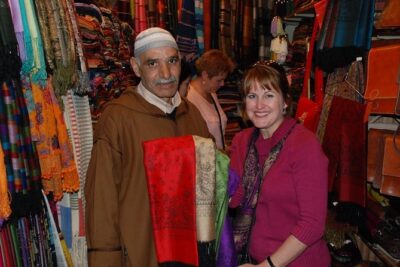
Shopping in the Souks of Marrakech Private Tour
Read our review →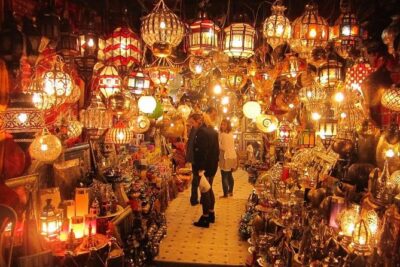
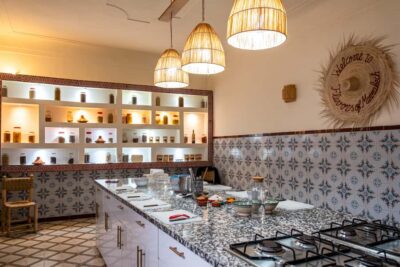
Moroccan Cooking Class with Market Visit and Meal
Read our review →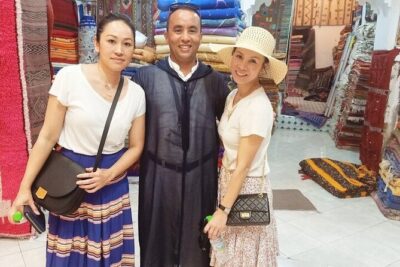
Evening Marrakech: Gastronomic and Market Tour Inside the Medina
Read our review →Browse the lists this tour appears in