
Reviewed · COOKING CLASSES
Moroccan Cooking Workshop in Marrakech
Cook it, then eat it. This short workshop at La Maison Arabe gives you more than a restaurant meal: you prepare Moroccan food with a local cook, using fresh ingredients and your own workstation. I like the personal setup, which lets you work without crowding, and I like the mix of food instruction and Moroccan customs, especially the tea ceremony. The main drawback is the brief one-hour format, which leaves little time for a leisurely lesson.
The setting at Hotel La Maison Arabe adds polish without taking away the hands-on feel. Staff members such as Hasna, Wafa, Fatiha, Mohammad, and Dada Habiba are praised for being warm, patient, and helpful. You should also note that children under 12 cannot join for safety reasons, and the advertised class capacity is a maximum of two people.
In This Review
- Key points at a glance
- Arriving at Hotel La Maison Arabe
- The Moroccan tea ceremony sets the tone
- Watching Moroccan bread take shape
- Cooking with the Dada
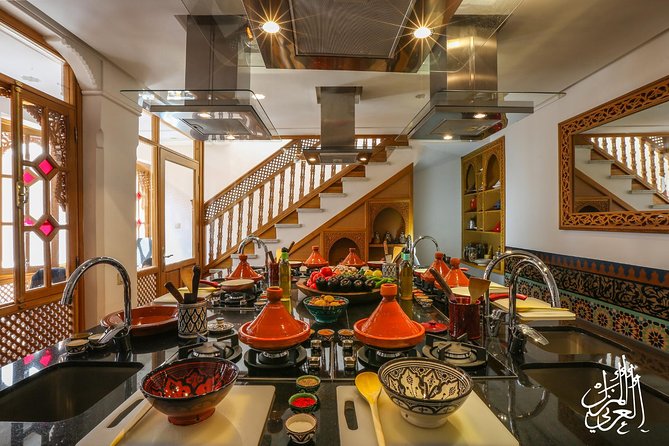
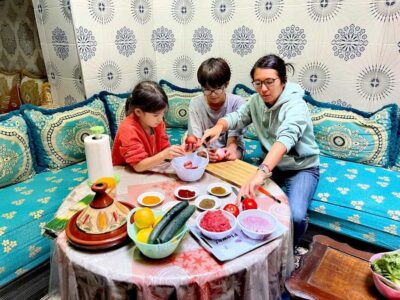
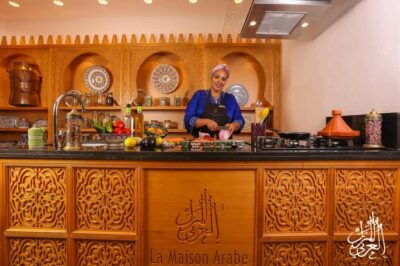
- Individual workstations make the lesson easier
- Tasting your own Moroccan meal
- Why the one-hour class can work
- The cultural value goes beyond the recipe
- Who should book this Marrakech cooking class?
- Useful planning details before you book
- My verdict: book it for a practical taste of Marrakech
- FAQ
- Where does the Moroccan cooking workshop begin and end?
- How long does the cooking workshop last?
- What is included in the experience?
- Are drinks included?
- Can children join the cooking class?
- What is the cancellation policy?
Key points at a glance
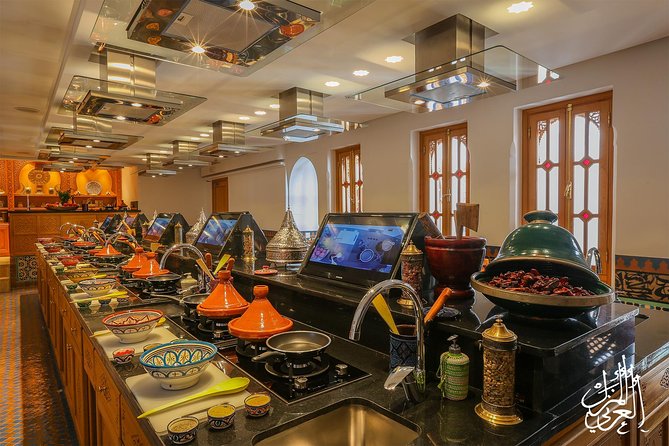
- Your own cooking station: La Maison Arabe provides individual work areas, a useful touch for solo visitors and couples who want to follow each step closely.
- A Moroccan tea ceremony: The class begins with tea, including an introduction to the customs behind preparing and serving it.
- Cooking with a Dada: A traditional Moroccan cook leads the food preparation, while a French and/or English interpreter helps explain the process.
- A meal made by you: The prepared food is tasted afterward, turning the lesson into lunch or a substantial food break.
- One-hour and longer options: The one-hour class suits a packed Marrakech schedule, while longer lessons are available for people who want more time in the kitchen.
- A central meeting point: You meet and finish at Hotel La Maison Arabe, at 1 Derb Assehbi in Marrakech.
Arriving at Hotel La Maison Arabe
The workshop begins at Hotel La Maison Arabe, a well-known address at 1 Derb Assehbi. You make your own way there, since transportation to and from attractions is not included. The hotel is near public transportation, which helps if you are not staying within easy walking distance.
I would arrive a little early. One visitor specifically recommends allowing time for a coffee, tea, or cold drink at the hotel before class, and the setting is worth seeing without rushing through the entrance. This is not a street-food lesson in a market stall. It is a more polished cooking school experience, with an orderly workspace and attentive service.
At the start, a French and/or English interpreter welcomes you and explains how the class will work. The workshop may be led by a multilingual guide, so language support is built into the experience. That matters in a cooking class, where a small misunderstanding about heat, timing, or spice can change the finished dish.
The listed group limit is two people, which suggests a highly personal lesson. One account describes a larger class, so the exact group arrangement may vary by date or session. If privacy and a quiet workstation are important to you, confirm the size when booking.
More Cooking Classes in Marrakech
- Marrakech: Moroccan Cooking Class with Pickup
★ 4.6 · 1,862 reviews - Marrakech: Traditional Moroccan Cooking Class & Market Visit
★ 4.8 · 1,861 reviews - Marrakesh: Moroccan Dishes Cooking Class with a Local Chef
★ 5.0 · 1,615 reviews
The Moroccan tea ceremony sets the tone
The first formal part of the class is a Moroccan tea ceremony. This is not simply a drink handed to you while the ingredients are being prepared. Tea has its own method and social meaning, and the workshop uses it to introduce you to an everyday part of Moroccan hospitality.
You get afternoon tea as part of the experience. The ceremony also gives the interpreter a natural opening to explain local customs before the cooking begins. That extra cultural layer is one reason this class feels more useful than a basic recipe demonstration.
The pace here should be comfortable, but keep the one-hour length in mind. The ceremony takes part of your session, so you are not signing up for a full culinary school day. Instead, you get a compact introduction that connects the food on your plate with Moroccan habits at home and in restaurants.
Watching Moroccan bread take shape
Next comes a demonstration of Moroccan bread making. The supplied details do not promise that you will personally mix and bake the bread, so I would treat this as a demonstration rather than a separate hands-on bread lesson.
Still, it is a smart part of the program. Bread is a familiar and useful entry point into Moroccan cooking, and seeing the method helps you understand the meal beyond the tagine pot. You can watch the technique, then focus your own time on the dishes selected for the cooking workshop.
This section also helps break up the class. You are not standing at a counter chopping for the entire hour. The session alternates between explanation, demonstration, preparation, and eating, which suits you if you want cultural context along with practical food skills.
Cooking with the Dada
The central lesson is led by a Dada, the traditional Moroccan cook. The instructor guides you through the preparation while the interpreter explains the steps in French and/or English. The staff are repeatedly praised for being patient, friendly, and willing to come around when someone needs help with a particular stage.
That support is important for first-time cooks. You do not need to arrive with a working knowledge of Moroccan cuisine. Mohammad is praised for explaining the spices used in Moroccan food, while Hasna is singled out for helping with interpretation and cultural information. Wafa and Fatiha are also praised as kind and considerate instructors.
The menu can include tagine. One participant prepared chicken in a tagine and planned to make it again at home, while another appreciated being able to adjust the food to personal taste, including adding plenty of garlic. The exact menu should not be assumed in advance, but tagine is clearly one of the central possibilities.
Some accounts describe preparing a starter, a main dish, and a side, with the staff handling dessert. That sounds like a fuller menu than you might expect from a one-hour session, but the precise dishes and amount of hands-on preparation can change. The key point is that you are not merely watching a chef work. You take part in making food that you later eat.
Same city gate, a very different afternoon:
- Marrakech: Agafay Desert Sunset, Camel Ride, and Dinner Show
★ 4.6 · 35,119 reviews - From Marrakech: Ouzoud Waterfalls Guided Hike and Boat Trip
★ 4.7 · 33,630 reviews - Marrakech: Agafay Desert Quad & Camel Rides with Dinner Show
★ 4.8 · 27,382 reviews - Marrakech: Agafay Desert Quad Biking Tour with Dinner-Show
★ 4.8 · 16,569 reviews
Individual workstations make the lesson easier
The individual workstations are one of the best practical features. You can keep track of your own ingredients and follow the cook’s instructions without reaching across a shared table. For a solo participant, this setup is especially appealing. One person specifically found the class comfortable and suitable for a solo visit.
It also works well for couples and parent-child pairs. A 14-year-old joined with a parent and enjoyed the class, though children under 12 are not permitted for safety reasons. That age rule is firm, so families should plan around it.
The professional setup also reduces the mild chaos that can come with group cooking. You can ask for help, make adjustments to your food, and see what you are doing. The class still has a social element at the tasting, but the preparation itself gives you room to concentrate.
Tasting your own Moroccan meal
After the cooking, you sit down to taste the food you prepared. The experience includes food tasting and lunch, so this is more than a token sample. The meal is the payoff for the work, and it gives you a chance to judge the spices and textures while the process is still fresh in your mind.
This is where the workshop earns much of its appeal. Eating tagine in Marrakech is easy. Learning enough about the ingredients and method to try it at home gives the meal a longer life after your holiday. Several participants left eager to recreate the dishes, especially the tagine.
The food is prepared to your taste within the limits of the lesson. That is useful if you prefer more garlic or want to pay close attention to the spice balance. You should not expect a fully personalized menu, but you do have some influence over the dish you are preparing.
Wine may be offered as an optional discovery of Moroccan wines. Drinks are otherwise listed as not included, so do not assume wine or extra beverages are part of the basic price. Ask about the optional wine before you sit down if that matters to you.
Why the one-hour class can work
At about $34.76 per person, the one-hour workshop is good value if you want a compact, organized food experience. You receive a tea ceremony, a bread demonstration, instruction from a Moroccan cook, hands-on preparation, and a meal. The individual station and interpretation add value that you would not get from simply ordering a tagine at a restaurant.
The tradeoff is clear: one hour moves quickly. You may learn the core method and taste the result, but you will not have time for long conversations, repeated attempts, or a detailed lesson on every Moroccan dish. If cooking is a central interest rather than a short holiday activity, choose one of the longer class options if available for your date.
The short version is particularly useful on a day packed with souks, palaces, museums, or an evening departure. One couple chose the one-hour session because they had a flight the same day and could not fit the three-hour option. They still found the class full of information and worthwhile.
The experience is also priced reasonably for a hotel-based activity with food included. You are paying for instruction, ingredients, staff assistance, tea, and the meal you eat afterward. For visitors who want a practical memory rather than another sightseeing stop, that is a fair exchange.
The cultural value goes beyond the recipe
A strong cooking lesson should explain not only what to do, but why the food matters. This workshop includes information about Moroccan people, food customs, tea, and spices. The tea ceremony and bread demonstration help place the cooking in a wider daily setting.
I like that the workshop does not treat Moroccan cuisine as a list of exotic ingredients. The cooks explain how spices are used, and the interpreter helps connect the kitchen work to local culture. Even in one hour, you get a better sense of how Moroccan food is built from familiar techniques, careful seasoning, and shared meals.
The setting also gives the activity a calm contrast to the noise of central Marrakech. You still meet local cooks and learn from them, but you do so in a professional hotel environment. That makes the workshop a good choice if you want authentic instruction without the uncertainty of buying ingredients or finding your way through a busy market kitchen.
Who should book this Marrakech cooking class?
I would recommend it to several types of visitors:
- First-time visitors to Marrakech who want a food activity with cultural context.
- Solo visitors who value an individual workstation and personal assistance.
- Couples looking for a shared activity that ends with a meal.
- Families with older children, provided every child is at least 12.
- Busy sightseers who can spare only one hour.
- Home cooks who want a Moroccan tagine or similar dish to recreate later.
It is less suitable if you want a long, relaxed cooking day with many recipes. The one-hour version gives you a taste of the method, not an extended course. You should also be comfortable making your way to the hotel independently, since transport is not provided.
Useful planning details before you book
Confirmation is sent within 48 hours, subject to availability. The activity begins and ends at Hotel La Maison Arabe, so you do not need to arrange a separate return transfer.
The experience is mobile-ticket friendly. Free cancellation is available if you cancel at least 24 hours before the local start time. Cancellations or changes made within 24 hours are not refunded or accepted, so check your Marrakech plans before committing.
The class is recommended by 100 percent of its published participants and carries a five-star rating from 407 reviews. The most consistent praise centers on the warmth of the staff, the excellent food, the clean professional workspace, and the fact that the lesson feels both fun and useful.
I would book as early as your schedule allows. The typical booking lead time is about 21 days, which suggests that popular dates can fill before your arrival. If you want a longer class, ask specifically about the duration rather than assuming the one-hour session includes every possible dish.
My verdict: book it for a practical taste of Marrakech
I recommend the Moroccan Cooking Workshop at La Maison Arabe, especially at $34.76 if you want a short activity that combines food, culture, and a real meal. The staff care about teaching, the individual workstations make the class comfortable, and the tea ceremony gives the hour more substance than a simple recipe lesson.
Book it if you want to return home with more than photographs of tagine. Skip it only if your schedule cannot spare the time, you need transport included, or you want a long cooking course rather than a brisk introduction. For most food-minded visitors, this is an easy way to turn a Marrakech meal into a skill you can use again.
FAQ
Where does the Moroccan cooking workshop begin and end?
It begins at Hotel La Maison Arabe, 1 Derb Assehbi, Marrakesh 40000, Morocco. The activity ends back at the same meeting point.
How long does the cooking workshop last?
The listed experience lasts approximately one hour. Longer cooking class options are also available, so check the selected duration when booking.
What is included in the experience?
The package includes afternoon tea, food tasting, and lunch. It also lists live commentary and live entertainment as included.
Are drinks included?
Drinks are listed as not included. A discovery of Moroccan wines may be available as an optional part of the tasting.
Can children join the cooking class?
Children under 12 are not permitted in the cooking classes for security reasons. An older child, such as a 14-year-old, may participate.
What is the cancellation policy?
You can cancel at least 24 hours before the local start time for a full refund. Cancellations or changes made less than 24 hours before the start are not accepted and are not refunded.
More Workshops in Marrakech
- Moroccan Cooking Class & Marrakech Market Visit with Chef Khmisa
★ 5.0 · 1,504 reviews - Half-Day Cooking Class with Local Chef Laila in Marrakech
★ 5.0 · 952 reviews - Marrakech: Pottery Workshop with Moroccan Tea
★ 4.8 · 756 reviews - Marrakech: Moroccan Cooking Class with a Local Family
★ 4.9 · 668 reviews
Just listed around Marrakech
- 3 Days To Merzouga Desert★ 5.0 · 19 reviews
- 3 Days Shared Sahara Desert Tour From Marrakech★ 5.0 · 78 reviews
- 1 night Camel Treking in Merzouga Desert Luxury Camp★ 5.0 · 132 reviews
- 3 Days Sahara Desert Trips From Marrakesh★ 5.0 · 176 reviews
- 3 Days Sahara Tour from Marrakech to Merzouga Dunes★ 5.0 · 29 reviews
- trip of your dreams in 3 days and 2 nights in the desert★ 5.0 · 36 reviews
- 3 Days Private Tour to Merzouga Desert from Marrakech★ 5.0 · 77 reviews
- 3 Days Merzouga Sahara Tour & Camel Trek★ 5.0 · 54 reviews
Cooking Classes, compared.
Traditional Moroccan Cooking Class & Market Visit
Read our review →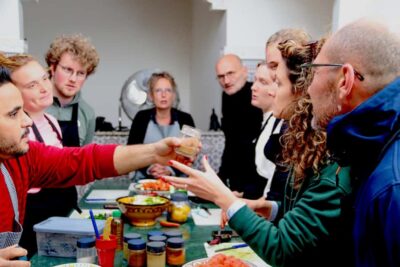
Moroccan Dishes Cooking Class with a Local Chef
Read our review →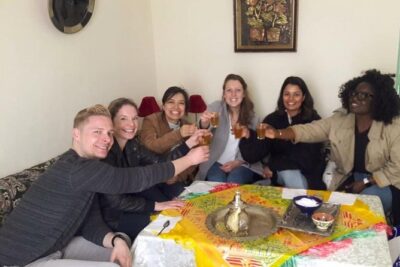
Moroccan Cooking Class & Marrakech Market Visit with Chef Khmisa
Read our review →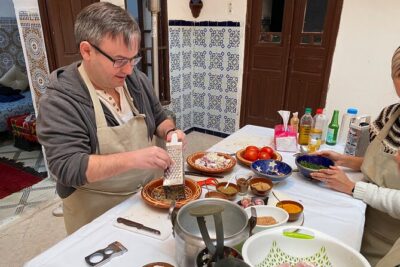
Half-Day Cooking Class with Local Chef Laila in Marrakech
Read our review →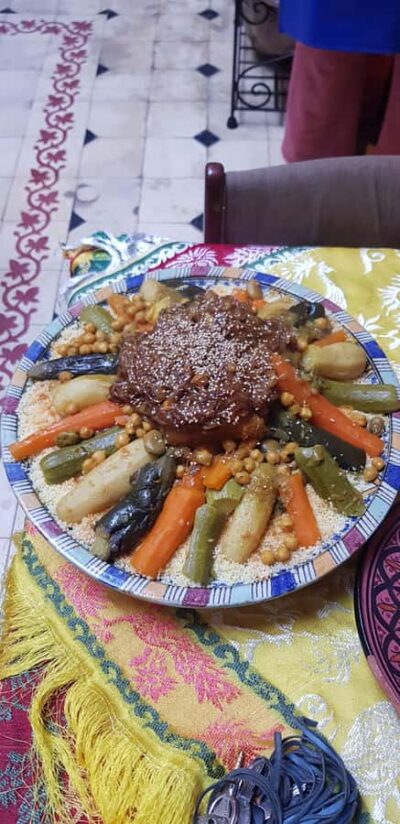
Browse the lists this tour appears in