
Reviewed · SAHARA DESERT TOURS
Zagora Desert: 2-Day 1-Night Desert Expedition to Remember
Desert sunsets are worth an early start. This two-day Zagora trip packs Morocco’s Atlas Mountains, Ait Ben Haddou, Ouarzazate, the Draa Valley, and a camel ride into one fast-moving route. I especially like the chance to sleep in a Berber camp and see the stars far from Marrakech, and I like the way the trip gives you a taste of desert life without requiring several days on the road.
The main tradeoff is time. You spend many hours in a minivan, and Ait Ben Haddou can feel rushed. Zagora also has more rock and firm ground than towering sand dunes, so you should not expect the sweeping dunes of Merzouga. The camel ride can be uncomfortable, too, especially during the hour-long evening trek.
In This Review
- Key points to know before booking
- What the $181 price really buys you
- Leaving Marrakech for the High Atlas
- Ait Ben Haddou, Morocco’s film-famous fortified village
- Ouarzazate and the road through the Draa Valley
- Arriving in Zagora for the sunset camel ride
- Dinner, music, and a cold night at the camp
- Sunrise, breakfast, and the shorter camel ride back
- The return to Marrakech takes most of the day
- Comfort, mobility, and the group experience
- What to pack for Zagora
- Who should book this two-day desert trip?
- FAQ
- How long is the Zagora desert tour?
- Where does the tour depart from?
- What is included in the price?
- Are lunches included?
- How long is the camel ride?
- Is the tour available in English?
- Should you book the Zagora expedition?
Key points to know before booking
- The desert is close enough for a two-day trip: Zagora offers a practical taste of Morocco’s desert without the longer journey to Merzouga.
- Ait Ben Haddou is a major highlight: The UNESCO-listed fortified village has appeared in films including Lawrence of Arabia, The Mummy, and Kundun.
- The camel ride lasts about an hour at sunset: You ride back for roughly 20 to 25 minutes after sunrise.
- The camp is the evening’s reward: Expect dinner, breakfast, tea, music, local hospitality, and excellent stargazing when skies are clear.
- The drive is long but scenic: Atlas passes, the Anti-Atlas, the Draa Valley, palm groves, and desert towns fill the route.
- Bring layers and cash: Nights can be very cold, and lunches, drinks, local guides, and optional extras cost more.
What the $181 price really buys you
At about $181 per person, this tour is priced as a bundled introduction to southern Morocco. You get hotel pickup and drop-off, an air-conditioned minivan or minibus, a professional driver and guide, the camel trek, one night at camp, dinner, and breakfast.
I see the value in that package if you have only two days. Arranging separate transport to Ait Ben Haddou, Ouarzazate, and Zagora would take more planning, and the return journey can be awkward without a driver. A small group of up to 16 people also gives you a more manageable trip than a large coach excursion.
The price does not cover lunch, drinks, or the local guide at Ait Ben Haddou. Lunch is listed at about €10, drinks at about €2, and the local guide at Ait Ben Haddou costs €2 per person. A scarf is an optional €5 purchase. Keep cash handy because several stops accept cash only.
Lunch is one area where you should keep expectations in check. The restaurants used on the route can be convenient but pricey for Morocco, and the food may be ordinary. I would carry snacks and water, then decide at each stop if the set restaurant suits you.
More Sahara nights out of Marrakech:
- From Marrakech: 3-Day Merzouga and Sahara Desert Tour
★ 4.9 · 15,308 reviews - From Marrakech: Merzouga 3-Day Desert Safari with Food
★ 4.7 · 12,232 reviews - 3 Days Desert Tour From Marrakech To Merzouga Dunes & Camel Trek
★ 5.0 · 10,125 reviews
Leaving Marrakech for the High Atlas
The first morning begins with pickup between 7 and 8 am from Marrakech. You may also begin in Ouarzazate, depending on your booking and route. Confirm the meeting details before departure, since the operator contacts you with the exact pickup information.
The road climbs toward the Atlas Mountains, with valleys and high passes providing the first big change from Marrakech. The scenery is one of the strongest reasons to accept the long drive. You are not simply being transported to a camel ride. The route shows how quickly Morocco shifts from city streets to mountain villages, dry slopes, palm-filled valleys, and open desert.
The minivan matters here. You will spend a large portion of both days sitting, and a clean, air-conditioned vehicle makes the journey much easier. Drivers receive some of the highest praise, particularly Bijad, Ayoub, Idriss, Faysal, Alae, Kamal, and others who helped with stops, directions, photos, and group comfort.
Still, this is not a slow road trip. Stop times can be brief, especially when the group needs to reach Zagora before sunset. You may wish for longer at the most important sights, so bring patience and use each stop well.
Ait Ben Haddou, Morocco’s film-famous fortified village
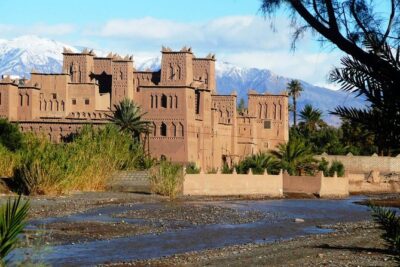
Ait Ben Haddou is usually the day’s most important cultural stop. The ksar, or fortified village, sits along the old caravan route between Marrakech and the Sahara. Its packed-earth buildings rise in clustered forms above the surrounding area, giving you a clear sense of why filmmakers have used it as a backdrop.
The village appeared in Lawrence of Arabia, Bandits of Time, Kundun, The Mummy, and other productions. The film connection is fun, but it should not overshadow the place itself. Ait Ben Haddou shows how fortified settlements once protected people, goods, and trade routes crossing southern Morocco.
You will have time for photographs and a visit through the village. A local guide costs an additional €2 per person. I consider that a small but worthwhile charge if you want explanations about the buildings, the route through the ksar, and the film locations.
The common complaint here is not the site itself but the limited time. If you want detailed photographs or a relaxed walk, the stop may feel hurried. Wear comfortable shoes, since the path can involve uneven ground and some walking. Lunch follows at a restaurant across from the kasbah, which is convenient but not always the best value.
Ouarzazate and the road through the Draa Valley
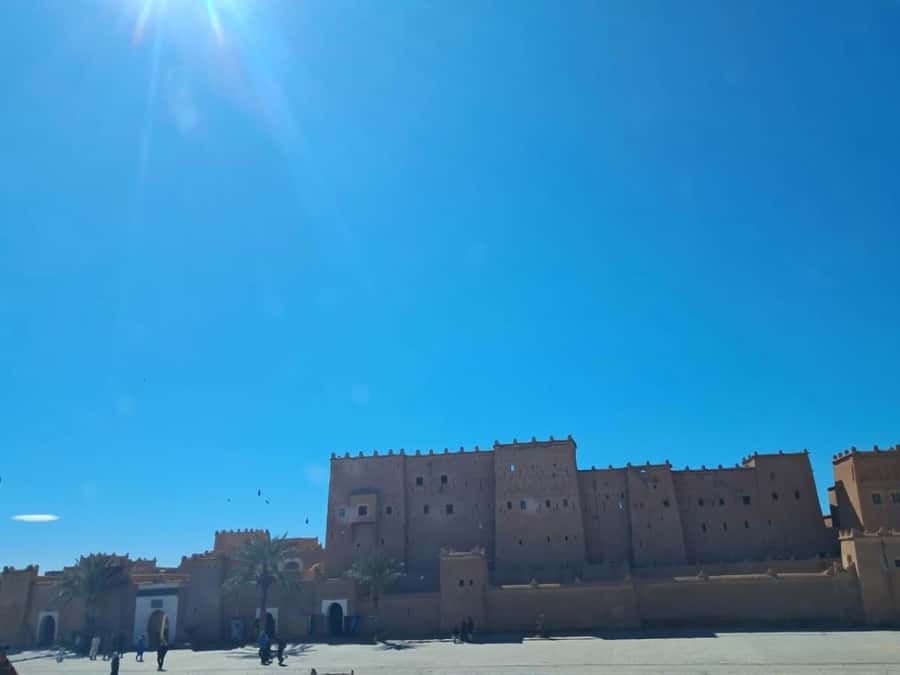
After Ait Ben Haddou, the route continues to Ouarzazate. The city is known for its film studios, sandstone buildings, and dry surroundings. It works as a useful pause between the mountains and the desert, though the schedule gives you only about 20 minutes on the return journey if you choose to visit a sight.
On the first day, the bigger pleasure comes from the drive beyond the city. You cross the Anti-Atlas through the Tizi N Tnifift pass, then reach the valleys of Agdz and the Draa Valley. This is a striking change of scenery, with palm groves and villages appearing in an otherwise dry setting.
The Draa Valley helps explain how life developed in this part of Morocco. Water, palms, and settled villages create a narrow strip of cultivation through a dry region. The views are best enjoyed from the vehicle, though your driver may add short photo or rest stops along the way.
You may visit the Kasbah of Taourirt or the cinema museum on the second day, depending on timing. The schedule is tight, so treat this as a short cultural stop rather than a full museum visit.
More things to do after dark in Marrakech:
- Marrakech: Agafay Desert Sunset, Camel Ride, and Dinner Show
★ 4.6 · 35,119 reviews - Marrakech: Agafay Desert Dinner Show with Sunset Camel Ride
★ 4.8 · 3,330 reviews - Marrakech: Street Food Tour by Night
★ 4.8 · 2,838 reviews - Agafay Desert: Dinner + Show with Quad Bike & Sunset Camel Ride
★ 4.5 · 2,669 reviews
Arriving in Zagora for the sunset camel ride
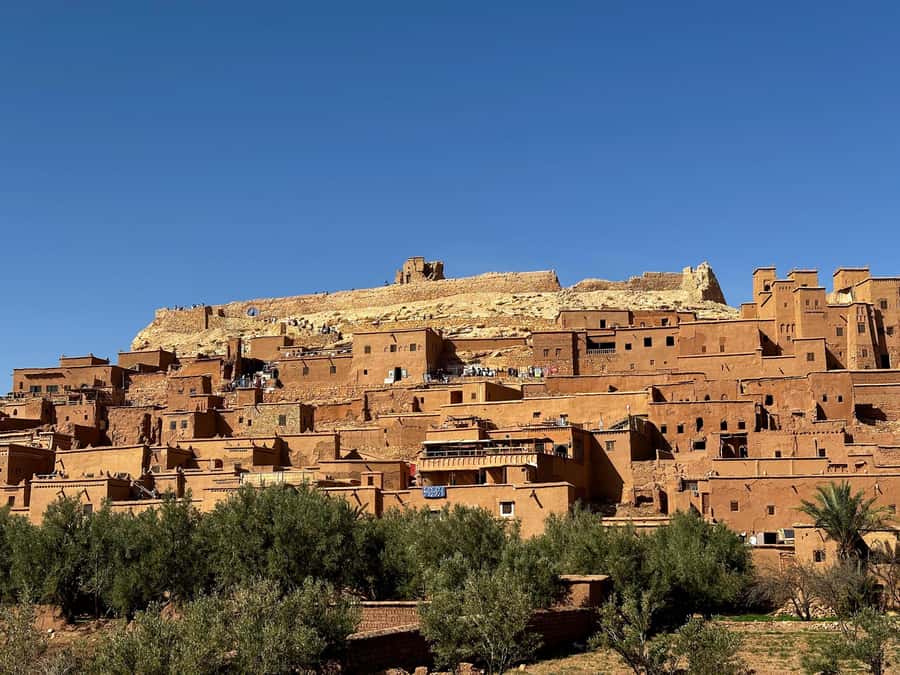
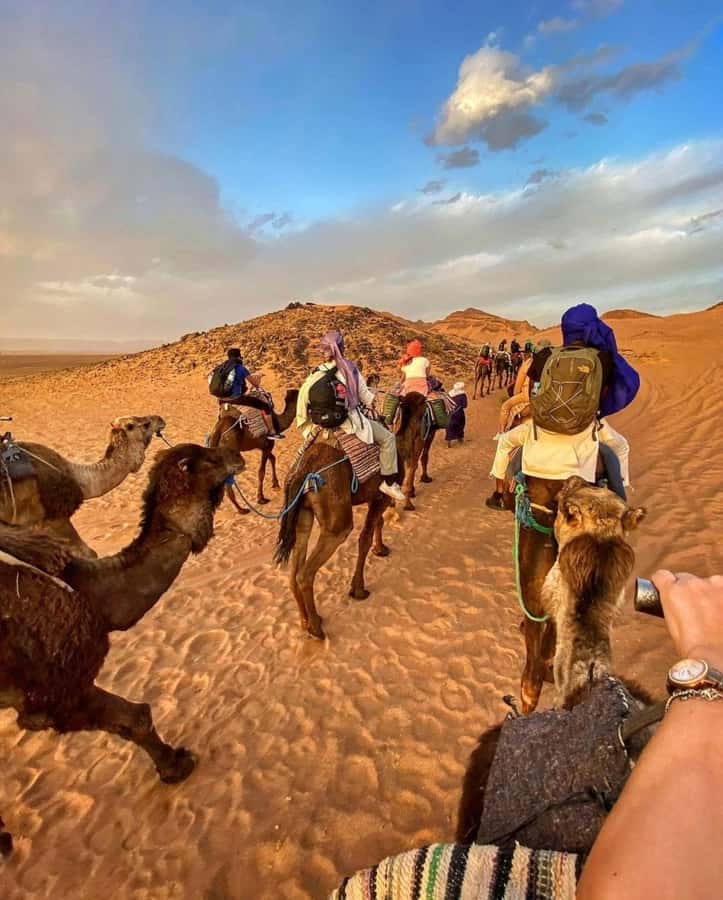
The group reaches Zagora in time for the evening camel ride. This is the moment many people picture when they book a desert tour: you climb onto a well-trained camel and cross the open ground while the sun drops toward the horizon.
Set your expectations correctly. Zagora is often described as a half-rock, half-sand desert, and the dunes are less dramatic than those around Merzouga. You still get the desert atmosphere, but you may not see tall, rolling sand hills stretching in every direction.
The evening camel ride lasts about an hour. That is long enough for a real experience, but it can be hard on your back, hips, and thighs. Several people found the ride uncomfortable, so I suggest loose clothing, a secure day bag, and a willingness to take the experience at a steady pace rather than treating it like a quick photo stop.
A camel guide may be available as an optional extra. You can also ask about sandboarding at camp, an activity some visitors particularly enjoyed. It is a good option if you want something more active than sitting on a camel.
The ride is timed around sunset, so the group may spend less time at earlier stops in order to reach the camp before the light fades. I prefer that choice. A sunset arrival is one of the strongest parts of the trip, even if it means a shorter visit elsewhere.
Dinner, music, and a cold night at the camp
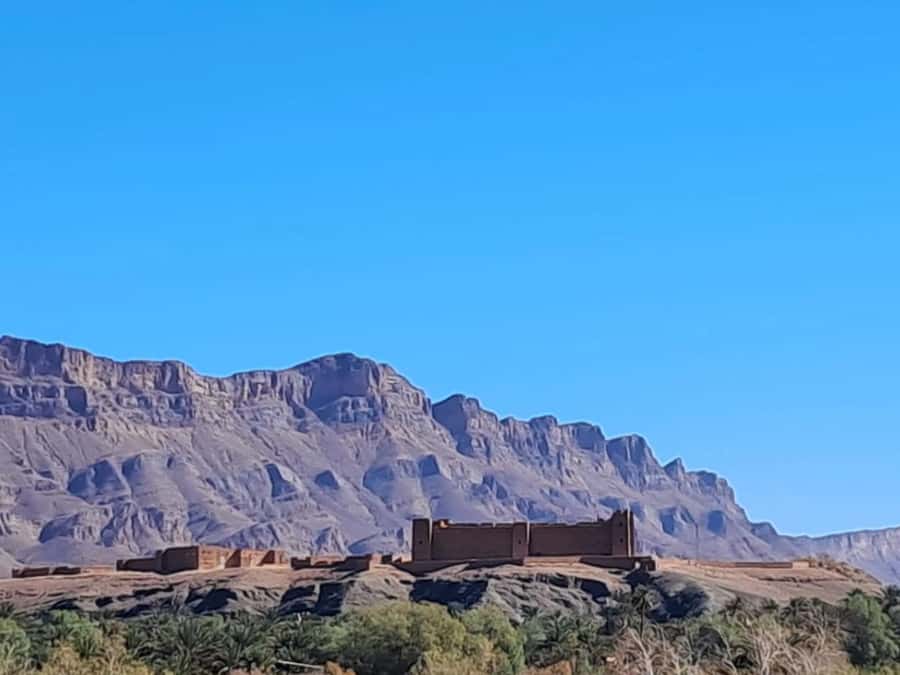
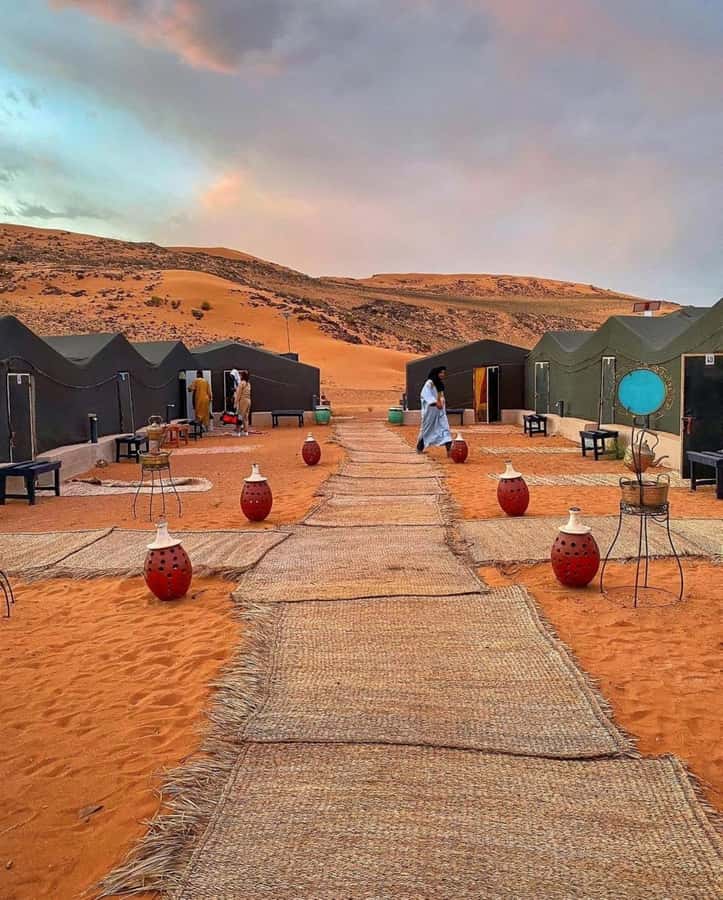
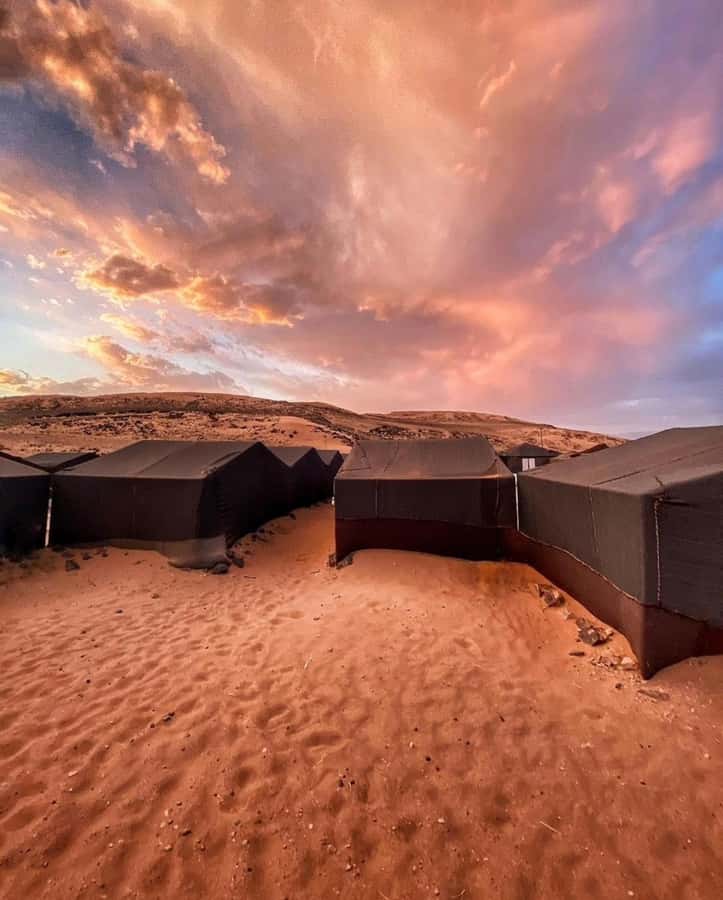
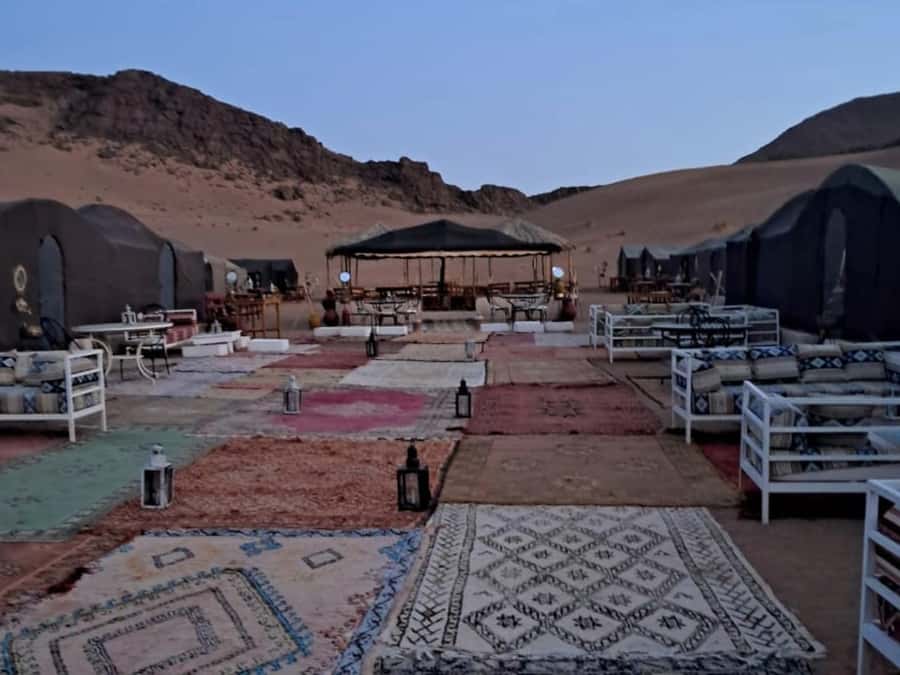
After the camel ride, you reach the Berber camp and settle into your tent. The camp atmosphere is usually warm and welcoming, with tea, dinner, local music, and time to look at the night sky. Several guides and camp staff were praised for making people feel comfortable and cared for.
Dinner and breakfast are included. The meal is described as hearty, with Moroccan dishes such as tagine mentioned in the tour experience. The evening may include drumming, storytelling, and a chance to learn about Amazigh culture, often called Berber in everyday tourism language.
The clearest skies can make stargazing the best part of the whole trip. There are no city lights from Marrakech to wash out the sky, and lying on the sand at night gives you a simple, memorable experience. Try to choose a night with a clear forecast if stargazing matters to you.
Do not underestimate the cold. The tents can feel very cold at night, even when the daytime sun is strong. Bring several warm layers and, if possible, an extra blanket. This is the most practical tip from the whole trip. Comfortable bedding does not replace warm clothing in a desert camp during a cold season.
Accommodation varies according to the option selected. The tour includes a Berber camp night, and a luxury camp stay is available when that option is chosen. Check the exact accommodation category before paying so you know what level of comfort to expect.
Sunrise, breakfast, and the shorter camel ride back
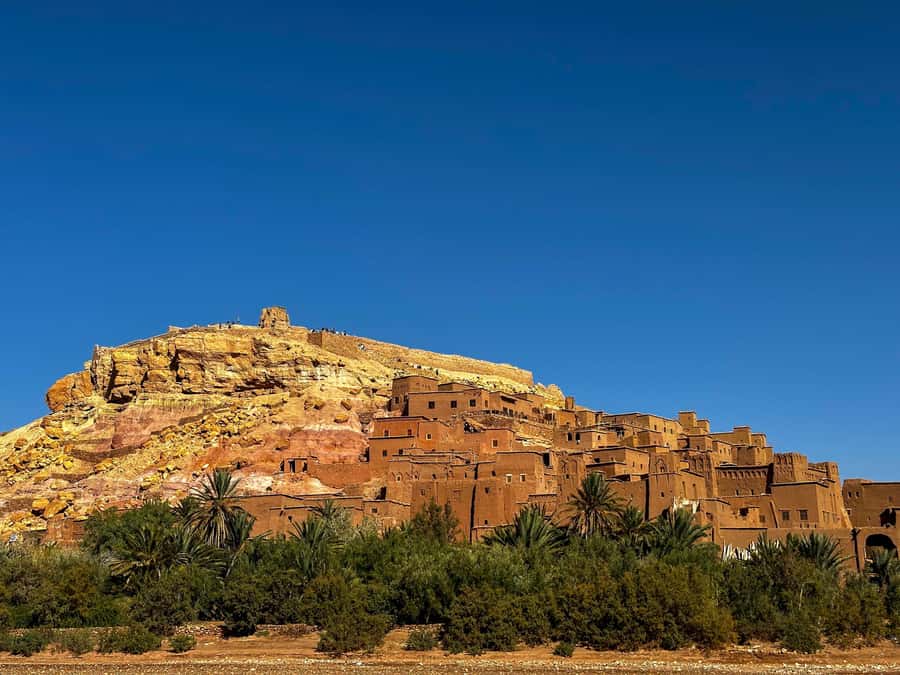
The second morning starts early. You wake around 7 am for sunrise and breakfast, then ride the camels back toward Zagora. The morning ride takes about 20 to 25 minutes, much shorter than the evening trip.
Sunrise gives you a different view of the desert. The cooler light picks out the shapes of the sand and rock, and the quiet makes a good contrast with the dinner and music of the previous night. If you do not want to ride, ask the camp staff what alternatives are available, but the tour specifically includes the camel return.
After reaching Zagora, you meet your driver and begin the long return by road. The route goes back through the Draa Valley and Anti-Atlas Mountains toward Ouarzazate, then continues to Marrakech.
The return to Marrakech takes most of the day
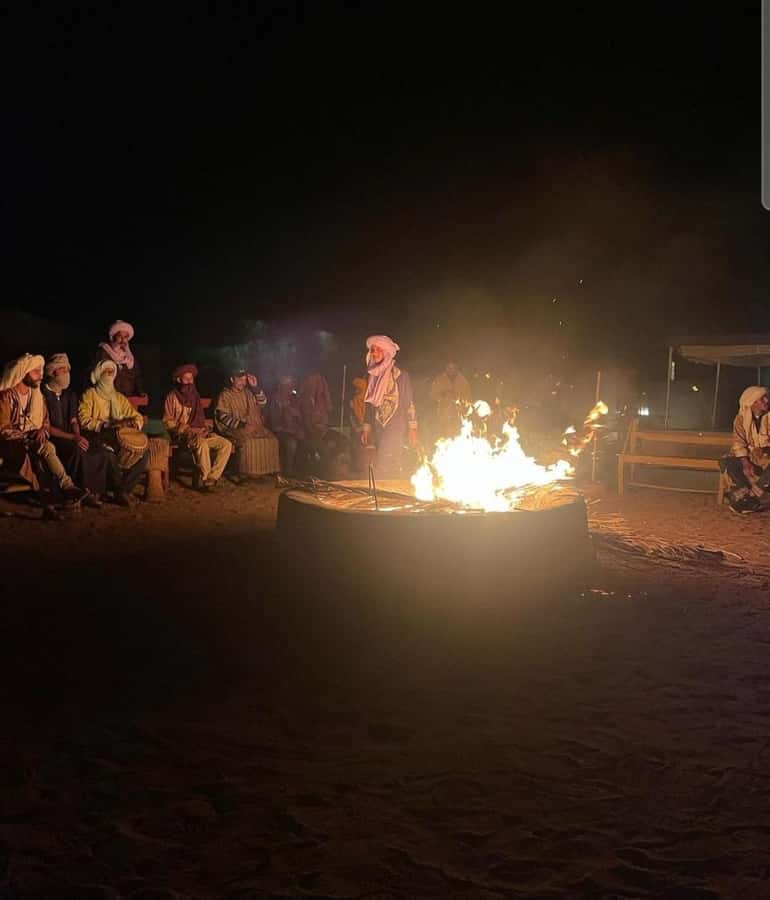
The second day is mainly a road journey. You may stop in Ouarzazate for the Kasbah of Taourirt or the cinema museum, then have lunch in Ouarzazate or in the mountains on the way to Marrakech.
Arrival in Marrakech is scheduled for about 6 pm. Delays can happen on a route this long, so avoid booking an important evening train, flight, or dinner reservation too close to that time. I would leave a buffer after the stated arrival.
The return drive can feel tiring after the early wake-up and camel ride. On the positive side, the route gives you another look at the valleys and mountain passes, and the drivers often make the long hours easier with conversation, music, and useful stops. Bijad, Idriss, Ayoub, Faysal, and Alae were repeatedly praised for being friendly, attentive, safe, and good at keeping the mood light.
Comfort, mobility, and the group experience
This trip is suitable for many families and first-time visitors, but it is not physically effortless. The camel ride can cause soreness, and the tour involves long periods in a vehicle, walking around Ait Ben Haddou, an early morning, and a cold night outdoors.
One person with mobility issues received help from the guides, though the camel ride was not suitable for that passenger. If you have limited mobility, contact the operator before booking and ask about the camel and camp arrangements. Do not assume that assistance removes every physical challenge.
A group of up to 16 keeps the trip fairly small, but it still affects the pace. The driver must balance different preferences, meal stops, photography, and the sunset schedule. Guides such as Bijad and Ayoub were praised for creating a friendly mood, while Faysal was noted for keeping people informed and checking on the group.
Languages offered include Arabic, English, French, and Spanish. The quality of the experience depends partly on the individual driver and guide assigned to your departure, but the repeated praise for several named team members is encouraging.
What to pack for Zagora
Keep your packing simple. You should bring:
- Comfortable shoes for Ait Ben Haddou and camp
- Several warm layers for the night
- A camera or phone
- Cash for lunches, drinks, guide fees, snacks, and optional purchases
- Water and snacks for the long drives
- A small backpack rather than a large bag
A small backpack is especially useful because the vehicle may not have room for bulky luggage. A scarf is available for about €5, but you can bring your own if you already have one.
The tour notes cash expenses, and some roadside shopping stops are aimed at visitors. Prices can be higher than elsewhere, so do not feel pressured to buy rugs, scarves, or souvenirs. Check the price before agreeing to anything.
Who should book this two-day desert trip?
I would choose this tour if you have limited time in Morocco and want several major sights in one package. It gives you Ait Ben Haddou, Ouarzazate, the Draa Valley, a sunset camel ride, desert dinner, sunrise, and a camp night without committing to a longer desert route.
It suits first-time visitors, couples, families comfortable with an active schedule, and anyone who wants an introduction to Amazigh culture and desert camping. It also works well for people who value convenience and would rather have transport, accommodation, meals, and guides arranged together.
I would choose a longer trip to Merzouga if your main goal is huge dunes and a slower desert stay. I would also think twice if you dislike long drives, cold nights, early mornings, or riding animals. The Zagora desert is real and memorable, but it is not the full dune-sea experience some people imagine.
FAQ
How long is the Zagora desert tour?
The tour lasts two days and includes one night at a desert camp.
Where does the tour depart from?
It can depart from Marrakech or Ouarzazate. Hotel pickup and drop-off are included, and the operator contacts you with meeting details.
What is included in the price?
The package includes an air-conditioned minivan or minibus, a professional driver and guide, hotel pickup and drop-off, the camel trek, one night in a Berber camp, dinner, and breakfast. A luxury camp option is available if selected.
Are lunches included?
No. Lunches are not included and are listed at about €10. Drinks are also extra, at about €2.
How long is the camel ride?
The evening camel ride takes about one hour. The return ride after sunrise takes about 20 to 25 minutes.
Is the tour available in English?
Yes. Guides are available in Arabic, English, French, and Spanish.
Should you book the Zagora expedition?
Book it if you want a compact desert experience with major southern Morocco sights and you can handle a packed schedule. The strongest moments are the sunset camel ride, the camp dinner and music, the clear night sky, and sunrise over the desert.
Skip it if you want tall dunes, long free time at each sight, or a restful holiday. For most people with only two days, though, the $181 price is fair for the transport, camp, meals, guides, and range of places covered. Bring warm clothes, cash, snacks, and realistic expectations about the camel ride, and Zagora can give you a memorable taste of Morocco beyond Marrakech.
More 2-Day Experiences in Marrakech
- From Marrakech: 2-Day Sahara Tour to Zagora & Ait Ben Haddou
★ 4.4 · 1,925 reviews - From Marrakech: 2-Days luxurious experience to Zagora Desert
★ 4.9 · 1,502 reviews - From Marrakech: Zagora 2-Day Desert Safari with Food & Camp
★ 4.5 · 1,137 reviews - Mt Toubkal Ascent Express Trek 2 Days 1 Nights
★ 4.7 · 962 reviews
Just listed around Marrakech
- 3 Days To Merzouga Desert★ 5.0 · 19 reviews
- 3 Days Shared Sahara Desert Tour From Marrakech★ 5.0 · 78 reviews
- 1 night Camel Treking in Merzouga Desert Luxury Camp★ 5.0 · 132 reviews
- 3 Days Sahara Desert Trips From Marrakesh★ 5.0 · 176 reviews
- 3 Days Sahara Tour from Marrakech to Merzouga Dunes★ 5.0 · 29 reviews
- trip of your dreams in 3 days and 2 nights in the desert★ 5.0 · 36 reviews
- 3 Days Private Tour to Merzouga Desert from Marrakech★ 5.0 · 77 reviews
- 3 Day Sahara Desert Tour From Marrakech★ 5.0 · 49 reviews
Sahara Desert Tours, compared.
3 Days Desert Tour From Marrakech To Merzouga Dunes & Camel Trek
Read our review →
3-Day Marrakech to Merzouga Desert Tour: Camel Rides & Overnights
Read our review →
3-Day Marrakech to Fes Sahara Desert Tour via Merzouga
Read our review →
3-Day Merzouga Desert Experience Camel & Meals
Read our review →
3-Day Tour to Merzouga Erg Chebbi with Food & Camel Trek
Read our review →Browse the lists this tour appears in