
Reviewed · FOOD & DRINK
Marrakech Night Street Food Tour / Taste The Real Marrakech
Come hungry, leave happily overwhelmed. This four-hour walk through Marrakech’s Medina and Kasbah gives you a generous introduction to Moroccan food, with local stops for tangia, harira, msemen, sardines, sweets, and fresh juice. I like the way the tour combines eating with stories about Moroccan customs, cooking, and daily life. I also like that the route reaches places you might not find on your own, rather than staying only around the best-known tourist stalls.
The main drawback is simple: there is a lot of food. Several people found the tour ran longer than the stated four hours, sometimes closer to five, and many struggled to finish every serving. The meeting point in front of Café de France is central, but one person had trouble spotting the guide, so confirm exactly where to stand before you arrive.
In This Review
- Key points at a glance
- Starting at Café de France after dark
- Msemen, harcha, and the first taste of Morocco
- Harira, chebakia, and the sweet side of the Medina
- Tangia, the dish worth saving room for
- Savory stops: stews, sardines, and Berber omelets
- Chfnj and the final wave of sweets
- A walking tour with a history lesson included
- What $56 buys you in real terms
- Who should book this four-hour food walk
- Booking details worth knowing before you go
- Should you book Taste the Real Marrakech?
- FAQ
- Where does the Marrakech night food tour meet?
- How long does the tour last?
- What food is included?
- Are drinks included?
- Can the tour accommodate allergies or vegetarian diets?
- How many people are in the group?
Key points at a glance
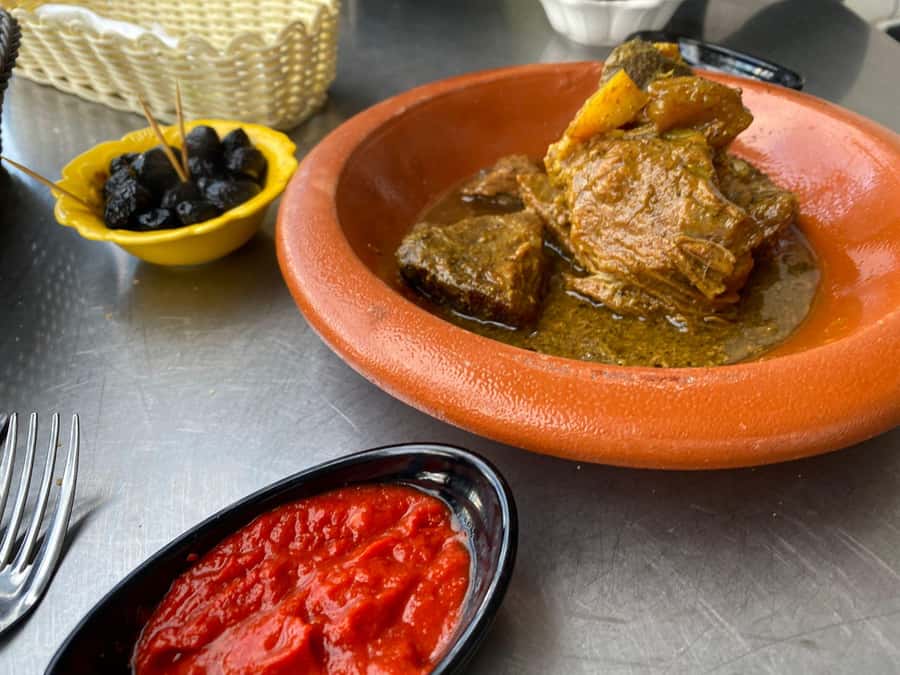
- Tangia cooked in hammam embers: This slow-cooked meat dish is a major highlight, with some guides preparing it specially for the group.
- A serious amount of food: You may taste around ten or more items, so skip a large meal before the tour.
- Small groups of up to 10: The size suits conversation and keeps the walking group manageable in the Medina.
- More than a food crawl: Guides such as Nour, Omar, Mohammad, Mustafa, and Khawla add stories about Moroccan culture, history, and local life.
- Local stops away from the main tourist flow: You visit modest eateries, family-run spots, alleyway stalls, and neighborhood places that are easy to miss.
- Good flexibility for dietary needs: Allergies should be shared in advance, and suitable vegetarian or vegan alternatives can be arranged.
Starting at Café de France after dark
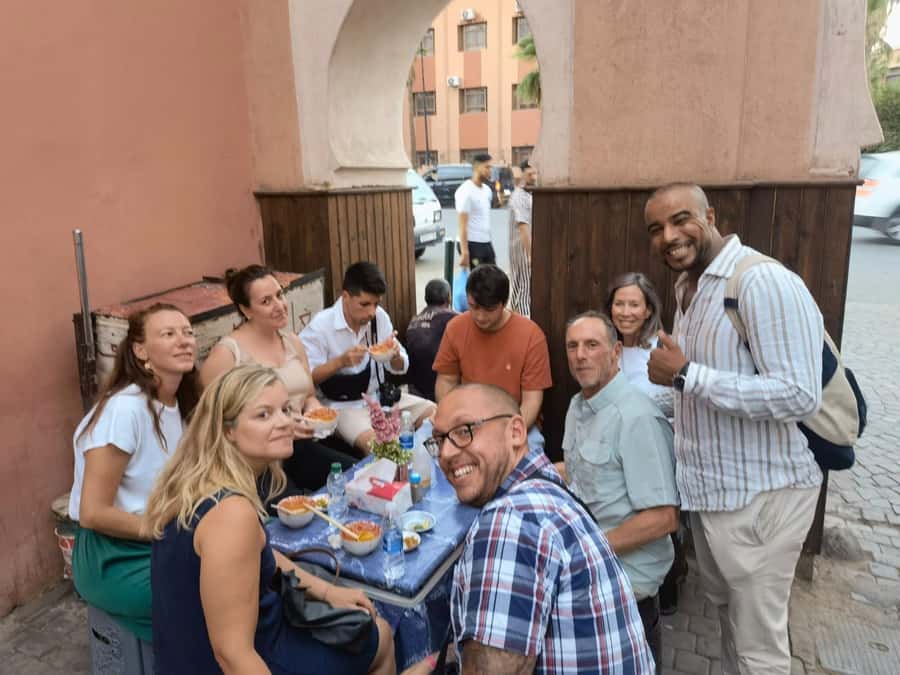
The tour begins in front of Café de France, a well-known meeting point in central Marrakech. It is a sensible place to start because you can reach it easily from the main square area, though the guide may not always be holding a sign. Look carefully, and use the contact details from your booking if the meeting point feels unclear.
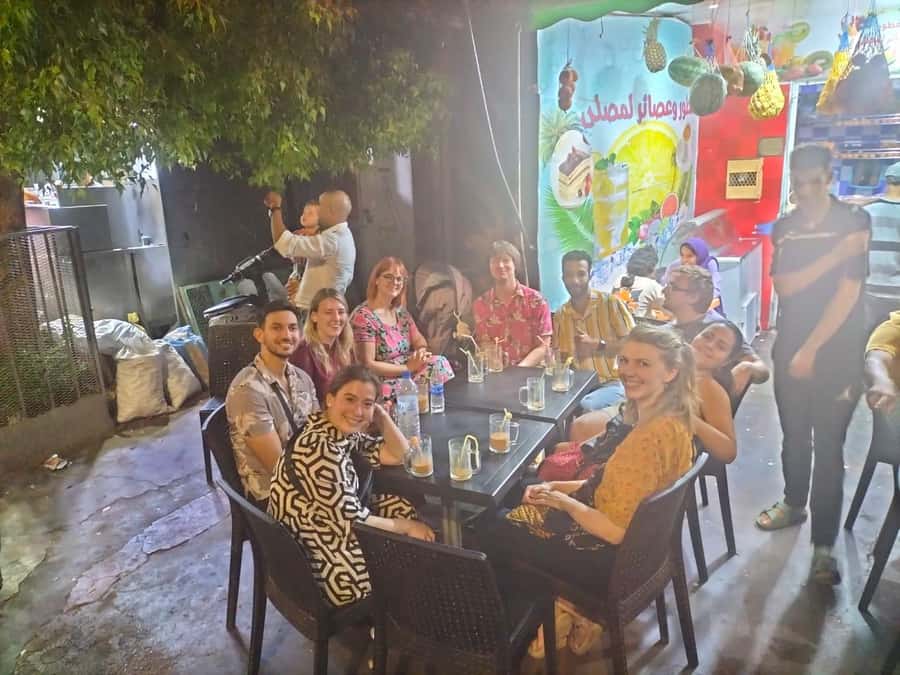
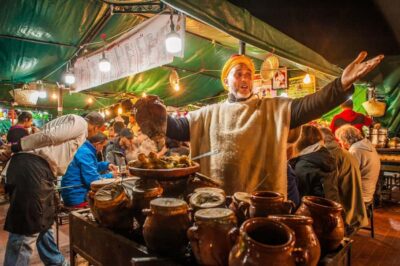
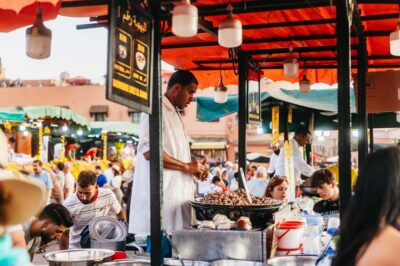
From there, the evening moves into the Medina. Expect narrow streets, market lanes, food counters, and plenty of people out for the night. This is not a sit-down meal in one restaurant. It is a moving meal, with small walks between stops and food appearing at regular intervals.
The walking itself matters. Marrakech’s food culture makes more sense when you see where people shop, eat, and gather. You are not simply handed a plate and told its name. The guides explain what you are eating, how it is prepared, and when Moroccan families might serve it.
Nour and Omar receive especially strong praise for their energy and care. Other departures may feature Mohammad, Mustafa, Mohamed, Nurdin, or Khawla. The exact guide can vary, but the best part of the format is the local voice: you get context from someone who knows the food as part of everyday life, not just as a menu item.
More Food Tours in Marrakech
- From Marrakech: Merzouga 3-Day Desert Safari with Food
★ 4.7 · 12,232 reviews - Marrakech: Street Food Tour with a Local Guide
★ 4.9 · 3,119 reviews - Marrakech: Street Food Tour by Night
★ 4.8 · 2,838 reviews
Msemen, harcha, and the first taste of Morocco
Early stops focus on familiar Moroccan staples such as msemen and harcha. Msemen is a layered Moroccan pancake, often folded and cooked until lightly crisp outside while remaining soft inside. Harcha is another pancake made with semolina, and its texture gives you a useful contrast.
These dishes are a good opening because they introduce the importance of bread, griddled dough, and tea in Moroccan eating habits. The portions are not merely token samples. You may receive enough to make you reconsider the advice to arrive hungry.
Moroccan tea and coffee are included, along with bottled water. Tea is not just a drink on this tour. It provides a chance to discuss hospitality and the way food and conversation fit together in Moroccan homes and cafés.
You may also encounter local olives, fresh bread, or other small bites along the way. The exact selection can change, so do not expect every departure to follow an identical order. That flexibility is useful in a working food district, where a family situation, stall closure, or other last-minute change can affect the route.
Harira, chebakia, and the sweet side of the Medina
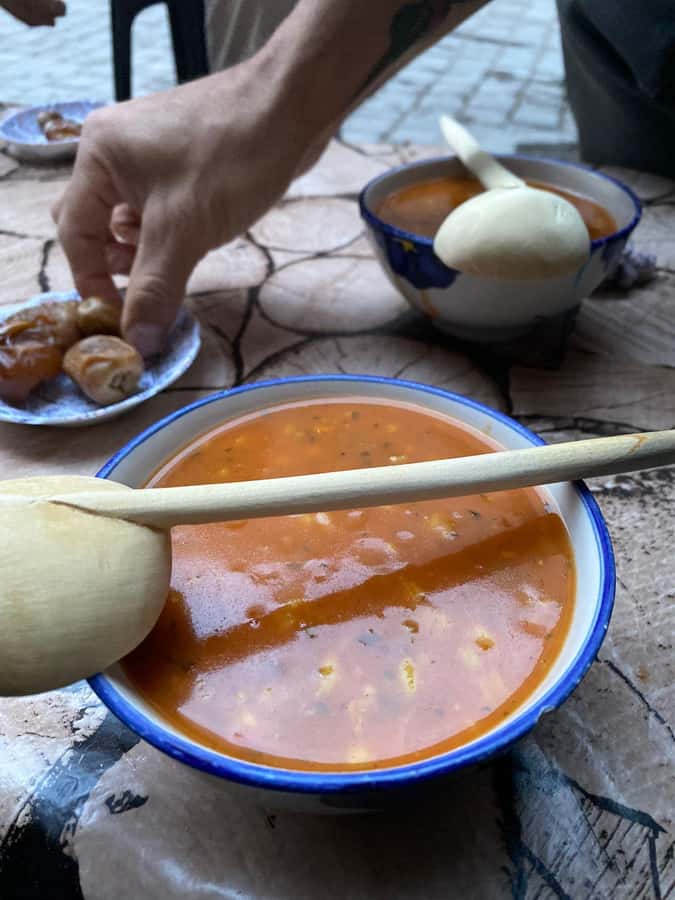
Harira, the well-known Moroccan soup, brings a warmer and more filling course. The tour description identifies it as vegetarian, making it one of the easier dishes for people who do not eat meat. It is commonly associated with comfort and family meals, and the guide uses it to explain more than just ingredients.
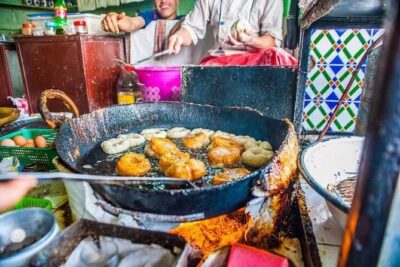
Chebakia adds a sweet, fragrant note. These pastries are shaped, fried, and coated with honey or syrup, creating a dense finish that can be surprisingly filling. Moroccan sweets are easy to underestimate. A small-looking piece can sit heavily after several savory stops.
Fresh fruit juice, called assir, may also appear during the walk. It gives you a bright break from fried or slow-cooked food, though you should still pace yourself. The tour is designed as a full progression, not a series of tiny samples.
Raïb, a frozen yogurt-style treat, offers another change in texture. It can be especially welcome later in the evening, when you have already eaten substantial portions. The mix of soup, pastry, juice, and chilled yogurt helps show how varied Moroccan street food can be.
Tangia, the dish worth saving room for
Tangia is the star for many people on this tour. It is a traditional slow-cooked meat dish, prepared in a special vessel and cooked for hours. Several departures have featured tangia prepared by the guide or cooked specially for the group in the embers of a hammam.
That detail gives the dish a real sense of place. In some accounts of the tour, the group gets a look at the working boiler area of a hammam, where the heat is used to cook the food. This is not a polished restaurant presentation. It connects the meal with the practical workings of a Moroccan neighborhood.
Mustafa is praised as a talented cook who prepared some dishes himself. Mohammad also receives particular credit for making tangia for the group. You cannot necessarily choose your guide or guarantee a particular cooking demonstration, but tangia remains one of the tour’s most reliable signature dishes.
The portion may arrive after you have already eaten several courses, which creates the tour’s central problem: you want to appreciate it, but your stomach may be negotiating its own exit plan. I suggest taking smaller bites earlier and saving room for this course if you can.
Same city gate, a very different afternoon:
- Marrakech: Agafay Desert Sunset, Camel Ride, and Dinner Show
★ 4.6 · 35,119 reviews - From Marrakech: Ouzoud Waterfalls Guided Hike and Boat Trip
★ 4.7 · 33,630 reviews - Marrakech: Agafay Desert Quad & Camel Rides with Dinner Show
★ 4.8 · 27,382 reviews - Marrakech: Agafay Desert Quad Biking Tour with Dinner-Show
★ 4.8 · 16,569 reviews
Savory stops: stews, sardines, and Berber omelets
The tour then moves through hearty Moroccan cooking. You may taste local stews, sardines with eggplant, and lbid o maticha, a Berber omelet made with eggs and tomatoes. These dishes show a more practical side of Moroccan food, built around filling ingredients, strong seasoning, and local produce.
Fried sardines with vegetables bring a different flavor from the meat-based dishes. They are a useful reminder that Marrakech’s food is not limited to tagine and couscous. The sardines may be unfamiliar to some people, but the guides explain what you are eating before you try it.
The Berber omelet is another good example of everyday cooking rather than special-occasion dining. Eggs and tomatoes sound basic, but the preparation and seasoning give the dish its own identity. This is the kind of food that can be difficult to locate when you are choosing restaurants from a guidebook menu.
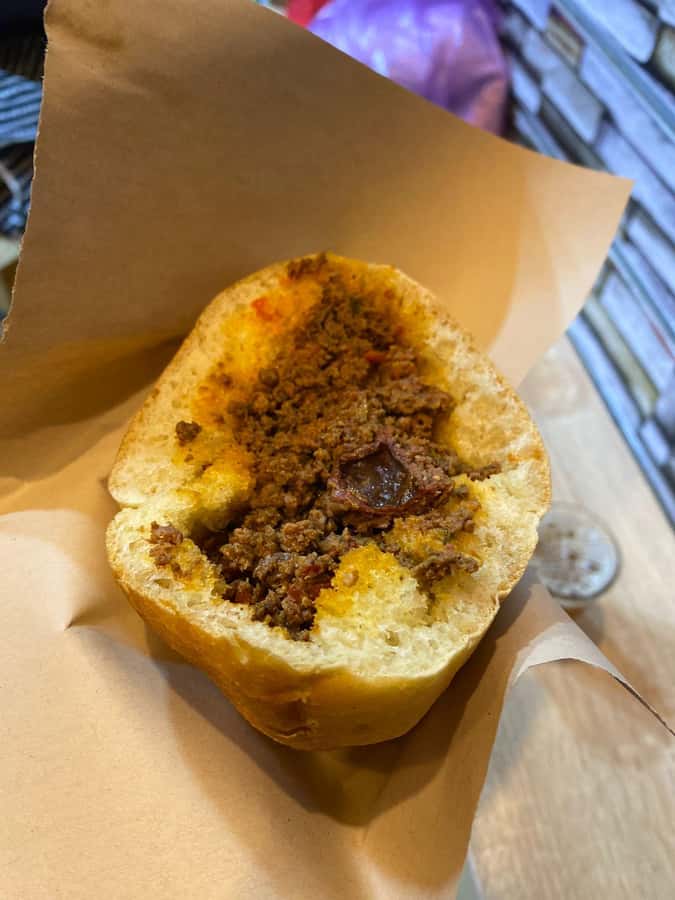
Some food stops may include minced liver or other local specialties. If you are adventurous, this is where the tour earns much of its value. If you prefer familiar food and small portions, the sheer number of dishes may feel less like a tasting and more like a challenge.
Chfnj and the final wave of sweets
Chfnj, described as a Jewish doughnut, is served with tea. It adds an important cultural note because Moroccan food reflects the country’s different communities and traditions. The guide can explain the connection between food, neighborhood life, and shared culinary habits.
The final sweets and pastries may arrive when you are already full. That is not a flaw in the food, but it does affect how much you can enjoy. A person who wants to taste everything should treat lunch as a light meal, not as a second feast.
Vegetarians and vegans should communicate their needs before the tour. The guides have provided suitable alternatives at many stops, and they have made a clear effort to look after people with different diets. Still, this is a meat-centered food experience, so vegans should not assume every listed dish will be available in its original form.
Allergies should also be stated in advance. Alternatives can be provided, but the more precise you are, the easier it is for the guide to plan around your needs.
A walking tour with a history lesson included
The food is the main event, but the cultural explanations help turn the evening into a broader introduction to Marrakech. Guides have discussed the importance of sugar in Moroccan history, traditional door knockers, cooking methods, local customs, and the way certain foods are used on different occasions.
I like this part of the experience because it gives you questions to ask during the rest of your stay. After learning about tangia, you may notice it on menus. After walking through a local neighborhood, you may look at the Medina with more interest than you would after simply passing through it on a shopping trip.
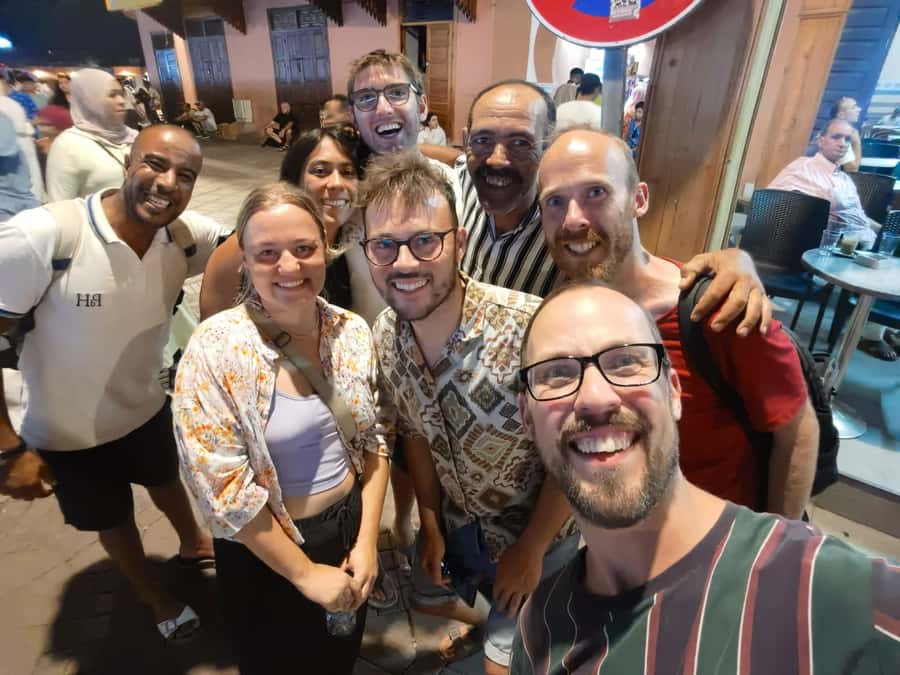
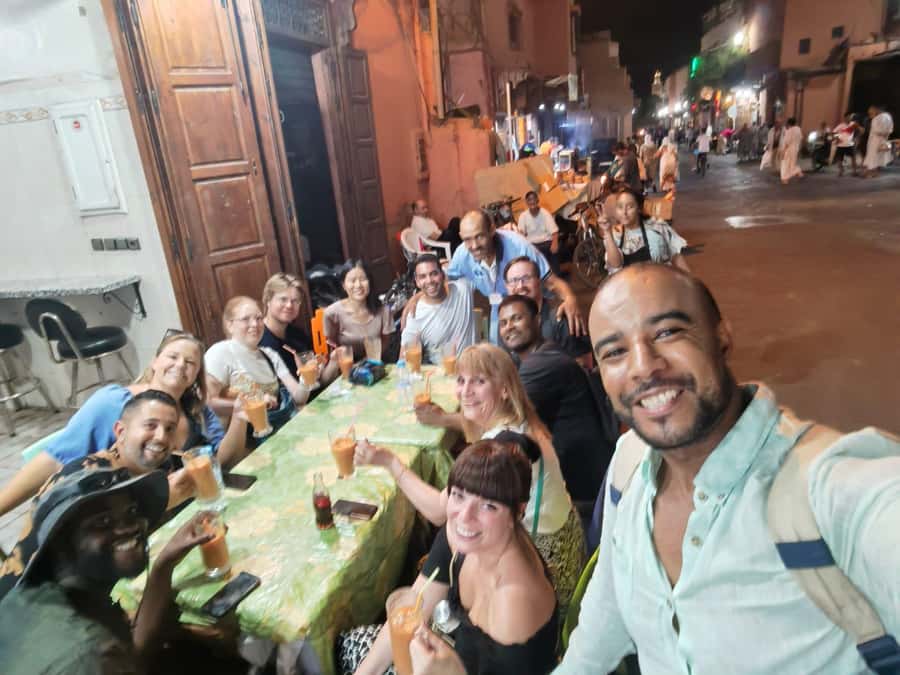
The guides also make the walk sociable. Groups often include people from several countries, and the small size makes it easier to talk while eating and walking. With a maximum of 10 participants, the group should be large enough for company but small enough that the guide can check on individual needs.
The pace can be demanding. You will be walking, standing, eating, and moving through crowded streets for at least four hours. One departure lasted about five hours, and another ran well beyond the advertised length because the guide wanted the group to try everything. That can be excellent value if you have the evening free, but it is not ideal if you have a late reservation or an early morning excursion.
What $56 buys you in real terms
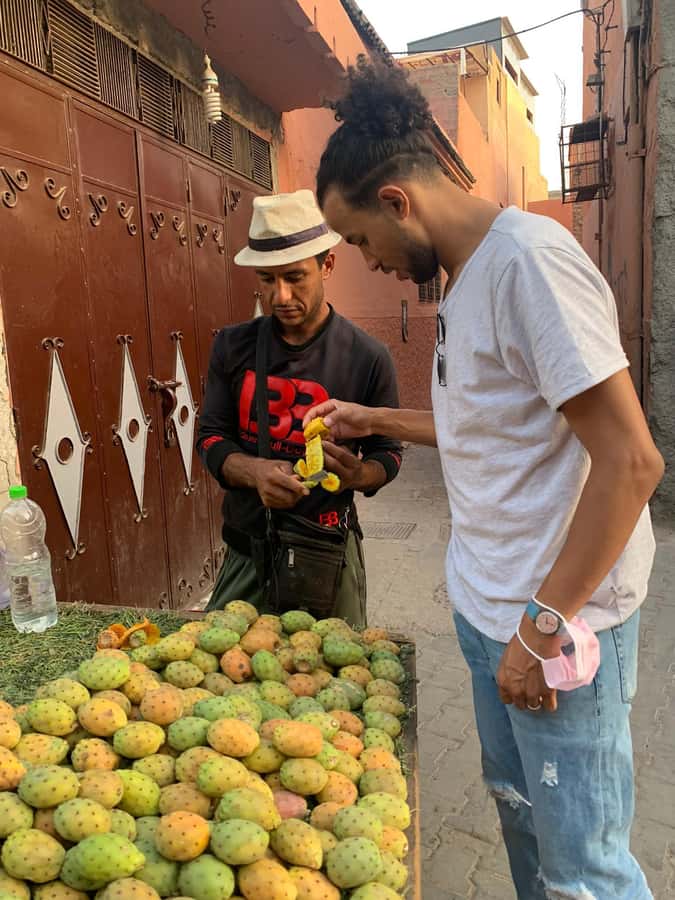
The price is $56 per person. That includes the bilingual local guide, all food, coffee or tea, and bottled water. Transportation is not included, even though the route description refers to walking and driving through different neighborhoods, so you should not assume any vehicle transfer is covered.
On food alone, the value looks strong. You are not paying for one dinner plate. You are paying for numerous tastings, drinks, local guidance, and access to places you might otherwise walk past. The tangia preparation, neighborhood stops, and cultural commentary add value that a standard restaurant bill would not provide.
The value is strongest if you use the tour as your introduction to Moroccan food. You get a practical list of dishes to seek out later, including tangia, harira, msemen, chebakia, raïb, and chfnj. Several guides also offer restaurant suggestions for the rest of your trip.
It is less suitable if you dislike large meals, need a tightly fixed schedule, or prefer a formal dining room. You may also feel that some stops are simple rather than polished. That is part of the point, but it is worth knowing before you book.
Who should book this four-hour food walk
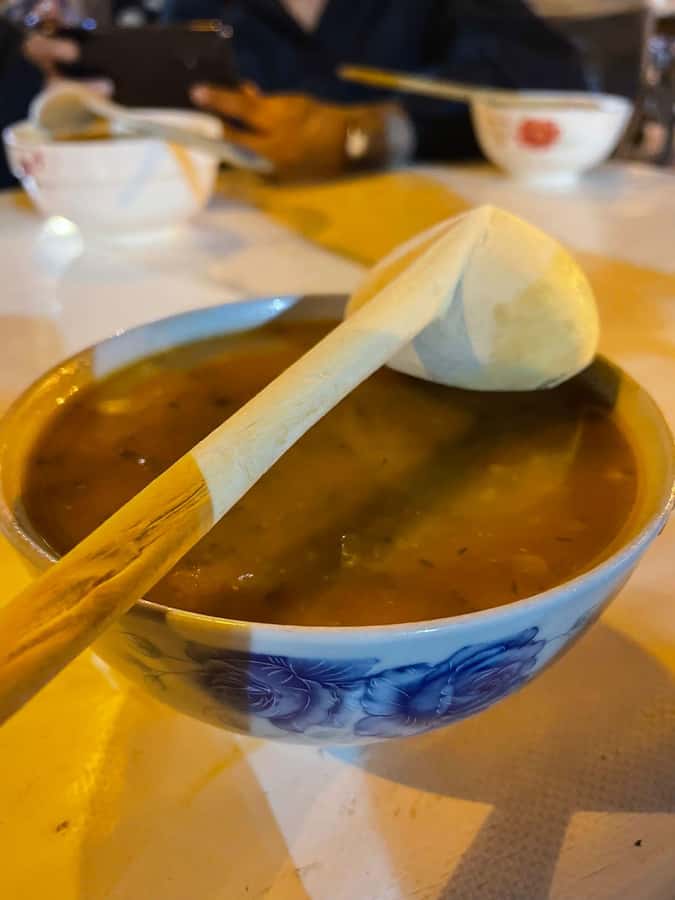
I would place this tour on the first evening of a Marrakech visit. It helps you get your bearings in the Medina, introduces you to food you may not recognize, and gives you an early chance to ask a local guide for eating advice.
It suits curious eaters, first-time visitors, couples, solo visitors, and small groups who enjoy talking as much as tasting. It also works well for people who want a night activity that is more active than a restaurant meal.
Families may enjoy it, but the quantity and walking time could be tiring for younger children. People with mobility needs should note that the activity is listed as wheelchair accessible, while also remembering that Medina streets can be narrow and busy.
Bring comfortable shoes and a light appetite. A large lunch is a mistake. Several people recommend skipping lunch altogether, although a small meal earlier in the day may be sensible if you do not handle long stretches without food.
Booking details worth knowing before you go
The activity lasts four hours, but allow extra time in case the evening runs long. Starting times vary, so check availability when you book.
The tour is conducted in English and led by a live guide. It is a small-group experience with no more than 10 participants, and the price includes the food and listed drinks.
You can cancel up to 24 hours before the start for a full refund. Reserve-now, pay-later booking is available, which helps if your plans are still shifting.
At the meeting point, stand directly in front of Café de France and confirm how you will identify the guide. One person found the lack of a sign confusing, so do not hesitate to contact the provider if you cannot locate the group.
Should you book Taste the Real Marrakech?
Yes, if you want a generous, informal introduction to Moroccan food and local life. The strongest reasons are the variety of dishes, the neighborhood route, the personal stories from guides such as Nour and Omar, and the tangia cooked in hammam embers.
Go in with realistic expectations. This is not a restrained tasting menu, and the evening may last longer than four hours. You will walk, stand, eat a great deal, and possibly leave with enough food in you to skip breakfast the next morning.
For $56, it is a strong choice for a first night in Marrakech, especially if you value local explanation as much as the meal. Book it if you want to try foods you would not confidently order alone. Skip it if you prefer a short, quiet dinner or need strict control over timing and portion size.
FAQ
Where does the Marrakech night food tour meet?
Meet your guide in front of Café de France in central Marrakech.
How long does the tour last?
The stated duration is four hours, though the evening may run longer depending on the route and how many dishes the group tries.
What food is included?
Food can include msemen, harcha, harira, chebakia, tangia, Moroccan stews, sardines with eggplant, chfnj, Berber omelet, raïb, fresh fruit juice, sweets, and other local dishes.
Are drinks included?
Yes. Coffee or tea and bottled water are included. Fresh fruit juice may also be part of the food selection.
Can the tour accommodate allergies or vegetarian diets?
Yes. Tell the provider about allergies in advance so alternatives can be arranged. Vegetarian and vegan options have been provided at many stops, but several featured dishes contain meat.
How many people are in the group?
The tour is limited to 10 participants and includes a live English-speaking local guide.
More Things to Do After Dark in Marrakech
- Marrakech: Agafay Desert Dinner Show with Sunset Camel Ride
★ 4.8 · 3,330 reviews - Agafay Desert: Dinner + Show with Quad Bike & Sunset Camel Ride
★ 4.5 · 2,669 reviews - Marrakesh: Agafay Desert Sunset, Camel Ride, and Dinner Show
★ 4.8 · 2,334 reviews - Marrakech Desert Tour & Sunset Camel Ride with Dinner Show
★ 5.0 · 1,694 reviews
Just listed around Marrakech
- 3 Days To Merzouga Desert★ 5.0 · 19 reviews
- 3 Days Shared Sahara Desert Tour From Marrakech★ 5.0 · 78 reviews
- 1 night Camel Treking in Merzouga Desert Luxury Camp★ 5.0 · 132 reviews
- 3 Days Sahara Desert Trips From Marrakesh★ 5.0 · 176 reviews
- 3 Days Sahara Tour from Marrakech to Merzouga Dunes★ 5.0 · 29 reviews
- trip of your dreams in 3 days and 2 nights in the desert★ 5.0 · 36 reviews
- 3 Days Private Tour to Merzouga Desert from Marrakech★ 5.0 · 77 reviews
- 3 Day Sahara Desert Tour From Marrakech★ 5.0 · 49 reviews
Food & Drink, compared.
3-Day Tour to Merzouga Erg Chebbi with Food & Camel Trek
Read our review →
Authentic Moroccan Food Tour in Marrakech with Dinner
Read our review →
Browse the lists this tour appears in