

Reviewed · COOKING CLASSES
Moroccan Cooking Class with Market Visit and Meal
Food opens doors fast. This Marrakech cooking class combines a local market visit, hands-on kitchen work, and a three-course Moroccan meal in about four hours. I like the market-to-table format, which shows you how ingredients are chosen before you cook them, and I like that you eat the meal you helped prepare in a Moroccan salon rather than simply watching a chef work.
The class costs $38.72 per person, a fair price for a meal, instruction, market visit, and digital recipe booklet. My main caution is that the published booking material contains confusing references to a hammam and swimwear, which do not fit this cooking experience. Confirm the details with Next Stop Morocco before you go.
In This Review
- Key things to know before you book
- Starting at the Marrakech market
- Inside the riad kitchen
- Learning the Moroccan menu
- Spices you can take home
- Eating in the Moroccan salon
- Morning or evening: which session fits you?
- Price, group size, and overall value
- Who will enjoy this class most?
- Booking and cancellation advice
- Should you book it?
- FAQ
- Where does the Moroccan cooking class meet?
- Where does the activity end?
- How long does the cooking class last?
- What time does the morning session begin?
- What time does the evening session begin?
- What food will I prepare?
- Is cancellation free?
Key things to know before you book
- The morning class includes the market visit: The 10:30 am session starts with a guided trip to a local market. The 5:30 pm session focuses on cooking and does not include that market stop.
- You cook a complete Moroccan menu: Expect salads, a tajine, couscous, and dessert, with the exact dishes shaped by the available ingredients and family recipes.
- Spices are part of the lesson: Ras El Hanout, saffron, paprika, and cumin are used to explain how Moroccan food gets its character.
- The class ends with a proper meal: You eat your work in a set Moroccan salon, turning the lesson into lunch or dinner.
- The group is capped at 12 people: That is small enough for a more personal class, though the amount of individual attention can still depend on the group.
- You return to the starting point: Meet at Flavors of Marrakech on Rue Fatima Zahra, Marrakech 40000. The activity ends there.
Starting at the Marrakech market
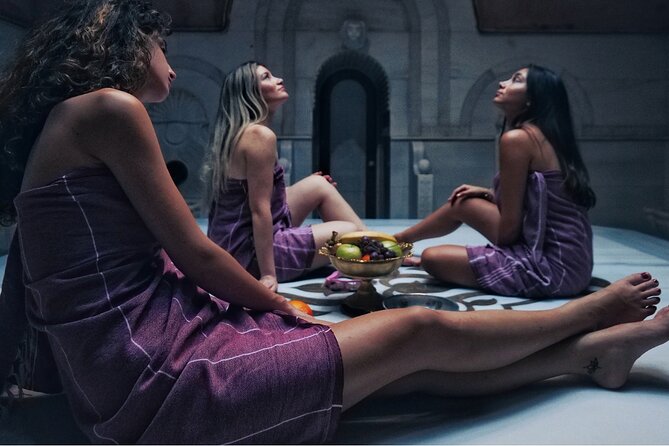
Choose the 10:30 am session if you want the full experience. The morning begins with a guided visit to a local market, where you learn how to select fresh produce, spices, and other ingredients for the meal.
This is more useful than a quick photo stop. Moroccan cooking depends heavily on judging freshness and balance. A market walk gives you a better sense of what actually goes into a home-style dish, rather than presenting Moroccan food as a fixed list of exotic ingredients.
The spice portion is especially worthwhile. You can expect an introduction to Ras El Hanout, saffron, paprika, cumin, and other seasonings used in Moroccan cooking. Ras El Hanout is often treated as a single spice, but it is a blend, and its makeup can vary. Seeing and smelling ingredients before cooking helps you understand why two tajines can taste quite different.
I also like the fact that the market visit leads directly into the kitchen. You are not simply told that Moroccan food is based on fresh ingredients. You see the ingredients, help select them, and then use them shortly afterward.
The market can also be the least polished part of the experience. It is a working local setting, not a staged food hall. That means the surroundings may feel busy or unfamiliar, and you should expect practical instruction rather than a formal culinary tour. If you prefer a quiet, highly organized cooking studio, the market portion may feel a little rough around the edges.
The evening class begins at 5:30 pm and does not include the market visit. That makes it a better fit if you have already spent the day exploring Marrakech or simply want a dinner activity. It is also the option to choose if you would rather spend less time on logistics and get to the cooking.
More Cooking Classes in Marrakech
- Marrakech: Moroccan Cooking Class with Pickup
★ 4.6 · 1,862 reviews - Marrakech: Traditional Moroccan Cooking Class & Market Visit
★ 4.8 · 1,861 reviews - Marrakesh: Moroccan Dishes Cooking Class with a Local Chef
★ 5.0 · 1,615 reviews
Inside the riad kitchen

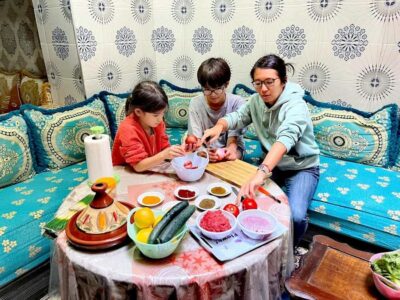
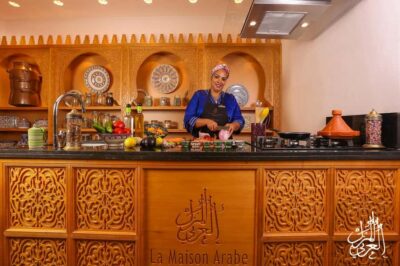
After the market, the group returns to a spacious, well-equipped kitchen in a riad. The setting matters. A riad kitchen and salon provide a more Moroccan frame for the lesson than a generic cooking school with stainless-steel counters and a classroom feel.
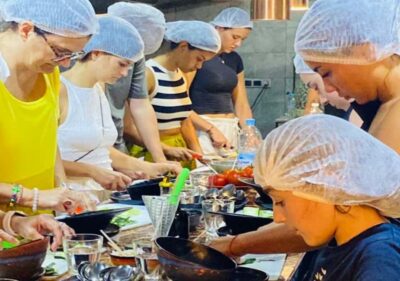
The class is hands-on. Under the guidance of local chefs, you work through the basic steps of chopping, seasoning, and cooking. You are not expected to sit quietly while someone else prepares the food. The real value comes from handling the ingredients and seeing how the dishes take shape.
The instruction appears aimed at ordinary home cooks, not professional chefs. That is good news for most people. You do not need advanced kitchen skills to take part, and the class can help you recreate the dishes later. The chefs also explain the food, culture, and hospitality behind the recipes, so the cooking has context instead of becoming a string of disconnected tasks.
A group limit of 12 is a sensible size. It should allow room for questions and shared work without turning the class into a private lesson. Still, you may not receive constant one-on-one attention. If you want detailed coaching on every knife cut, your experience will depend on how evenly the group shares the work.
The kitchen is described as inviting and well equipped, but the available details do not specify the exact workstations or how tasks are divided. You might prepare one dish as a team and assist with another, rather than making every course alone. That is normal for a group class, but it is worth keeping in mind if you want full control over the entire menu.
Learning the Moroccan menu
The class prepares a full three-course meal. The menu can include salads, tajines, couscous, and desserts, with family recipes forming the base of the cooking.
Moroccan salads are often a useful starting point because they show how vegetables, herbs, spices, and seasoning work together. You learn that a salad can be a cooked or seasoned dish with real presence at the table, not just a bowl of raw greens.
The tajine is likely to be the centerpiece. A tajine is both a cooking vessel and a dish, and the slow cooking method is closely tied to Moroccan home food. The class gives you a chance to see how seasoning and timing affect the final result. You will also understand why spices are used for balance rather than simply heat.
Couscous adds another important lesson. It is easy to think of couscous as a quick side dish, but Moroccan cooking treats it with more care. Watching the preparation in a local kitchen can help you appreciate its place in a full meal.
Dessert completes the menu and keeps the class from feeling like a single-dish workshop. The exact dessert is not specified, so do not book expecting one particular sweet. The same applies to the salads and tajine. The class promises the style of meal and the techniques, not a guaranteed printed menu for a specific date.
That flexibility is practical in a market-to-table class. Ingredients change, and a local kitchen may adjust the menu according to what looks best that day. If you have allergies, dietary restrictions, or strong dislikes, contact the provider before booking and ask what can be changed. No specific dietary arrangements are listed, so you should not assume substitutions are available.
Spices you can take home

The spice lesson gives the class a useful afterlife. You receive a digital recipe booklet, and you can purchase spices to take home.
The recipe booklet is more valuable than a souvenir photograph. Moroccan recipes can be difficult to reproduce if you only remember the general idea. Written guidance gives you a better chance of making the dishes again, particularly when it comes to seasoning and cooking order.
The option to buy spices is convenient, but treat it as optional. You do not need to purchase anything to enjoy the class, and the information provided does not state the prices, quantities, or packaging. If you do buy spices, ask what each blend contains and how it should be stored.
I like that the class teaches recognizable techniques rather than only presenting a finished meal. Chopping, seasoning, and cooking are skills you can carry into other recipes. The goal is not just to say you made Moroccan food in Marrakech. It is to give you enough understanding to make a version of it at home.
Same city gate, a very different afternoon:
- Marrakech: Agafay Desert Sunset, Camel Ride, and Dinner Show
★ 4.6 · 35,119 reviews - From Marrakech: Ouzoud Waterfalls Guided Hike and Boat Trip
★ 4.7 · 33,630 reviews - Marrakech: Agafay Desert Quad & Camel Rides with Dinner Show
★ 4.8 · 27,382 reviews - Marrakech: Agafay Desert Quad Biking Tour with Dinner-Show
★ 4.8 · 16,569 reviews
Eating in the Moroccan salon
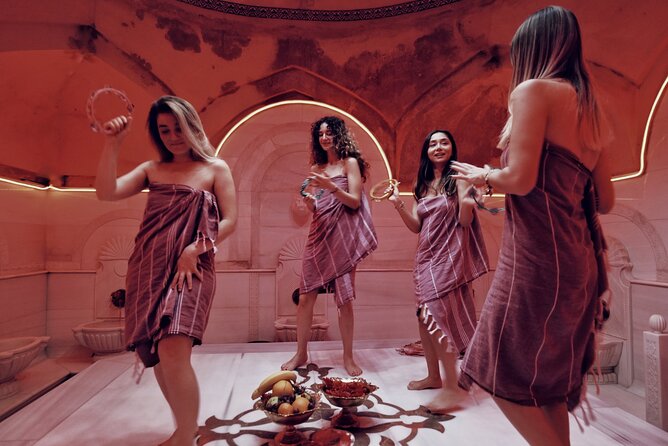
Once the cooking is finished, you eat the meal in a beautifully set Moroccan salon. This final step gives the class a proper rhythm: market, kitchen, table.
The meal is part of the price, so you are not paying for a lesson and then searching for lunch or dinner afterward. That improves the value, especially in Marrakech, where a good meal in a traditional setting can quickly add to your daily costs.
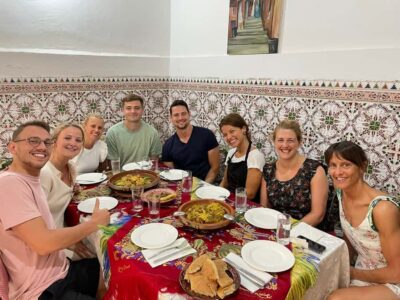
The salon also makes the experience feel social. Moroccan hospitality is not separate from the food. Sitting down together lets you enjoy the result at a slower pace and gives the chefs a chance to talk more about the dishes and their place in Moroccan culture.
Do not expect a restaurant with a choice of dishes. You are eating the menu prepared by the group. That is the tradeoff for the hands-on format. If you want to select from a long menu or focus on a formal dining service, book a restaurant instead.
Morning or evening: which session fits you?
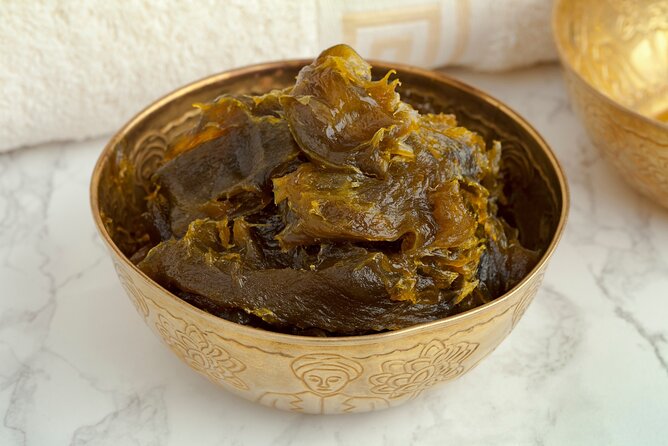
The two time choices create two different experiences.
The 10:30 am morning session is the best pick if you want the full cultural program. The market visit adds a clear sense of place, and you finish with lunch. It is also the better option if you are interested in ingredients, shopping, and how Moroccan cooks make decisions before the meal reaches the kitchen.
The 5:30 pm evening session is shorter in scope because it skips the market. You still get the cooking class, three-course meal, cultural discussion, and salon setting. This is a practical choice for a dinner activity, especially if your daytime schedule is already full.
Both options last about four hours. That is long enough for a real lesson but short enough to fit into a Marrakech itinerary. You should keep the rest of your schedule flexible around the class, since the experience begins and ends at the same meeting point and includes several stages.
The meeting point is Flavors of Marrakech on Rue Fatima Zahra. It is near public transportation, which helps, but the information does not specify hotel pickup. Plan to reach the stated meeting point yourself and allow extra time to find it.
Price, group size, and overall value
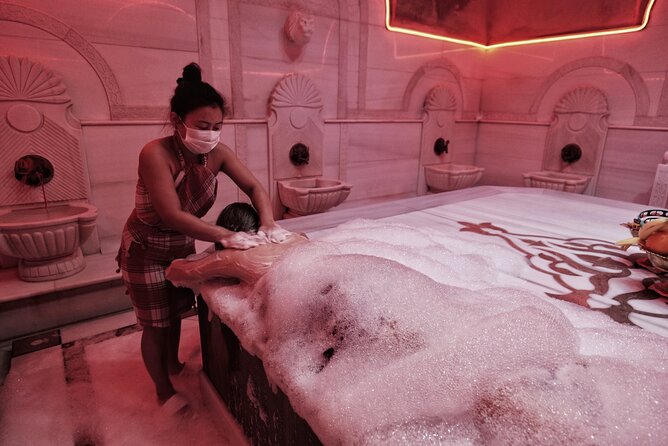
At $38.72 per person, this is priced below many private culinary experiences and offers more than a meal alone. You are paying for about four hours of activity, instruction from local chefs, a market visit in the morning, food, the completed meal, and a recipe booklet.
The value is strongest for people who want participation. If you only want to taste Moroccan dishes, a restaurant may be simpler. If you want to understand how the food is made and take home usable recipes, the class makes better use of your money.
A group of up to 12 keeps the cost reasonable. It also means the atmosphere may be friendly and family-style rather than private and quiet. Solo participants can expect a shared activity, while couples and families get a chance to cook together.
The published rating is 4.3 from 18 ratings, which suggests a generally positive response but is not a large sample. There is also a serious information mismatch in the supplied material: the extra notes mention a hammam, swimwear, and changing clothes, while the cooking experience itself describes a market, kitchen, and meal. Some of the accompanying comments also concern hammam treatments rather than cooking.
I would contact Next Stop Morocco before paying, particularly if you receive instructions about swimwear or a hammam. That may be an accidental note from another activity, but it should be cleared up. It is a small step that can prevent a very odd start to your cooking lesson.
Who will enjoy this class most?
I would recommend this experience to you if you enjoy learning by doing. It suits curious eaters, first-time visitors to Marrakech, couples, families, and anyone who wants a meal connected to local daily life.
It is also a good choice for people who want a manageable cultural activity. Four hours gives you enough time to learn without committing to a full-day food tour. The morning market visit is especially useful for anyone who wants to understand Moroccan ingredients beyond the restaurant plate.
You may want another option if you dislike group cooking, have strict dietary needs that have not been confirmed, or want a precise menu in advance. The class is also less suitable if you want a luxury culinary studio with polished service at every stage.
No special cooking background is required in the provided information. The emphasis is on guidance, conversation, and traditional techniques, so basic kitchen experience should be enough. If you have mobility or other access concerns, ask the provider directly, since detailed accessibility information is not provided.
Booking and cancellation advice
Confirmation is provided at booking, and the experience is available with a mobile ticket. It is commonly booked about 28 days ahead, so reserving early is sensible if you need a particular morning or evening time.
Free cancellation is available until 24 hours before the start time. Cancel at least 24 hours ahead for a full refund. Cancellations or changes made inside that 24-hour window are not accepted for a refund, and the cut-off uses Marrakech local time.
I would book the morning session first if the market is important to you. If the cooking and meal are your main goals, the evening class may be just as good and can fit more easily around sightseeing.
Should you book it?
Book this Moroccan cooking class if you want a practical, social way to understand Marrakech through food. The market visit, spice lesson, hands-on preparation, and shared meal give you more than a standard demonstration, while the $38.72 price keeps the experience accessible.
Choose the 10:30 am session for the full market-to-table program. Choose 5:30 pm if you mainly want to cook and eat dinner. Before booking, clarify the stray hammam and swimwear instructions, since they do not belong with the cooking description.
For a first taste of Moroccan cooking, this looks like a sound choice. Just go for the food lesson, not a luxury spa experience, and keep your expectations focused on local recipes, shared work, and a warm meal at the end.
FAQ
Where does the Moroccan cooking class meet?
The meeting point is Flavors of Marrakech, Rue Fatima Zahra, Marrakech 40000, Morocco.
Where does the activity end?
The activity ends back at the meeting point.
How long does the cooking class last?
The experience lasts approximately four hours.
What time does the morning session begin?
The morning session begins at 10:30 am and includes the guided local market visit.
What time does the evening session begin?
The evening session begins at 5:30 pm. The evening session does not include the market visit.
What food will I prepare?
You will prepare a three-course Moroccan meal that can include salads, tajines, couscous, and dessert. The exact menu is not specified.
Is cancellation free?
Yes. You can cancel at least 24 hours before the start time for a full refund. Cancellations or changes made less than 24 hours before the experience are not refunded.
More Shopping Tours in Marrakech
- Marrakesh: Guided Souk Shopping Tour with a Local Guide
★ 4.9 · 651 reviews - Shopping in the Souks of Marrakech Private Tour
★ 5.0 · 620 reviews - Souks Shopping Tours
★ 5.0 · 395 reviews - Marrakech Shopping Tours : Private Souks Tour
★ 5.0 · 345 reviews
More Markets in Marrakech
- Moroccan Cooking Class & Marrakech Market Visit with Chef Khmisa
★ 5.0 · 1,504 reviews - Marrakech: Moroccan Cooking Class with Market Visit and Meal
★ 4.9 · 347 reviews - Evening Marrakech: Gastronomic and Market Tour Inside the Medina
★ 4.5 · 283 reviews - Moroccan Cooking Class with Market Visit and Meal
★ 5.0 · 196 reviews
Just listed around Marrakech
- Zagora: 2-Day Desert Trip from Marrakech★ 4.4 · 31 reviews
- Traditional spa Hammam & Massage with Hotel Transfers★ 4.0 · 24 reviews
- Day trip to OUZOUD waterfall with guide&boat ride from Marrakech★ 5.0 · 172 reviews
- Half day quad desert agafay★ 4.5 · 24 reviews
- walking tour★ 5.0 · 46 reviews
- quad bike tour in the palmeraie of Marrakech★ 4.5 · 43 reviews
- private tour of Marrakech 4 hours with multilingual driver★ 5.0 · 117 reviews
- 3 days tour from Marrakech to Merzouga desert★ 5.0 · 55 reviews
Cooking Classes, compared.
Traditional Moroccan Cooking Class & Market Visit
Read our review →
Moroccan Dishes Cooking Class with a Local Chef
Read our review →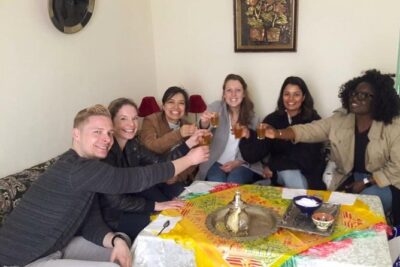
Moroccan Cooking Class & Marrakech Market Visit with Chef Khmisa
Read our review →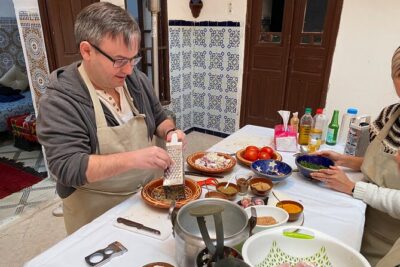
Half-Day Cooking Class with Local Chef Laila in Marrakech
Read our review →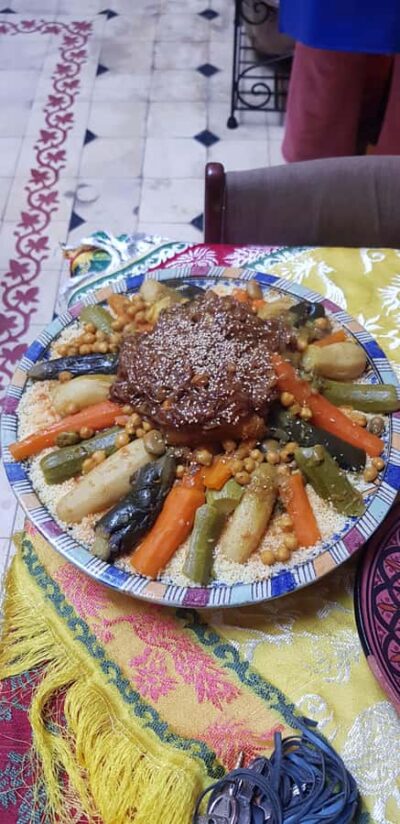
Browse the lists this tour appears in