
Reviewed · FOOD & DRINK
Casablanca: Food Tour with Tastings in Quartier Habous
Come hungry, Casablanca rewards your appetite. This 210-minute food tour pairs local tastings with a guided walk through Quartier Habous, nearby residential streets, the old medina, and Central Market. I like the way food is used as a key to the city rather than treated as a separate restaurant visit.
I especially like the chance to try foods such as briouats, msemen, pastilla, tagine, Moroccan soup, bread, oysters, tea, and coffee. I also like the personal touch provided by guides such as El Mehdi and Sanaa, who can help you order, shop, and move through places that may feel confusing on your own. The main caution is that the experience can vary with the guide, and it is not suitable for wheelchair users or people with food allergies.
In This Review
- Five things to know before you book
- Starting with Moroccan breakfast in Quartier Habous
- Trying briouats, msemen, and pastilla
- Walking the streets around Habbous
- Moving toward the old medina and Central Market
- What the guide adds to the food
- Is $54 a fair price?
- Who will enjoy this Casablanca food walk?
- Practical advice for getting the most from it
- Should you book this Quartier Habous food tour?
- FAQ
- How long does the Casablanca food tour last?
- What food might I taste?
- Does the tour include hotel pickup and return?
- Which languages are available?
- Is the tour suitable for people with food allergies?
- Is the tour wheelchair accessible?
- What should I bring?
- Can I cancel for a refund?
Five things to know before you book
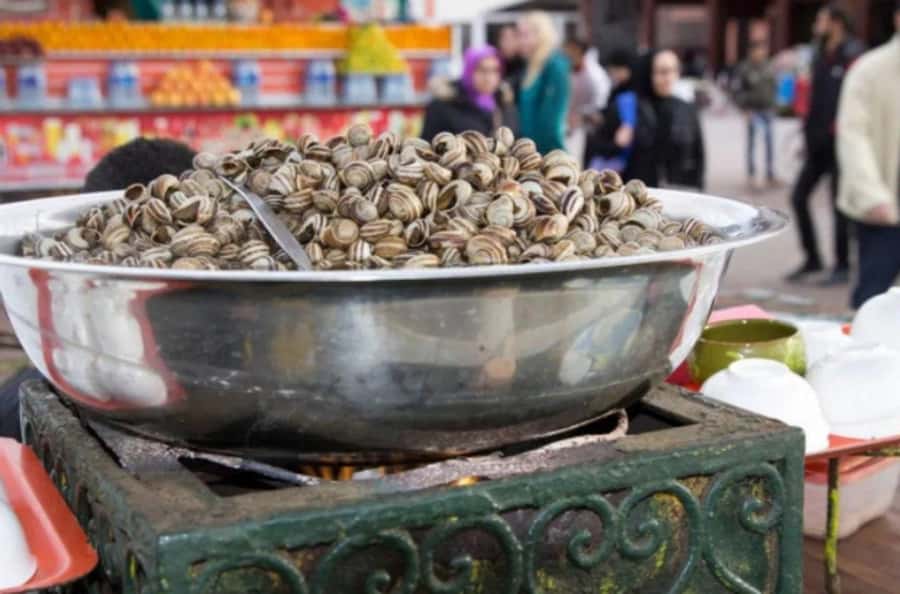
- The food comes in many forms: Expect pastries, soup, bread, seafood, tagine, tea, cookies, and coffee rather than one long sit-down meal.
- Quartier Habous is the main stage: You will walk through a district known for Moroccan architecture, artisan activity, shops, and food stops.
- The Central Market adds a local edge: This is where food, shopping, and everyday Casablanca meet.
- Guides shape the experience: El Mehdi received especially warm praise for his food contacts and relaxed way with families. Sanaa was praised for her excellent English and entertaining style.
- Plan for a full morning or afternoon: The advertised duration is 210 minutes, with hotel pickup and return in Casablanca described as part of the experience.
- Bring water and comfortable shoes: You will spend much of the tour walking, and sun protection matters in warm weather.
Starting with Moroccan breakfast in Quartier Habous
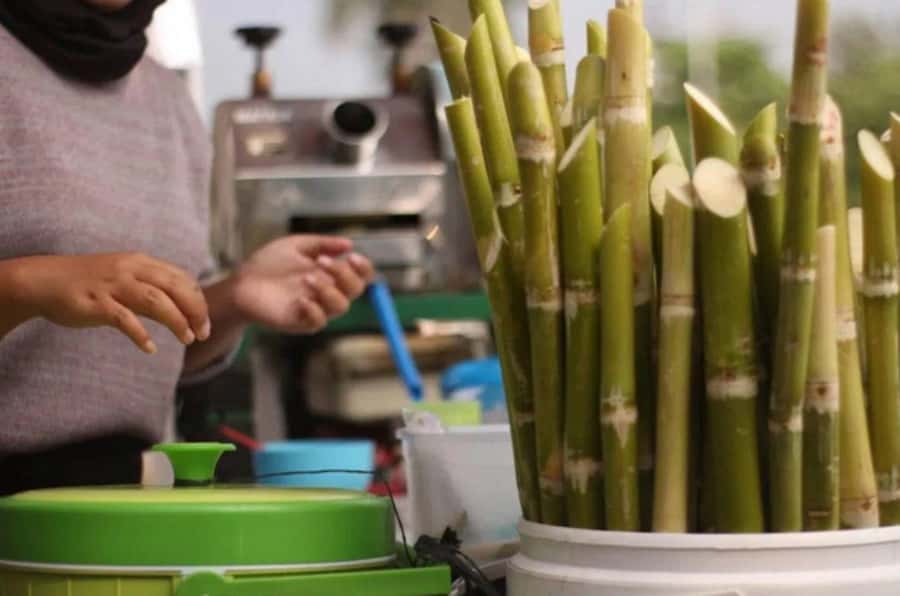
The tour begins with pickup in Casablanca, then heads toward Habbous, also known as Quartier Habous. This is a useful first stop because it gives you food, architecture, shopping, and local orientation in one compact area.
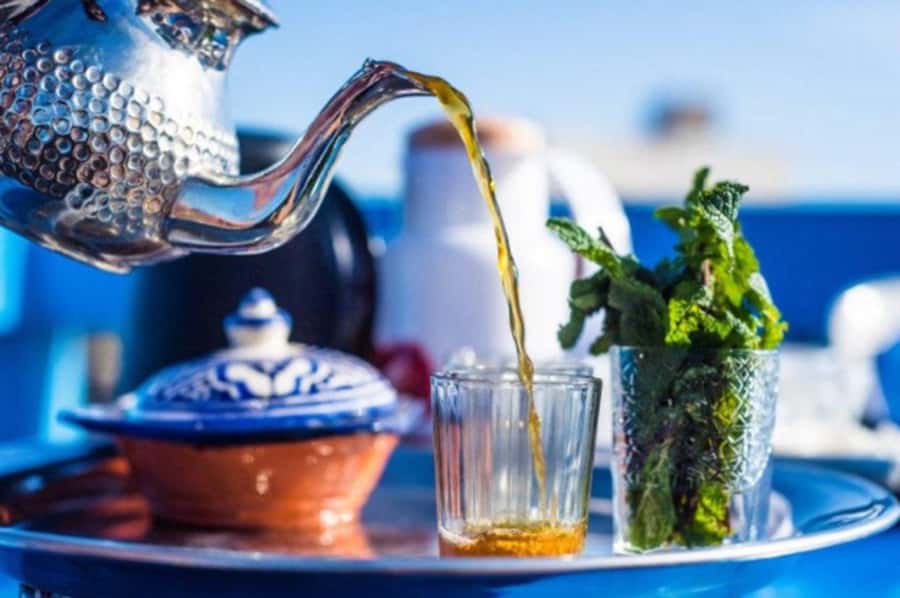
You may begin with a Moroccan breakfast of soup and bread. That sounds simple, but it is a good way to start. Moroccan food often builds flavor through modest ingredients, careful seasoning, and fresh preparation. A warm bowl of soup with bread gives you a better sense of daily eating than beginning with a grand restaurant dish.
The district itself is part of the pleasure. You will walk past shops and workshops while your guide explains Moroccan customs, architecture, and pieces of Casablanca’s past. The food stops make the explanations easier to remember. You are not just looking at a doorway or market stall. You are learning how a pastry is eaten, why tea matters, or what makes a local snack different from something made for visitors.
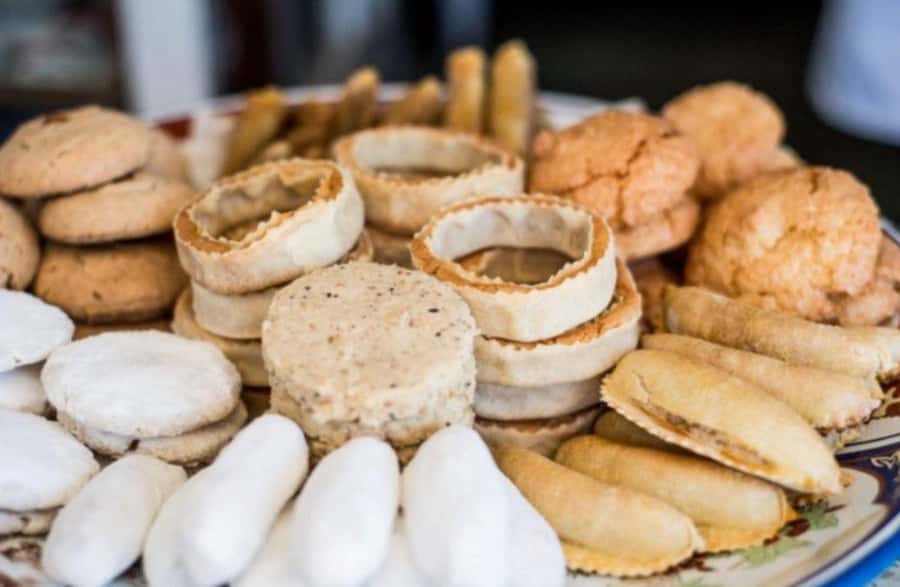
The Habbous portion may include a bakery stop for a pastry, Moroccan tea, coffee, or a small brunch. You should not eat a large breakfast before meeting the guide. One French booking note puts it plainly: skip breakfast. That is sensible advice here, since the tastings can arrive at regular intervals.
More food tours in Casablanca:
- Cook Moroccan Food & Try on Traditional Clothes like a local
★ 5.0 · 213 reviews - Casablanca Food Tour – Moroccan Street Food Tour
★ 5.0 · 86 reviews - Casablanca Food Tour
★ 5.0 · 60 reviews
Trying briouats, msemen, and pastilla
The advertised food selection includes several Moroccan favorites, each with a different texture and role.
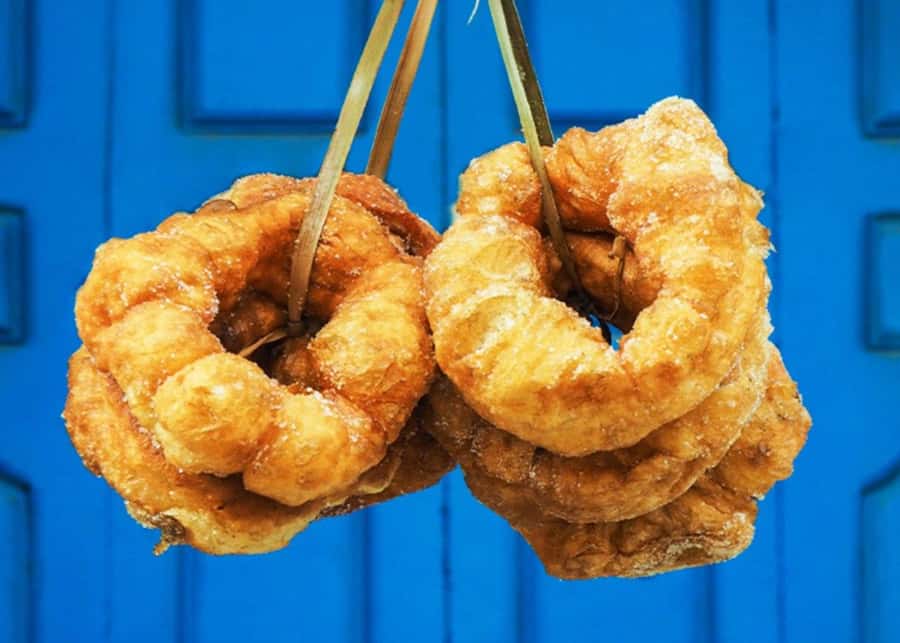
Briouats are small, folded pastries that may be crisp on the outside and filled with savory or sweet ingredients. They are ideal for a walking food tour because they are easy to share and offer a quick introduction to Moroccan pastry work.
Msemen is softer and layered, often served at breakfast or with tea. Its texture makes it a useful contrast to the crunch of briouats. If you have only eaten Moroccan food in formal restaurants, msemen can feel like a more everyday taste of the country.
Then there is pastilla, a more elaborate pastry that blends sweet and savory notes. It is one of the tour’s most memorable promised tastings because it shows how Moroccan cooking can move between spice, pastry, meat, and sweetness in one dish.
The exact order and selection can change. The experience appears to adapt to the guide, the day, and the people in the group. El Mehdi’s route, for example, included breakfast soup and bread, oysters at a fish market, tagine in the medina, and coffee. Another account described a bakery pastry followed by tea and cookies. You should think of this as a guided introduction to Casablanca’s food culture, not a fixed tasting menu.
Walking the streets around Habbous
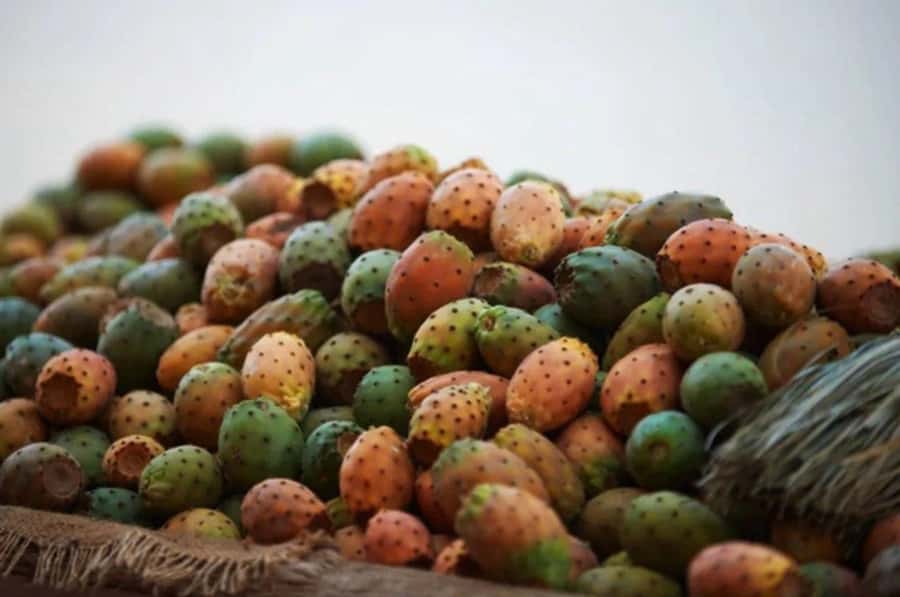
Habbous works well for a food walk because it is more than a collection of eating stops. You get time to look at the buildings, notice the street design, and watch artisans at work. The guide can also take you through nearby residential areas, giving the walk a more lived-in feel.
I like this part of the tour for travelers who want context. Food tastes better when you know where you are and how the neighborhood functions. You may pass shops selling non-food goods, and the guide may allow time for browsing. One family specifically appreciated that Sanaa could make room for non-food shopping in the medina, while El Mehdi was praised for getting along well with children.
The pace is not described as strenuous, but you should still wear shoes made for walking. Bring water, a sun hat, a camera, and biodegradable sunscreen. Insect repellent is also recommended. Smoking and pets are not permitted during the activity.
The main practical limitation is access. This tour is not suitable for wheelchair users. Narrow streets, uneven walking areas, or the general movement between food stalls and shops may make the route difficult for anyone with limited mobility.
Moving toward the old medina and Central Market
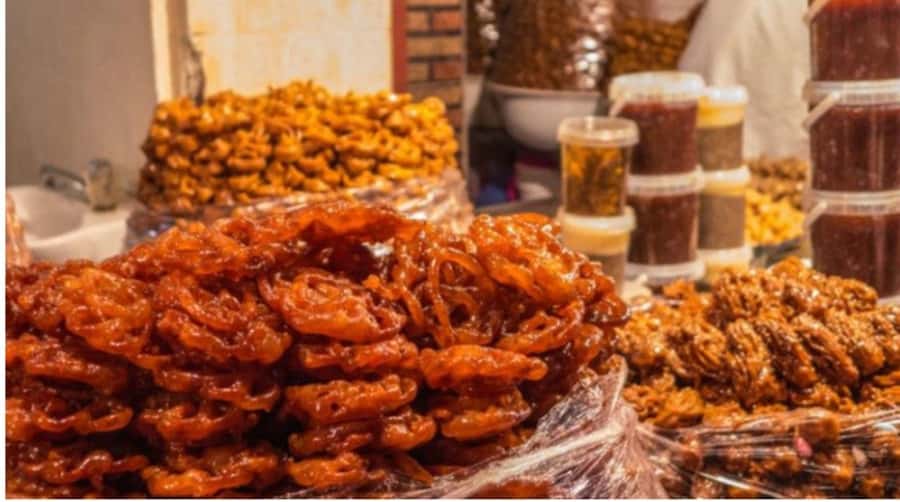
After Habbous, the route continues toward the old city market, listed as سوق وسط المدينة القديمة, and then to Casablanca’s Central Marketplace. These areas provide a different feel from Habbous.
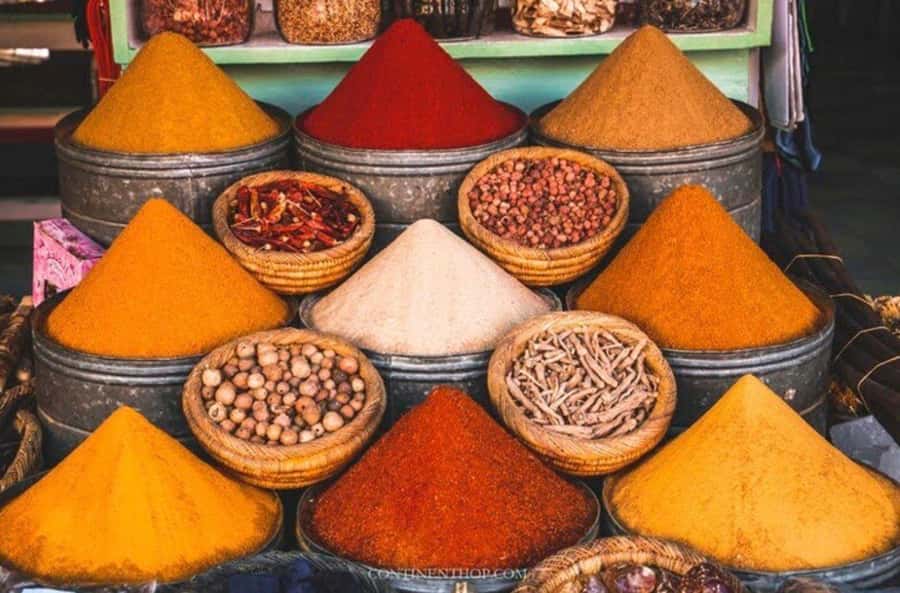
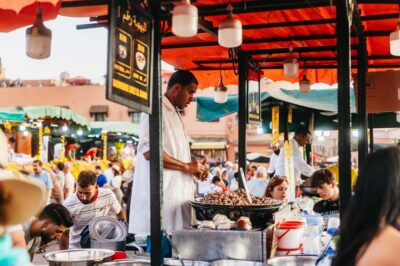
The old medina is a place to walk, browse, and watch daily trade. You can expect a guided visit, photo opportunities, shopping time, and a chance to see streets that may be hard to read at first glance. A guide is particularly useful here because the value is not only in finding a shop. It is in understanding what you are seeing and knowing how to approach the market without wasting time.
Central Market adds another food-focused stop. One account described El Mehdi as having strong connections there, arranging tastings and helping with shopping. That kind of local contact can be worth a great deal in a market setting. You may see seafood, prepared food, snacks, and other items that are difficult to identify when you are alone.
Oysters were part of one route, served at a fish market. That is an important detail for anyone with food preferences or concerns. Seafood is not merely a background sight here. It may be one of your tastings, so ask before booking if you need to avoid shellfish or other ingredients.
The marketplace portion is listed as about 30 minutes, while the old city market has a longer suggested period. The exact timing may shift depending on shopping, traffic, food availability, and the guide’s plan. You should leave room for a flexible pace rather than expecting each stop to follow a strict clock.
Same city gate, a very different afternoon:
- From Marrakech: Casablanca Tour with Hassan II Mosque Visit
★ 4.7 · 4,756 reviews - Casablanca: Hassan II Mosque Premium Tour with Entry Ticket
★ 4.5 · 2,971 reviews - Casablanca City Tour with Hassan II mosque ticket
★ 5.0 · 2,480 reviews - Casablanca: City Tour with Hassan II Mosque Entry Ticket
★ 4.6 · 1,137 reviews
What the guide adds to the food
The guide is the make-or-break part of this experience. Food is easy to find in Casablanca, but finding the right places, ordering with confidence, and understanding the setting is harder.
El Mehdi received particularly strong praise for his relaxed manner, personal contacts, and ability to show foods that a visitor might otherwise miss. He was also praised for making people feel comfortable in the medina and for adjusting the route to suit families. One family said he added extra sights on the way back to their accommodation, though you should treat such additions as possible extras rather than promised stops.
Sanaa was praised for her excellent English, entertaining personality, and ability to introduce people to places they would not have found alone. She also made the experience feel approachable for someone interested in picking up a few Arabic words.
The language choices are English, French, Italian, and Arabic. German is not listed as an available language. If you need a German-speaking guide, this is not the right match based on the information provided.
There is one important balance to keep in mind. One person had a poor experience with a guide who seemed rushed, drove erratically, did not sit at two cafe stops, and was briefly difficult to locate after a restaurant visit. That account does not cancel out the many positive comments, but it does show why the guide matters so much. A food tour works best when the guide stays engaged, explains the stops, and keeps the group informed.
Is $54 a fair price?
The cost is $54 per person. For a 210-minute tour, that is reasonable if you value a guide, several tastings, transport from and back to your Casablanca accommodation, and help navigating Habbous, the old medina, and Central Market.
You are not paying only for food. You are also paying for access and interpretation. A pastry or cup of tea is inexpensive on its own. The useful part is having someone lead you to places that may be difficult to identify, explain what you are eating, and connect the food to the streets around you.
The value is strongest if this is your first visit to Casablanca or if you have limited time. You can cover several districts and sample a wide range of food without spending your whole day figuring out directions and menus.
The value is weaker if you want a polished, formal culinary event. This is a street-level tour with changing stops. You may eat standing up, in simple cafes, at markets, or in small local businesses. That is part of the appeal, but it also means the experience will not have the controlled rhythm of a cooking school or fine dining meal.
Tips are not included. Keep a little extra cash available if you want to thank the guide.
Who will enjoy this Casablanca food walk?
I would choose this tour for someone who wants a fast introduction to Casablanca’s food and neighborhoods. It suits curious eaters who like markets, small tastings, local shops, and conversation more than a carefully scripted sightseeing route.
Families may also find it a good fit. The available feedback describes guides who connected well with children and allowed time for shopping. Still, the length and walking should suit your group, and young children may tire before the final market stop.
It also works well for people who want help with the old medina. If you are uneasy about ordering food, visiting a fish market, or understanding market etiquette, a guide can make the experience much easier.
I would be cautious if you have severe food allergies. The tour is specifically marked as unsuitable for people with food allergies, and the range of possible foods includes pastries, soup, seafood, tagine, tea, cookies, and coffee. Dietary restrictions should be considered before booking.
You should also skip this tour if you need step-free access or use a wheelchair. For everyone else, comfortable shoes and a water bottle are the basic preparation.
Practical advice for getting the most from it
Eat lightly before pickup, or skip breakfast if you can. The tour may begin with soup and bread and continue through pastries, tea, seafood, tagine, and coffee.
Tell the guide about your preferences early. The route can appear to change according to the group, and one guide adjusted time for non-food shopping. Clear communication gives the guide a better chance to make the tour work for you.
Keep your schedule flexible after the tour. The advertised length is three and a half hours, but market visits and traffic can affect the rhythm. The description includes hotel pickup and return, yet you should still avoid booking a tight connection immediately afterward.
Bring water, sun protection, and comfortable shoes. You may want your camera for the architecture and market scenes, but pay attention to the guide and the people around you rather than treating every street as a photo set.
Finally, arrive ready to try unfamiliar foods. The tour’s best moments are likely to come from items you did not plan to order alone, especially market foods, Moroccan breakfast dishes, and the combination of sweet and savory flavors in pastilla.
Should you book this Quartier Habous food tour?
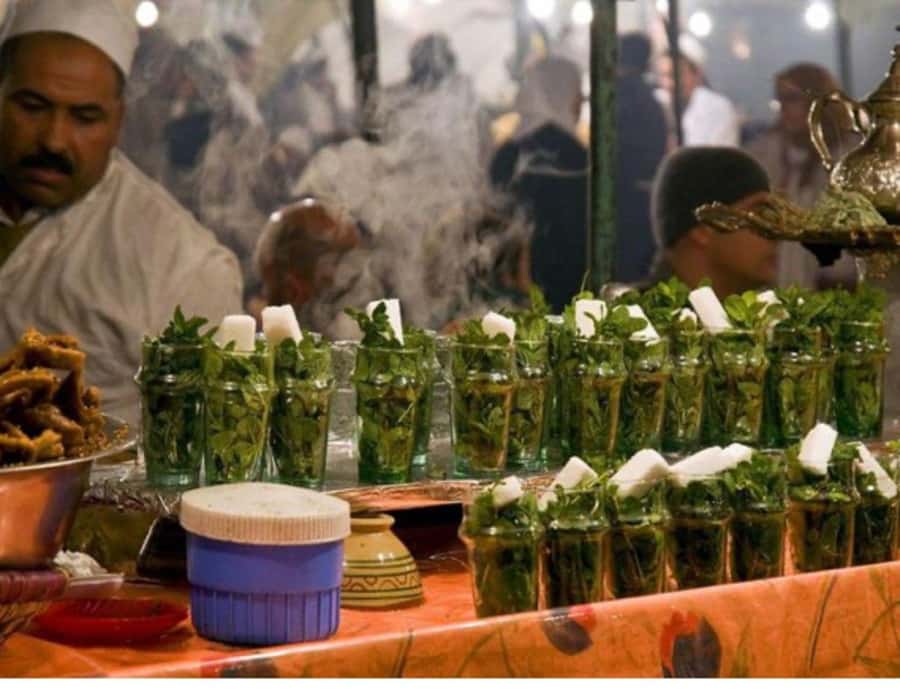
Book it if you want food plus orientation, especially on a first Casablanca visit. The price is fair for a half-day route that combines tastings, markets, architecture, shopping, and local guidance. El Mehdi and Sanaa appear to offer the warm, personal style that makes this kind of tour work at its best.
Do not book it for a formal meal, a guaranteed fixed menu, or wheelchair access. Food allergies are also a serious concern, and guide quality can shape the day. If you can accept a flexible route and a market-style experience, this is a practical way to get under Casablanca’s surface while keeping your appetite busy.
FAQ
How long does the Casablanca food tour last?
The experience lasts 210 minutes, or three and a half hours. The route includes Quartier Habous, the old city market, and Central Market.
What food might I taste?
Possible tastings include briouats, msemen, pastilla, Moroccan soup, bread, tagine, pastries, oysters, tea, cookies, and coffee. The exact selection may vary.
Does the tour include hotel pickup and return?
The experience describes pickup from your hotel in Casablanca and an escort back to your hotel afterward.
Which languages are available?
Live guiding is available in English, French, Italian, and Arabic. German is not listed.
Is the tour suitable for people with food allergies?
No. The experience is marked as unsuitable for people with food allergies. Consider your dietary restrictions before booking.
Is the tour wheelchair accessible?
No. It is not suitable for wheelchair users.
What should I bring?
Bring comfortable walking shoes, a sun hat, water, a camera, biodegradable sunscreen, and insect repellent.
Can I cancel for a refund?
You can cancel up to 24 hours in advance for a full refund. A reserve-now-and-pay-later option is also available.
Just listed around Casablanca
- Your Private Casablanca Transfer★ 5.0 · 52 reviews
- Casablanca Airport Transfer from hotel in Casablanca★ 5.0 · 18 reviews
- Exclusive tour of Casablanca with access to the Hassan II Mosque★ 5.0 · 205 reviews
- Amazing airport pickup/ drop off in Casablanca/ safe&easy★ 5.0 · 218 reviews
- Sunset Camel Ride in the Palm Grove Of Marrakech★ 5.0 · 34 reviews
- 14 Days From Casablanca- Morocco Grand Tour★ 5.0 · 24 reviews
- Private full day trip to chefchaouen from Casablanca with lunch★ 5.0 · 20 reviews
- Marrakeck City tour from Casablanca all the day around trip★ 5.0 · 35 reviews
Food & Drink, compared.
3-Day Tour to Merzouga Erg Chebbi with Food & Camel Trek
Read our review →
Authentic Moroccan Food Tour in Marrakech with Dinner
Read our review →
Browse the lists this tour appears in