
Reviewed · COOKING CLASSES
l’Atelier – Moroccan Cooking Workshop in Essaouira
Moroccan cooking starts in the spice souk. At L’Atelier Madada, you shop for ingredients with a Moroccan chef, prepare a traditional two-course meal, and sit down to eat what you made. I like the small group size of up to eight and the fact that the class teaches practical dishes you can try again at home. The only drawback is the four-hour-plus schedule, which may feel long if you have limited time in Essaouira.
The workshop begins at 10:30 a.m. at 1 Rue Mohamed Ben Masoud and ends there after lunch, mint tea, and pastries. I also like the relaxed teaching style, especially for beginners, and the chance to learn about spices in the medina rather than only hearing a kitchen lecture. You will need to arrange your own way to the meeting point, since hotel pickup is not included.
This is a good choice if you want more than a meal in Essaouira. You get food, local shopping, cooking instruction, and a little cultural context in one half-day activity. At $69.79 per person, the price is reasonable if you value the hands-on work and the included lunch, though it is more expensive than simply eating at a local restaurant.
In This Review
- Key points at a glance
- Why this Essaouira cooking class is worth your morning
- Arriving at L’Atelier Madada at 10:30 a.m.
- Starting with Moroccan tea and kitchen basics
- Hands-on cooking with Maryam, Miriam, and Chef Aisha
- Walking through the Essaouira spice souk
- Sitting down to eat your two-course lunch
- How the group size affects the experience
- Price, timing, and what you receive
- What could be better
- Who should book this Essaouira workshop?
- Should you book L’Atelier Madada?
- FAQ
- Where does the Moroccan cooking workshop begin?
- What time does the experience start?
- How long does the workshop last?
- Where does the experience end?
- Is hotel pickup included?
- What food is included?
- Is mint tea included?
- How many people can join the class?
- Can I cancel for a full refund?
Key points at a glance
- Shop the spice souk with a Moroccan chef: The market visit explains how herbs and spices are used, not just where to buy them.
- Cook in a small class: With a maximum of eight people, the format allows room for questions and hands-on preparation.
- Make food you can repeat at home: Instructions focus on traditional dishes and useful techniques rather than a decorative demonstration.
- Eat a two-course homemade lunch: The meal you prepare becomes the main event at the end of the morning.
- Learn from a friendly teaching team: Maryam, Miriam, and Chef Aisha are named as instructors associated with the class.
- Finish with mint tea and pastries: The final sitting gives the workshop a distinctly Moroccan close.
Why this Essaouira cooking class is worth your morning
Essaouira is easy to enjoy at street level. You can wander the medina, watch boats come and go, and stop for seafood or pastries. A cooking workshop adds a different layer: it explains what is behind the food you see on Moroccan menus.
I like that L’Atelier does not treat Moroccan cooking as a quick photo opportunity. You prepare the meal yourself, learn about the ingredients, and then eat the result. That combination makes the experience useful as well as pleasant.
The class also gives you a break from walking. Essaouira’s medina can be busy and tiring, especially when the wind is up. Spending part of the day in a prepared kitchen, then taking a short walk through the souk while the food cooks, creates a nice change of pace.
The teaching style suits people who are not confident cooks. Clear instructions and patient help matter here. You do not need to arrive with advanced kitchen skills, and the class is designed around dishes that can be reproduced at home.
More cooking classes in Essaouira:
- Traditional Moroccan Cooking Class
★ 5.0 · 81 reviews - Essaouira: Traditional Family Style Moroccan Cooking Class
★ 5.0 · 58 reviews - Traditional Moroccan and Berber cooking classes
★ 5.0 · 40 reviews
Arriving at L’Atelier Madada at 10:30 a.m.
The meeting point is 1 Rue Mohamed Ben Masoud in Essaouira. The activity starts at 10:30 a.m. and returns to the same place, so you do not need to arrange a second pickup point at the end.
Hotel pickup is not included. Plan to reach the address independently, using local transport or walking if you are staying nearby. The location is near public transportation, which helps if your accommodation is outside the medina.
Bring your mobile ticket and arrive with enough time to find the address. A cooking class has a fixed start, and arriving late can mean missing the opening explanations or the first preparation steps.
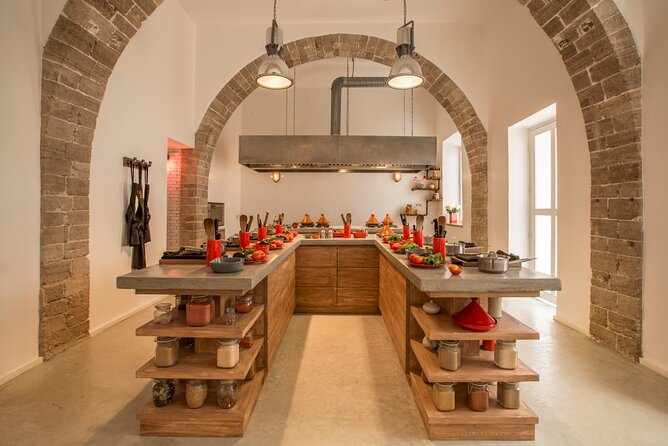
The setting is described as a clean, attractive kitchen inside a shop and cafe. That matters more than it may sound. A purpose-built teaching kitchen gives everyone a clear place to work, while the cafe and shop add atmosphere without turning the class into a hurried restaurant event.
Starting with Moroccan tea and kitchen basics
The workshop begins in a friendly, casual setting. Moroccan mint tea is part of the welcome and returns at the end with sweet pastries.
Tea is not just a drink here. It helps set the rhythm of the morning and introduces one of the country’s most familiar food customs before you start chopping and cooking. You also get a chance to meet the instructors and the other people in the group.
The class focuses on preparing a traditional meal. The exact menu can vary, but dishes described in the experience include tagine and bean soup. One class prepared lamb tagine, while other examples refer to tagines more generally and a two-course lunch.
That menu is a sensible choice for a workshop. Tagine teaches you about slow cooking, seasoning, and the way Moroccan dishes build flavor over time. A soup adds a separate lesson in texture and balance. You are not simply assembling a salad and calling it lunch.
Hands-on cooking with Maryam, Miriam, and Chef Aisha
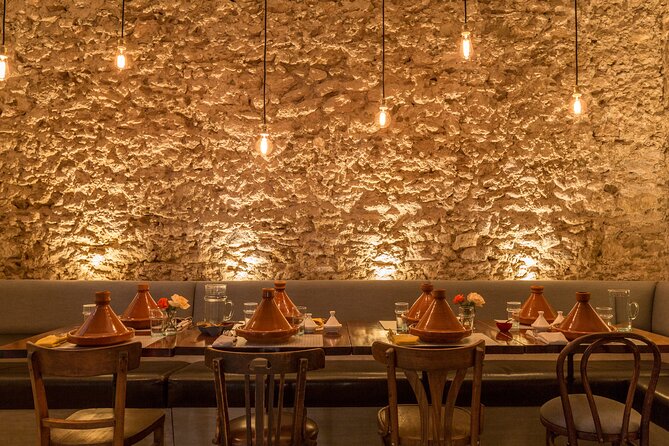
The teaching team is praised for patient, clear instruction. Names associated with the class include Maryam, Miriam, and Chef Aisha. The instruction can be given in English and French, and the format is intended to keep beginners at ease.
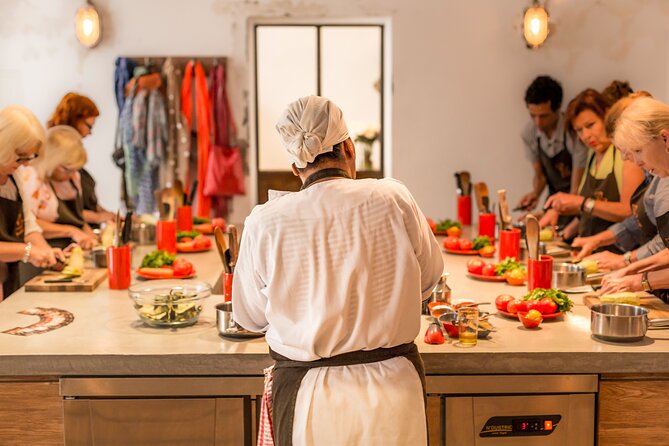
The strongest part of the class is the amount of participation. You cut, prepare, cook, and help with the meal rather than watching a chef do everything. That makes the four-hour schedule feel more worthwhile, since the time is filled with real tasks and explanations.
You also learn general cooking methods and possible alternatives for ingredients. This is useful if you want to recreate the food outside Morocco, where the exact fresh herbs or spice blends may not be available.
The slow cooking time is built into the plan. A tagine may cook for more than two hours, and the group uses that time for the souk visit. This is a practical arrangement, though anyone expecting a fast class should know that the meal develops gradually.
I would bring a small notebook or use your phone for notes if you want to remember proportions and techniques. Recipes are provided, which makes the class much more useful after your holiday. Fresh Moroccan spices will not be identical to what you find at home, but the recipes give you a workable starting point.
A few more Essaouira runs to hold up against each other
- Essaouira: Surf Lessons
★ 4.9 · 412 reviews - Kitesurfing Lessons in Essaouira Beach
★ 5.0 · 206 reviews - Group Kitesurfing lesson with a Local in Essaouira Morocco
★ 5.0 · 175 reviews - Surf Lesson with local surfer in Essaouira Morocco
★ 5.0 · 166 reviews
Walking through the Essaouira spice souk
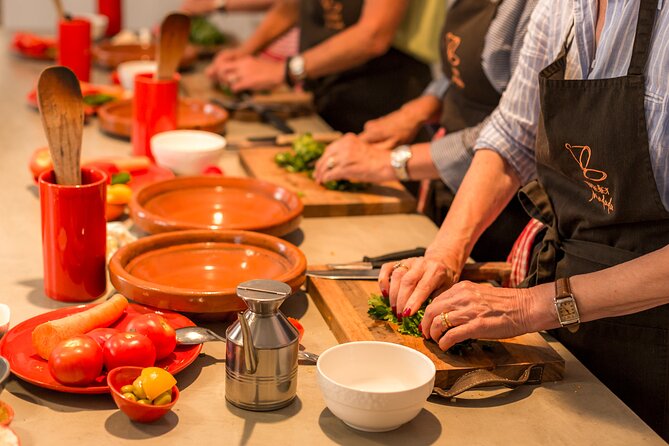
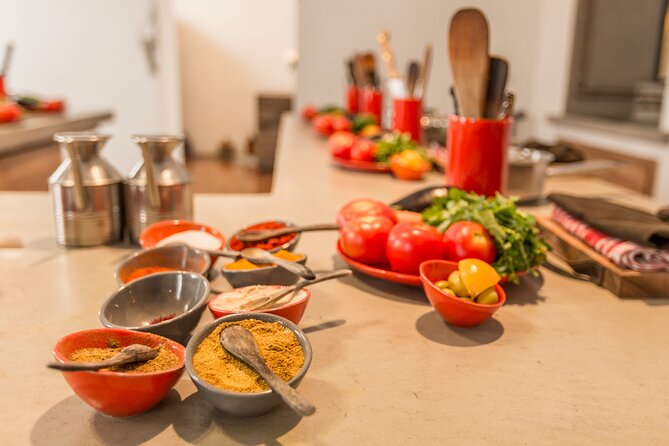
The souk visit is more than a shopping stop. A Moroccan chef explains herbs, spices, and their place in local cooking. You may learn why a particular spice belongs in a tagine, how blends are used, or which ingredients are worth taking home.
This is one of the most valuable parts of the experience because it connects the kitchen to the city. Instead of seeing bowls of colorful powder as decoration, you get guidance on their use.
A spice merchant visit is included, and you have the chance to buy spices if you wish. There is no stated pressure to purchase, which is helpful in a market setting. One unusual shopping suggestion mentioned is Berber clothes moth repellent, a reminder that the souk sells practical household items as well as cooking ingredients.
You should still approach any market purchase with common sense. Ask what an item is, how it is used, and how much you are buying. The point of the visit is learning, not filling your suitcase with every bright-colored powder on display.
The souk walk also makes good use of the cooking time. The food can continue on its slow heat while you are away, so the market visit does not feel like an unrelated add-on.
Sitting down to eat your two-course lunch
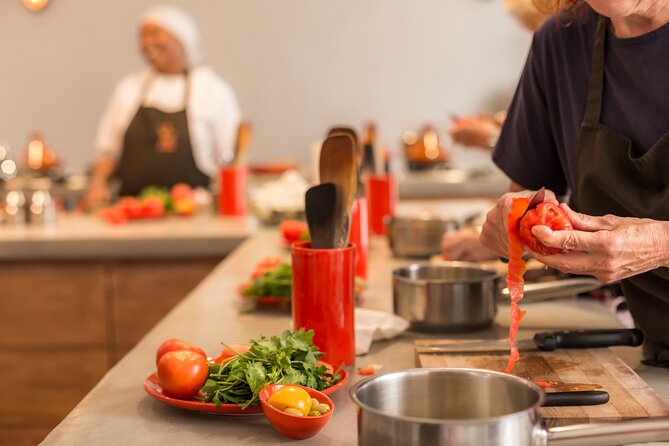
The final meal is served in the oriental lounge at L’Atelier. You eat the dishes prepared during the class, followed by Moroccan mint tea and pastries.
This is where the workshop pays off. A restaurant can serve you an excellent tagine, but here you understand the work behind it. You have handled the ingredients, watched the dish develop, and can compare the finished flavor with your own expectations.
The two-course format is filling without turning the afternoon into a long formal meal. It also gives the group time to talk about the food and Moroccan culture. One appealing feature is the chance to share food traditions from different countries, which adds a social element without requiring a large group.
The food itself receives very strong praise in the supplied comments, especially the tagine and bean soup. The setting is also described as beautifully prepared and comfortable. If you care about atmosphere as much as the recipe, the lounge and cafe setting add something to the experience.
Mint tea and pastries are a fitting ending. They extend the meal rather than rushing you out as soon as the main dish is finished.
How the group size affects the experience
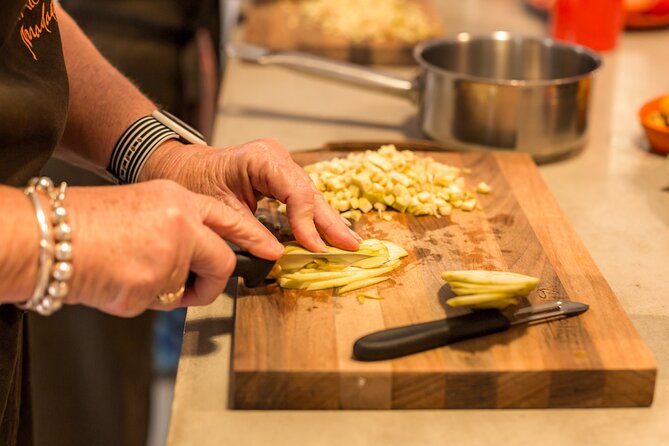
The maximum group size is eight people. That is small enough for the instructors to watch what you are doing and answer questions.
Small classes are especially useful for beginners. If you are unsure how finely to chop something or when to add a spice, you can ask without interrupting a large demonstration. The class also works well for couples and families who want an activity they can share.
The experience is not limited to expert food lovers. It has been described as suitable for people who were apprehensive about cooking and left feeling comfortable. Families can join, but children must be accompanied by an adult.
A small group does not guarantee a private class. You may still work with people from several countries, and the social side is part of the appeal. If you want a quiet, private lesson, this may not be the right format.
Price, timing, and what you receive
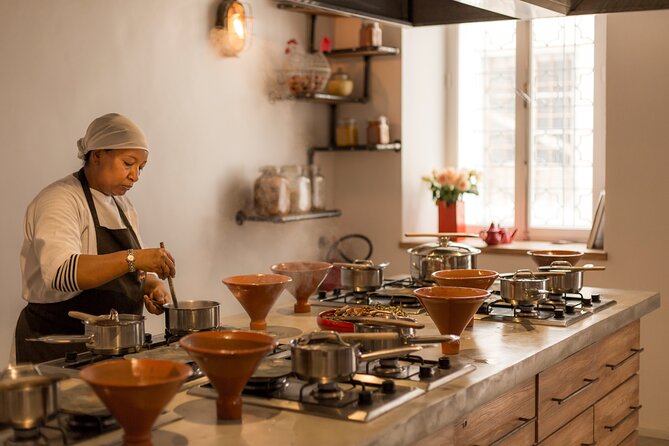
The listed price is $69.79 per person. That includes the cooking workshop and the two-course lunch. The experience also includes the souk and spice merchant visit, mint tea, and pastries.
I consider that fair value for a four-hour-and-fifteen-minute activity in Essaouira, especially because the class is hands-on and recipes are provided. You are paying for instruction, ingredients, the meal, the market visit, and the use of the prepared kitchen.
It is less compelling if you mainly want a cheap lunch. A local restaurant will cost less, and you will not have to spend a morning cooking. The price makes the most sense for you if you care about learning how Moroccan food is made.
The 10:30 a.m. start is useful. You can have a light breakfast first, spend the morning at the workshop, and still have part of the afternoon free for the medina or the coast. If you are in Essaouira for only one day, the fixed four-hour schedule deserves attention.
The experience is booked, on average, 26 days ahead. That suggests you should reserve early during busy periods, particularly if you need a specific date or are traveling with family.
What could be better
The main limitation is the length. Four hours and fifteen minutes is a substantial commitment, even though the market walk and meal help break it up.
The menu is not presented as one fixed selection in the available details. You might prepare lamb tagine, bean soup, or another traditional combination. If you need a vegetarian, vegan, halal, or allergy-specific menu, confirm the options before booking because no dietary details are provided.
Hotel transportation is also not included. The meeting point is near public transport, but you are responsible for getting there and back.
Finally, the class is practical rather than highly specialized. You will learn useful Moroccan techniques, but this is not aimed at professional chefs or people seeking advanced culinary training. For most visitors, that is a benefit. The class stays friendly and approachable.
Who should book this Essaouira workshop?
I would recommend it to you if you:
- Want a cultural activity that is more active than sightseeing
- Enjoy Moroccan food and want to understand the spices
- Prefer small groups
- Are a beginner or only an occasional cook
- Want recipes you can attempt at home
- Are traveling as a couple, family, or small group
- Have a free morning in Essaouira
You may want to skip it if you have only a few hours in town, dislike group activities, or would rather spend your entire day exploring the medina. It is also worth checking the menu in advance if you have dietary restrictions.
Should you book L’Atelier Madada?
Yes, if you want to connect the food on your plate with the markets and methods behind it. The combination of patient instruction, a small group, a spice-souk walk, and a homemade lunch gives you a fuller experience than a standard cooking demonstration.
The best reason to book is practical: you leave with more than a pleasant memory. You gain recipes, cooking ideas, and a better sense of how Moroccan spices work. Book at least 24 hours ahead if your plans may change, since free cancellation applies only when you cancel at least 24 hours before the 10:30 a.m. start.
At $69.79, this is not the cheapest way to eat in Essaouira. It is a good price for a half-day activity that combines instruction, food, and local culture. If that sounds better than another morning of simply wandering, L’Atelier Madada is a strong pick.
FAQ
Where does the Moroccan cooking workshop begin?
It begins at 1 Rue Mohamed Ben Masoud in Essaouira, Morocco.
What time does the experience start?
The workshop starts at 10:30 a.m.
How long does the workshop last?
It lasts approximately four hours and fifteen minutes.
Where does the experience end?
The activity ends back at the meeting point.
Is hotel pickup included?
No. Hotel pickup is not included, so you must arrange your own transportation to the meeting point.
What food is included?
A two-course lunch of traditional Moroccan cuisine is included. The meal may include dishes such as tagine and bean soup.
Is mint tea included?
Yes. Moroccan mint tea and sweet pastries are served as part of the experience.
How many people can join the class?
The activity has a maximum of eight participants.
Can I cancel for a full refund?
Yes, if you cancel at least 24 hours before the experience start time. Cancellations made less than 24 hours in advance are not refunded, and changes within that period are not accepted.
Just listed around Essaouira
- Private Kitesurf Lesson in Essaouira Morocco★ 5.0 · 38 reviews
- How To Be A Real Moroccan Chef★ 5.0 · 101 reviews
- Group Kitesurfing lesson with a Local in Essaouira Morocco★ 5.0 · 175 reviews
- Surf Lesson with local surfer in Essaouira Morocco★ 5.0 · 166 reviews
- Surf Rental★ 5.0 · 31 reviews
- Individual Lessons of Kite Surf in Essaouira★ 5.0 · 113 reviews
- The Sunday Market in Had Draa & Local Food Tasting.★ 5.0 · 33 reviews
- Essaouira: Private Transfer from or to Essaouira Airport★ 5.0 · 17 reviews
Cooking Classes, compared.
Traditional Moroccan Cooking Class & Market Visit
Read our review →
Moroccan Dishes Cooking Class with a Local Chef
Read our review →
Moroccan Cooking Class & Marrakech Market Visit with Chef Khmisa
Read our review →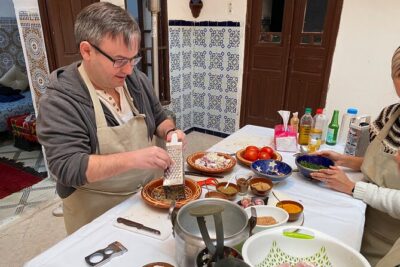
Half-Day Cooking Class with Local Chef Laila in Marrakech
Read our review →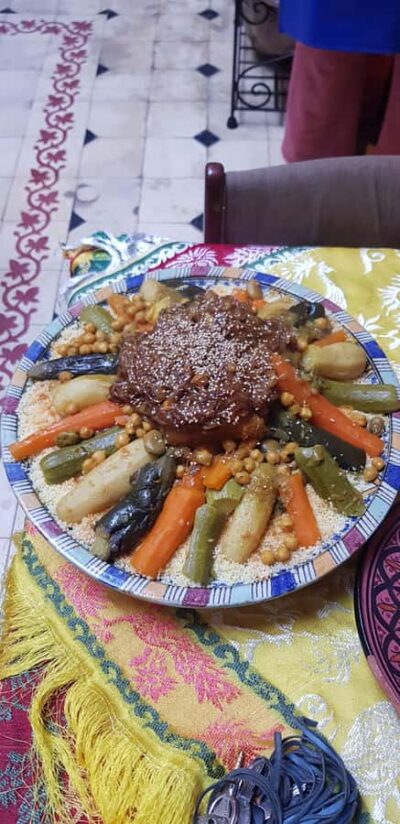
Browse the lists this tour appears in