
Reviewed · COOKING CLASSES
Traditional Moroccan Cooking Class
Moroccan food begins at the market. This four-hour Essaouira cooking experience takes you from the Bab Marrakech meeting point into local markets, then into Fatima’s home to prepare and eat traditional dishes together. I like the market visit because you do not simply receive a prepacked basket of ingredients. You help choose fresh produce, spices, and sometimes fish or poultry, which gives the meal a clear connection to daily life in Essaouira. I also like the personal welcome: mint tea, family recipes, and patient instruction from Fatima make this feel more like a home visit than a restaurant demonstration.
The main consideration is that this may be partly a hands-on cooking class and partly a shared meal in a local home. One account describes doing much of the vegetable preparation while Fatima handled more of the cooking. If you want a formal lesson where you prepare every step yourself, ask about the planned dishes and your role before booking. The experience has a 4.9 rating from 81 reviews, with 99 percent recommending it, so the overall response is very strong.
In This Review
- Key Points Before You Book
- Why This Essaouira Class Feels Different
- Meeting Fatima at Bab Marrakech
- Shopping for Ingredients in Essaouira
- Mint Tea and a Moroccan Home Kitchen
- Preparing Tagine, Couscous, and More
- The Food You Finally Eat
- How Much Value Do You Get for $39?
- Who Will Enjoy This Most?
- Practical Tips for a Better Morning
- Should You Book This Essaouira Cooking Class?
- FAQ
- Where does the cooking class start?
- What time does the activity begin?
- How long does the cooking experience last?
- Where does the activity end?
- What dishes might I learn to cook?
- Is Pastilla included?
- Is this a private activity?
- Is the experience available by mobile ticket?
- What is the cancellation policy?
Key Points Before You Book
- Market shopping comes first: Meet at or near Bab Marrakech and shop for the ingredients with Fatima before cooking.
- Fatima hosts in her own home: Expect mint tea, conversation, family recipes, and a personal look at Moroccan food traditions.
- Dishes can vary: Possible recipes include tagine, couscous, Harira soup, Moroccan bread, zaalouk, aubergine salad, and fresh sardine tagine.
- Pastilla is not included: This dish takes too long for the class, so it is specifically left out.
- The meal is part of the lesson: You prepare the food and then sit down to eat what you have made with Berber mint tea.
- It is a private activity: Only your group is scheduled to participate, although the exact group arrangement should be confirmed when booking.
Why This Essaouira Class Feels Different
Essaouira has plenty of restaurants serving Moroccan food. You can order a tagine, watch the lid come off, and enjoy the familiar smell of saffron, cumin, preserved lemon, or slow-cooked vegetables. But eating a finished dish tells you little about how Moroccan cooks select ingredients, balance spices, or build a meal.
This class begins before the kitchen. You meet in the old medina area and go shopping with Fatima. That simple change matters. Instead of treating food as a staged performance, the experience connects your lunch to the market, the local sellers, and the ingredients available that day.
The setting also changes the mood. You are welcomed into Fatima’s home, where the class includes Moroccan mint tea and conversation. Several highly positive accounts describe her as warm, encouraging, attentive, and easy to communicate with. Her husband is also described as welcoming, adding to the feeling that you are being received into a household rather than processed through a commercial activity.
The result is informal and social. I would choose this class if you want to understand how food fits into Moroccan home life. I would choose a professional culinary school instead if you want exact measurements, polished workstations, and a tightly timed demonstration.
More cooking classes in Essaouira:
- l’Atelier – Moroccan Cooking Workshop in Essaouira
★ 5.0 · 110 reviews - Essaouira: Traditional Family Style Moroccan Cooking Class
★ 5.0 · 58 reviews - Traditional Moroccan and Berber cooking classes
★ 5.0 · 40 reviews
Meeting Fatima at Bab Marrakech
The published start point is Parking Bab Marrakech at Place Bab Marrakech, Essaouira 44000, with a 9:30 am start. The description also refers to meeting in Place de l’Horloge in the old medina, so confirm the precise spot and pickup details when you book. That is a useful step in Essaouira, where nearby squares and gates can be easy to confuse.
The location is practical for anyone staying near the medina. The activity is listed as being near public transportation, and one account refers to taking a small taxi to the market. The experience ends back at the meeting point, so you do not need to arrange a separate return transfer.
Arrive ready to walk and shop. The market portion is not filler. You may see piles of local vegetables, ask about spices, and help select the food that will become your meal. One particularly detailed account mentions choosing a bird and seeing spices ground for the meal. Other cooking sessions included fresh sardines, so the menu can reflect Essaouira’s coastal setting.
Because market schedules can vary, the shopping stop may not look identical every day. One Sunday session used a market that opens only on Sundays. If a particular market or ingredient matters to you, ask Fatima about it before the class.
Shopping for Ingredients in Essaouira
The market visit is the strongest part of the experience for anyone who wants more than a standard cooking demonstration. Fatima guides you through the purchases and helps you select suitable ingredients. You get to see how the meal starts with ordinary local shopping rather than a mysterious pile of premeasured food.
This is also where you can ask the most useful questions. Which spices work with fish? How do you choose vegetables for a tagine? What makes a good aubergine for zaalouk? How do Moroccan cooks judge quality without relying on printed recipes or labels?
The information supplied about the class does not promise a fixed menu. That is a benefit if you enjoy flexibility, but it requires realistic expectations. Accounts describe vegetable tagine, sardine tagine, couscous, zaalouk, aubergine salad, bread, and other dishes. The meal you cook may depend on the day, the market, and the choices made by your group.
If you have dietary restrictions, tell Fatima before the class. The available information does not specify a vegetarian, vegan, gluten-free, or allergy-friendly menu. Do not assume a substitution is possible simply because the dishes are made from fresh ingredients.
Mint Tea and a Moroccan Home Kitchen
After shopping, Fatima welcomes you into her home with Moroccan mint tea. This pause helps shift the experience from market outing to kitchen visit. Tea is not just a drink here. It gives you time to settle in, meet the host, and ask questions before the cooking begins.
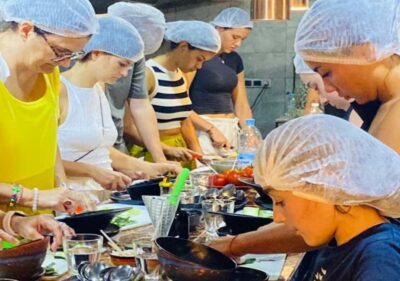
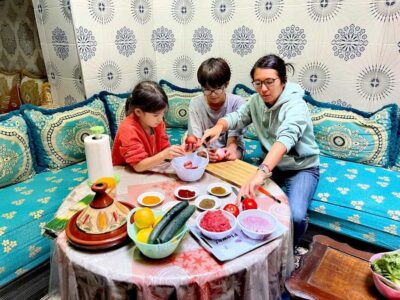
The home setting is a major reason this activity has earned such a high rating. You are not watching from a distant table or sitting in a large class. The tone is personal, relaxed, and conversational. Several accounts describe asking many questions, learning about the ingredients, and spending time with Fatima and her family.
That intimacy has a practical tradeoff. A private home kitchen may not operate like a teaching kitchen with a separate station for every person. You may chop vegetables, mix ingredients, shape bread, or help with preparation, but Fatima may complete some of the more involved cooking. One less positive account felt it was more of a meal than a full cooking class, with the visitors preparing vegetables while Fatima explained some parts.
That criticism is worth taking seriously. Before you begin, ask what you will personally cook. If your priority is learning every technique by doing it yourself, set that expectation early and politely.
A few more Essaouira runs to hold up against each other
- Essaouira: Surf Lessons
★ 4.9 · 412 reviews - Kitesurfing Lessons in Essaouira Beach
★ 5.0 · 206 reviews - Group Kitesurfing lesson with a Local in Essaouira Morocco
★ 5.0 · 175 reviews - Surf Lesson with local surfer in Essaouira Morocco
★ 5.0 · 166 reviews
Preparing Tagine, Couscous, and More
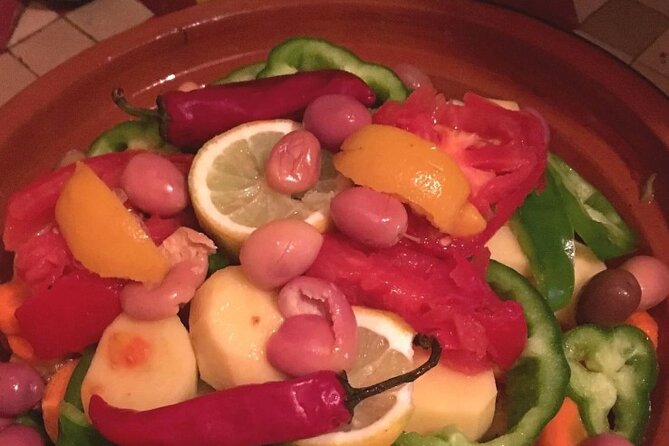
Tagine is the central possibility here, and the class is a good place to learn the logic behind it. You may work with vegetables, fish, or another local ingredient, depending on the day. The point is not only to follow a recipe. Fatima shows you how to layer ingredients, use spices, and cook the dish in the traditional vessel.
Several sessions included two dishes, such as a tagine with zaalouk or aubergine salad. That combination is useful because it shows two different parts of Moroccan cooking. The tagine offers a slow-cooked main course, while zaalouk or aubergine salad provides a softer vegetable dish with its own seasoning and texture.
Couscous is also listed as a possible lesson. Fatima explains the process step by step and shares recipes learned from her grandmother. That family connection gives the class a sense of continuity, but remember that the exact recipes and menu are not fixed in the supplied details.
Moroccan bread and Harira soup are also named as dishes she teaches. They may be included in the session you book, or they may be options discussed with your group. Ask before arrival if you have your heart set on one particular recipe.
Pastilla is specifically excluded because it takes too much time. That is not a flaw in a four-hour class. Pastilla involves more preparation than many visitors expect, and leaving it out allows the session to focus on dishes that can be shopped for, prepared, cooked, and eaten within the available time.
The Food You Finally Eat
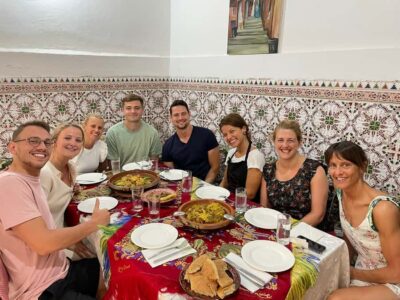
At the end, you sit down to enjoy the food prepared during the class, accompanied by Berber mint tea. This shared meal is more than a convenient finish. It gives you a chance to taste the result while the steps are still fresh in your mind.
The food receives some of the clearest praise. Accounts describe delicious tagines, flavorful meals, excellent sardine dishes, and recipes worth recreating at home. One session included a vegetable tagine and zaalouk. Another focused on tagine and bread. The repeated message is that the food is a strong part of the value.
You also get a natural moment to compare what you expected with what you tasted. Moroccan cooking often depends on balance rather than heat alone. Sweet and savory notes, herbs, spices, vegetables, and slow cooking all matter. Fatima can explain those choices in the context of the actual dish in front of you.
Do not expect a restaurant-style tasting menu. This is a home meal made during a class, and the final presentation may be simple. That is part of its appeal, but it also reinforces the need to book it for hospitality and participation, not for professional culinary theater.
How Much Value Do You Get for $39?
At $39 per person, the price is reasonable for a four-hour private experience that includes market shopping, instruction, food preparation, and the meal itself. You are paying for more than a cooking lesson. The price also covers access to a local home, personal guidance, ingredients, tea, and time spent with the host.
The value is strongest if you would otherwise pay separately for a market tour and a meal. Here, those pieces are joined together. You also leave with recipes and practical ideas that you can try at home, according to several accounts.
The value is less certain if you measure a class by how many technical skills you perform yourself. If Fatima does most of the cooking for your session, the experience becomes closer to a hosted food experience with guided preparation. That can still be worthwhile, but it is a different purchase.
The activity is commonly booked about 14 days ahead. That suggests you should not wait until the last minute if your Essaouira dates are fixed. Confirmation is received at booking, and free cancellation is available up to 24 hours before the local start time. If the minimum number of participants is not met and the activity is canceled, you are offered another date or experience, or a full refund.
Who Will Enjoy This Most?
I would recommend this class to you if you value personal contact, local food shopping, and an unpolished home setting. It suits curious cooks, couples, families, and small groups who want to ask questions and share a meal rather than simply watch a chef work.
It is also a good choice if you are new to Moroccan cooking. You can learn the names of dishes, see the ingredients before they reach the pot, and take home recipes for tagine, couscous, or other dishes prepared that day.
You may want to reconsider if you need a fixed menu, a professional kitchen, or guaranteed hands-on work at every stage. The available information does not promise a set dish list, and the experience can vary according to the market and the group.
The class is private, so only your group is meant to participate. That makes it easier to discuss preferences and ask questions, though the provided descriptions also refer to other people joining some sessions. Confirm the exact group arrangement if privacy is especially important to you.
Practical Tips for a Better Morning
Meet Fatima at the stated point and confirm whether your meeting is at Parking Bab Marrakech or Place de l’Horloge. Both locations appear in the activity details, and a clear meeting instruction will save time.
Wear comfortable clothing for a four-hour outing that includes market shopping and cooking. The activity is near public transportation, but one account used a small taxi for part of the trip, so ask Fatima what transport is best on your date.
Tell the host in advance about food preferences, allergies, or dishes you hope to prepare. The menu may include fish, poultry, vegetables, couscous, soup, bread, or tagine, and the available information does not guarantee substitutions.
Bring your appetite and a willingness to participate. The best approach is to ask questions, offer to help, and be clear if you want more hands-on instruction. You will get more from the class if you treat the market and conversation as part of the lesson, not as time before the real cooking starts.
Should You Book This Essaouira Cooking Class?
Book it if you want a warm, personal introduction to Moroccan home cooking. The market visit, Fatima’s hospitality, flexible menu, mint tea, and shared meal give the experience real local character. At $39, it offers good value for four hours, especially if you want both food and conversation.
Do not book it expecting a formal culinary school. You may prepare several ingredients and learn useful methods, but Fatima may handle some of the main cooking. Ask about the dishes and your role before confirming if hands-on technique is your main goal.
For most visitors who want to eat well, meet a local host, and understand Moroccan food from market to table, this is a strong Essaouira choice.
FAQ
Where does the cooking class start?
The published start point is Parking Bab Marrakech at Place Bab Marrakech in Essaouira. The description also refers to meeting at Place de l’Horloge in the old medina, so confirm the exact meeting location when booking.
What time does the activity begin?
The stated start time is 9:30 am.
How long does the cooking experience last?
The activity lasts approximately four hours.
Where does the activity end?
The experience ends back at the meeting point.
What dishes might I learn to cook?
Possible dishes include tagines, couscous, Harira soup, Moroccan bread, zaalouk, and aubergine salad. Fresh sardine tagine and vegetable tagine have also been prepared during sessions. The menu is not fixed in the supplied details.
Is Pastilla included?
No. Pastilla is not included because it takes too much time to prepare within the experience.
Is this a private activity?
Yes. It is described as a private activity in which only your group participates. Confirm the exact group arrangement if this is important to you.
Is the experience available by mobile ticket?
Yes. A mobile ticket is listed as one of the features.
What is the cancellation policy?
You can cancel up to 24 hours before the local start time for a full refund. Cancellations or changes made less than 24 hours in advance are not accepted for a refund. If the minimum number of participants is not reached and the activity is canceled, you are offered another date or experience, or a full refund.
Just listed around Essaouira
- Private Kitesurf Lesson in Essaouira Morocco★ 5.0 · 38 reviews
- Group Kitesurfing lesson with a Local in Essaouira Morocco★ 5.0 · 175 reviews
- How To Be A Real Moroccan Chef★ 5.0 · 101 reviews
- Surf Lesson with local surfer in Essaouira Morocco★ 5.0 · 166 reviews
- Surf Rental★ 5.0 · 31 reviews
- Individual Lessons of Kite Surf in Essaouira★ 5.0 · 113 reviews
- Essaouira: Private Transfer from or to Essaouira Airport★ 5.0 · 17 reviews
- The Sunday Market in Had Draa & Local Food Tasting.★ 5.0 · 33 reviews
Cooking Classes, compared.
Traditional Moroccan Cooking Class & Market Visit
Read our review →
Moroccan Dishes Cooking Class with a Local Chef
Read our review →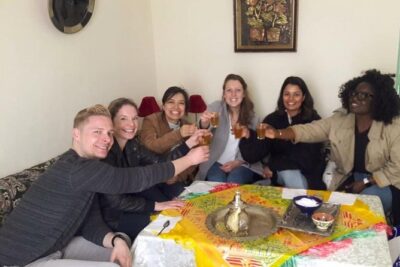
Moroccan Cooking Class & Marrakech Market Visit with Chef Khmisa
Read our review →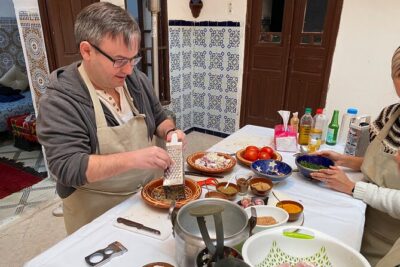
Half-Day Cooking Class with Local Chef Laila in Marrakech
Read our review →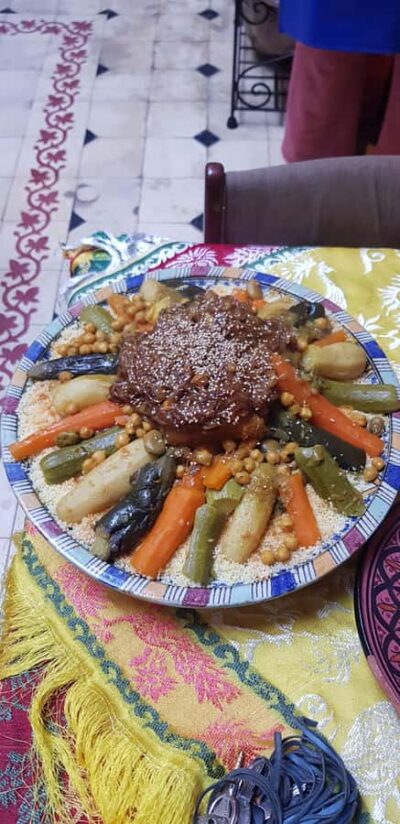
Browse the lists this tour appears in