
Reviewed · BERBER VILLAGE TOURS
Berber Cooking Class at a Farm in the Countryside & shopping at a rural Souk.
Follow the food from souk to farm. This seven-hour outing takes you 35 kilometers south of Essaouira into the Haha region, where Berber families grow crops, keep goats and sheep, and still prepare food with fire, stone, clay, and patience. I like the honest route through the day: you shop for ingredients at a rural market, then cook them at an ecological farm.
I also like the small-group format, limited to eight people, and the chance to learn from local women named Khadija and Khadija. The main consideration is comfort: this is a countryside day built around traditional methods, not a polished demonstration kitchen, and the goat meat, outdoor setting, weather, and market stop may not suit every visitor.
In This Review
- Key Points at a Glance
- From Essaouira to the Haha Hills
- Shopping for Ingredients at a Rural Souk
- Inside the Authentic Berber Kitchen
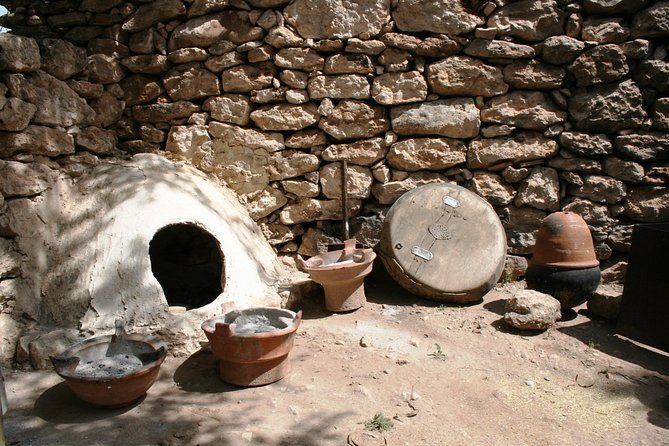
- Bread, Couscous, and the Clay Oven
- Preparing the Goat and Vegetable Tagine
- Lunch Under the Farm Sky
- The Argan Oil Option
- Goats in the Argan Trees
- Is $98.76 a Fair Price?
- Who Will Enjoy This Day Most?
- Practical Details Before You Go
- Should You Book the Berber Farm Cooking Class?
- FAQ
- Where does the cooking class take place?
- What time does the experience start?
- How long does the experience last?
- What food will I learn to prepare?
- Is the argan oil cooperative visit included?
- What happens if the weather is poor?
Key Points at a Glance
- Rural souk shopping: Choose fresh vegetables, fruit, meat, eggs, honey, and other daily staples before cooking.
- Traditional Berber techniques: Roast barley over a fire, grind it in a stone mill, bake bread in a clay oven, and steam couscous in a clay pot.
- Farm-to-table tagine: Prepare vegetables and goat meat with Moroccan spices, olive oil, and produce connected to the farm.
- Small group size: The experience has a maximum of eight people, which suits hands-on learning better than a large class.
- Optional argan stop: Visit a local cooperative in the argan-growing zone and taste products made from the oil.
- A full countryside day: The tour runs from 9:00 am for about seven hours and returns to its starting point in Essaouira.
From Essaouira to the Haha Hills
The day begins at 9:00 am outside Labo Abdelkrim Khatabi d’Analyses Médicales at 287 Rue Oued El Makhazine in Essaouira. From there, you travel south toward the Haha region, about 35 kilometers away.
That distance matters. This is not a cooking class tucked into the medina. The drive takes you away from Essaouira’s city streets and toward rural communities where agriculture and animal keeping remain part of ordinary life. The setting gives the food lesson a useful context: you are not simply handed premeasured ingredients, you see where a meal begins.
The area is associated with Morocco’s Indigenous Berber population. In the Haha hills, local families cultivate crops and keep mainly goats and sheep. The tour offers a direct look at that way of life without pretending that rural Morocco is a stage set made for visitors.
The group limit of eight is a strong point. A small class gives you a better chance to see what is happening around the fire, ask questions, and take part in food preparation. It also keeps the outing more personal, though confirmation is subject to availability and the activity requires a minimum number of participants.
More Berber village visits near Essaouira:
- Traditional Moroccan and Berber cooking classes
★ 5.0 · 40 reviews - Berber villages : Atlas Mountains Day Hike from Marrakech
★ 5.0 · 14,007 reviews - Marrakech: Balloon Flight, Berber Breakfast & Certificate
★ 4.8 · 8,164 reviews
Shopping for Ingredients at a Rural Souk
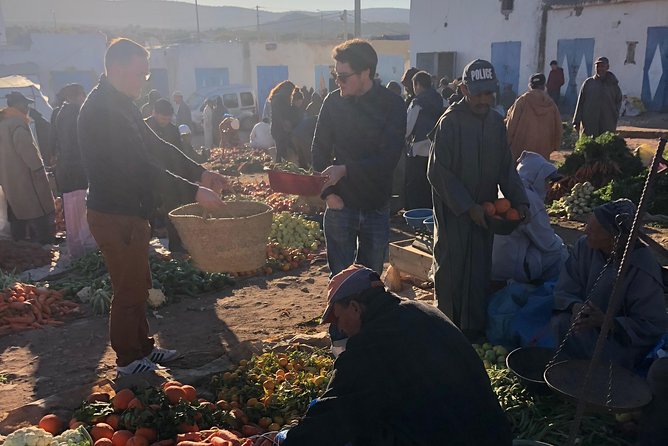
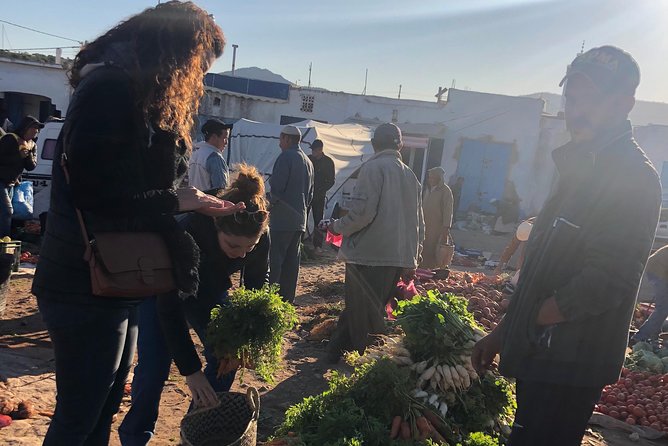
The first major stop is a local souk. This market supplies the ingredients needed for the cooking class, including freshly harvested fruit and vegetables, meat, eggs, and honey.
I like this part because it connects shopping with cooking. You can see the basic foods used in daily rural life before they reach the table. A souk is also less formal than a cooking studio. It can be a little chaotic, and that is part of the point. You are seeing a working market rather than a display arranged for easy browsing.
The market also helps explain Moroccan cooking. The meal is built from a short list of familiar foods, then shaped by spices, olive oil, fire, and time. Instead of treating Moroccan cuisine as a collection of mysterious recipes, the day shows you its practical foundation.
Do not expect a long shopping spree or a market devoted to souvenirs. The purpose is to collect cooking supplies. Fresh produce, meat, eggs, and honey are the useful discoveries here, and the stop works best if you pay attention to how local food is bought and used.
The souk can be a demanding stop for anyone who prefers quiet, highly organized settings. You may also want to ask about ingredients before the class if you do not eat meat, since the featured tagine includes goat.
Inside the Authentic Berber Kitchen
The class takes place at an ecological farm centered on an authentic Berber kitchen. Traditional cooking tools are part of the lesson, so the setting is as important as the recipe.
Khadija and Khadija demonstrate how barley grains are roasted over a fire, then ground in a stone mill. The resulting flour and semolina form the base for traditional flatbread and couscous.
This is the kind of detail that makes the class worth your time. Grinding grain by hand shows you the work hidden inside foods we usually buy ready-made. You can understand why bread and couscous have such an important place in Moroccan meals when you see the preparation from the start.
The fire also changes the pace. Cooking here is not about racing through a list of steps. You watch, help where appropriate, and let the traditional tools do their slow work. A stone mill and clay oven are not props. They shape the process and the final food.
The two local hosts are one of the most appealing parts of the day. A German-language review specifically praised Nicole, the German-speaking guide, who helped make the day accessible for German-speaking visitors. If you need a particular language, confirm that before booking, since only Nicole’s German-language guiding is specifically identified.
Bread, Couscous, and the Clay Oven
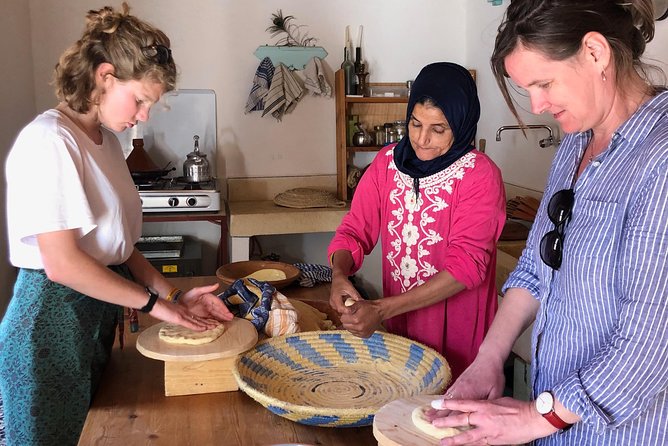
The bread lesson uses barley flour and a clay oven. You see how grain roasted over a fire becomes a useful base for flatbread, then watch the bread bake in a traditional oven.
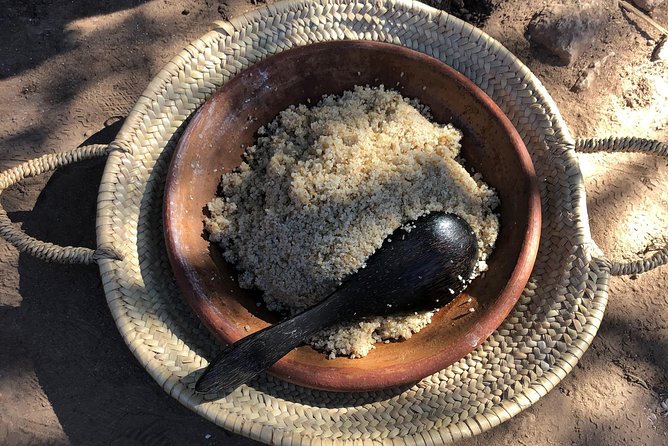
Couscous follows a similarly old-fashioned path. Semolina is prepared and steamed in a traditional clay pot. The method gives the class a clear sense of how much care goes into a dish that is often treated as a quick side at home.
I appreciate that the class covers separate parts of the meal rather than focusing only on the final tagine. Bread, couscous, and tea all have a place at the table, and each one shows a different tool or technique.
You should come ready to participate, but the supplied details do not specify exactly how much hands-on work each person receives. The small group makes personal involvement more likely, yet the hosts remain responsible for the fire and traditional equipment.
More cooking classes in Essaouira:
- l’Atelier – Moroccan Cooking Workshop in Essaouira
★ 5.0 · 110 reviews - Traditional Moroccan Cooking Class
★ 5.0 · 81 reviews - Essaouira: Traditional Family Style Moroccan Cooking Class
★ 5.0 · 58 reviews - Essaouira Cooking Class
★ 5.0 · 26 reviews
Preparing the Goat and Vegetable Tagine
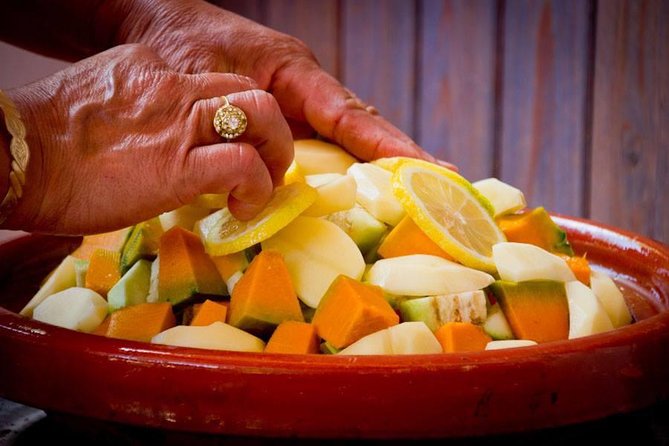
The main dish is a traditional tagine made with vegetables and goat meat. Moroccan spices and olive oil bring the ingredients together, with the olive oil coming from olive trees growing on the farm.
This is where the earlier market stop pays off. You have seen the raw ingredients, then watched the hosts turn them into a complete meal. The connection between market, farm, and cooking pot is the day’s central idea.
Goat is an important detail to consider before you book. It is a common meat in the region, and preparing it gives the class a stronger connection to local food traditions, but it will not suit vegetarians or anyone who avoids goat. The available information does not promise a substitute, so ask before confirming if you need a different main dish.
The tagine is also a useful lesson in Moroccan flavor. The spices are not presented as an abstract list. They are used with vegetables, meat, and oil to create a meal meant to be shared.
Lunch Under the Farm Sky
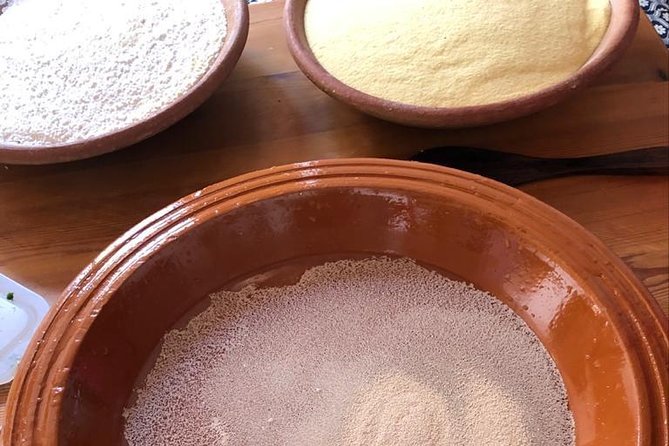
If weather allows, lunch is served outdoors. The farm’s calm setting makes the meal feel like the natural end of the cooking lesson rather than a separate restaurant stop.
You eat food prepared during the day, surrounded by the place where some of the ingredients were grown. That setting is a real part of the value. A tagine tastes different when you understand its ingredients, watch its preparation, and eat it close to the fields and olive trees that support the meal.
The outdoor lunch is also the main weather-dependent feature. If conditions are poor, the experience may be canceled rather than simply adjusted. The cancellation terms allow a different date or a full refund when bad weather causes the cancellation.
After lunch, you drink tea infused with fresh herbs from the garden. It is a simple finish, but a good one. Moroccan tea served with herbs from the farm brings the day back to its most local scale.
Keep your expectations practical. This is a rural farm meal, not a restaurant service with a broad menu and a choice of courses. Its appeal comes from the setting and the work behind the food.
The Argan Oil Option
During the drive through the argan-growing zone, you may have the option to visit an argan oil cooperative. The stop explains how argan oil is produced in this part of Morocco, which is its only source in the world.
The cooperative adds another useful layer to the day. You have already seen grains, vegetables, animals, olive trees, and a rural market. Argan oil shows how a local product can become both a food ingredient and a wider commercial product.
You also get to taste items made with argan oil. The supplied details do not say how long the stop lasts or guarantee that every departure includes it, so treat it as an optional addition rather than the main reason to book.
If you are interested in buying argan products, this may be a more meaningful place to learn about them than a shop in town. Still, keep the focus on the production lesson and tasting. The tour does not promise a particular range of products or prices.
Goats in the Argan Trees
The southern route offers a chance to see Morocco’s famous tree-climbing goats. They are particularly associated with the argan zone, where goats may climb the trees to eat their fruit.
The sight is unusual and often memorable, but it is not guaranteed. The wording makes clear that you are very likely to see them, not certain to do so. Avoid booking this experience only for a perfect goat-in-a-tree photograph.
The goats also connect the scenery to the local economy. They are part of the pastoral life of the Haha hills, just as the argan trees support oil production. The most interesting part of the sight is not just the odd image, but how it fits into the region’s farming system.
Is $98.76 a Fair Price?
At $98.76 per person, this is not a budget cooking class. The price makes more sense when you treat the outing as a full-day countryside experience rather than a single kitchen lesson.
You are paying for roughly seven hours, transport from a central Essaouira meeting point and back, the rural souk, the farm visit, instruction, lunch, tea, and possibly the argan cooperative stop. The group size is capped at eight, which adds value for anyone who wants a quieter and more personal class.
The strongest value comes from the range of experiences. A cheaper class in town might teach you a recipe, but this one shows you the market, tools, grain preparation, bread, couscous, tagine, farm setting, and regional products in one day.
The price is harder to justify if you mainly want a polished cooking demonstration or a quick meal. You may also find it less appealing if goat meat, rural driving, or weather-sensitive plans are concerns.
The rating is 4.8 from 18 reviews, with 94 percent recommending the experience. That is a strong result, though the sample is small. The clearest praise centers on the complete day, the market visit, the open-fire cooking, and the feeling of spending time with local people rather than simply watching a staged show.
Who Will Enjoy This Day Most?
I would recommend this experience to you if food is your way into a place. It suits curious eaters who want to know how Moroccan staples are made, not just taste them at the end.
It is also a good fit for people who enjoy small groups and rural settings. The class has a maximum of eight participants, and the seven-hour schedule gives the day room to unfold without rushing from one photo stop to another.
Families and couples may appreciate the mix of activities, though the available information says only that most people can participate. It does not specify child pricing, age limits, or detailed accessibility arrangements. Service animals are allowed.
You should think twice if you want a city-based class, a guaranteed outdoor lunch, or a menu designed around dietary substitutions. You should also check language arrangements if you need instruction in a language other than the one offered by your guide.
The experience is booked an average of 55 days ahead, so planning early is sensible, particularly if your Essaouira stay is short. Confirmation arrives within 48 hours, subject to availability.
Practical Details Before You Go
The tour starts at 9:00 am and ends back at the same meeting point in Essaouira. Set aside about seven hours, since the day includes travel south, shopping, cooking, eating, and the possible argan cooperative stop.
The meeting point is Labo Abdelkrim Khatabi d’Analyses Médicales, 287 Rue Oued El Makhazine, Essaouira 44000, Morocco. A mobile ticket is provided.
Free cancellation is available if you cancel at least 24 hours before the start time. Changes or cancellations inside that window are not accepted for a refund. Since good weather and a minimum group size are required, the operator may offer another date or a full refund if the activity is canceled.
Wear clothing suitable for a working farm and cooking around a fire. The supplied information does not give a dress code, but practical clothes make more sense than anything delicate or formal.
Should You Book the Berber Farm Cooking Class?
Book it if you want a full day that links rural shopping, traditional cooking, and regional food culture. The strongest parts are the souk, the hands-on work with barley and clay cookware, the goat and vegetable tagine, and the small group of no more than eight.
Skip it if you want a short class in Essaouira, need a guaranteed vegetarian menu, or prefer a highly polished kitchen with fixed indoor plans. For the right visitor, $98.76 buys much more than lunch. It buys a look at how food, farming, and daily life connect south of the city.
FAQ
Where does the cooking class take place?
The class takes place at an ecological farm in the Haha region, about 35 kilometers south of Essaouira.
What time does the experience start?
It starts at 9:00 am.
How long does the experience last?
The outing lasts approximately seven hours and ends back at the meeting point in Essaouira.
What food will I learn to prepare?
You will learn to make traditional flatbread, couscous, and a tagine with vegetables and goat meat, Moroccan spices, and olive oil.
Is the argan oil cooperative visit included?
You have the option to visit an argan oil cooperative while driving through the argan-growing zone. The visit includes information about production and a tasting of products made with argan oil.
What happens if the weather is poor?
The experience requires good weather. If it is canceled because of poor weather, you will be offered a different date or a full refund.
More Farms in Essaouira
- Moroccan Cooking Class: Farm-to-Table Tagine
★ 5.0 · 50 reviews
More Shopping Tours in Essaouira
- Essaouira: Sqala du Port, Medina Ramparts & Fish Market Tour
★ 4.7 · 212 reviews - Essaouira: Sqala du Port, Citadel, Fish Market & Medina Tour
★ 4.6 · 73 reviews - The Sunday Market in Had Draa & Local Food Tasting.
★ 5.0 · 33 reviews - Marrakech: Traditional Moroccan Cooking Class & Market Visit
★ 4.8 · 1,861 reviews
Just listed around Essaouira
- Private Kitesurf Lesson in Essaouira Morocco★ 5.0 · 38 reviews
- How To Be A Real Moroccan Chef★ 5.0 · 101 reviews
- Group Kitesurfing lesson with a Local in Essaouira Morocco★ 5.0 · 175 reviews
- Surf Lesson with local surfer in Essaouira Morocco★ 5.0 · 166 reviews
- Surf Rental★ 5.0 · 31 reviews
- Individual Lessons of Kite Surf in Essaouira★ 5.0 · 113 reviews
- The Sunday Market in Had Draa & Local Food Tasting.★ 5.0 · 33 reviews
- Essaouira: Private Transfer from or to Essaouira Airport★ 5.0 · 17 reviews
Berber Village Tours, compared.
Berber villages : Atlas Mountains Day Hike from Marrakech
Read our review →
Balloon Flight, Berber Breakfast & Certificate
Read our review →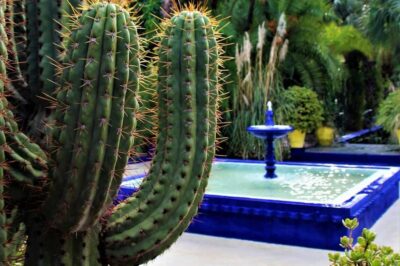
Majorelle Garden, YSL, and Berber Museum Entry
Read our review →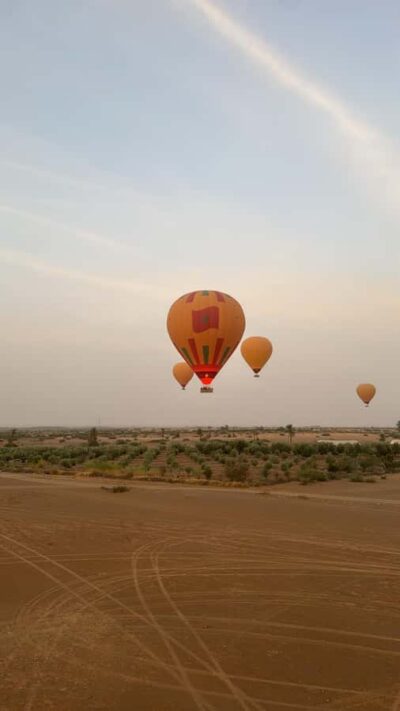
Hot Air Balloon Flight with Berber Breakfast
Read our review →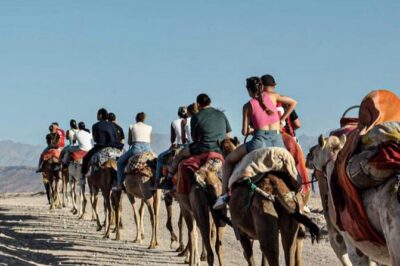
Atlas Mountains, Berber Villages and Three Valleys all inclusive
Read our review →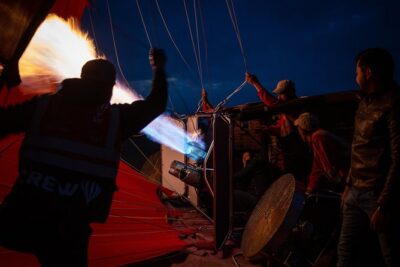
Atlas Mountains Hot Air Balloon Ride from Marrakech with Berber Breakfast and Desert Camel Experience
Read our review →
Atlas Mountains, Berber Villages, Agafay & Camel Ride
Read our review →
Balloon Flight, Berber Breakfast, and Camel Ride
Read our review →Browse the lists this tour appears in